Featured Sustainable Packaging Products
Direct Factory Supply · CE & Food-Contact Certified · Global OEM/ODM Support
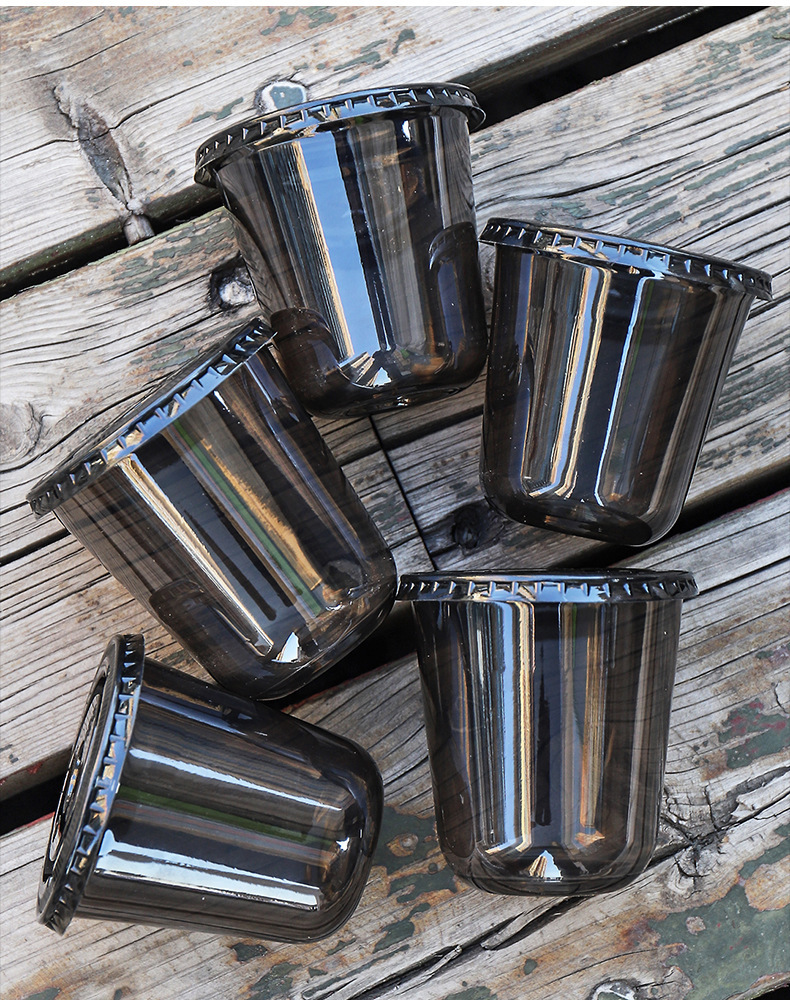
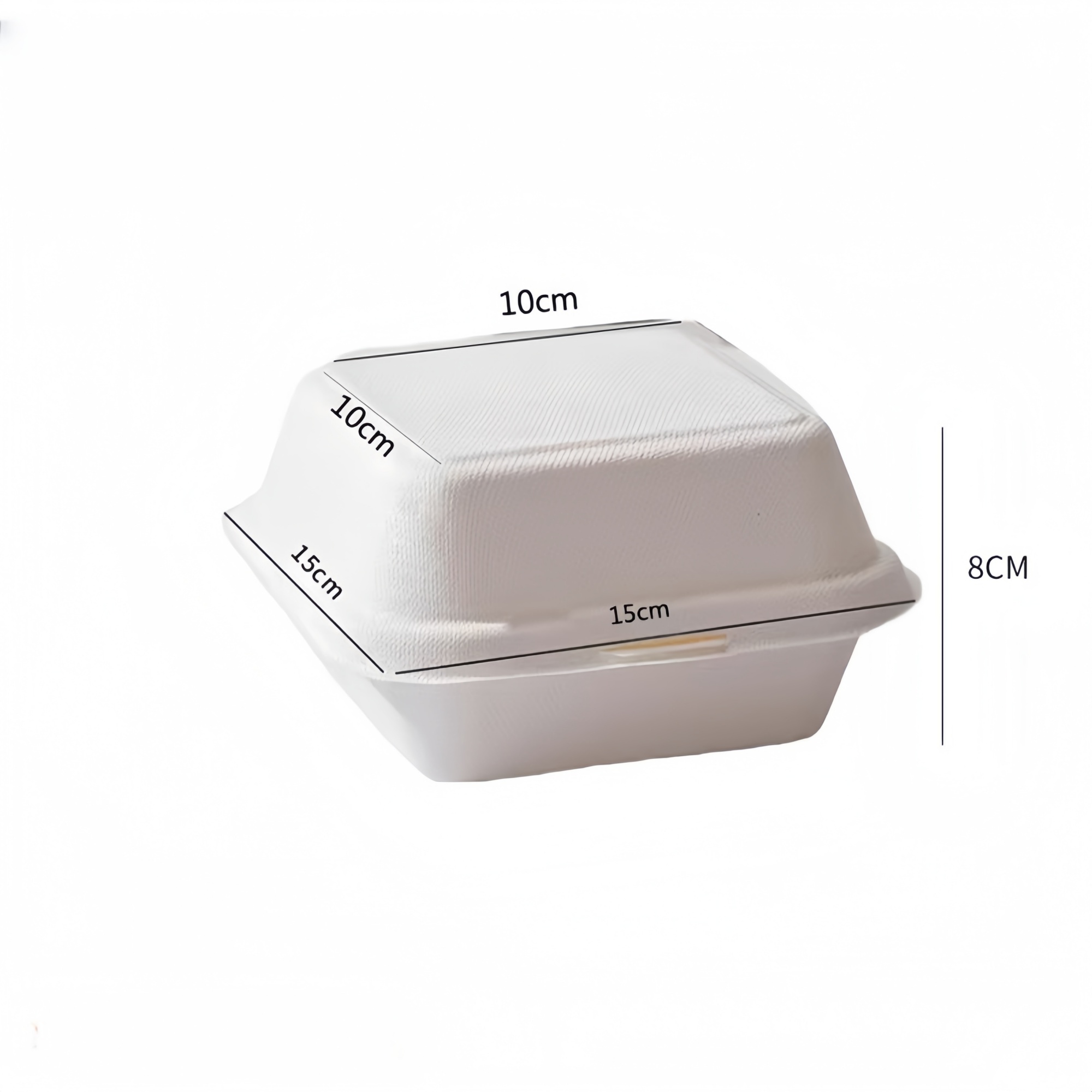


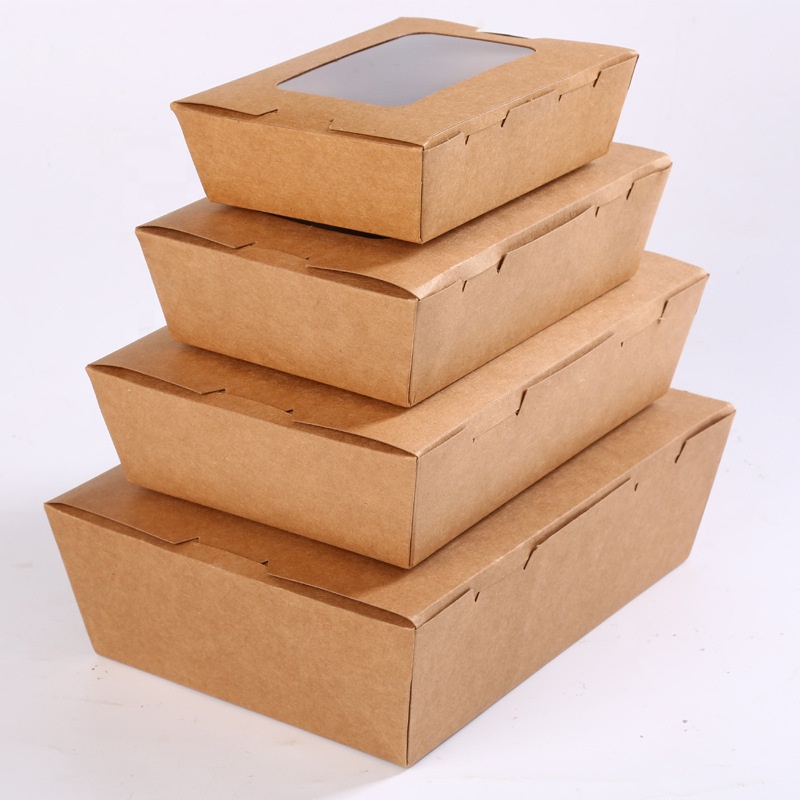
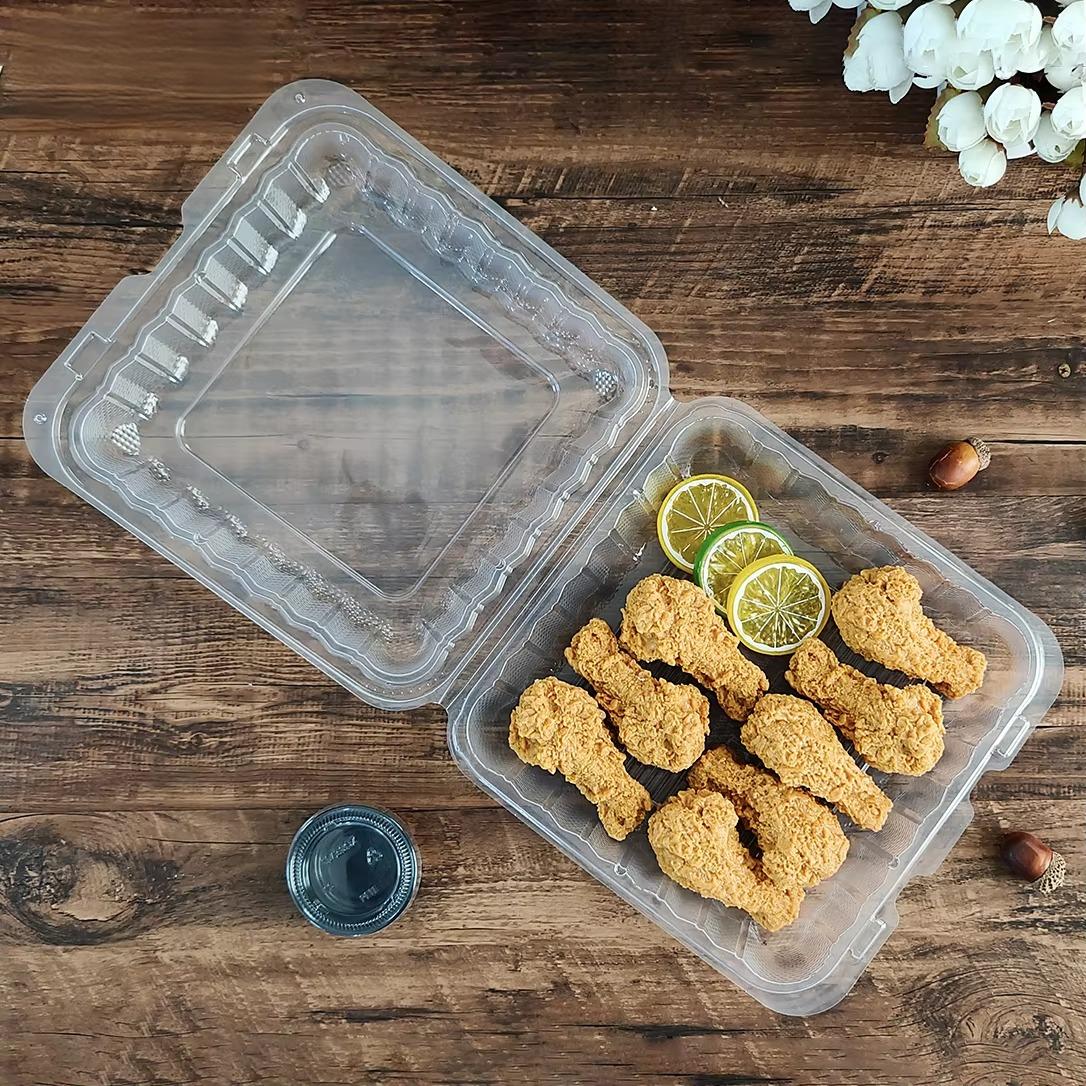


German Roland 4-Color Printing
In-house German Roland 4-color offset press combined with 6+1 precision printing units for hyper-accurate Pantone matching, matte/gloss lamination, UV coating, and foil stamping.
Certified Regulatory Compliance
Fully compliant with CE standards, EN 13432 European industrial compostability, EU No 10/2011, Regulation EC 1935/2004, and US FDA 21 CFR 176.170 specifications for contact with food.
One-Stop Direct Manufacturer
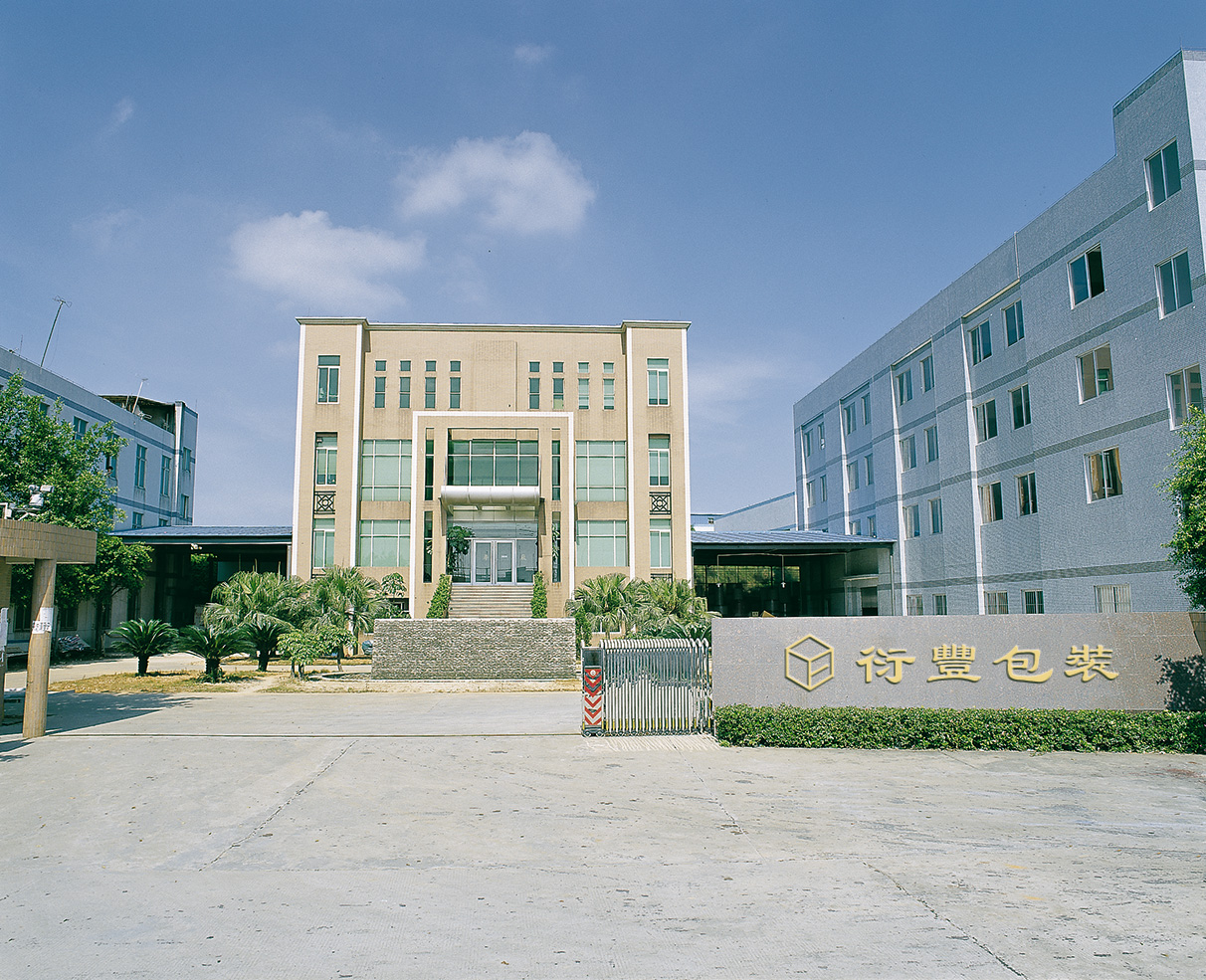
Operating from Foshan, Guangdong, close to Shenzhen and Guangzhou ports. Complete vertical integration from raw sugarcane pulp slurry refining to automated thermoforming and die-cutting.
Technical White Paper: Engineering CE Certified Bagasse Pulp Trays for Global Foodservice Sourcing
As global environmental mandates tighten and consumer preference shifts decisively away from single-use Expanded Polystyrene (EPS) and fossil-based polymers, sugarcane bagasse pulp packaging has emerged as the premier structural alternative for takeaway containers, fresh produce trays, and catering tableware. Sugarcane bagasse is the fibrous residue remaining after sugar juice extraction. Rather than incinerating this agricultural byproduct, advanced pulping and thermoforming technologies convert these natural cellulose fibers into high-strength, micro-rigid, compostable packaging modules.
For enterprise procurement officers, brand owners, and packaging distributors, navigating international regulatory compliance—specifically European CE marking, EN 13432 compostability standards, EC 1935/2004 food contact safety, and PFAS-free chemical compliance—requires a deep understanding of sugarcane pulp chemistry, thermoforming physics, and structural barrier mechanics. Guangdong Pudse Packaging Technology Co., Ltd. leads this transition by deploying state-of-the-art manufacturing infrastructure in Foshan, China, producing structural molded fiber solutions that balance structural integrity, moisture/oil resistance, and carbon-neutral end-of-life cycles.
Executive Sourcing Insight: Bagasse pulp trays engineered by Pudse achieve structural rigidity through hydrogen bonding of natural sugarcane cellulose fibers without requiring synthetic binders. When combined with fluorine-free oil-resistant additives, our trays pass strict European food-contact leaching standards while providing complete home and industrial compostability.
Material Science & Thermoforming Manufacturing Physics
The manufacturing of high-density bagasse pulp trays involves a multi-stage thermoforming sequence that directly impacts tensile strength, rim compression resistance, and thermal tolerance:
- Depithing & Refining: Raw sugarcane bagasse naturally contains pith (parenchyma cells) which lacks binding fiber length. Pudse utilizes mechanical depithing to extract high-aspect-ratio cellulose fibers (lignin content ~18-22%, cellulose ~45-55%, hemicellulose ~28-35%). The fibers are hydrated in a hydraulic pulper and refined to reach optimum Schopper-Riegler (°SR) freeness, establishing a uniform mesh suspension.
- Vacuum Molding & Slurry Deposition: The refined slurry (~1% consistency) is drawn onto custom CNC-machined aluminum mesh molds via high-vacuum suction. Water is extracted through uniform pressure differentials, forming a wet pulp preform.
- High-Temperature Thermoforming & In-Mold Drying: The wet preform is transferred to precision heated hydraulic presses operating between 160°C and 200°C under pressures of 0.5 to 1.2 MPa. This step simultaneously evaporates residual moisture and induces cross-linked hydrogen bonding between cellulose chains, curing the tray into a smooth, rigid, non-porous structure.
- Precision Trimming & Edge Punching: Automated robotic trimming units eliminate flash lines, ensuring dimensional tolerance within ±0.3mm—critical for high-speed automated denesting and packaging lines.
Comparative Engineering Matrix: Bagasse vs. Traditional Packaging Materials
Selecting the correct substrate requires analyzing thermal performance, grease migration barriers, environmental impact, and total landfilled lifecycle metrics. Below is an engineering comparison matrix designed for wholesale sourcing specialists:
| Performance Parameter | Molded Bagasse Pulp Trays | EPS Foam (Expanded Polystyrene) | PET Plastic Containers | PE-Coated Kraft Paperboard |
|---|---|---|---|---|
| Raw Material Origin | Agricultural Sugarcane Byproduct | Fossil Fuel Derivative | Petroleum / Polymer Resin | Virgin Wood Pulp + PE Film |
| Thermal Endurance Range | -20°C to +120°C (Microwave & Freezer Safe) | -10°C to +80°C (Melts under heat) | -40°C to +60°C (Deforms above 65°C) | -18°C to +100°C (Brief heat exposure) |
| Oil & Moisture Barrier | High (PFAS-Free/Fluorine-Free Additives) | High (Hydrophobic) | Impermeable Liquid Barrier | High (Polyethylene Lamination) |
| Compostability Status | 100% EN 13432 & OK Compost Compliant | Non-Biodegradable (Persists >500 yrs) | Non-Biodegradable (Recyclable #1) | Hard to Compost due to PE Film |
| Carbon Footprint Equivalent | Ultra-Low (Carbon-Neutral Biomass) | High Fossil Scope 3 Emissions | High Industrial Processing Energy | Moderate (Forestry + Extrusion) |
| EU Import Regulatory Risk | Zero Ban Risk (Favored under SUP) | Banned / Heavy Eco-Taxation | Subject to Plastic Packaging Taxes | Low Risk (Requires Recyclability) |
Regulatory Compliance & CE Standards for International Sourcing
Placing food-contact tableware into Western markets requires meeting strict safety directives. Pudse bagasse pulp trays and containers undergo comprehensive third-party laboratory validation to ensure effortless customs clearance and consumer protection:
- CE Marking & EU Food Contact Framework (Regulation EC 1935/2004): Guarantees that no chemical constituents transfer into foodstuffs in quantities that could endanger human health or bring about an unacceptable change in the composition of the food.
- Specific Migration Testing (EU No 10/2011 & LFGB): Rigorous testing under simulated conditions using food simulants (3% Acetic Acid, 10% Ethanol, Rectified Olive Oil / Iso-octane) to verify heavy metal limits (Lead, Cadmium, Mercury, Hexavalent Chromium) remain well below actionable thresholds.
- PFAS-Free & Fluorine-Free Formulation: In response to stringent North American (US State-level bans) and European REACH legislation regarding Per- and Polyfluoroalkyl Substances (PFAS), Pudse offers next-generation oil-proofing utilizing Alkyl Ketene Dimer (AKD) and bio-based polymeric sizing agents, providing 100% fluorine-free grease resistance.
- Industrial Compostability (EN 13432 / ASTM D6400): Certified to completely disintegrate within 90 days in an industrial composting environment (>90% conversion to CO2, water, and mineral biomass with zero ecotoxicity in residual soil).
Future Procurement Trends in Sustainable Food Packaging (2025–2030)
The global food packaging industry is entering an era of radical supply chain restructuring. Major restaurant chains, supermarket groups, and institutional buyers are executing strategic multi-year packaging shifts driven by three macroeconomic drivers:
1. Legislative Decarbonization & Single-Use Plastic Bans
The enforcement of the EU Single-Use Plastics (SUP) Directive, extended producer responsibility (EPR) fee structures, and plastic packaging taxes (such as the UK Plastic Packaging Tax and national European levies) have made traditional plastic packaging economically unviable. Future procurement strategies demand transition toward certified bio-based materials that bypass plastic taxes entirely.
2. Scope 3 Carbon Accounting & ESG Transparency
Multinational food brands are now legally obligated to report Scope 3 greenhouse gas emissions. Agricultural byproduct packaging—such as sugarcane bagasse—offers an advantageous carbon balance. By capturing carbon during sugarcane growth and utilizing sugar industry waste, the lifecycle carbon footprint of bagasse trays is up to **75% lower** than fossil-fuel-derived polypropylene (PP) or PET containers.
3. Closed-Loop Circular Systems in Commercial Foodservice
Forward-thinking procurement teams are establishing circular commercial ecosystems where organic food waste and used bagasse pulp trays are co-collected and routed directly to commercial composting or anaerobic digestion facilities, eliminating waste-sorting costs and zero-waste landfill surcharges.
Next-Generation Bagasse Product Development & Material Innovations
Pudse’s R&D team continuously pushes the boundaries of molded fiber material science. Key ongoing technical developments shaping our product roadmap include:
- Micro-Fibrillated Cellulose (MFC) Barrier Coatings: Applying ultra-thin nanocellulose layers onto the surface of bagasse trays to achieve gas, oxygen, and aroma barrier performance comparable to plastic films without compromising compostability.
- Plasma-Surface Modification: Utilizing eco-friendly cold plasma gas treatments to temporarily alter the surface energy of pulp fibers, imparting extreme water repellency (superhydrophobicity) without chemical coating agents.
- High-Speed Automated Precision Denesting Trays: Re-engineering draft angles, structural ribs, and rim stacking lugs to allow high-speed robotic denesting equipment on automated meal-prep filling lines to operate without jamming.
Guangdong Pudse Packaging Technology Co., Ltd.
Headquartered in Foshan, Guangdong, Pudse is a premier manufacturer and exporter specializing in sugarcane bagasse tableware, PE/PLA-coated kraft containers, microwavable PP meal prep boxes, PET cups, and custom packaging sleeves. With extensive pre-press and post-press infrastructure, we support global distributors with rapid prototyping and seamless wholesale supply.
- Full In-House Printing: German Roland 4-color press, 6+1 color offset printing, hot stamping, UV coating, and matte/gloss lamination.
- Strict Quality Assurance: ISO 9001 quality system managing raw slurry inspection, forming density, burst strength, and pre-shipment sampling.
- Flexible Sourcing Terms: Supporting low MOQ trial orders for stock items (from 10–150 pcs) up to full container load (FCL) OEM runs.
- Rapid Commercial Service: Average inquiry response time under 1 hour with dedicated export logistics support across FOB, CIF, DDP, and DDU.
Frequently Asked Sourcing Questions (FAQ)
Technical, Regulatory, & Commercial Answers for B2B Buyers
What certifications do your bagasse pulp trays hold for international export?
Our sugarcane bagasse pulp packaging products are CE compliant and certified under European EN 13432 industrial compostability standards. They comply fully with EU Regulation EC 1935/2004, EU No 10/2011 food contact safety rules, German LFGB regulations, and US FDA 21 CFR 176.170 specifications for aqueous and fatty food contact.
Are your bagasse pulp trays completely free of PFAS and intentionally added fluorines?
Yes. To adhere to European REACH chemical restrictions and US state-level PFAS prohibitions, Pudse supplies 100% fluorine-free (PFAS-free) bagasse pulp trays. We utilize food-grade, bio-based sizing agents (such as AKD and modified starch compounds) that provide excellent hot oil (≤95°C) and hot water (≤100°C) resistance without harmful bioaccumulative chemicals.
What are the Minimum Order Quantities (MOQ) and lead times for OEM/custom trays?
For standard stock items (e.g., PP deli boxes or stock bagasse clamshells), MOQs start as low as 10 to 150 units. For custom-molded bagasse trays or custom-printed kraft paperboard boxes requiring dedicated tooling and Roland press setups, standard MOQs range between 10,000 and 20,000 units. Prototyping sample lead time takes approximately 5–7 days, with full container production completed in 20–25 days.
How do bagasse pulp trays perform under microwave reheating and freezing conditions?
Pudse bagasse trays demonstrate exceptional thermal stability, maintaining structural integrity across a temperature range of -20°C to +120°C. They can be safely used in deep-freeze storage and short-to-medium microwave reheating without softening, warping, emitting synthetic odors, or leaching chemicals into food.
Can we print our brand logo directly onto bagasse pulp trays or sleeves?
While molded pulp surfaces can accept light flexographic stamping, the most popular high-impact branding method is pairing molded bagasse trays with custom-printed kraft paperboard wrap-around sleeves or waterproof printed labels. Printed in-house on our German Roland press, these sleeves provide crisp graphics, barcoating, matte/gloss lamination, and metallic foil stamping for retail shelf appeal.
What shipping options and payment methods do you support?
We accept payment via T/T, L/C, D/P, D/A, Credit Card, PayPal, and Western Union in major currencies including USD, EUR, GBP, CAD, AUD, and HKD. Delivery terms supported include FOB, CIF, CFR, EXW, FCA, DDP, and DDU with direct shipping from Foshan, Guangzhou, or Shenzhen ports.
Partner with a Certified Bagasse Tray Manufacturer
Get factory-direct pricing, technical product specifications, and instant sample dispatches within 24 hours. Contact our engineering team today.