Blog
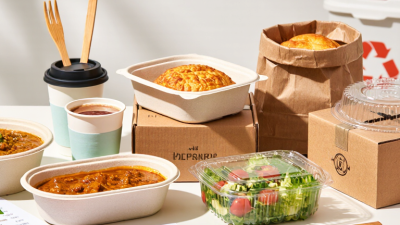
How to Choose Biodegradable Food Packaging for Your Business
Choosing Biodegradable Food Packaging is not just a materials decision. It affects how meals travel, how long they stay fresh, and what customers do with the package afterward. A fiber bowl may look ready for composting, yet its lining or local disposal options can change the outcome. Small details matter: a warm, oily takeaway curry tests a package differently from a dry pastry.
William McDonough, an architect and influential circular-design thinker, expresses a useful principle: “Waste equals food.” For a food business, that idea is a prompt, not a guarantee. A material described as biodegradable may need specific conditions to break down, and it may not be suitable for home composting. Check the product’s documentation, food-contact suitability, moisture and grease resistance, and compatibility with the disposal systems customers can actually access.
There is no perfect material for every menu. That’s the hard part. A café serving chilled salads may prioritize clarity and leak resistance, while a busy takeaway counter may need sturdy, stackable containers. Ask suppliers for test results and clear instructions, then trial packaging with real portions, sauces, and delivery times. Observe what happens. A lid that loosens during a short ride can undo a polished sustainability message. This guide will help you compare materials, verify claims, estimate costs, and choose an option that works in daily service—not just in a product photograph. And if the first choice falls short, revise it. That is responsible practice, too.
Read more »
 By:Amelia
- November 10, 2026
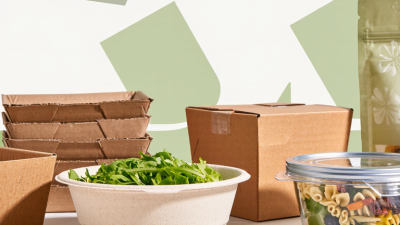
Best Eco Friendly Food Packaging Types in 2026?
Choosing the Best Eco Friendly Food Packaging in 2026 means looking beyond labels. A paper bowl, molded-fiber tray, or compostable pouch can seem like an easy win. Yet each option depends on what it contains, how it travels, and where it ends up. That last step is often overlooked.
The OECD’s Global Plastics Outlook (2022) estimated that the world generated 353 million tonnes of plastic waste in 2019; only 9% was recycled. Packaging made up about 40% of that waste. These figures cover plastics broadly, not food packaging alone, so they provide context rather than a direct comparison of materials. Still, they show why packaging choices deserve close attention. The United Nations Environment Programme’s Turning off the Tap (2023) also calls for changes across the plastics system, including reuse, recycling, and alternatives. A material swap by itself is not enough.
This guide compares practical options for 2026, including recycled-content paperboard, molded fiber, reusable containers, and certified compostable materials. It considers barriers like grease, moisture, shelf life, transport, and local collection access. A crisp salad in a fiber bowl faces different needs from hot soup in transit. Small details matter. So does the disposal route. Eco Friendly Food Packaging is not automatically better because it looks natural or carries a green claim. The best choice depends on credible evidence and local infrastructure—and sometimes the honest answer is that no option is perfect.
Read more »
 By:Oliver
- November 10, 2026
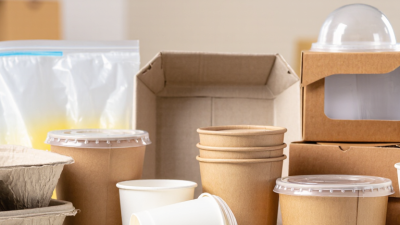
Top 10 Compostable Food Packaging Suppliers Worldwide
Choosing a supplier for Compostable Food Packaging takes more than comparing prices or browsing attractive product photos. Buyers need to examine materials, product performance, documentation, and the composting conditions each item requires. A bowl that holds hot soup may behave differently from a thin takeaway lid. Details matter.
This guide introduces ten suppliers serving markets around the world and outlines what businesses should check before requesting samples. Product ranges may include molded fiber trays, paper cups, compostable bags, and food-service containers. Availability and shipping options can vary by region, so a supplier’s global reach does not guarantee local stock. That distinction matters.
Compostable claims also deserve careful review. Ask for current certificates and confirm which products they cover. Check whether an item is designed for industrial composting, home composting, or another specified process. Local facilities may not accept every certified product. A label alone is not enough.
Real-world trials help reveal what a brochure cannot: whether a container leaks, softens, or stacks neatly during a busy service. Request samples and test them with the foods, temperatures, and handling conditions your team actually uses. Compare minimum order quantities, customization, lead times, and technical support as well. No supplier is perfect. This shortlist is a starting point, not a substitute for due diligence. The right choice depends on your product, customers, and waste-management options.
Read more »
By:Oliver
- November 10, 2026