Navigating European Compliance & Material Transition in Food Service Packaging
With the implementation of the European Union Packaging and Packaging Waste Regulation (PPWR), Regulation (EC) No 1935/2004, and the complete regulatory phase-out of Per- and Polyfluoroalkyl Substances (PFAS), international food enterprise procurement leaders face a structural shift toward verifiable compostable substrates. As an established high-capacity manufacturer, Guangdong Pudse Packaging Technology Co., Ltd. delivers certified, zero-microplastic, thermoformed bagasse and bio-polymeric containers engineered for commercial kitchen resilience, cross-continental maritime transit, and circular bio-economy compliance.
Featured Compostable & High-Performance Food Packaging Solutions
Review our high-velocity export catalog of precision-formed compostable tableware, recyclable catering containers, and certified sustainable foodservice supplies, manufactured in our Foshan production facility under rigorous ISO 9001 and food safety protocols.

Compostable PLA Disposable Drinking Straws 200mm Biodegradable Iced Beverage Sippers
View Technical Spec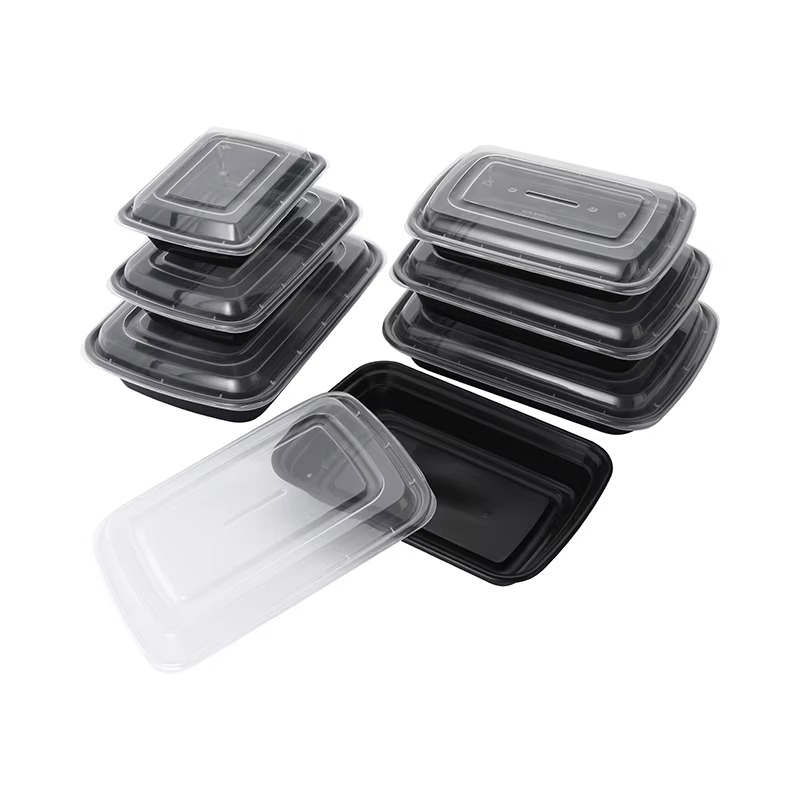
Disposable Rectangular Plastic Lunch Box Reusable Square Food Storage Containers
View Technical Spec
Recyclable PP Nonwoven Cake Packaging Bag Custom Logo Print Hand Handle Bakery Carrier
View Technical Spec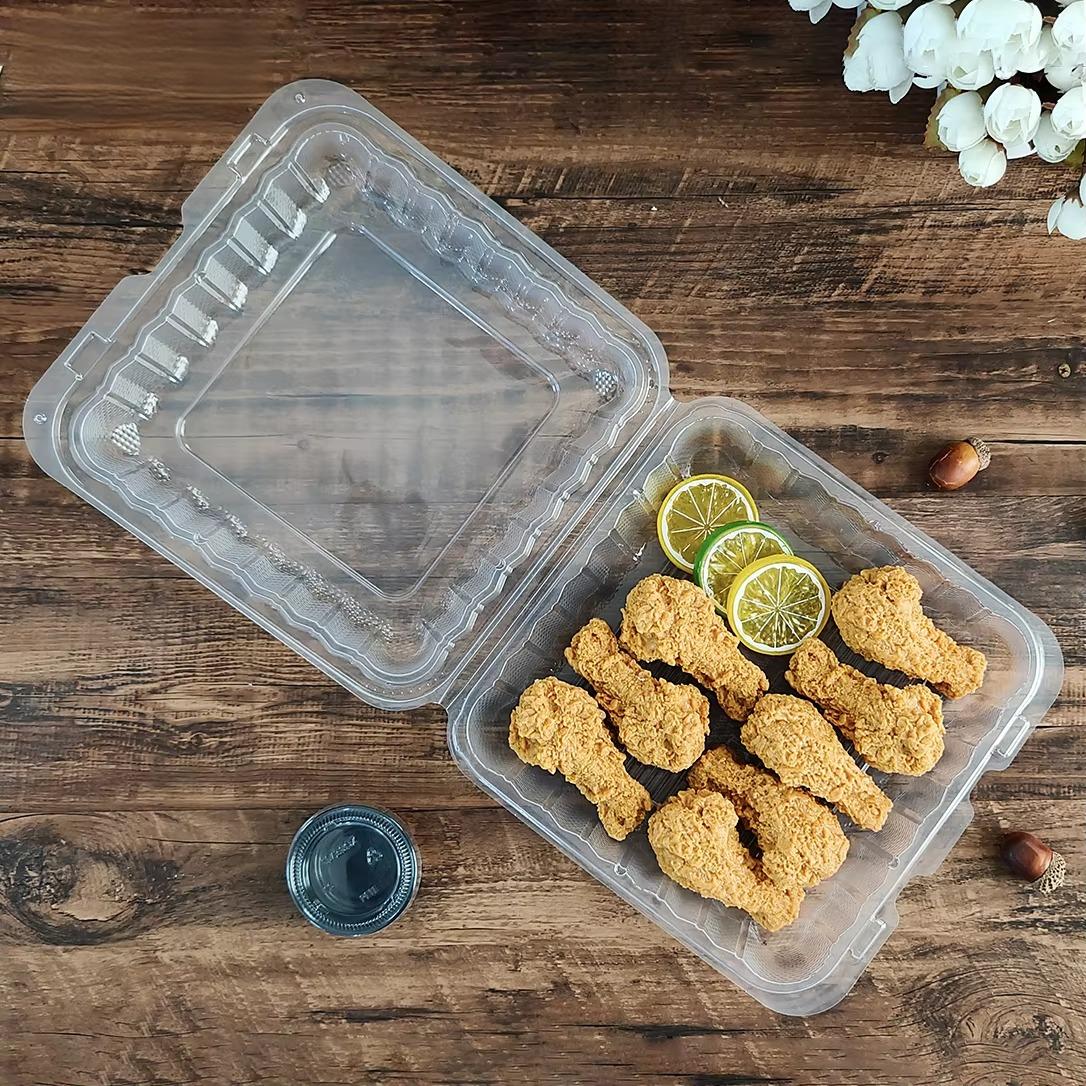
9 Inch 1 Compartment PP Plastic Bento Lunch Catering Clamshell Meal Prep Takeaway Box
View Technical Spec
Custom Logo Disposable PET Cup 12oz-16oz Transparent Blister Lid Single Wall Cold Cup
View Technical Spec
Custom Printed Food Grade Ice Cream Cups Recycled Materials Biodegradable Coating
View Technical Spec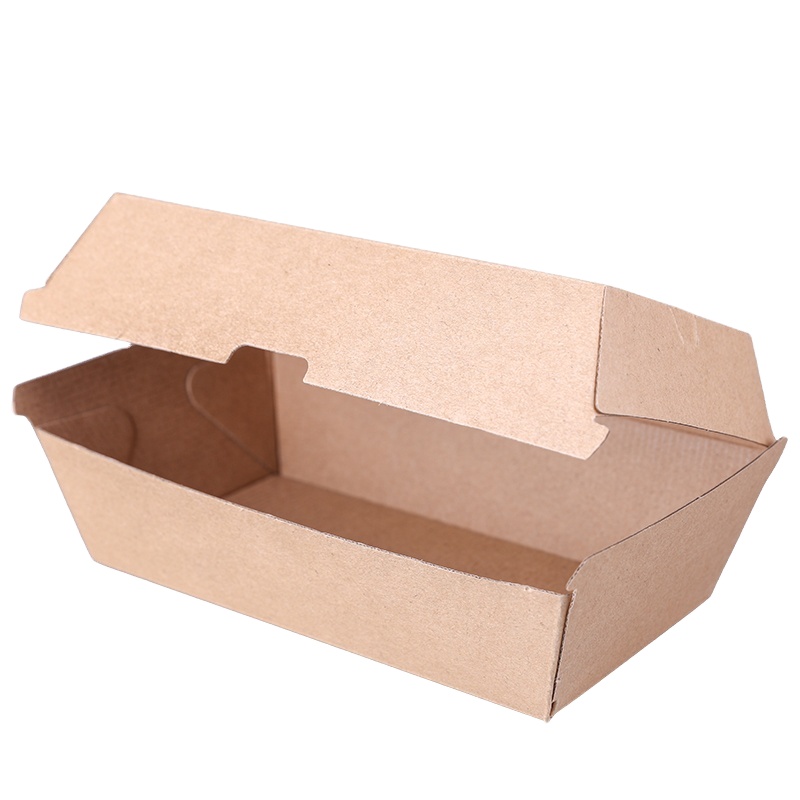
Recycled Biodegradable Corrugated Paper Box 2mm Folding Shipper Packaging
View Technical Spec
Wholesale Custom Red Packet Luxury Paper Spring Festival Hot Stamping Money Envelope
View Technical SpecMaterial Architecture: Bagasse Thermoforming & PFAS-Free Fluorine Replacements
The industrial transformation of raw agro-industrial residue into structural, food-safe containers requires rigorous surface chemistry control, fiber entanglement optimization, and non-toxic aqueous barrier formulations.
| Material Category | Operating Thermal Range | PFAS Compliance Status | Microwave Reheating | Industrial Composting (EN 13432) | Target Application Scenarios |
|---|---|---|---|---|---|
| Thermoformed Sugarcane Bagasse | -20°C to +120°C | 100% Certified Free | Safe (Up to 800W / 3 min) | Biodegrades < 90 Days | Hot greasy meals, stews, institutional catering, airline trays |
| Aqueous-Coated Virgin Kraftboard | -10°C to +100°C | PFAS-Free Dispersion | Controlled Reheating | Repulpable & Compostable | Noodle boxes, salad pails, food boat trays, bakery clamshells |
| Polypropylene (PP #5 Copolymer) | -20°C to +120°C | Inherent (No Additives) | Fully Microwave Safe | Mechanical Recycling #5 | Reusable meal prep containers, soup bowls, centralized ghost kitchens |
| Polyethylene Terephthalate (PET #1) | -30°C to +60°C | Inherent Pure Polymer | Unsafe (Thermal Distortion) | Widely Recyclable #1 | Bubble tea cups, cold salads, clear display lids, bakery windows |
| Polylactic Acid (PLA Biopolymer) | -15°C to +45°C | Plant-Derived Resin | Unsafe (Low Glass Transition) | Certified Industrial Organics | Cold drink straws, cold deli lids, temperature-controlled iced beverages |
Understanding CE Marking & EU Food Contact Directives for Importers
While traditional consumer electronics require CE mark stamps directly on products, paper and compostable food contact materials must demonstrate compliance through a legal Declaration of Compliance (DoC) backed by third-party testing in accordance with:
- Regulation (EC) No 1935/2004: General safety framework dictating that materials do not transfer constituents to food in quantities hazardous to human health or unacceptably change food composition.
- Good Manufacturing Practice (EC) No 2023/2006: Enforcing traceable cleanliness, document controls, and batch monitoring across every pulping, forming, and die-cutting phase.
- Harmonized Standard EN 13432: Industrial compostability verification verifying heavy metal thresholds, chemical ecotoxicity, >90% biodegradation within 180 days, and physical disintegration within 12 weeks.
- BfR Recommendation XXXVI & FDA 21 CFR 176.170: Specific migration testing for aqueous, fatty, and dry foods across varying thermal incubation protocols.
PFAS Elimination Protocols
Historically, molded pulp relied on perfluorooctanoic acid (PFOA) or short-chain fluorochemicals to resist boiling water and hot cooking oils. Pudse has transitioned to advanced water-based bio-dispersion chemistry, modifying pulp fiber hydroxyl chains using non-toxic biowaxes, alkyl ketene dimers (AKD), and natural starch complexes to provide 4-hour hot grease impermeability without fluorinated chemistry.
Macroeconomic & Regulatory Drivers Shaping Sourcing (2025–2030)
Procurement teams at international restaurant chains, institutional distributors, and hospitality conglomerates must future-proof their supply chains against mounting carbon penalties, legislative single-use plastic bans, and volatile raw material indexes.
1. Mandatory EPR Taxes & Eco-Modulation
European nations and North American states are scaling Extended Producer Responsibility (EPR) fee structures that penalize composite multimaterial packaging (such as traditional PE-laminated paper) that cannot be separated in local waste streams. Mono-material certified compostable bagasse trays qualify for lowest-tier tax brackets, reducing net per-unit import tariffs and downstream municipal recycling surcharges.
2. PPWR Standardization & Reuse Mandates
The EU's Packaging and Packaging Waste Regulation sets binding targets to reduce overall packaging volume by 15% by 2040 and mandates that all packaging be recyclable or compostable in standard commercial organic recovery infrastructure. Quick-service takeout will require compostable solutions for items contaminated with food oils, securing molded bagasse trays as the primary legal alternative to expanded polystyrene (EPS).
3. Carbon Accounting & Upstream LCA Tracing
Institutional buyers increasingly mandate Scope 3 carbon emission disclosure from packaging partners. Agricultural byproduct packaging generated from sugarcane waste possesses a biogenic carbon-neutral lifecycle calculation. Our manufacturing footprint in Foshan utilizes closed-loop waste steam heat recovery and recycled pulping wastewater to minimize per-carton cradle-to-gate carbon intensity.
Wet-Press Thermoforming Precision vs. Conventional Molded Fiber
Understanding internal structural tolerances and tooling precision is crucial for automated denesting, heat sealing, and lidding machines on modern commercial food assembly lines.
Dry-Press Semi-Industrial Molding
Traditional egg-carton style packaging uses dry-pressing. The pulp is roughly formed, air-dried or oven-dried, resulting in rough exterior textures, loose fiber release, inconsistent rim flange flatnesses, and dimensional variances up to ±1.5mm. This variation causes unsealed gaps on automated top-film heat sealers and lid drop-offs during transit.
- Rough tactile finish; dust accumulation
- Inadequate for film seal lamination
- High denesting jamming frequency
Wet-Press Heated In-Mold Curing
Pudse utilizes automated CNC-machined wet thermoforming molds. The fiber slurry is drawn onto a vacuum mesh and instantly transferred to a dual-sided hydraulic hot-press operating at 200°C under 15–20 tons of pressure. Moisture flashes into high-pressure steam, forcing fibers into uniform crystalline density with mirror-smooth interior surfaces.
- Surgical dimensional stability (±0.3mm tolerance)
- Silky, splinter-free consumer tactile feel
- Precision rim flanges for MAP top-film lamination
Automated Die-Trimming & Deburring
Secondary operations run on high-speed precision die-cutting presses equipped with optical sensors. Every tray perimeter is cut with zero rough burrs, ensuring smooth separation during high-speed denesting at speeds reaching 60–90 containers per minute on automated frozen food or ready-to-eat commissary packing lines.
- Stacking nesting gap maintained reliably
- Zero automated feeder line jams
- Burr-free perimeter prevents oil capillary leaks
Why Top Global Importers Partner with Pudse in Foshan
Headquartered in Dali Town, Nanhai District, Foshan, Guangdong Pudse Packaging Technology Co., Ltd. has delivered integrated packaging manufacturing, prepress design, and global export logistics since 2009.
In-House Manufacturing Scale
Spanning 10,000–30,000 m² of specialized workshops in Foshan, housing high-tonnage molded fiber production lines, thermoforming stations, and fully enclosed dust-free cleanrooms for food-contact compliance.
German Roland 4-Color Press
Equipped with high-precision Roland offset presses and 6+1 UV flexographic lines, delivering sharp brand color fidelity, custom dieline sleeves, hot foil stamping, and food-grade soy ink certifications.
Rigorous ISO 9001:2015 QC
Three-tier inspection gates: raw pulp fiber analysis, in-line edge crush and drop testing, and 100°C oil holding verification for 120 minutes prior to final carton palletization and stretch-wrapping.
Guangzhou / Shenzhen Port Logistics
Proximity to Nansha and Yantian ports allows quick access for FCL and LCL shipments to North America, Europe, and Asia, paired with rapid technical quoting averaging under one hour.
Frequently Asked Questions by Food Tray Importers & Procurement Directors
Straightforward answers regarding minimum order requirements, test certifications, heat tolerances, custom tooling lead times, and global shipping protocols.