Engineered Biodegradable & Multi-Material Takeaway Solutions
Source directly from Guangdong Pudse Packaging Technology Co., Ltd. Below are our high-volume production lines trusted by hypermarket chains, hospitality distributors, and fast-casual food systems worldwide.
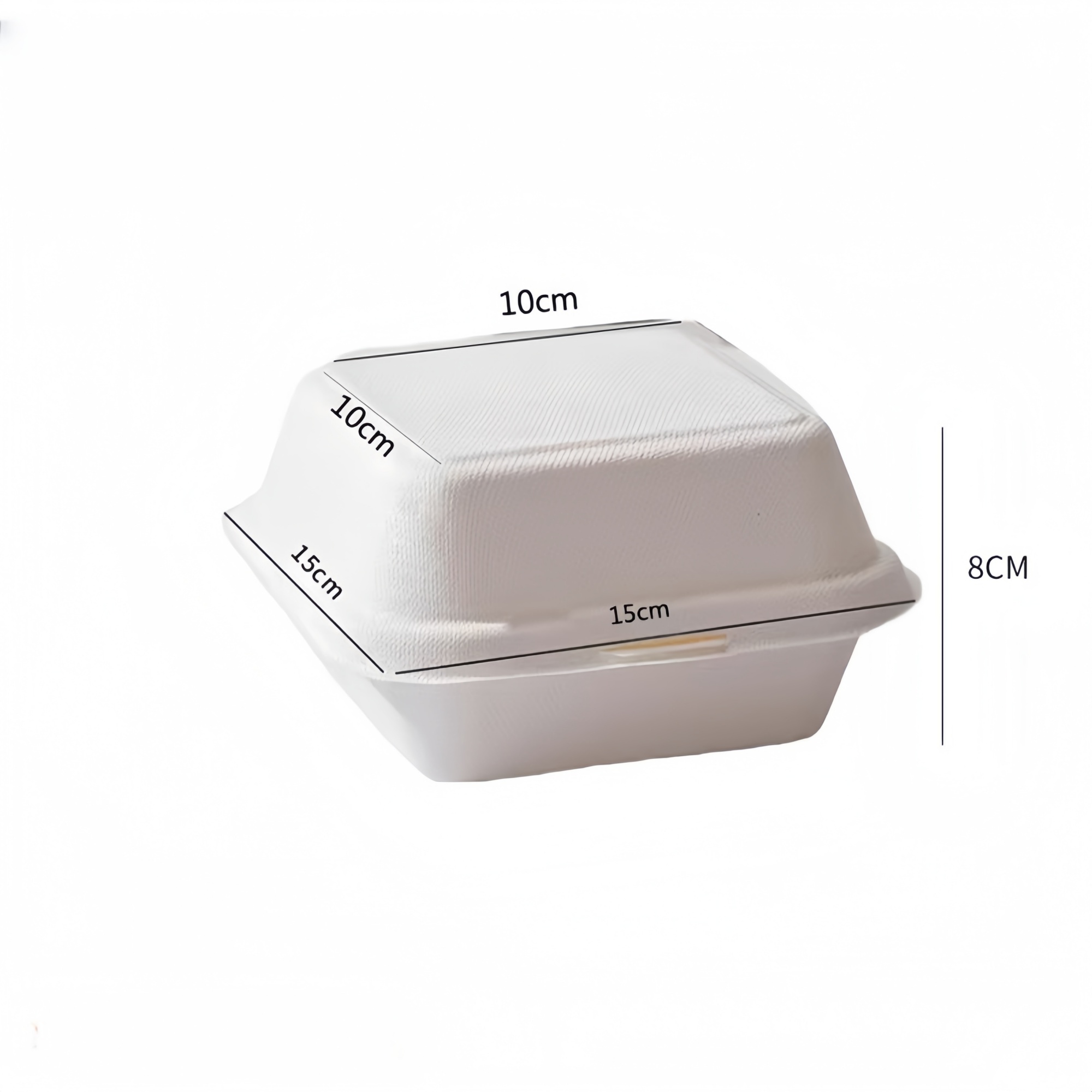
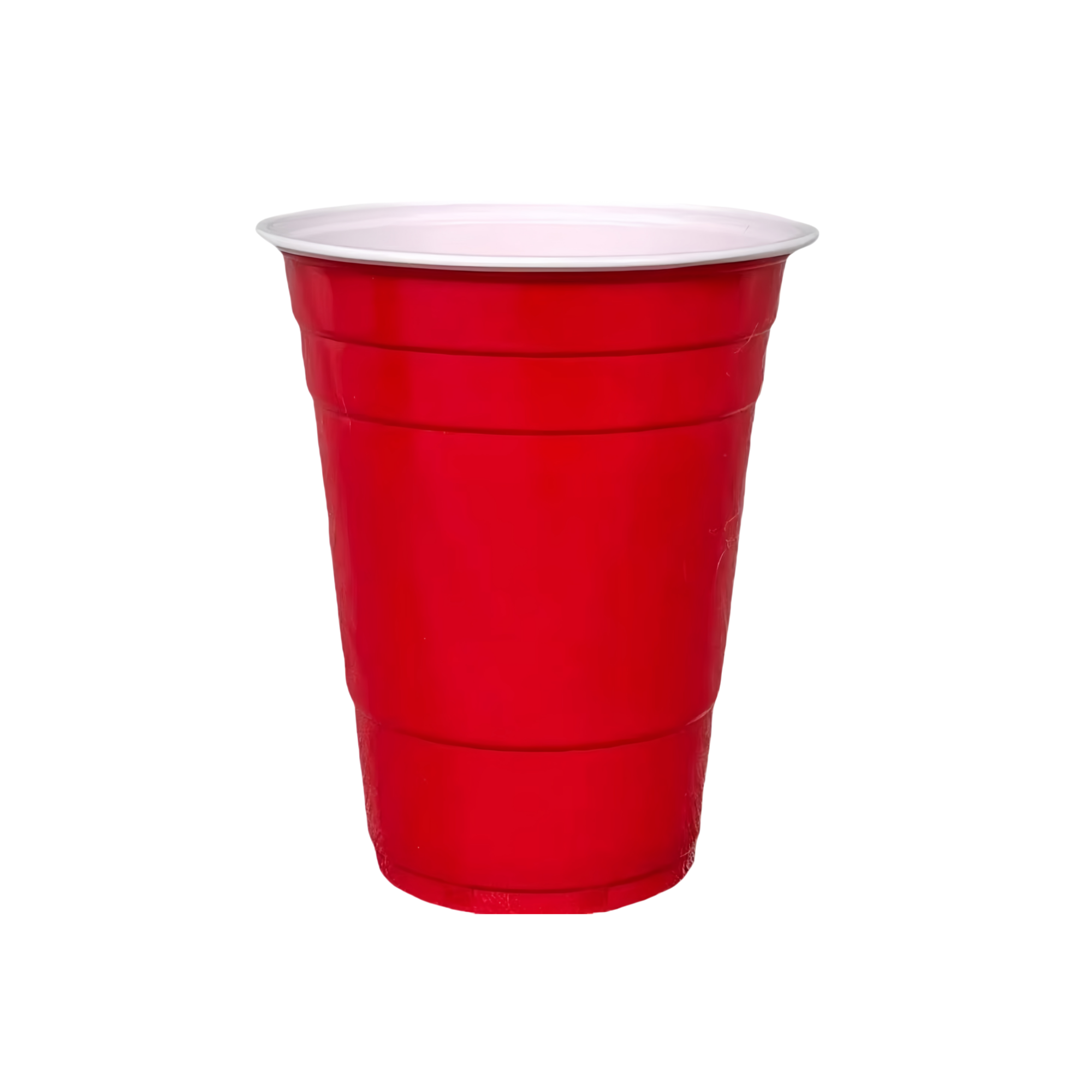

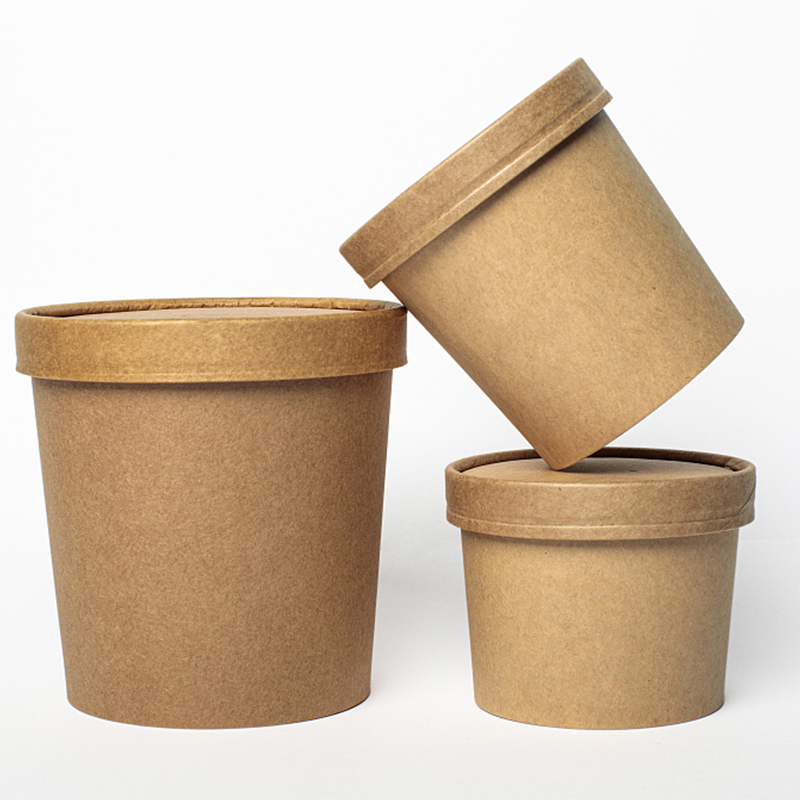

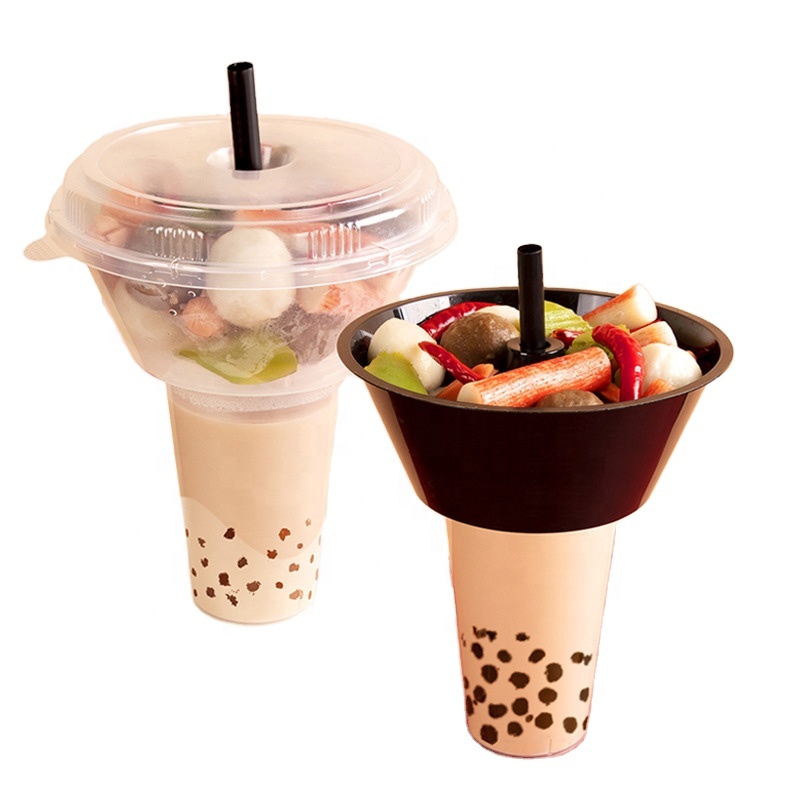

Strategic Evaluation of Sugarcane Bagasse in Global Foodservice Supply Chains
As the international regulatory landscape tightens around expanded polystyrene (EPS) and single-use plastics (SUPD), sugarcane bagasse has emerged as the definitive industrial-grade biological substrate. Below is an engineering overview of structural performance, barrier chemical properties, and thermodynamic resilience.
PFAS-Free Fluorine Elimination
Historically, oil resistance in molded fiber was achieved using long-chain per- and polyfluoroalkyl substances. Our facility pioneered certified fluorine-free barrier chemistries utilizing functional bio-polymers and surface sizing technologies.
This ensures complete compliance with California AB 1200, New York ECL Article 37, and the European Union REACH Regulation (EC 1907/2006), preventing perfluorinated leaching into lipophilic food components even under prolonged exposure at 95°C.
Thermodynamic & Structural Rigidity
Standard molded bagasse exhibits superior mechanical tensile strength compared to conventional paperboard. Through high-tonnage precision thermoforming, our containers maintain an elastic modulus capable of resisting top-load forces exceeding 15 kg.
Operating efficiently within a wide thermal window of -20°C to +120°C, our clamshells, plates, and bowls withstand microwave reheating and blast-chilling without dimensional deformation, softening, or structural collapse from moisture absorption.
Circular Life Cycle & Composting
Derived entirely from post-industrial sugarcane crushing residues, our bagasse tableware is inherently upcycled, preserving virgin softwood forests and delivering dramatic lifecycle carbon abatement compared to petroleum polymers.
Products are engineered to achieve complete biological mineralization under ASTM D6400 and EN 13432 industrial composting standards, breaking down into carbon dioxide, water, and nutrient-dense humus within 90 to 180 days without microplastic residue.
Future Sourcing & Technological Trends in Molded Fiber
As enterprise food conglomerates and national supermarket operators restructure packaging contracts through 2026–2030, procurement directors must monitor several structural transformations across the Chinese export supply chain.
Aqueous Water-Based Coatings
The packaging industry is shifting rapidly away from conventional polyethylene (PE) and polypropylene (PP) film lamination toward microscopic aqueous dispersion coatings. This next-generation barrier enables kraft and bagasse substrates to be fully repulpable in standard paper recycling mills without requiring specialized separation infrastructure.
High-Precision Dry-Pressing Automation
Traditional wet-pressing is increasingly supplemented by advanced robotic dry-press thermoforming. This technology yields mirror-smooth interior and exterior walls, precision-toleranced rim profiles for leak-proof automated denesting, and ultra-crisp custom logo debossing for premium retail meal-prep applications.
Supply Chain Traceability & LCA Audits
Importers are facing heightened demands for Corporate Sustainability Due Diligence (CSDDD) and carbon footprint transparency. Future procurement mandates third-party validated Life Cycle Assessments (LCA), verified FSC-certified fibrous feedstocks, and transparent tracking of renewable energy usage within pulp refining plants.
Guangdong Pudse Packaging Technology Co., Ltd.
Located in Dali Town, Nanhai District, Foshan, Guangdong, Pudse stands at the center of South China's packaging and industrial manufacturing corridor. Backed by direct highway access to Guangzhou and Shenzhen shipping ports, we combine large-scale molded bagasse manufacturing with comprehensive in-house printing and converting capabilities.
- German Roland 4-Color Offset Press: Precision in-house printing alongside 6+1 equipment for food-grade paperboard sleeves, boxes, and custom branded carrier bags.
- Integrated Thermoforming & Tooling Shop: 4 high-capacity molding machines and 6 automated die-cutting stations capable of producing bespoke tooling dielines in under 10 business days.
- ISO 9001 Quality Assurance: Rigorous 3-tier inspection protocol evaluating pulp grammage, puncture resistance, oil/water edge-wicking, and rim flatness before container loading.
- 100% Platform Response Rate (≤ 1h): Dedicated B2B foreign trade engineering team providing real-time sample coordination, packaging volume calculations, and DDP freight quotes.
Commercial Trade Capacities
Frequently Asked Questions on Bagasse Food Container Procurement
Crucial commercial, technical, and regulatory clarity addressing the high-intent inquiries submitted by global supply chain managers and import brokers.
What are the standard MOQs for molded bagasse containers versus custom printed packaging?
For dedicated molded sugarcane bagasse products (such as clamshell boxes, compartments, and trays), regular production runs typically require an MOQ of 10,000 to 20,000 pieces per SKU due to slurry vat configuration and mold preheating cycles. However, stock baseline SKUs and high-capacity clear PP deli containers can start from as low as 10 to 150 pieces. Custom printed paper packaging sleeves, folding bakery boxes, and printed bags run with accessible MOQs starting between 500 and 2,000 units.
How do you verify PFAS-free compliance for strict EU and North American destination ports?
We supply comprehensive batch-traceable third-party laboratory certifications (including SGS, TÜV, and Intertek) verifying compliance with total organic fluorine (TOF) content thresholds under 50 ppm. Formulations comply with strict regulatory frameworks such as California Proposition 65, Washington State HB 1694, and European Union (EU) 2019/1021 on persistent organic pollutants (POPs). Technical data sheets (TDS) and declarations of compliance (DoC) accompany each commercial invoice.
Can sugarcane bagasse tableware withstand hot grease, boiling soup, and commercial freezing?
Yes. Naturally composed of short-staple interlocking cellulose fibers, our molded bagasse matrices resist penetration by hot oil (up to 120°C) and boiling water (up to 100°C) for several hours without structural softenings. Additionally, bagasse packaging withstands commercial deep-freezing down to -20°C without becoming brittle, transitioning seamlessly into microwave ovens for consumer reheating without releasing volatile organic compounds (VOCs).
What is the typical production timeline for custom OEM molds and repeat bulk shipments?
For custom engineered sizes or embossed brand logos, prototype 3D aluminum tooling is machined within 7 to 10 calendar days, followed immediately by courier dispatch of pre-production samples. Upon dieline approval, full CNC production mold cavities are completed in 15 days. Mass container production typically ships within 20 to 28 days for full container loads (FCL, 40HQ), with repeat reorders processed in as fast as 14 business days.
How do sugarcane bagasse food containers compare with PLA-coated kraft containers?
While both substrates are renewable and compostable, sugarcane bagasse is entirely tree-free, utilizing agricultural agro-waste rather than harvested wood pulp. Furthermore, pure bagasse containers handle higher service temperatures (100°C–120°C) than standard poly-lactic acid (PLA) coatings, which begin softening at approximately 45°C to 50°C unless using specialized, costlier heat-resistant CPLA formulations. Bagasse also delivers a more textured, rustic organic tactile appeal prized by eco-conscious food brands.
How are shipping cartons optimized to minimize sea freight ocean volumetric weights?
Because international ocean freight costs directly impact unit economics, our molded tableware features precise nesting taper angles engineered to maximize stacking density. Clamshell boxes and trays nest with zero suction-locking, enabling up to 40% higher carton packing density than conventional thermoformed plastic boxes. Outer cartons utilize reinforced 5-ply double-wall corrugated craft boards designed to withstand high relative humidity during trans-oceanic container transit.
Partner Directly with China's Premier Bagasse Exporter
Streamline your packaging procurement with Guangdong Pudse Packaging Technology Co., Ltd. Get dielines, free sample kits, food contact testing files, and competitive volume tiering within 60 minutes.
Contact Us