Engineered Food Packaging & Sustainable Tableware Solutions
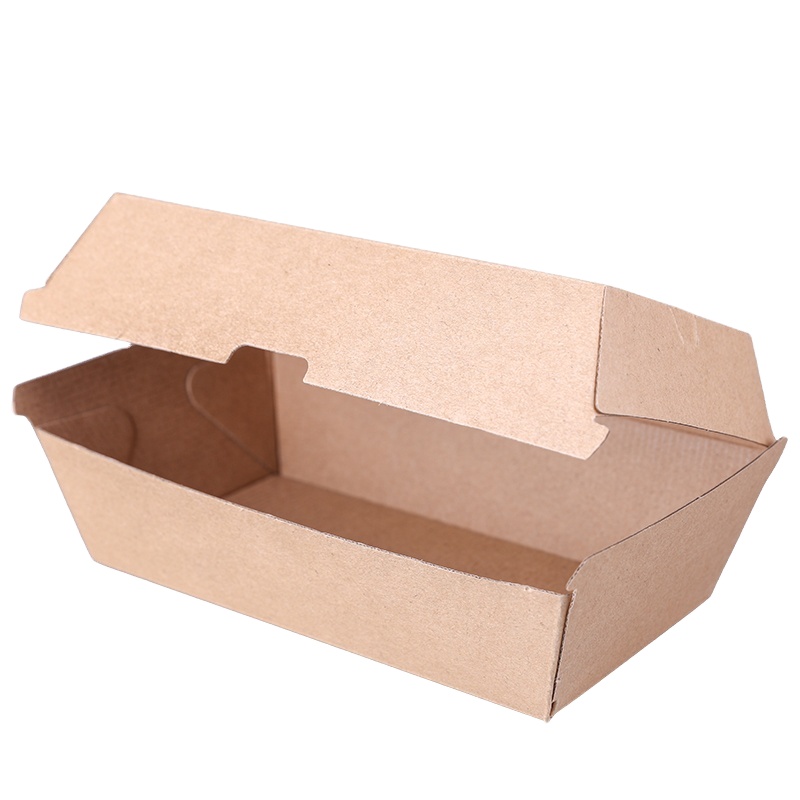
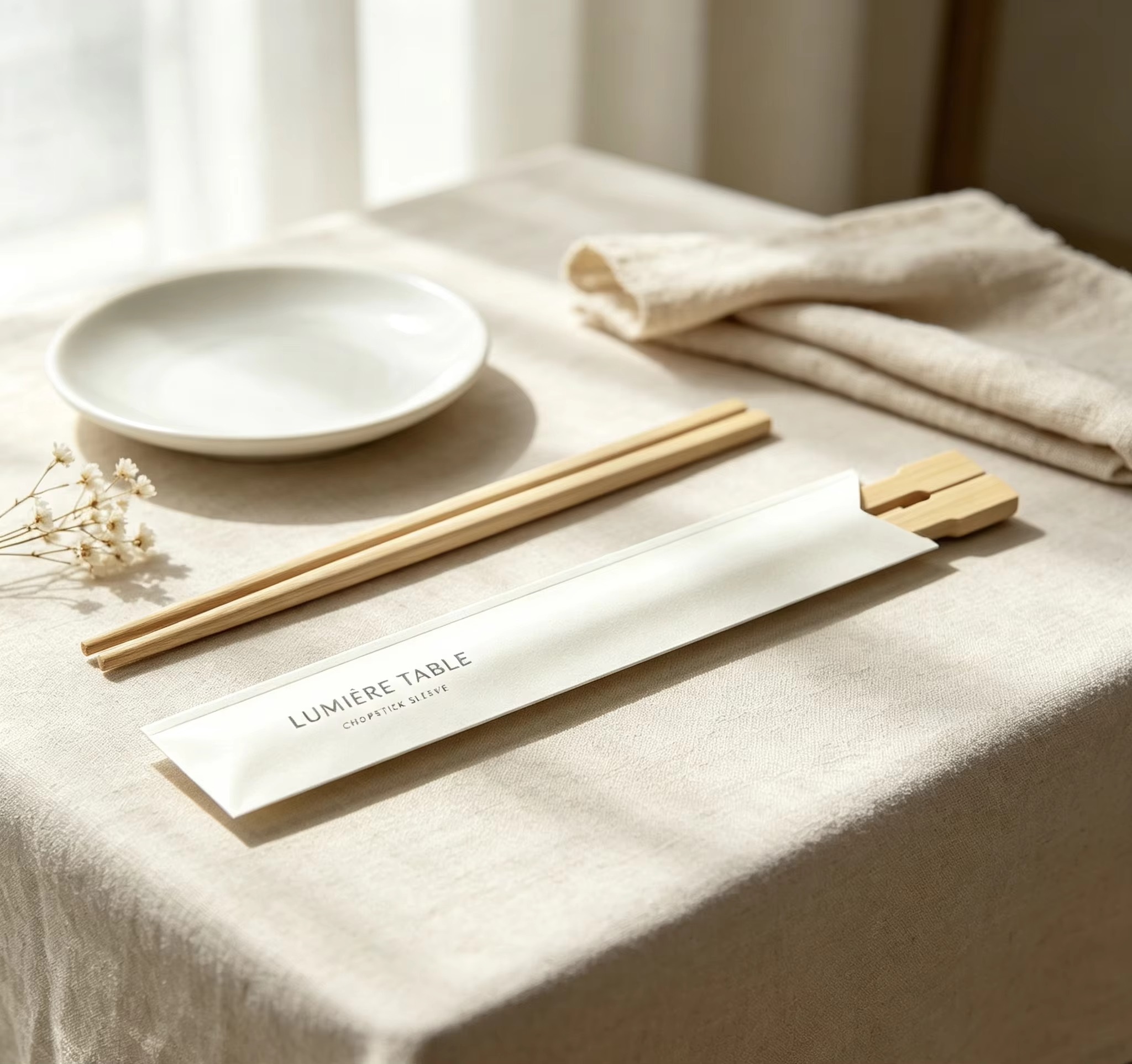
Source directly from Guangdong Pudse Packaging Technology Co., Ltd. Our integrated manufacturing spans thermoformed sugarcane bagasse, PE-barrier paper containers, high-clarity PET cups, and bespoke brand sleeves.



Engineering Excellence in Molded Fiber Tableware: The Chinese Export Paradigm
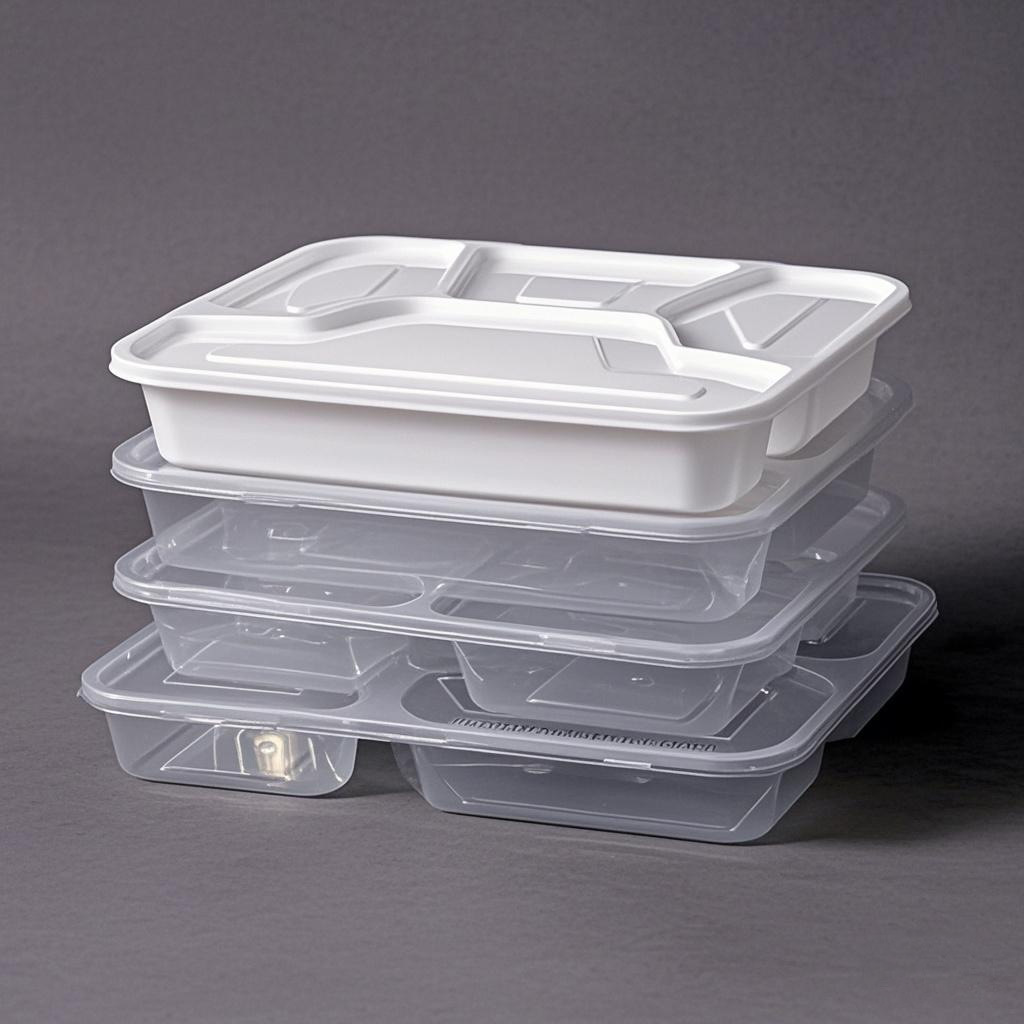
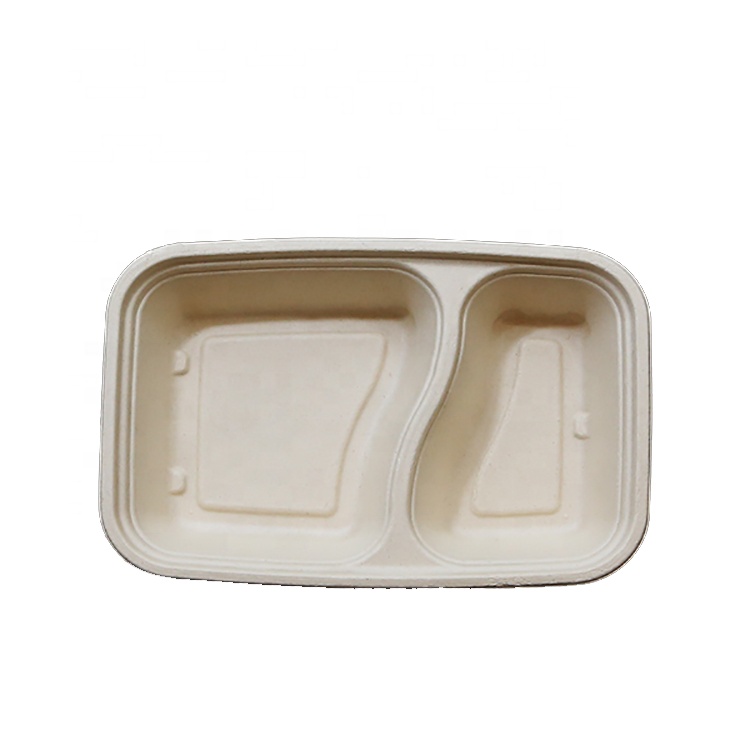
As the international catering, hospitality, and consumer packaged goods (CPG) sectors accelerate away from expanded polystyrene (EPS) and single-use petroleum polymers, molded sugarcane bagasse tableware has emerged as the definitive high-volume substitute. As a leading manufacturer based in Foshan, Guangdong, Guangdong Pudse Packaging Technology Co., Ltd. sits at the nexus of raw fiber accessibility, high-tonnage wet thermoforming processing, and proprietary surface-barrier chemistries. Sourcing from China's best bagasse tableware supplier requires a nuanced understanding of wet-pulp microstructures, cross-border per- and polyfluoroalkyl substances (PFAS) legislative bans, and production rheology.
Raw Material Rheology: Agro-Industrial Upcycling
Sugarcane bagasse is the non-edible, fibrous by-product that remains after the mechanical extraction of juice in sugar processing plants. Rather than contributing to biomass incineration or agro-landfills, this bagasse undergoes a closed-loop washing, screening, and refining regimen. Bagasse fiber consists of approximately 45%–55% cellulose, 20%–25% hemicellulose, and 18%–24% lignin. The structural elongation of these fibers provides superior tensile strength and interlocking density compared to traditional recycled wood pulp, offering intrinsic thermal resistance ranging from -20°C up to 100°C in direct contact with boiling broths and hot greases.
During our thermoforming cycle, wet bagasse slurry is drawn via high-vacuum suction onto custom-tooled precision aluminum bronze molds. Hydraulic pressures reaching up to 45 metric tons per station, paired with electrically calibrated upper-and-lower heating platens operating at 160°C to 200°C, drive instantaneous moisture dewatering and inter-fiber hydrogen bonding. The finished clamshells, plates, and bowls boast high wall uniformity, minimal flash defects, and exceptional rigidity under dynamic loads.
Performance Metrics: Material Selection Engineering
| Evaluation Parameter | Molded Sugarcane Bagasse | PE-Coated Kraft Board | Injection-Molded PP (#5) | Thermoformed PET (#1) |
|---|---|---|---|---|
| Thermal Range | -20°C to +100°C (Microwavable) | Up to +95°C (Short microwave) | -20°C to +120°C (Retort safe) | -30°C to +60°C (Cold beverage only) |
| Moisture/Oil Resistance | Waterproof / Oil-proof (Fluorochemical or Bio-coatings) | Polyethylene liquid barrier extrusion | Inherent hydrophobic barrier | Complete vapor and liquid lock |
| Compostability / End-of-Life | Industrial & Home Compostable (EN 13432 / ASTM D6400) | Specialized mill repulping needed | 100% Recyclable (#5 infrastructure) | Universally Recyclable (#1 streams) |
| Primary B2B Channels | Fast-casual takeout, festivals, corporate catering | Soup bowls, noodle pails, dry pastry wraps | Pre-portioned meal prep, freezer meals | Cold bubble tea, fruit smoothies, salads |
Global Sourcing & Procurement Trends (2025–2030)
Strategic B2B procurement professionals are navigating dramatic tectonic shifts across commercial food packaging supply chains:
- Strict PFAS-Free Legislative Deadlines: In both North America (state-level bans including California AB 1200, New York, and Washington) and the European Union (under broad REACH and PPWR directives), intentionally added fluorinated substances are rigorously penalized. Enterprise procurement officers are discarding suppliers relying on legacy short-chain fluorochemical oil repellents. Pudse leads this transition by deploying verified alkyl ketene dimer (AKD) and water-dispersible bio-wax functional coatings that achieve Kit Test 6–7 grease holdouts without fluorochemistry.
- Structural Light-Weighting and Stackability: Ocean freight dynamics dictate that volumetric shipping efficiency equates to container economics. Advanced tooling designs now incorporate taper angles between 5° and 8°, structural rigidity ribs, and nested denesting step shoulders to guarantee jam-free separation in high-speed automated packaging lines while maximizing twenty-foot equivalent unit (TEU) carton counts.
- Supply Chain Transparency and ESG Auditability: Corporate dining providers and supermarket conglomerates are bypassing intermediary trading entities in favor of direct manufacturer partnerships that can guarantee traceability from cane field bagasse collection to finished carton serialization.
Technological and Market Developments
The molded pulp manufacturing landscape is undergoing significant technical advancements:
- Next-Generation Fiber Blends: Forward-thinking exporters are blending bagasse with fast-growing bamboo fiber (typically a 70:30 bagasse-to-bamboo ratio). Bamboo's elongated tracheids enhance overall puncture resistance, yielding clamshell containers that withstand aggressive transit shaking without localized cracking.
- Precision Tooling & Molded Fit Tolerances: Historically, bagasse lids suffered from hydro-expansion during the drying phase, leading to loose cup and bowl seals. The development of CNC-machined micro-channel molds with integrated pressure-venting features allows lid snaps to achieve tolerances within ±0.3mm, matching the sealing performance of petroleum-derived PP/PET closures.
- Integrated In-House Finishing: While traditional bagasse producers outsource their printing and secondary box converting, premier Chinese operators like Guangdong Pudse have unified thermoforming, German Roland 4-color offset printing, post-press lamination, and die-cutting in-house. This enables complete brand uniformity across primary containers, outer cardboard sleeves, and protective shipping mailers.
Why Global Importers Partner with Pudse
Direct-from-factory precision, comprehensive industrial hardware, and streamlined export logistics located in the Dali Town packaging hub, Foshan, Guangdong.
⚙
Advanced In-House Roland Presses
Pre-press to post-press under one roof. Our German Roland 4-color offset press and 6+1 flexographic systems guarantee razor-sharp pantone color fidelity, foil stamping, and varnish finishes across your branded packaging assets.
🛡
PFAS-Free & Global Compliance
We engineer formulas tailored to your import market's specific chemical and food-contact criteria, matching FDA 21 CFR 176.170, EU 10/2011, BfR XXXVI, and European PPWR targets.
🚀
Rapid B2B Response Window (≤ 1h)
Speed to market is paramount. Our export department maintains a 100% verified response rate with actionable quotes, dielines, and technical parameters returned in under one hour during business shifts.
🏭
10,000–30,000 m² Physical Facility
Operating 4 high-capacity thermoforming molding bays, 6 automated die-cutting units, and automatic box glue lines manned by 51–100 seasoned production specialists in Foshan.
📦
End-to-End OEM & Dieline Design
From initial hand sketches or 3D STEP files to rapid prototype physical sampling within 5–7 days. We tailor snap locks, internal compartments, and secondary wrap-around sleeves to your requirements.
🚢
Port Proximity: Fast FCL / LCL Booking
Strategically situated in Dali Town, Nanhai District, Foshan, adjacent to Guangzhou and Shenzhen maritime hubs, allowing container rollouts with minimal domestic drayage costs.
Frequently Asked Questions on Bagasse Tableware Importation
Direct, technically rigorous answers addressing MOQs, chemical testing, container economics, and production protocols.
What are your baseline Minimum Order Quantities (MOQs)?
MOQs depend directly on manufacturing tooling. For custom-molded sugarcane bagasse tableware, the baseline is typically 10,000 to 20,000 units per SKU to optimize continuous slurry hydration lines. For stock catalog molds with custom packaging or printed cardboard wrap-around sleeves, MOQs can start as low as 1,000 to 2,000 units.
Can you certify that your bagasse tableware is completely PFAS-free?
Yes. In response to US State regulations and European Union PPWR frameworks, we offer fluorine-free formulations. Our technical department substitutes traditional fluorinated compounds with advanced food-grade waterborne acrylic dispersions or modified natural starch coatings that pass stringent total organic fluorine (TOF) laboratory screenings.
How do sugarcane bagasse containers hold up to high-temperature oil and water?
Standard thermoformed bagasse handles hot foods up to 100°C (212°F) without structural softening. When formulated with oil-resistant bio-additives, our tableware resists greasy gravies, fried items, and acidic sauces without seepage or softening throughout standard 60-to-90 minute delivery windows.
What is your mold tooling timeline and prototype sampling cost?
Custom dielines and 3D industrial container concepts are finalized within 48 hours. CNC prototype mold manufacturing and initial physical slurry samples require approximately 7 to 10 business days. Prototype tooling expenses are creditable against volume container rollouts upon contract execution.
What international trade terms and payment options do you support?
We provide full flexibility across Incoterms including FOB (Shenzhen/Guangzhou), CFR, CIF, FCA, CPT, and comprehensive DDP (Delivered Duty Paid) directly to your distribution center. Payment terms include T/T, Irrevocable L/C at sight, D/P, PayPal, and verified escrow transactions in USD, EUR, GBP, AUD, or CNY.
How are items packed to prevent ocean freight transit humidity damage?
Pulp products are sensitive to hygroscopic moisture absorption during long ocean transits. We seal items in thick polyethylene or compostable liner bags, packed into heavy-duty 5-ply double-wall corrugated cartons with high burst indexes. Cartons are stretch-wrapped and edge-protected on heat-treated ISPM-15 wooden or plastic pallets.
Ready to Upgrade Your Global Packaging Program?
Consult with our Foshan engineering and sales teams today. We will review your dielines, deliver technical samples, and construct a bespoke export strategy within one hour.
Send an Inquiry