2009
Industrial Heritage
Continuous operation in Foshan packaging cluster
30,000 m²
Production Footprint
Integrated moulding, coating & print facilities
≤ 1 Hour
Rapid Response Protocol
Direct engineering consultation for B2B RFQs
100% Zero-PFAS
Clean Chemistry Lineage
Certified EU 2024/1988 & US state-level compliance
Product Portfolio
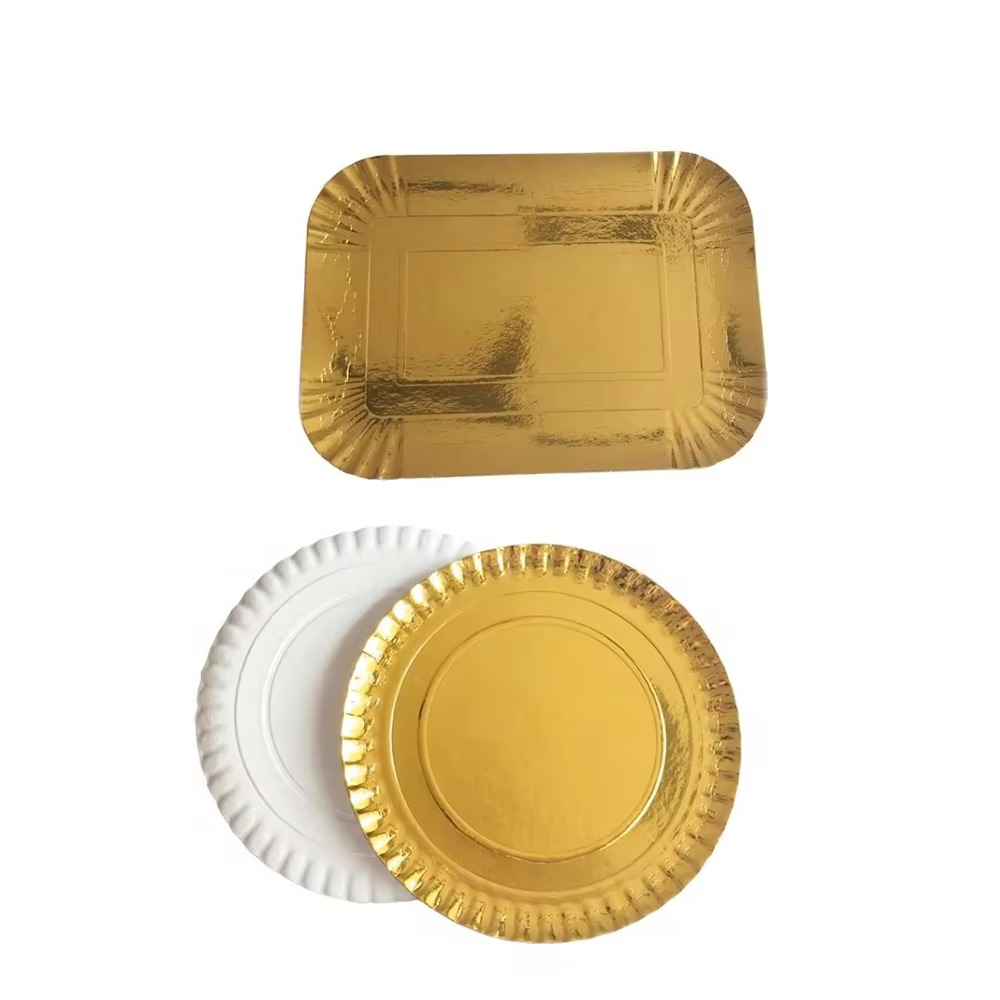
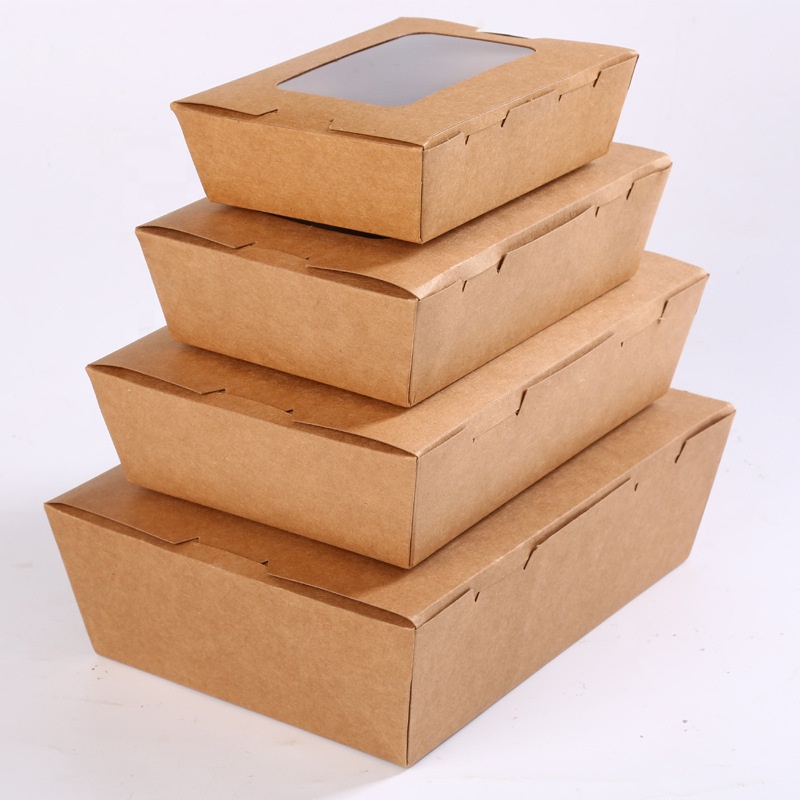
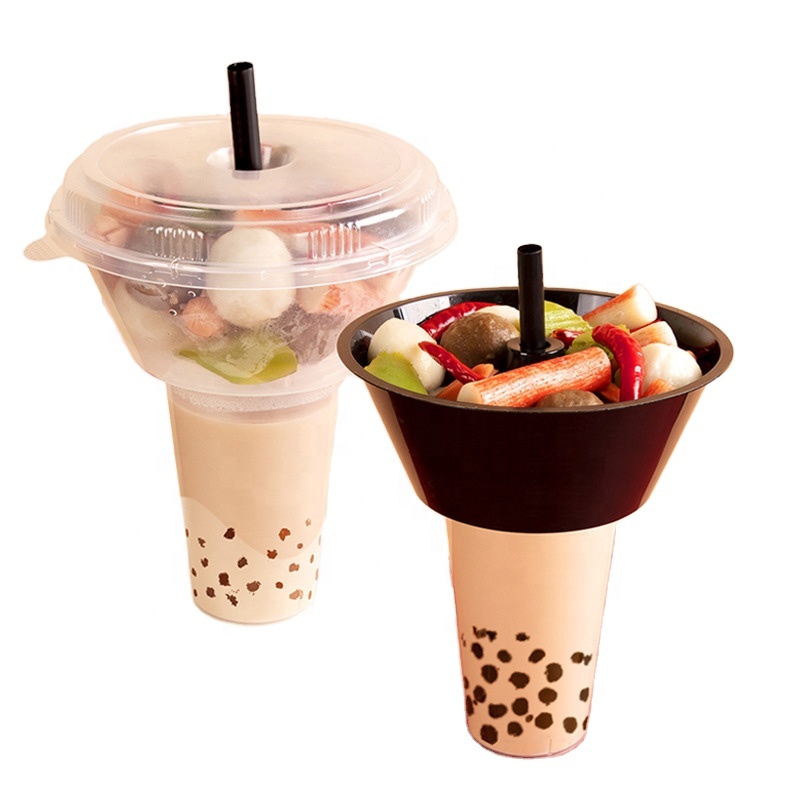
Core Commercial Food Packaging Architectures
Purpose-engineered containers designed to reconcile mechanical integrity, thermal stability, barrier performance, and end-of-life circularity for high-velocity commercial foodservice operations.




Market Dynamics & Procurement Forensics
Next-Generation Sourcing Trajectories in Sustainable Packaging (2025–2030)
Institutional procurement models are transitioning from basic material substitution to holistic regulatory compliance, chemical transparency, and lifecycle carbon accounting.
⚙️
PFAS Elimination Mandates & Fluorine-Free Chemistry
Across North America and the European Union, single-use food service packaging faces unprecedented statutory scrutiny under REACH and state-level bans (e.g., California AB 1200, New York ECL). Traditional fluorinated greaseproofing chemicals are actively regulated out of supply chains.
- Aqueous organo-silane and bio-wax dispersion coatings
- Enzymatically modified micro-fibrillated cellulose (MFC) barriers
- Mandatory total fluorine (TF) testing lower than 100 ppm
🌱
Agricultural By-Product Valorization (Sugarcane Bagasse & Bamboo)
Global forestry protection directives are shifting enterprise buyers away from virgin wood pulp toward rapid-renewal agricultural residues. Sugarcane bagasse presents a superior carbon-neutral raw material stream when converted through automated thermoforming.
- Post-milling waste valorization reduces supply chain Scope 3 emissions
- High tensile cellulose matrix provides natural crush and heat tolerance
- Moulding cycles optimized with energy-recovery vacuum hydration
📦
Functional Structural Optimization & Volumetric Densification
Rising multimodal maritime freight and warehouse cubic costs dictate structural design. Packaging engineers are deploying finite element analysis (FEA) to maximize stacking stability while reducing wall thickness and shipping cube displacement.
- Micro-embossed perimeter ribs eliminating container sidewall buckling
- Precision-tolerance friction fit nesting, yielding 25% carton volume savings
- Snap-locking leakproof closures replacing auxiliary plastic tamper tapes
Engineering Whitepaper
Substrate Barrier Performance & Decomposition Dynamics
Systematic comparison of dominant disposable food-contact substrate platforms under commercial hospitality, thermal processing, and post-consumer end-of-life parameters.
| Substrate Platform | Thermal Threshold (°C) | Lipophilic Barrier Index | Microwave Reheating | Primary Degradation Pathway | Optimal Commercial Deployment |
|---|---|---|---|---|---|
| Thermoformed Sugarcane Bagasse | -20°C to +120°C | High (Bio-dispersion or PFAS-free barrier) | Fully Compatible (≤ 3 min) | Industrial Compost (EN 13432 / ASTM D6400) ≤ 90 days | Heavy hot entrees, corporate catering, institutional cafeterias |
| Aqueous-Coated Kraft Board | -10°C to +100°C | Very High (Multi-layer water-based polymer) | Limited Reheat Exposure | Standard Paper Stream Repulpable / Recyclable | Noodle pails, salad bowls, takeout delivery dry-to-sauce ratios |
| Polypropylene (PP #5) | -20°C to +120°C | Impermeable Hydrocarbon Seal | Fully Compatible & Dishwasher Safe | Mechanical Polymer Recycling (Resin Code 5) | Meal prep programmes, high-liquid soups, industrial freezable kits |
| Polyethylene Terephthalate (PET #1) | -30°C to +60°C | Complete Gas & Moisture Barrier | Incompatible (Thermal Deform) | Standard Bottle & Thermoform Recycling Loop | Cold-pressed juices, iced boba tea, sliced fresh fruit medleys |
| Polylactic Acid (Bio-PLA) | -10°C to +45°C | Moderate Lipophobic | Incompatible (Tg ~55°C) | Industrial Composting Facilities Only | Cold drinking straws, clear window patches, deli lids |
Manufacturing Frontier
Industrial Upgrades in China's Modern Packaging Infrastructure
How Guangdong Pudse Packaging Technology Co., Ltd. deploys pre-press, moulding, and automated die-cutting infrastructure to ensure export uniformity.
🖨️
High-Precision German Roland Offset Lineage
Consistent B2B branding demands exact chromatic fidelity across repeat runs. Our facility integrates genuine Roland 4-color printing presses coupled with automated inline optical densitometers to maintain ΔE < 1.5 across large-volume production cycles.
- Food-grade soy and vegetable-based low-VOC offset inks
- Matte, high-gloss, spot UV, and hot foil stamping options
- Precision dieline registration preventing folding-edge crack lines
🏭
Multi-Station Automated Moulding & Trimming
Dimensional variation is the leading cause of lid-leakage in food container manufacturing. Our thermoforming bays leverage CNC-machined steel moulds with automated robotic trimming lines, keeping edge variation within ±0.2 mm.
- High-tonnage hydraulic hot-press consolidation ensures dense fibre walling
- Automated vacuum water-removal systems for thermal consistency
- Zero-touch packaging lines minimizing microbiological contamination
🧪
Rigorous Analytical Quality Control & Testing
Export compliance requires full trace verification. Every manufacturing batch undergoes calibrated physical and chemical stress validations to satisfy the stringent testing mandates of FDA 21 CFR 176.170 and EU Framework Regulation (EC) No 1935/2004.
- Cobb sizing test apparatus measuring water absorption kinetics
- Accelerated thermal-oil soak testing at 95°C for 30 minutes
- Edge crush test (ECT) and drop impact simulation for export cartons
Manufacturing Advantage
Why Global Importers & Enterprise Brands Rely on Pudse
Situated in Dali Town, Nanhai District, Foshan, Guangdong Pudse Packaging Technology Co., Ltd. operates at the center of South China's elite export manufacturing corridor.
🚢
Direct Access to World-Class Maritime Logistics
Our strategic manufacturing location in Foshan provides unimpeded container trucking routes to Guangzhou Port (Nansha) and Shenzhen Ports (Yantian and Shekou). This gives foreign importers flexible consolidation options and competitive ocean freight tariffs.
- Rapid LCL and FCL transshipment dispatch
- Complete customs declaration handling under diverse Incoterms
- Moisture-barrier pallet wrapping designed for long ocean journeys
🛡️
Integrated End-to-End Vertical Control
Unlike trading intermediaries that broker different operational steps across fragmented sub-contractors, Pudse maintains raw pulp preparation, sheet extrusion, printing, precision die-cutting, window patching, and boxing under a unified ISO 9001 governance structure.
- Complete dieline structural design and rapid prototyping within 72h
- Direct accountability eliminating cross-supplier manufacturing finger-pointing
- Consistent supply security via bulk raw substrate contracts
🤝
Flexible Commercial Terms for Importers
We work to lower capital and logistical friction for distributors, regional commissary kitchens, and private label chains through flexible MOQ structures and comprehensive international settlement options.
- Supported payment models: T/T, L/C, D/P, D/A, Credit Card, Escrow
- Multi-currency clearing: USD, EUR, GBP, AUD, CAD, JPY, CHF, HKD, CNY
- Incoterms support: EXW, FOB, CFR, CIF, FCA, CIP, DDP, and DDU
Procurement Knowledge Base
Frequently Asked Questions on Importing & Engineering
Direct technical answers to common questions about container tolerances, custom branding, minimum order quantities, and international trade compliance.
How does sugarcane bagasse hold liquids without a conventional polyethylene (PE) liner?
Sugarcane bagasse achieves liquid resistance through two complementary engineering mechanisms. First, high-tonnage hydraulic hot-press thermoforming produces an exceptionally dense, interlocking short-fibre cellulose matrix. Second, a food-grade, water-dispersed bio-barrier agent is blended directly into the wet pulp slurry before thermoforming. This provides hydrophobic and lipophobic protection throughout the entire wall structure without requiring a laminated plastic film, enabling the container to maintain structural rigidity up to 100°C.
Can our order be certified 100% fluorine-free (PFAS-free) for the European and US markets?
Yes. In response to European regulations (including EU 2024/1988) and US state laws (such as California AB 1200 and Washington State RCW 70A.400), we operate dedicated production runs that eliminate long-chain and short-chain per- and polyfluoroalkyl substances. We use non-fluorinated organo-silane and bio-emulsion oil-repellent systems, supported by third-party Total Fluorine (TF) test reports (showing levels below 100 ppm) from accredited laboratories like SGS or TÜV prior to export.
What are your tiered Minimum Order Quantities (MOQ) across different material categories?
MOQs are structured based on setup requirements:
- Stock items (Standard PP deli cups, standard unprinted kraft boxes): Starting from 10 to 500 units for immediate trial tests.
- Custom-printed kraft boxes, wrap sleeves, and paper bags: 1,000 to 5,000 units, utilizing our Roland offset and digital pre-press setups.
- Custom-moulded sugarcane bagasse containers: Typically 10,000 to 20,000 units. Custom geometries require CNC steel tooling and wet-slurry tank calibration, requiring continuous operational runs to balance production costs.
How do you prevent lid seal leakage during third-party delivery transport?
Lid-leakage issues usually stem from incompatible thermal expansion coefficients between lids and bowl rims. We address this through matched-tolerance engineering:
- PP containers use precision undercut snap-grooves that provide tactile closure feedback and resist internal vapor pressure.
- Bagasse bowls and clamshells use reinforced perimeter sealing beads and automated robotic perimeter trimming, maintaining rim planarity within ±0.2 mm to eliminate gaps.
- Dual-vent anti-fog lids allow excess steam to release while retaining condensation, preventing soggy food without spilling liquids.
What is your typical production lead time and ocean export schedule?
For repeat private-label orders, our standard production cycle is 15 to 22 calendar days from dieline sign-off. First-time bespoke toolings take 10 to 14 days for CNC mould engraving and initial sampling, followed by 20 days for mass thermoforming. Our location in Dali Town, Foshan allows container transport to Guangzhou or Shenzhen ports within 3 to 5 hours, ensuring smooth handoffs to designated ocean carriers.
How can overseas buyers verify factory capabilities before issuing an initial deposit?
We provide open, verified documentation to support your due diligence:
- Live, scheduled high-definition video plant tours covering our Roland printing facility, thermoforming bays, and QC testing stations.
- Direct access to our verified factory audit reports, ISO 9001 certificates, trade transaction levels, and third-party credit ratings.
- Pre-production sample kits shipped via express courier (DHL, FedEx) within 48 to 72 hours for fit, seal, microwave, and oil-barrier testing.