Precision-Engineered Foodservice Packaging Lineup
Engineered for high-throughput commercial kitchens, retail distributors, and institutional food logistics. Explore factory-direct units with validated thermal, barrier, and stacking thresholds.
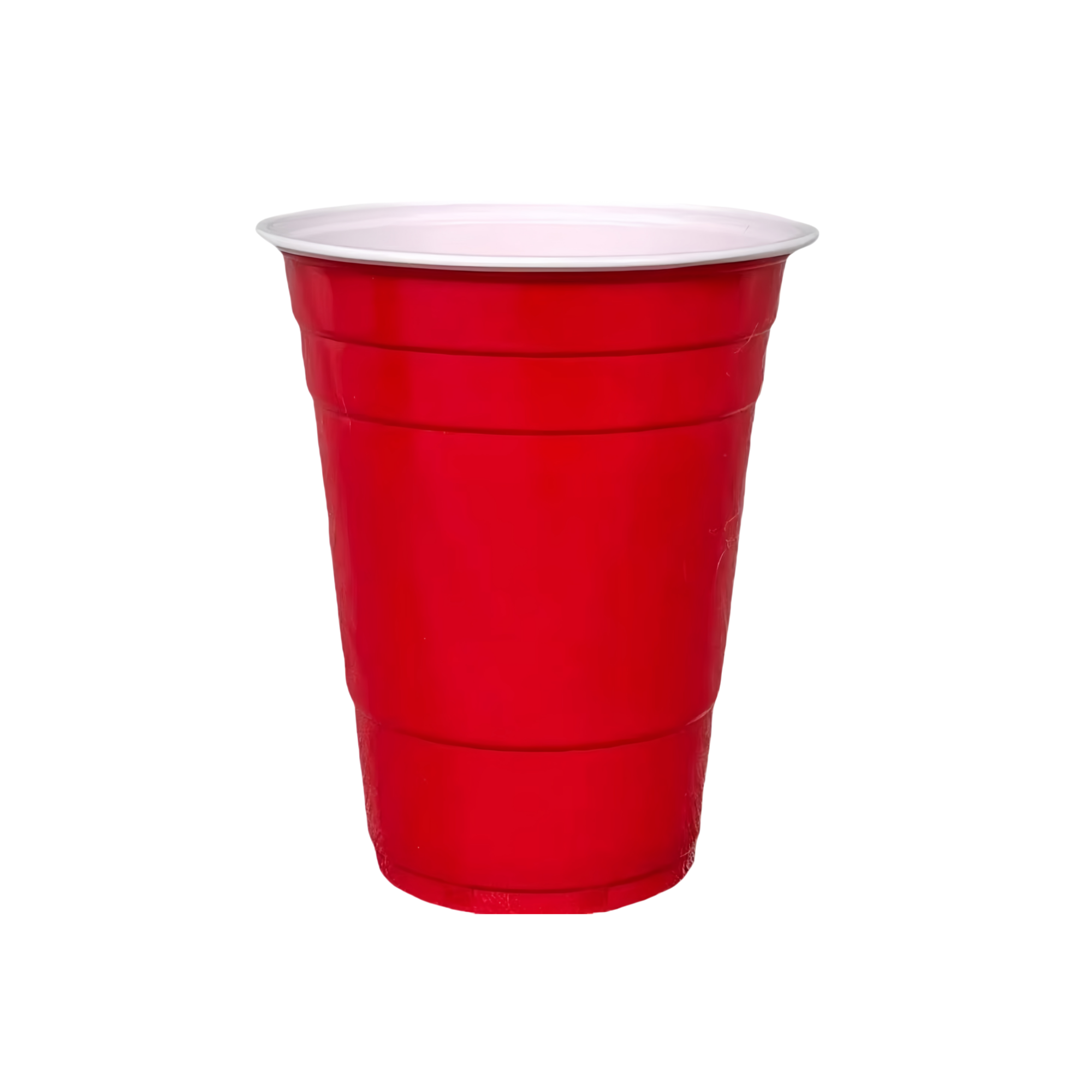
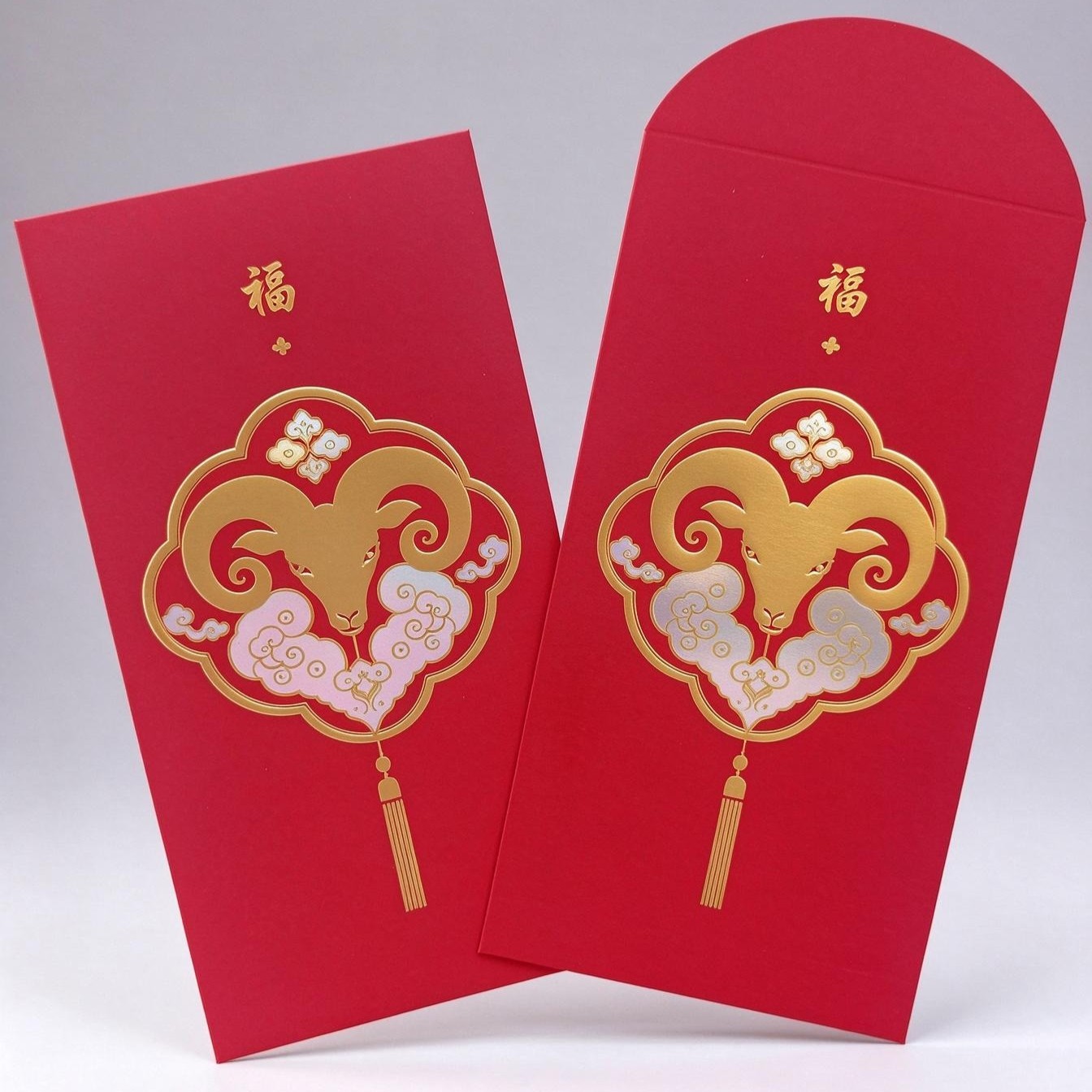
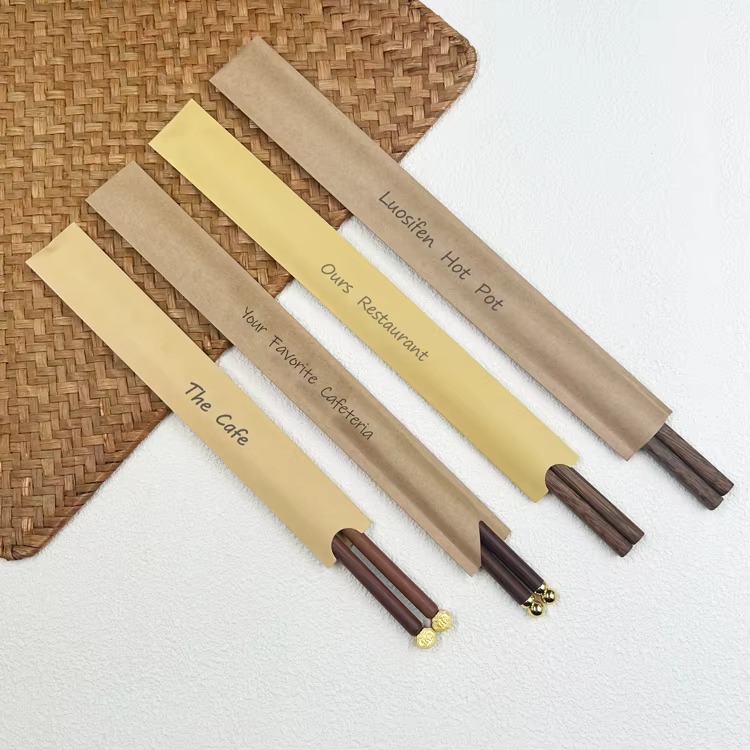
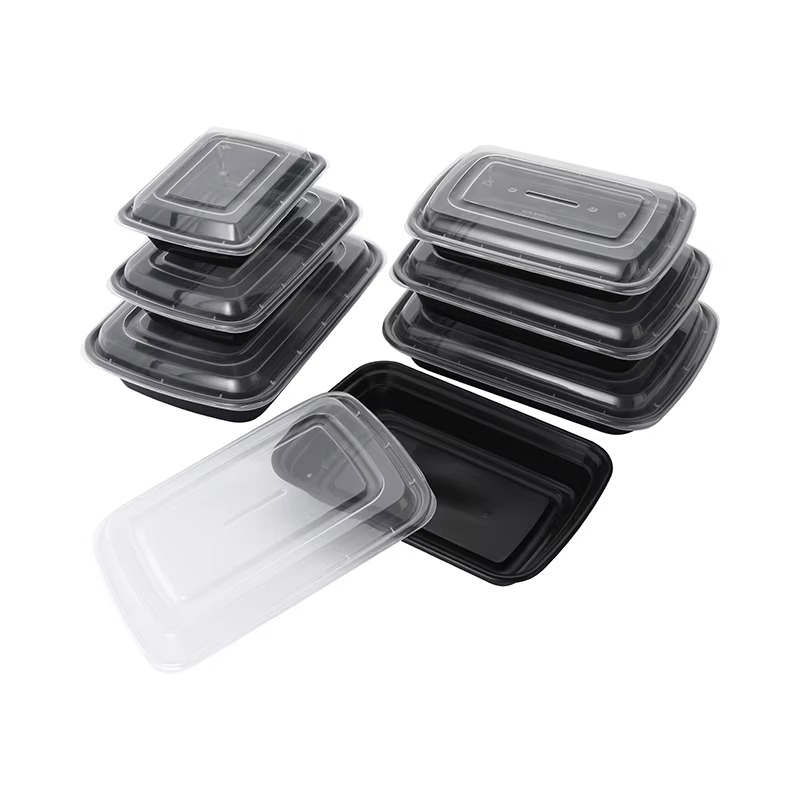


Navigating the International Food Takeout Packaging Supply Chain
A comprehensive analysis of raw material metallurgy, environmental compliance policies, manufacturing mechanics, and procurement risk mitigation for commercial procurement specialists.
The global off-premise dining, catering logistics, and ready-to-eat meal sectors have evolved past simple utilitarian packaging. Institutional buyers today must balance structural rigidities, brand equity expression, micro-thermal insulation properties, and stringent multi-jurisdiction regulatory criteria. As the manufacturing epicenter for food-grade paperboard and thermomolded resin containers, Guangdong Pudse Packaging Technology Co., Ltd. (operating from Foshan, Guangdong) provides international supply chains with technical transparency, predictable containerized logistics, and chemical safety assurances.
Future Procurement Trends Reshaping the Global Landscape (2025–2030)
Procurement directors sourcing from China are actively diversifying substrate portfolios to insulate operations from legislative shocks and resin price volatilities. Sourcing intelligence reveals three deterministic vectors:
1. Absolute Elimination of Fluorinated Surfactants (PFAS-Free)
Traditional oil-repellent treatments in molded sugarcane bagasse and high-density paper containers relied on per- and polyfluoroalkyl substances. The next frontier involves aqueous silicone dispersion coatings and densified mechanical fiber matrices that achieve Cobb60 water absorption < 20 g/m² and Kit 7+ oil resistance without chemical persistency.
2. Monomateriality & De-inking Optimization
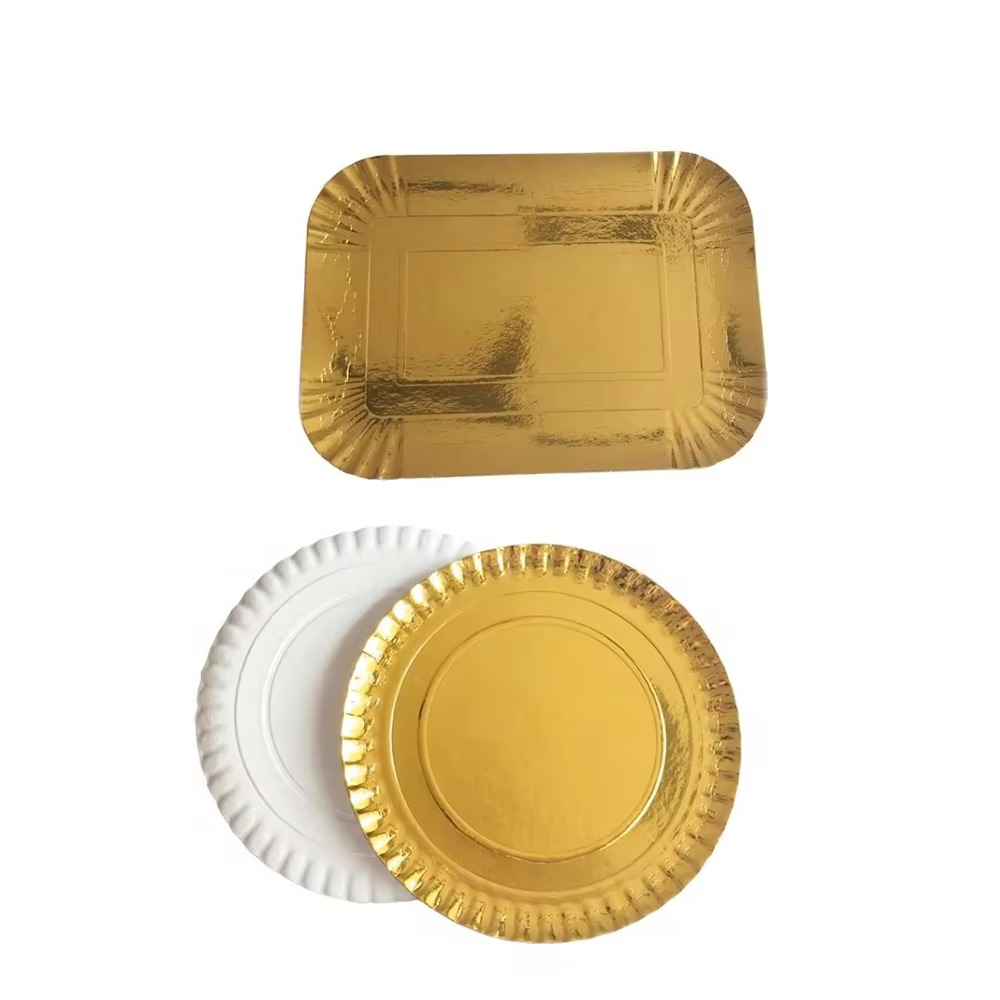
Complex multi-layer laminates (such as metallized PET laminated to bleached cardboard) are being phased out in favor of mono-polypropylene (#5) meal kits with mineral-modified bases, or repulpable aqueous-coated unbleached kraft paperboard designed to feed directly into municipal OCC (Old Corrugated Containers) recycling streams.
3. High-Density Nesting & Freight Optimization
With international ocean freight maintaining baseline variance, container nestability directly impacts landed unit margins. Next-generation dielines and low-draft-angle injection molds decrease vertical stacking pitch by up to 28%, significantly driving up shipping carton piece count and ocean container TEU load capacity.
Technical Substrate Matrix: Thermal, Structural, and Environmental Criteria
To avoid costly product performance failures in transit or upon delivery, cross-reference your specific culinary menu requirements with our substrate mechanical performance indices below:
| Substrate Material | Operational Temperature | Tensile / Flexural Rigidity | Moisture / Lipid Barrier | Microwave / Freezer Safe | Target Regulatory Alignment |
|---|---|---|---|---|---|
| Molded Sugarcane Bagasse | -20°C to 120°C | High compression strength, rigid form | Aqueous or bio-coating dependent | Microwavable / Refrigerator Ready | EN 13432, ASTM D6400, BPI Certified |
| Virgin Unbleached Kraft | -10°C to 100°C | High tear resistance, folding durability | Water-based dispersion / Food-grade PE | Reheating Only / Flash Freeze | FDA 21 CFR 176.170, EU 1935/2004 |
| Homopolymer Polypropylene (PP #5) | -20°C to 125°C | Flexible, exceptional impact resistance | Absolute vapor and grease barrier | Full Microwave & Deep Freezer Safe | EU 10/2011, US FDA Direct Contact |
| Amorphous Polyethylene (APET #1) | -30°C to 65°C | High tensile stiffness, optical clarity | Impermeable to aromas and fluids | Not Microwavable / Sub-zero Safe | Fully Recyclable Stream (Code 1) |
Manufacturing Advancements: In-Mold Labeling (IML) and Pre-Press Automation
Historically, private-label customization of takeout packaging presented difficult tradeoffs between Minimum Order Quantities (MOQs) and graphical fidelity. Surface printing on pre-formed PP clamshells was frequently susceptible to scuffing and moisture dissolution in condensation-heavy deliveries. Our facility resolves this via integrated post-press and in-mold techniques.
Through our dedicated in-house German Roland 4-color offset press suite and precision 6+1 flexographic stations, brand owners obtain razor-sharp halftone color calibration (Delta E < 1.5 tolerance). For high-volume injection-molded meal prep lines, our In-Mold Labeling (IML) technology fuses PP labels directly with the container wall during cavity thermoforming. This yields a single-material recyclable container that is 100% immune to peeling, freezer flaking, or thermal distortion.
Guangdong Pudse Packaging Technology Infrastructure
Positioned directly in Dali Town, Nanhai District, Foshan, Guangdong, our industrial complex unites pre-press, structural dieline engineering, high-speed molding, and port-adjacent export consolidation.
Fully Integrated Pre-to-Post Press
Direct deployment of Roland 4-color offset machinery, combined with 4 high-tonnage molding assets, 6 die-cutting centers, and automated high-speed carton folder-gluers ensures absolute quality control without third-party outsourcing delays.
Onsite-Verified Trade Credibility
Our verifiable operational history since 2009 is backed by a consistent 4.9/5 buyer satisfaction index, an official credit report profile, a 17% organic customer reorder rate, and US$5M–$10M in audited annual export transaction turnover.
Global Export Clearance Agility
Strategic geographic access to Guangzhou and Shenzhen maritime loading ports. Full logistical execution across comprehensive Incoterms including FOB, CIF, CFR, DDP, and DDU with multi-currency handling (USD, EUR, GBP, AUD, CAD, JPY, CNY).
Frequently Asked Questions: Sourcing Food Takeout Packaging
Authoritative answers addressing engineering parameters, minimum volume thresholds, mold tooling lead times, and regulatory protocols.
Q: What are your tiered Minimum Order Quantities (MOQ) across varying materials?
A: Our MOQ structure is strictly linked to manufacturing economics and changeover run costs. For stock standard polypropylene (PP) deli cups and food prep containers, orders start as low as 10 to 150 pieces. Custom-printed paperboard sleeves, folding bakery boxes, and custom branded carry-bags typically begin at 500 to 2,000 units. Molded sugarcane bagasse items and bespoke PE/aqueous-coated kraft production runs mandate 10,000 to 20,000 units due to dedicated pulp hydration lines, continuous heat-cure tooling, and inline rotary coating setups.
Q: How does your plant maintain structural leak resistance with hot broths and oily foods?
A: Leak integrity is governed by lid bead tolerance engineering and barrier selection. Our PP containers utilize precision robotic tooling producing dual-ring snap-fit seals capable of holding liquids up to 100°C under dynamic agitation. For paperboard and bagasse, we formulate customized food-contact linings (including bio-based PLA and fluorochemical-free water dispersions) that withstand fatty acids at high temperatures without delaminating or softening at the base fold corners.
Q: Can you support full OEM structural development, custom embossed tooling, and color proofs?
A: Yes. We manage an end-to-end industrial packaging design department. We provide clients with custom dielines (AI/CAD), digital 3D rendering, and rapid functional 3D resin prototyping within 48 to 72 hours. Our printing facility supports pantone spot-color matching via German Roland offset presses, along with selective matte/gloss lamination, hot foil stamping, structural embossing, and window patching options.
Q: What certifications and testing standards govern your export packaging shipments?
A: Every production batch is produced under ISO 9001 quality framework guidelines utilizing pristine, non-recycled food-contact grade virgin pulps and polymers. Finished SKUs undergo third-party lab verification (SGS, TÜV, Intertek) to confirm compliance with FDA 21 CFR 177.1520 (olefins), FDA 176.170 (paperboard), European Commission Regulation (EU) No 10/2011, and German LFGB food contact migration thresholds.
Q: What are the lead times for prototyping, tooling fabrication, and containerized mass production?
A: Physical dieline samples with digital artwork proofs require 3 to 5 business days. Bespoke thermoforming or injection mold tooling development requires 15 to 25 calendar days, inclusive of pilot sample validation. Upon master sample sign-off, standard 40ft High Cube (HQ) container volumes are manufactured, quality-audited, palletized, and loaded for port transport within 20 to 28 days.
Accelerate Your Food Packaging Supply Chain Efficiency
Consult with our Foshan engineering and supply team for competitive container volume tiering, complimentary CAD dielines, physical sample kits, or custom quotation proposals.
Get a Quote