Export-Grade Kraft Paperboard & Eco Solutions
Engineered to balance stacking compressive strength, superior moisture and grease barrier properties, and strict international food-contact safety compliance.
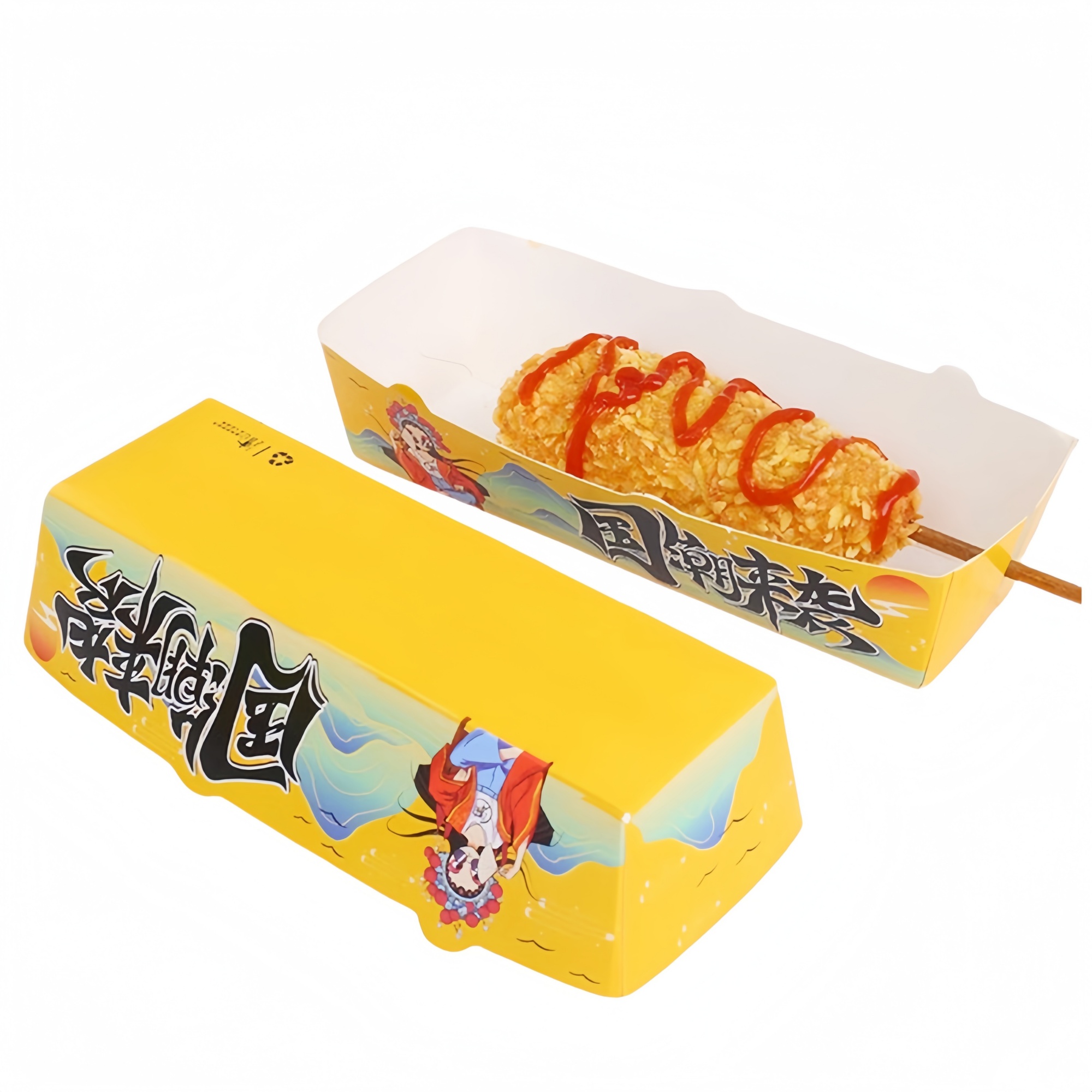
Custom Food Grade Art Paper Folders 2mm Recyclable Paperboard Packaging
- 2mm rigid recyclable paperboard base
- Matt/glossy lamination & UV gold foil
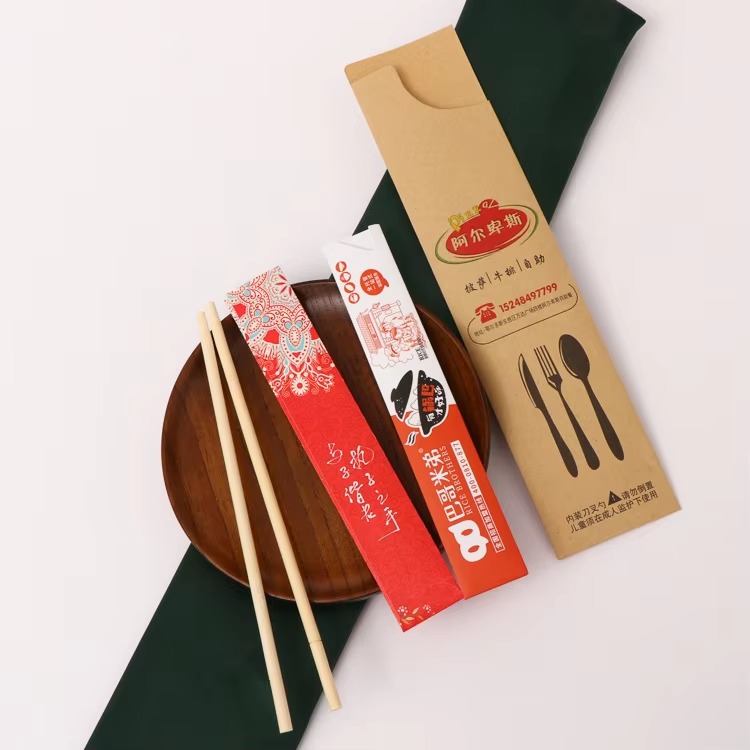
Eco-Friendly Disposable Chopstick Paper Covers Biodegradable Packaging
- Natural wood pulp, 100% biodegradable
- Soy-based flexographic color printing

Customizable Kraft Paper Bag for Restaurant Takeout Food
- 120–150 gsm virgin brown kraft stock
- Reinforced base & twist-handle weld

Wholesale YANFENG 70 Gsm Eco Kraft Honeycomb Paper Cushioning Roll
- Plastic bubble-wrap alternative
- 1:1.6 expansion ratio, dynamic shock buffer

Recyclable PP Nonwoven Cake Packaging Bag Custom Logo Print
- Ultrasonic hot-pressed handle integration
- Thermal retention & structural stability
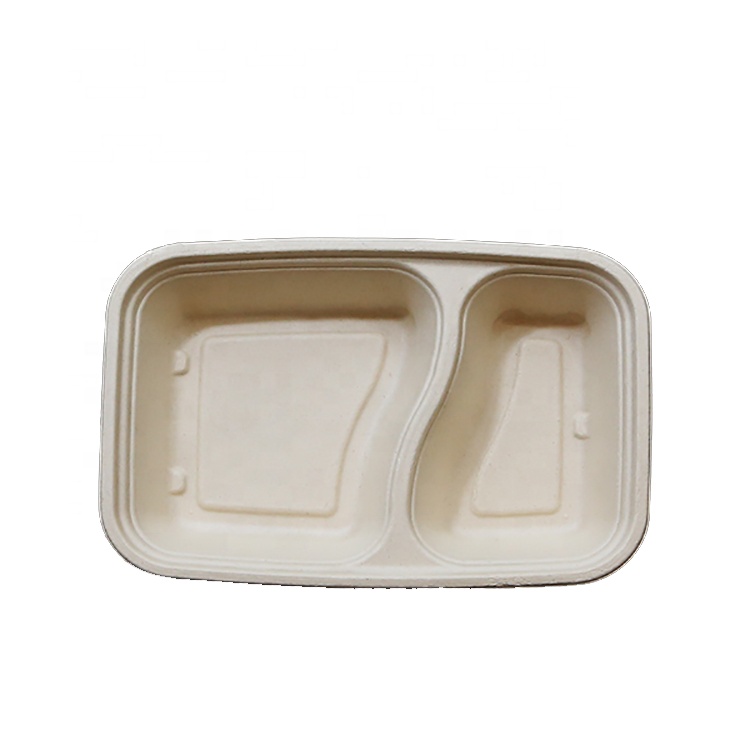
36oz Sugarcane Bagasse Two-Compartment Lunch Box with Lid
- Dry-pressed sugarcane agricultural by-product
- Microwave safe (-20°C to 120°C) PFAS-free
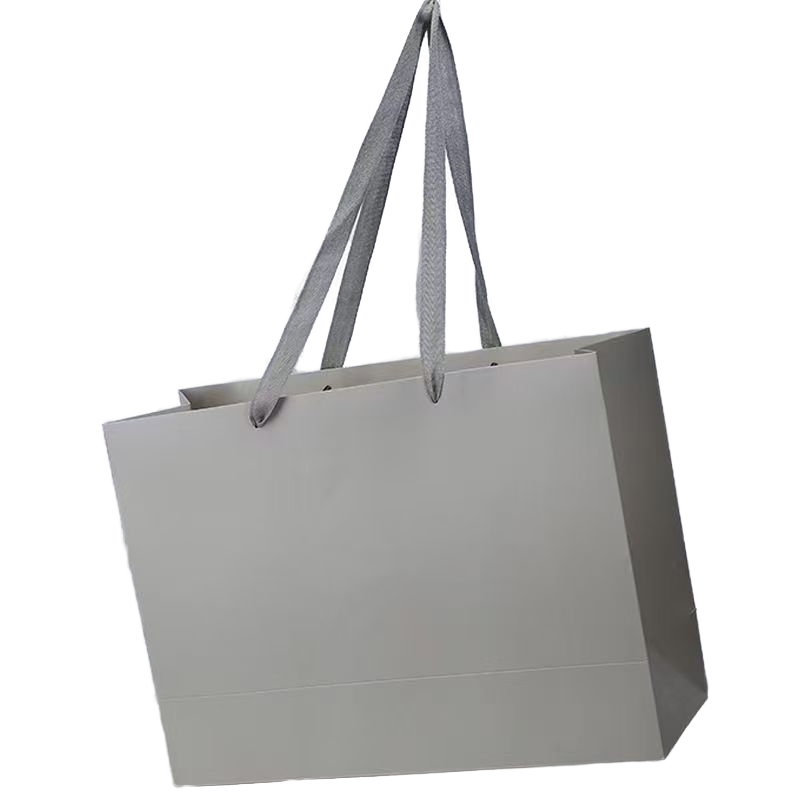
Eco-Friendly Art Foil Stamping Logo Printed Luxury Gift Bag
- Custom metallic hot-foil application
- Grosgrain/cotton ribbon handle fittings

Leakproof Kraft Paper Aircraft Foldable Takeaway Food Boxes
- Integrated web-corner anti-leak construction
- Food-grade water-based barrier or PE barrier
Why Global Brands Partner with Pudse Packaging
Operating out of the Foshan packaging nexus in Guangdong, China, Guangdong Pudse Packaging Technology Co., Ltd. integrates raw fiber procurement, offset lithography, robotic die-cutting, and end-of-line verification under ISO 9001 quality systems.
German Roland Offset Printing Fleet
Equipped with high-precision Roland 4-color presses and 6+1 UV printing lines. We maintain spectroscopic Delta E (ΔE) color variances below 1.5 across consecutive manufacturing runs, ensuring razor-sharp reproduction of brand pantones, fine micro-text, and protective aqueous overprint varnishes.
Strategic Port Logistical Hub
Situated in Dali Town, Nanhai District, Foshan, our plant sits directly adjacent to Guangzhou and Shenzhen deep-water container terminals. We optimize FOB, CIF, and door-to-door DDP transit cycles, achieving rapid ocean feeder clearance for major trade routes across North America, Europe, and Asia-Pacific.
PFAS-Free & Global Compliance
Full-spectrum food-contact certification backing including US FDA 21 CFR §176.170/180, EU Regulation (EC) No 1935/2004, and strict adherence to incoming EU PPWR guidelines. All aqueous barriers and pulp matrices are verified completely free of per- and polyfluoroalkyl substances (PFAS).
Technical Mechanics of High-Performance Kraft Paperboard
In modern industrial packaging conversion, kraft paperboard stands as the optimal benchmark for structural strength-to-weight efficiency. Originating from the German term kraft (meaning strength), the chemical sulfate digestion process preserves the structural integrity of virgin softwood cellulose fibers by removing native lignin without degrading polymer chain lengths. The resultant unbleached kraft paperboard (UKP) displays exceptional tensile energy absorption (TEA) and tear factors compared to standard semi-chemical and recycled mechanical slurries.
When selecting paperboard specifications for corrugated box conversion or folding carton boxboard, procurement engineers must evaluate mechanical metrics that dictate structural durability under vertical compression and environmental fluctuations during ocean freight. Primary physical indices include the Edge Crush Test (ECT) according to ISO 3037 / TAPPI T 811, Mullen Burst Strength (ISO 2759), and the Ring Crush Test (RCT) of fluting liners. The Cobb60 value—measuring the surface water absorption mass in g/m² over a 60-second exposure—determines how effectively untreated board or surface-sized kraft resists softening under high relative humidity (>85% RH) inside maritime shipping containers.
Comparative Material Performance Matrix
To assist packaging engineers and supply chain directors in sourcing the exact substrate matching their logistics profile, the following data matrix cross-evaluates dominant industrial packaging materials produced across our Foshan plant:
| Packaging Substrate | Caliper & Basis Weight | Tensile / Stacking Factor | Thermal Stability Range | Barrier Chemistry | Primary Regulatory Fit |
|---|---|---|---|---|---|
| Virgin Kraft Paperboard | 250–450 gsm (Folding Box) | High TEA & stiffness ratio | -20°C to 100°C | Water-dispersed / PE coating | FDA 21 CFR §176.170, EU PPWR |
| Corrugated Kraft (B/E Flute) | 1.5mm – 3.0mm thickness | ECT 4.5 – 8.2 kN/m | Ambient logistics | Starch glue, anti-humidity size | ISTA 3A, ASTM D642 BCT Test |
| Sugarcane Bagasse Pulp | 350–600 gsm molded pulp | Rigid shell, low flexibility | -20°C to 120°C (Microwave) | PFAS-free intrinsic alkyl ketene | EN 13432, ASTM D6868 Home Compost |
| Thermoformed Polypropylene (#5) | 400–850 μm film thickness | High elongation at break | -20°C to 125°C (Dishwasher) | Intrinsic plastic polymer | US FDA, EU No 10/2011 Food Contact |
| Recyclable Honeycomb Kraft | 70–120 gsm paper cells | High dynamic cushioning | Dry freight environment | Non-toxic biological adhesive | 100% Curbside Paper Recycling |
Barrier Chemistry: Moving Beyond Traditional PE Extrusion
Historically, poly-coated kraft boxes utilized thin 12–18 gsm low-density polyethylene (LDPE) films laminated onto interior paperboard walls to prevent oil leaching and sauce penetration. However, the LDPE polymer matrix creates mechanical separation hurdles during standard municipal hydropulping repulping operations. In response to European Union single-use plastics frameworks and North American municipal mandates, Pudse has advanced Aqueous Dispersion Barrier Coatings (ADBC) and Bio-Polymer PLA Formulations. Water-based bio-coatings penetrate micro-porosities across the paper fibers, creating a cross-linked barrier against hydrophilic liquids and hydrophobic fats without inhibiting 100% curbside repulpability.
Future Trends in Global Kraft Box Sourcing (2025–2030)
Supply chain disruptions, tightening environmental mandates, and automation demands are transforming how enterprise procurement teams negotiate packaging contracts.
Compliance with EU PPWR Directives
The EU Packaging and Packaging Waste Regulation (PPWR) enforces mandatory Design for Recycling (DfR) performance grades and mandates drastic reductions in empty packaging volume ratios. Procurement officers are rapidly phasing out oversized boxes in favor of engineered custom dieline footprints that reduce void-fill waste and lower carbon transport footprints.
Universal PFAS Elimination
With broad state bans in the United States and evolving European chemical restrictions under REACH, per- and polyfluoroalkyl substances previously used for oil-grease resistance are obsolete. Advanced fluorine-free siliconized paperboards and aqueous polymers now deliver kit ratings of 8 to 12 without chemical persistence risks.
Automated Carton-Erecting Optimization
Enterprise logistics hubs and central kitchens are deploying automated high-speed carton erectors. This necessitates microscopic die-cut creasing tolerances (±0.3mm) and specialized folding carton memory to prevent carton jams in packaging automation machinery operating at speeds above 80 units per minute.
Consolidated Material Sourcing
Multinational restaurant and retail groups are moving away from fractured multi-vendor supply pools. By consolidating kraft folding cartons, molded bagasse lunch boxes, paper bags, and shipping mailers with a single vertically integrated manufacturer like Pudse, importers cut administrative overhead and optimize ocean container space via mixed FCL freight.
FSC Certified Chain of Custody
Institutional ESG auditing now demands granular origin verification for virgin wood pulp. FSC (Forest Stewardship Council) certified chain of custody guarantees that fiber inputs originate from sustainably managed forests, shielding global brands against anti-deforestation regulatory penalties (EUDR).
Eco-Friendly Luxury Embellishments
The e-commerce unboxing experience has driven massive demand for premium tactile finishes applied to organic kraft paperboard. Solvent-free cold foil transfers, deep debossing, precision laser die-cutting, and soy-ink silk-screen detailing allow brands to deliver luxury presentations without undermining board recyclability.
Procurement FAQ: Importing Kraft Boxes from China
Essential technical, financial, and logistical insights to guide international procurement managers, distributors, and custom brand owners.
What is the typical Minimum Order Quantity (MOQ) structure?
MOQ correlates directly with machine tooling calibration and board sheeting runs. For stock kraft paper containers or generic unprinted sizes, MOQ starts as low as 500 to 1,000 units. For custom-printed folding boxes, aircraft takeaway cartons, and custom foil-stamped mailers requiring our Roland 4-color offset press runs, the standard production MOQ ranges between 5,000 and 10,000 units to amortize plate setup and cutting die expenditure efficiently.
How do you guarantee color fidelity and print registration accuracy?
We employ computerized pre-press plate imaging systems paired with in-line spectroscopic scanning on our Roland offset presses. Color density is calibrated against official Pantone Formula Guides (PMS solid coated/uncoated). Print proofs (digital PDF, physical EPSON digital proof, or custom wet press sample) are signed off prior to mass cylinder impression, maintaining registration tolerances within ±0.1mm.
Can your kraft food boxes handle hot greasy foods without leaking?
Yes. Our aircraft-foldable boxes and round kraft bowls utilize high-integrity interior barrier treatments—available in either conventional food-grade PE lining or next-generation aqueous bio-coatings. Furthermore, our folding boxes feature continuous web-corner die geometries that eliminate cut slits along bottom perimeters, ensuring 100% containment of hot broths, oils, and sauces up to 100°C.
What testing reports are available for customs and regulatory compliance?
We supply comprehensive batch-specific certificates of analysis (COA) and third-party laboratory certifications executed through SGS, TÜV, or Intertek. Document portfolios include FDA 21 CFR food contact compliance, overall migration limits (OML) per EU No 10/2011, heavy metals screening (CONEG / 94/62/EC), and certified PFAS-free total fluorine combustion testing (<50 ppm).
What are the lead times for prototyping and full production orders?
Structural CAD dielines are supplied within 24 hours. Physical unprinted structural white samples take 2–3 business days. Pre-production printed samples require 5–7 days for plate making and press proofing. Following sample sign-off and deposit receipt, mass production lead times generally range between 15 and 25 calendar days, contingent on order volume and complex post-press finishes.
Which Incoterms and international payment terms are supported?
We support a full spectrum of global trade conditions: FOB (Shenzhen / Guangzhou / Foshan), CFR, CIF, and full door-to-door DDP arrangements with all customs clearance and tariffs settled. Accepted payment modalities include secure telegraphic transfer (T/T: 30% deposit, 70% against Bill of Lading copy), Irrevocable Letters of Credit at sight (L/C), and verified Alibaba Trade Assurance escrows.
Initiate Your Packaging Procurement RFQ
Collaborate with China's dedicated kraft paper box manufacturer. From dieline engineering and laboratory compliance verification to high-speed mass production and global container logistics, our engineering sales team is ready to analyze your custom requirements.