Engineered Food Packaging Portfolio
Direct-from-factory solutions engineered for institutional catering, rapid-turnaround QSRs, delivery kitchens, and international retail brands.
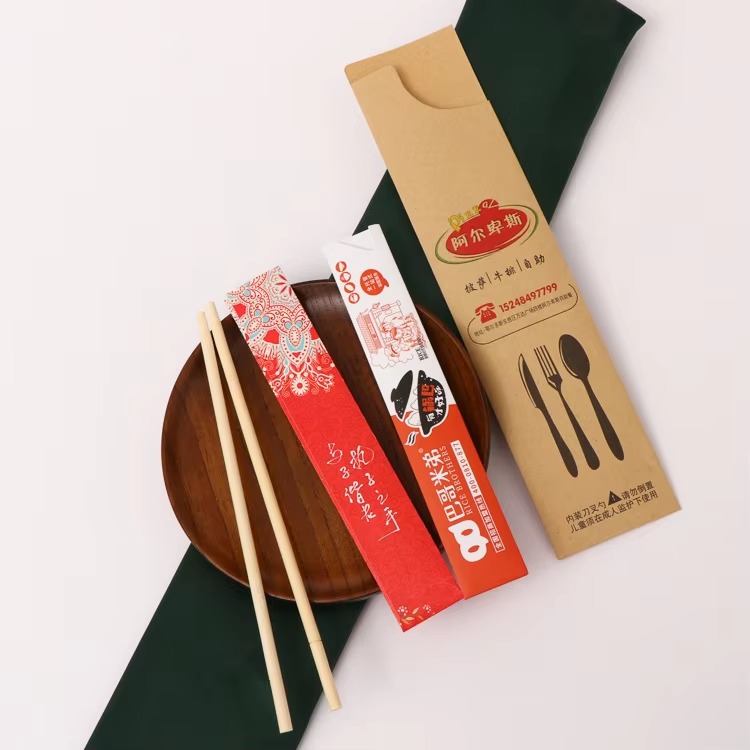
Eco-Friendly Disposable Chopstick Paper Covers Biodegradable Tableware Packaging
- Food-grade virgin wood pulp paper
- Custom precision flexo printing
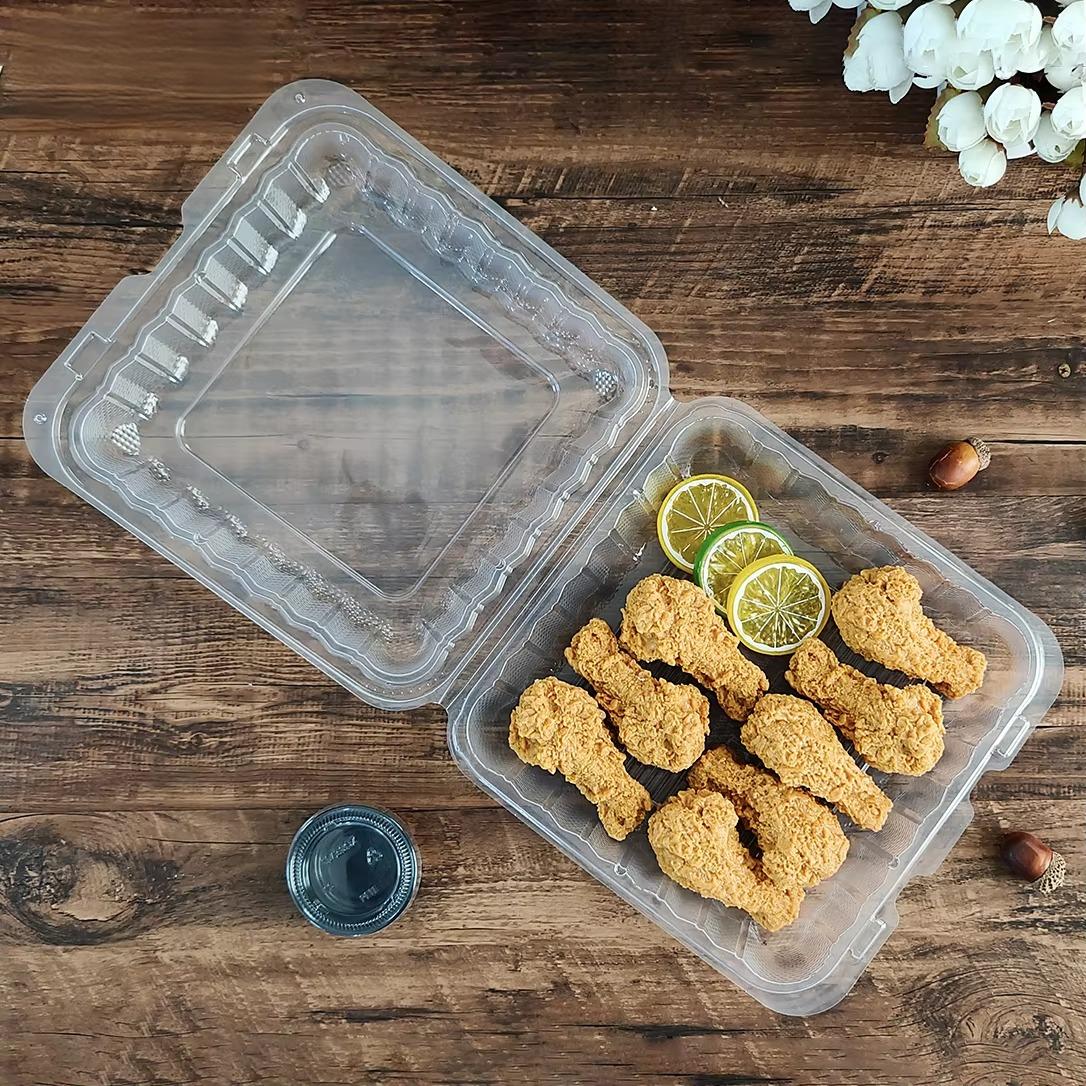
9 Inch 1 Compartment PP Plastic Bento Lunch Catering Clamshell Disposable Meal Prep Box
- BPA-Free #5 Virgin Polypropylene
- Tight-locking anti-fog hinged lid
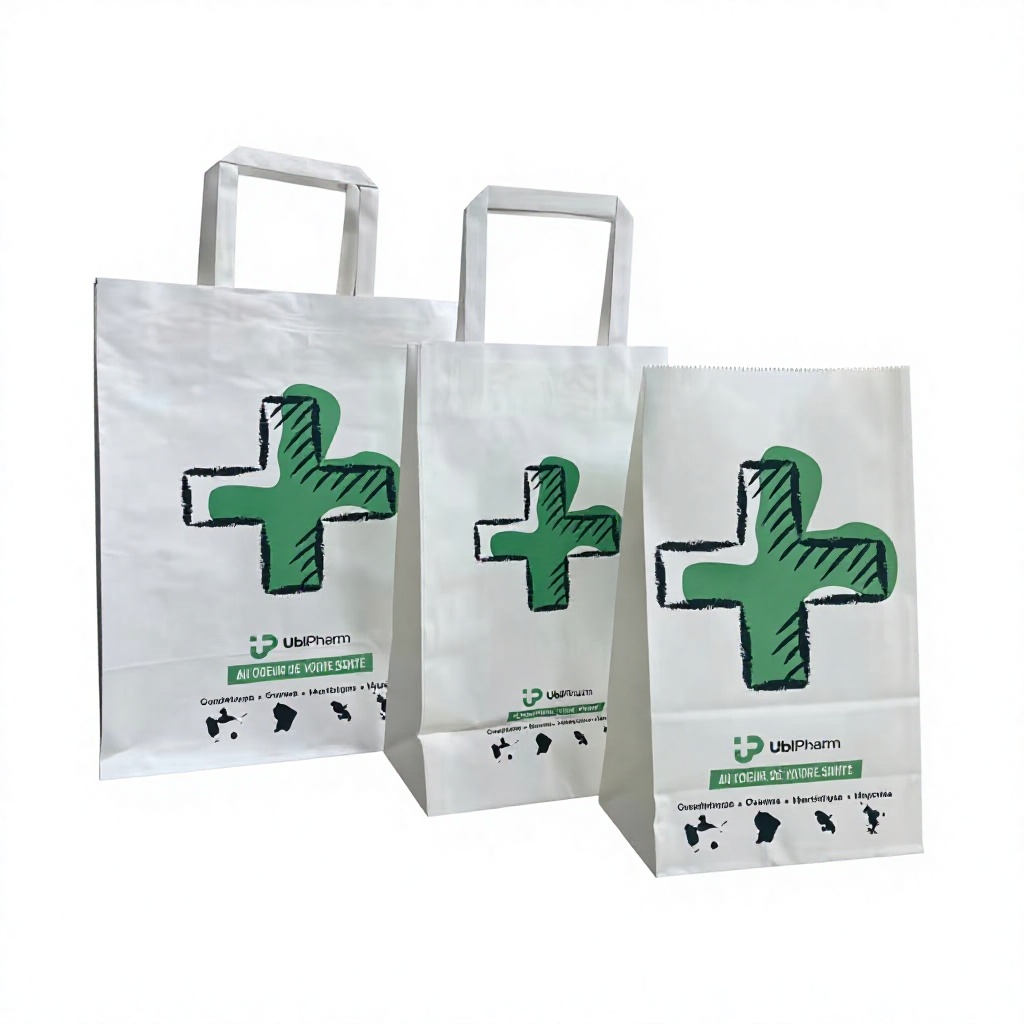
White Paper Shopping Bag Custom Printed Carrier Flat Bottom Gift Packaging
- Heavyweight tear-resistant kraft
- Stable block bottom automated fold

Wholesale 70 Gsm Eco-Friendly Recyclable Kraft Honeycomb Cushioning Paper Roll
- Plastic-free bubble wrap replacement
- Interlocking 3D protective matrix

Wholesale Custom Luxury High Quality Specialty Paper Hot Stamping Envelopes
- Roland offset color fidelity
- Multi-tier embossed metallic foil

Custom Square Kraft Paperboard Food Box Takeaway Packaging for Hot Food & Sushi
- Aqueous/PE barrier leak-proof fold
- Anti-fog vented lid integration

Compostable PLA Disposable Drinking Straws 200mm Biodegradable Iced Sippers
- Cornstarch PLA bio-based polymer
- Smooth bevel cut, non-soggy design
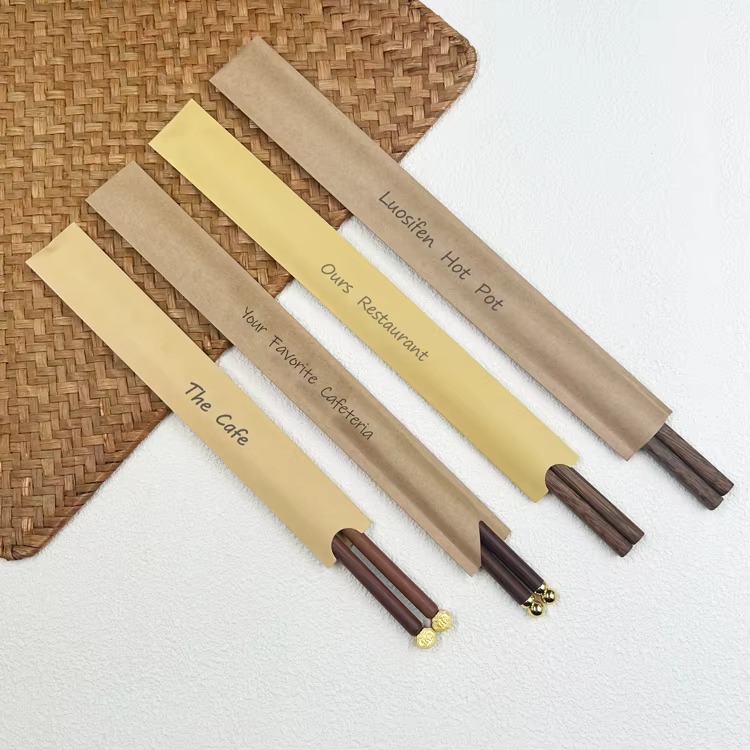
Free Structural Design Kraft Paper Sleeve with Custom Multicolor Logo
- Soy-based non-toxic offset inks
- Precision high-speed automatic gluing
Molded Bagasse Engineering & Industrial Production Parameters
Sugarcane bagasse represents a circular paradigm in rigid sustainable food container engineering. As the dry pulpy fibrous residue remaining after crushing sugarcane stalks for sucrose extraction, bagasse bypasses the intensive deforestation cycles associated with virgin wood fiber. At Guangdong Pudse Packaging Technology Co., Ltd. (Foshan, China), bagasse raw slurry undergoes mechanical refining, hydrapulping, and high-temperature thermoforming to engineer food containers displaying isotropic mechanical strength, thermal tolerance across -20°C to 200°C, and complete structural integrity under high oil loads.
Core Cellulose Morphology: Bagasse fiber features an average fiber length of 1.2 to 1.7 mm and a diameter of 18 to 22 µm. Its natural chemical composition (45–55% cellulose, 20–25% hemicellulose, and 18–24% lignin) yields dense hydrogen bonding during vacuum hot-pressing, giving molded clamshells higher wall rigidity and puncture resistance compared to recycled paper pulps.
The Vacuum Dewatering and Precision Hot-Pressing Process
The manufacturing of precision-tolerance sugarcane packaging diverges dramatically from standard paperboard folding. Our Foshan factory executes an automated 4-stage wet-pulp conversion pipeline:
1. Hydrapulping and Refining: Unbleached or chlorine-free elemental bleached bagasse pulp is hydrated to a controlled consistency of 0.8% to 1.2% in automated stock chest tanks. Fiber fibrillation is monitored to optimize drainage rates and tensile indexes.
2. Micro-Dispersion Chemical Dosing: Bio-based water repellents and specialized non-fluorochemical oil barrier additives are dosed at the wet-end wet stage. For markets with zero-tolerance fluorinated bans (such as Denmark, France, and California), our proprietary bio-wax and aqueous starch crosslinkers achieve oil-resistance ratings of Kit 6 to Kit 8 without a single molecule of per- and polyfluoroalkyl substances (PFAS).
3. Vacuum Thermoforming: High-precision CNC-machined bronze or aviation-grade aluminum tooling immerses into the slurry. Negative vacuum pressure (-0.08 to -0.09 MPa) deposits an even fiber cake across the mold face, ensuring uniform wall thickness across container corners and rim snaps.
4. In-Mold High-Pressure Curing: Robotic transfer arms place the wet preform into high-temperature hydraulic curing dies operating at 180°C to 220°C with pressures reaching 15–20 MPa. Under intense heat and pressure, water vapor flashes out through microscopic exhaust vents, cross-linking the cellulosic matrix to lock in rigid dimensional stability and moisture-resistant surface seals.
Material Performance Matrix: Comparative Analysis for Importers
Procurement decisions require navigating the trade-offs between thermal tolerance, grease resistance, regulatory exposure, and total landed cost. The following empirical testing parameters illustrate why sugarcane bagasse continues to capture market share from expanded polystyrene (EPS) and poly-lined board:
| Performance Metric | Molded Bagasse (PFAS-Free) | Aqueous-Coated Kraft | Virgin PP (#5 Bento) | Expanded Polystyrene (EPS) |
|---|---|---|---|---|
| Raw Material Source | Agricultural Upcycled By-Product | Certified Wood Pulp | Petroleum Polymer | Petrochemical Styrene Monomer |
| Max Service Temp (°C) | -20°C to +180°C | -10°C to +100°C | -20°C to +120°C | Max +80°C (Deforms / Leaches) |
| Microwave Reheating | ✓ Safe (Up to 5 min) | ✓ Brief Only | ✓ Fully Safe | ✗ Highly Toxic Leaching Risk |
| Ovenability (Conventional) | ✓ Safe up to 200°C (20 min) | ✗ Not Recommended | ✗ Melts (>130°C) | ✗ Degrades Instantaneously |
| Grease Resistance Rating | Kit 6 – Kit 8 (PFAS-Free) | Cobb 30 min < 20 g/m² | Total Barrier (Hydrocarbon) | Moderate Barrier |
| Compostability Horizon | Industrial: 60-90 days; Home: 180 days | Repulpable / Commercial Compost | Non-Compostable (Recycle #5) | Non-Biodegradable (>500 Years) |
| Regulatory Risk Profile | Zero Ban Risk (Exempt from Plastic Tax) | Compliant if Plastic-Free Certified | Subject to Extended Producer Tariffs | Banned across 60+ countries & states |
*Testing conditions: Values derived under standard ASTM D6868, EN 13432, and FDA 21 CFR 176.170 protocols conducted at Guangdong Pudse Quality Inspection Testing Laboratories.
Pudse Factory Advantages: End-to-End Vertical Control in Foshan
Operating out of Dali Town, Nanhai District, Foshan, Guangdong Pudse Packaging Technology Co., Ltd. bridges the gap between raw agro-fiber processing and commercial high-speed printing. Importers sourcing from China face frequent pain points: mismatched color schemes between container sleeves and lids, delamination of coatings, split container rims during automated destacking, and sudden shipment delays due to outsourced sub-tier contractors. Pudse neutralizes these risks through total vertical process integration.
German Roland Press
Roland 4-color and 6+1 UV presses delivering sub-millimeter print registration on food-grade packaging sleeves and folding cartons.
Precision Tooling
In-house CNC mold workshop producing proprietary clamshell snap-locks, stackable anti-jam bases, and laser-etched custom buyer branding.
ISO 9001 & Food QA
Every production lot undergoes burst testing, Cobb moisture absorption checks, drop impacts, and migration screening before packaging.
Hybrid Materials Hub
Simultaneous production across bagasse tableware, PE/Aqueous kraft bowls, BPA-free PP bento boxes, and crystal-clear PET drinkware.
Port Proximity Export
Located in the heart of the Pearl River Delta, facilitating same-day container drayage to Guangzhou (Nansha) and Shenzhen (Yantian/Shekou) ports.
Custom OEM/ODM Engineering Workflow
Pudse transforms technical design drawings into mass-manufactured molded products in as few as 14 business days. Clients provide 3D CAD files (.STEP, .IGES) or sample geometries. Our engineering team conducts finite element stress analysis to incorporate structural ribbing, anti-buckling side walls, and leak-defying closure latches that prevent lid pop-off during extreme motorcycle delivery vibration. Once aluminum sampling molds prove out edge-burr-free profiles, mass tooling is hardened for multi-million unit production runs.
Future Sourcing & Procurement Trends: 2025–2030 Outlook
The commercial single-use food packaging sector is transitioning from voluntary corporate social responsibility (CSR) statements to strict regulatory mandates. Procurement directors for institutional foodservice companies, restaurant franchises, and supermarket delis must align their supply chains with four major shifts:
The Global Elimination of PFAS Chemistry
Regulatory bodies including the US EPA, California AB 1200, Washington State HB 1694, and the European Packaging and Packaging Waste Regulation (PPWR) enforce non-detectable thresholds for total organic fluorine (<100 ppm or strict absence). Sourcing managers must abandon suppliers relying on fluorinated polymers (PTFE/PFOS/PFOA) and transition to verified bio-derived dispersants and plasma-treated barriers that guarantee zero bioaccumulative persistence.
Structural Lightweighting with Micro-Fluting
Raw material price fluctuations require container engineering to deliver maximum top-load crush strength with reduced grammage. Advances in slurry drainage kinetics and vacuum compaction allow Pudse to produce 3-compartment bento clamshells with 12% lower material weight while increasing vertical column stacking crush capacity to over 28 kg—optimizing maritime container cube utilization and reducing landed freight costs per thousand units.
Dual-Ovenable & Freezer-to-Heat Functional Chains
The expansion of central kitchen commissary meal-prep services demands packaging capable of withstanding deep blast freezing (-35°C) followed immediately by high-heat microwave reheating or convection baking (+180°C) without embrittlement, lid warpage, or steam-induced softening. Molded bagasse with optimized moisture barriers has emerged as the sole plastic-free material class executing this lifecycle without chemical leaching.
Digital Watermarking and Circular EPR Tracking
Under upcoming European Extended Producer Responsibility (EPR) guidelines, brands will be taxed on packaging based on its real-world sortability at municipal recycling facilities (MRFs). Pudse is actively pioneering micro-embossed 2D codes and standardized ASTM D6400 / EN 13432 compostability identification marks molded directly into the tooling floor. This guarantees that whether a consumer deposits a used clamshell in organic green bins or commercial repulping streams, automated optical sorting equipment diverts the container away from municipal incinerators and landfills.
Comprehensive Procurement FAQ: Strategic Sourcing Intelligence
Direct answers to technical, commercial, and regulatory inquiries commonly raised by international purchasing directors and logistics specialists before issuing letters of credit (L/C) or wire transfers.