Featured Export-Grade Packaging Range
Engineered for high thermal retention, structural integrity, and rigorous international food-contact compliance.
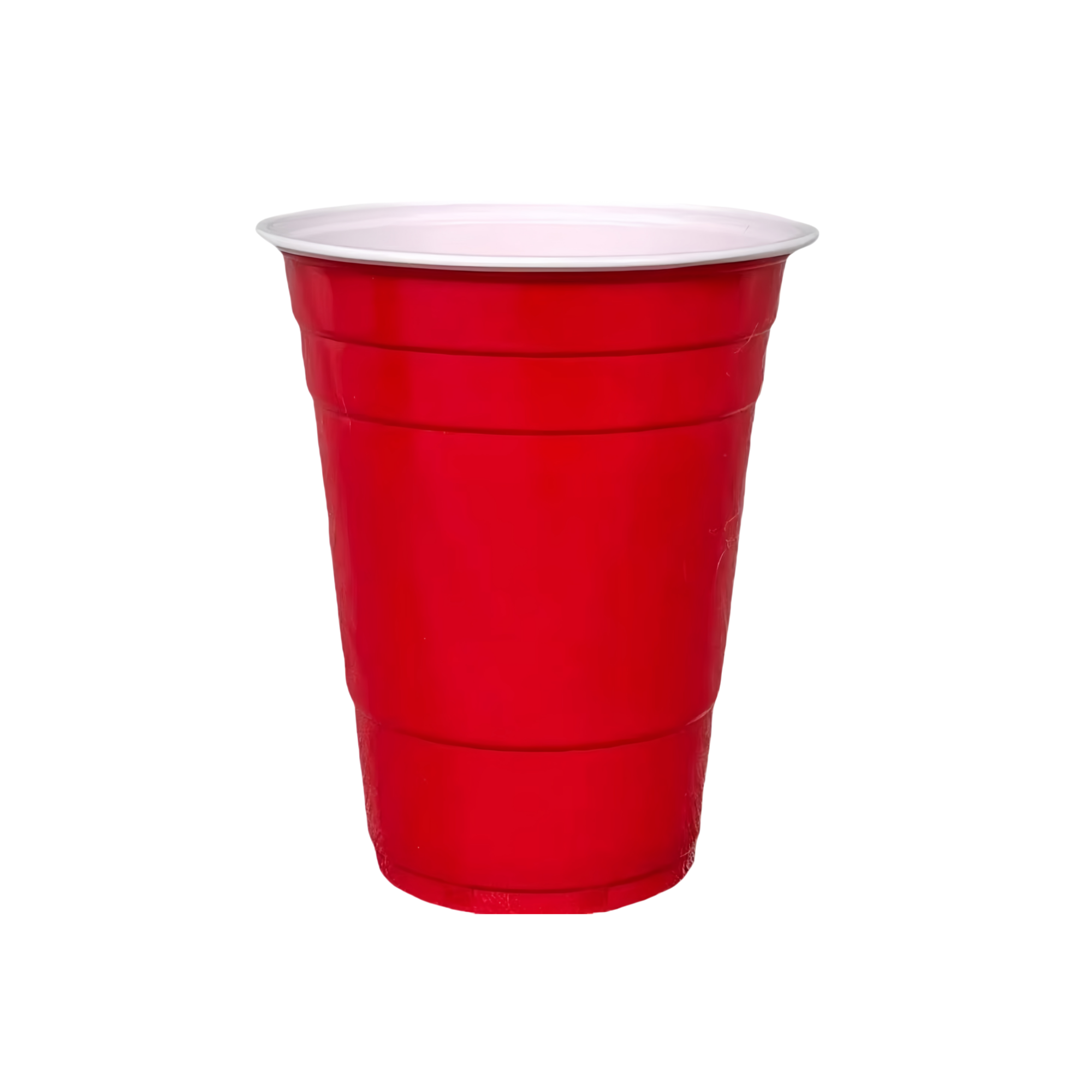
Double Color Disposable PP Cold Cups BPA Free 12 oz 50 Count Durable Custom Logo
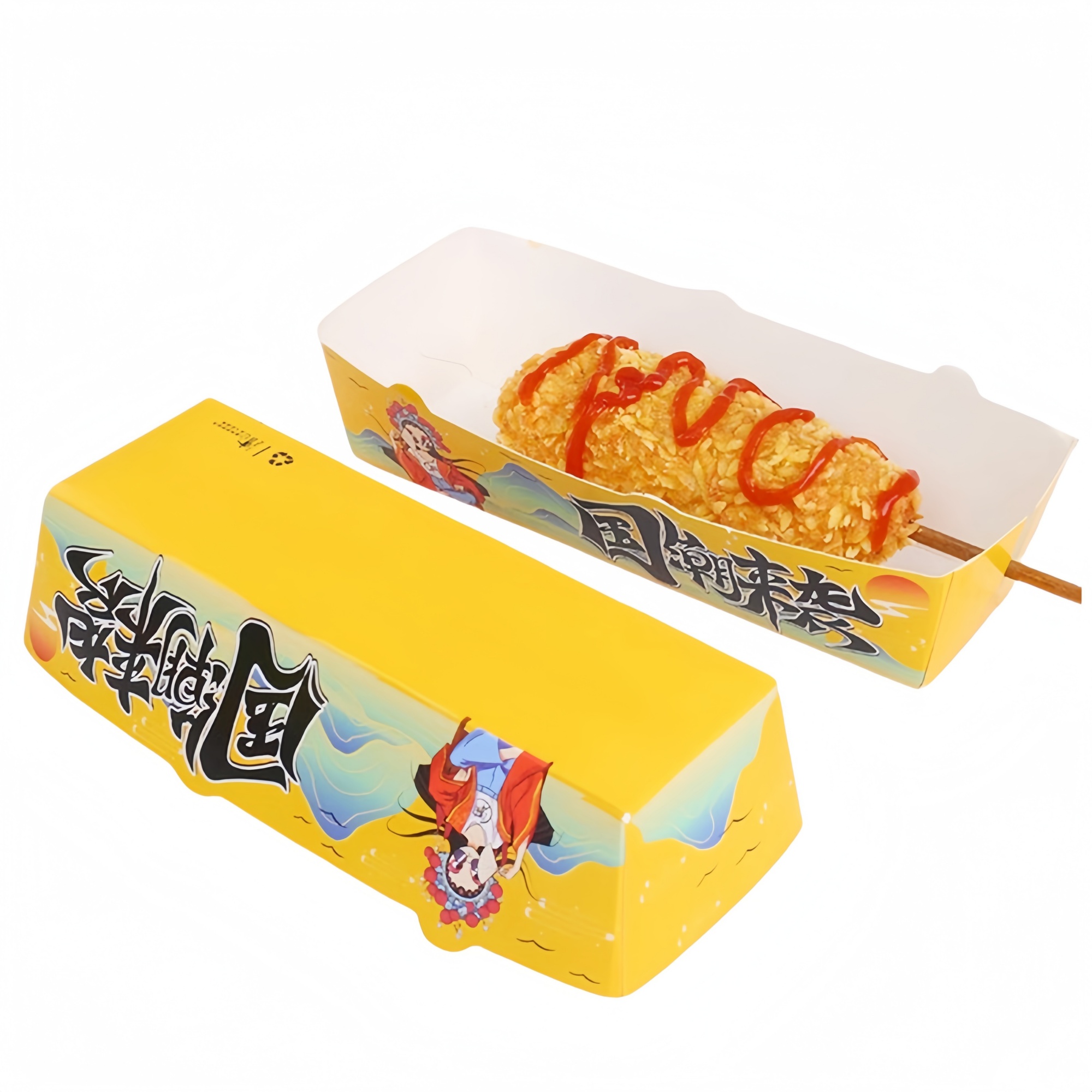
Custom Food Grade Art Paper Folders 2mm Recyclable Paperboard Packaging UV Coating

Double Wall Craft Paper Coffee Cup Recyclable Corn Pattern Beverage Cup Custom Logo
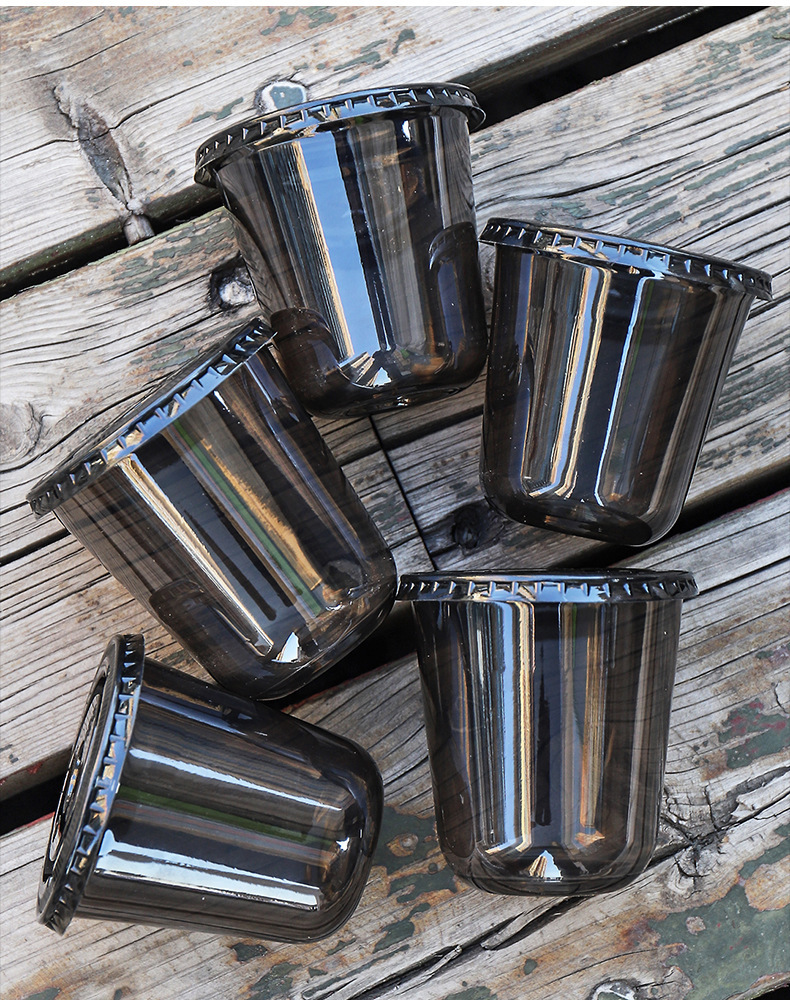
Wholesale Disposable Drink Cups Lids 8-32 oz Sizes Custom Printed Clear PET Plastic
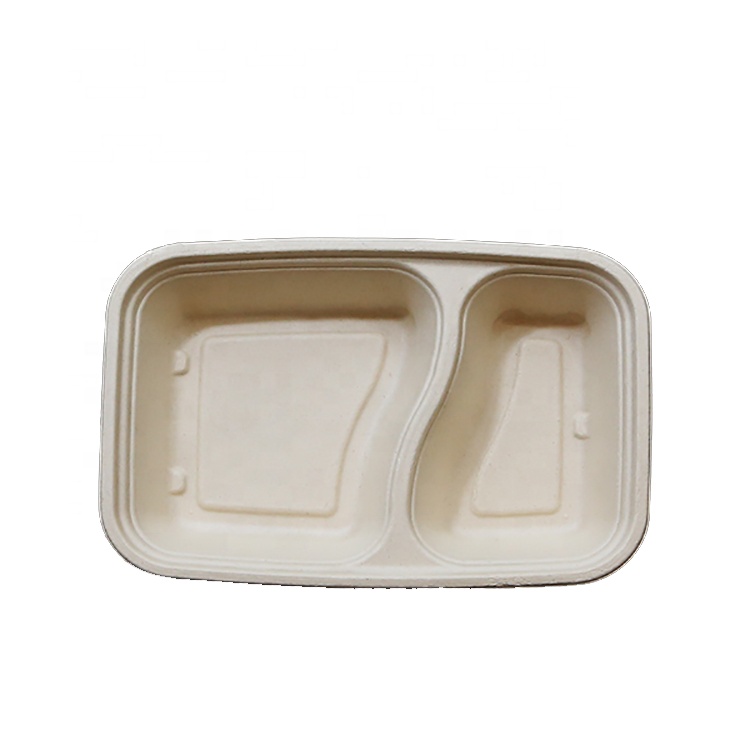
36oz Sugarcane Bagasse Food Box Two Compartment Disposable Pulp Lunch Container
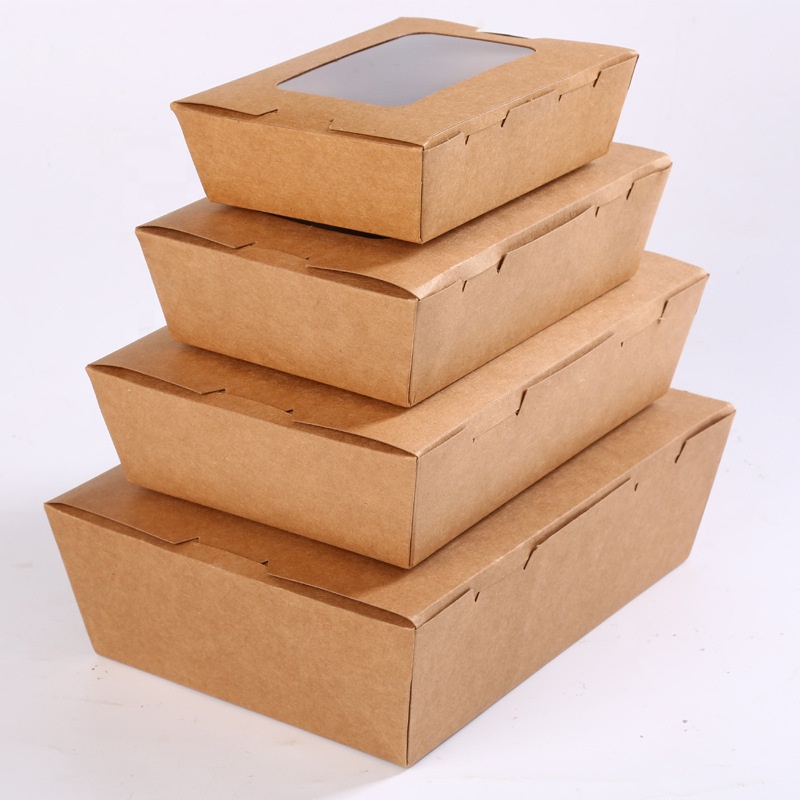
Recyclable Kraft Paper Food Boxes Clear Window Takeout Containers for Noodles Sushi

Wholesale Custom Red Packet Chinese 2027 Luxury High Quality Paper Hot Stamping
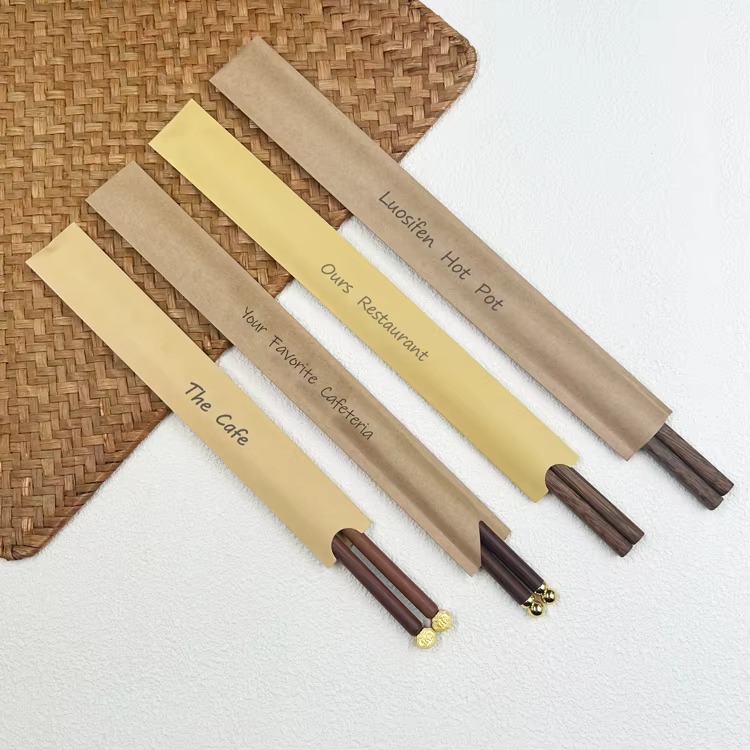
Free Design Paper Sleeve With Custom Logo Branding for Chopsticks & Cutlery
Industrial-Scale Manufacturing Infrastructure
Guangdong Pudse Packaging Technology Co., Ltd. - Leading Kraft Paper & Bio-Tableware Manufacturing Hub in Foshan, China.
Established as a premier manufacturing facility in Nanhai District, Foshan City, Guangdong Pudse Packaging Technology Co., Ltd. operates at the nexus of South China’s eco-friendly paper conversion ecosystem. Positioned within close proximity to major export maritime gateways (Guangzhou and Shenzhen ports), Pudse delivers end-to-end container manufacturing, custom printing, and international supply chain distribution.
Advanced In-House Production Capabilities
- Integrated Fiber Preparation & Extrusion: Processing 100% virgin unbleached softwood kraft pulp with precise grammage consistency (ranging from 180gsm to 350gsm paperboard base).
- Precision Thermal Barrier Application: In-house extrusion of PE (Polyethylene), PP, PLA (Polylactic Acid), and next-generation aqueous dispersion coatings to ensure total liquid and lipid containment.
- Automated Structural Die-Cutting & Forming: Utilizing high-speed auto-platen die-cutters and leak-proof ultrasonic seam welders to prevent base leakage under elevated hydrodynamic pressure.
- Surface Enhancement & Finishing: High-precision gold foil hot stamping, blind embossing, UV spot coating, matte/gloss lamination, and anti-fog PET window patching.
Technical White Paper: Engineering & Barrier Technologies
An authoritative analysis of paperboard density, coating chemistry, thermal behavior, and regulatory compliance for global food service importers.
In modern commercial food packaging, kraft paper containers represent a complex balance of mechanical strength, thermal insulation, barrier efficacy, and environmental accountability. When global buyers source kraft paper packaging from China, understanding the exact material physics and coating technologies is essential to eliminate field failures such as seam leakage, structural softening, and volatile flavor migration.
1. Substrate Fiber Mechanics: Virgin Unbleached Kraft vs. Bleached & Recycled Boards
The structural integrity of a disposable kraft soup bowl or lunch box depends primarily on the length and interlocking capability of its wood fibers. Unbleached kraft paperboard utilizes long-fiber coniferous wood pulp processed via the sulphate pulping method. This retains natural lignin bonds, yielding exceptional tensile resistance, bursting strength (Mullen burst rating > 350 kPa), and compression stability when stacked in delivery bags.
Recycled fiber boards (RCF), while environmentally appealing for outer sleeves or secondary cartons, exhibit reduced fiber length and higher water absorption (Cobb 60 values exceeding 45 g/m²). For direct food contact, Pudse strictly utilizes primary virgin unbleached kraft board with strict heavy metal limits compliant with EN 71-3 and US FDA 21 CFR 176.170 specifications.
2. Barrier Coating Chemistry: Navigating PE, PP, PLA, and Water-Based Dispersion
Raw kraft paperboard is naturally hydrophilic and porous. To contain hot broths, greasy sauces, and cold condensation, a continuous polymer or chemical barrier must be applied to the inner surface:
- Polyethylene (PE) Lining: The established global standard. Single (1PE) or double (2PE) extrusion coatings provide complete liquid barrier performance across temperatures from -20°C to 90°C. Highly cost-effective with high seam sealing strength.
- Polypropylene (PP) Lining: Formulated for high-temperature applications. PP-lined kraft containers tolerate microwave reheating up to 120°C without plastic deformation, coating delamination, or chemical softening.
- PLA (Polylactic Acid) Bio-Lining: Derived from fermented plant starch (corn or sugarcane). PLA offers an industrially compostable alternative (EN 13432 certified) suitable for cold and warm food service (up to 65°C).
- Aqueous Dispersion Coatings (Water-Based): The cutting edge of sustainable packaging. Ultra-thin water-based acrylic resin dispersions penetrate paperboard pores to form a grease-resistant barrier without forming a separate plastic film layer. These containers are fully repulpable in standard paper recycling mills without requiring plastic separation infrastructure.
Comparative Material Performance Matrix
| Barrier Technology | Heat Tolerance Range | Microwave Suitability | Oil & Grease Barrier | End-of-Life Profile | Relative Cost Index |
|---|---|---|---|---|---|
| Standard 1PE Kraft | -20°C to 85°C | Limited (Short burst) | High (Up to 12 hrs) | Recyclable via specialized plants | Baseline (1.0x) |
| High-Heat PP Kraft | -20°C to 120°C | Excellent (Microwave Safe) | Superior (Sauces/Soups) | Recyclable (#5 Polymer stream) | 1.15x - 1.25x |
| Bio-PLA Extruded | -15°C to 70°C | Not Recommended | Good (Salads/Deli) | Industrial Compostable (EN 13432) | 1.35x - 1.50x |
| Aqueous Water-Based | -20°C to 100°C | Good (Up to 3 mins) | High (PFAS-Free options) | 100% Repulpable & Recyclable | 1.40x - 1.65x |
| Molded Sugarcane Bagasse | -20°C to 100°C | Good (Microwave Safe) | High (With PFAS-free additive) | Home & Industrial Compostable | 1.20x - 1.40x |
3. PFAS-Free Global Compliance Mandates
With stringent environmental regulations emerging across Western markets—including US State-level PFAS prohibitions, the EU Single-Use Plastics (SUP) Directive, and UK EPR regulations—importers face heightened liability regarding Per- and Polyfluoroalkyl Substances. Pudse manufactures food-contact paper containers using 100% certified PFAS-Free oil-resistant formulations verified by independent third-party testing laboratories (SGS / TUV / Intertek).
Global Procurement & Market Trends (2025–2030)
Strategic foresight for procurement managers, retail chain buyers, and international food packaging distributors.
The global takeaway and ready-meal packaging market is experiencing unprecedented structural realignments driven by consumer eco-awareness, legislative bans on expanded polystyrene (EPS), and rising shipping freight optimization demands. Sourcing executives must adapt to four pivotal macro trends:
Trend 1: Accelerated Shift Toward Plastic-Minimized & Water-Based Dispersion Paperware
Governments across North America and Europe are systematically taxing single-use plastics and enforcing Extended Producer Responsibility (EPR) fee structures based on container recyclability. Importers are rapidly phasing out traditional PE coatings in favor of aqueous repulpable coatings and sugarcane bagasse alternatives. Sourcing contracts over the next five years will increasingly demand repulpability certificates (such as PTS or Western Michigan University protocols).
Trend 2: Structural Lightweighting Combined with High Rim Rigidity
To reduce container weight and lower ocean container shipping costs, paperboard mills are developing high-density, low-grammage boards that maintain mechanical stiffness. Advanced rim-rolling machinery ensures high radial rim compression resistance. This prevents rim collapse when automated lidding machinery snaps lids onto soup cups or noodle boxes, preserving tamper-evident and leak-proof performance.
Trend 3: Hybrid Packaging Concepts & Custom Visual Branding
Modern delivery menus require high visual presentation. Plain unbranded containers are being replaced by custom-printed kraft paperboards equipped with anti-fog PET windows, multi-compartment food inserts, and wrap-around branding sleeves. Full-bleed offset printing utilizing low-odor, food-grade soy-based inks allows dark-kitchen operators and restaurant chains to transform takeaway containers into primary mobile brand assets.
Trend 4: Supply Chain De-Risking via Verified Tier-1 China Manufacturers
Global buyers are moving away from multi-tier trading intermediaries toward direct manufacturing audits. Partnering directly with audited factories in South China packaging hubs—such as Guangdong Pudse Packaging Technology Co., Ltd.—guarantees direct control over raw material provenance, lot-to-lot color matching, factory-gate pricing, and guaranteed delivery lead times under standardized Incoterms (FOB, CIF, DDP).
Quality Assurance & Laboratory Testing Protocol
Every production lot manufactured at Pudse undergoes rigorous laboratory validation prior to export container loading.
Container leakage and structural collapse during delivery represent major operational hazards for foodservice brands. To guarantee zero defect performance, our quality engineering division executes a multi-stage testing protocol across every batch:
1. Thermal Fluid Leak Test
Containers are filled with 95°C hot oil and boiling water for 4 hours to verify seam ultrasonic weld strength.
2. Rim Compression Rating
Top-load pressure gauges measure the vertical load capacity of the rolled container rim (Target: > 150 N force).
3. Cobb Water Absorption
Evaluating raw board moisture uptake over 60 seconds (Cobb 60) to ensure uniform barrier density.
4. Migration Analysis
Periodic volatile organic compound (VOC) testing and overall migration testing according to EU 10/2011.
Frequently Asked Sourcing & Technical Questions
Essential answers for overseas buyers evaluating minimum order quantities, custom branding, and shipping logistics.
Ready to Source High-Performance Kraft Packaging?
Partner directly with South China's leading paper container export factory. Request customized samples, dielines, and direct wholesale price quotes within 1 hour.
Get a Quote