Engineered Packaging Portfolio & Direct Factory SKUs
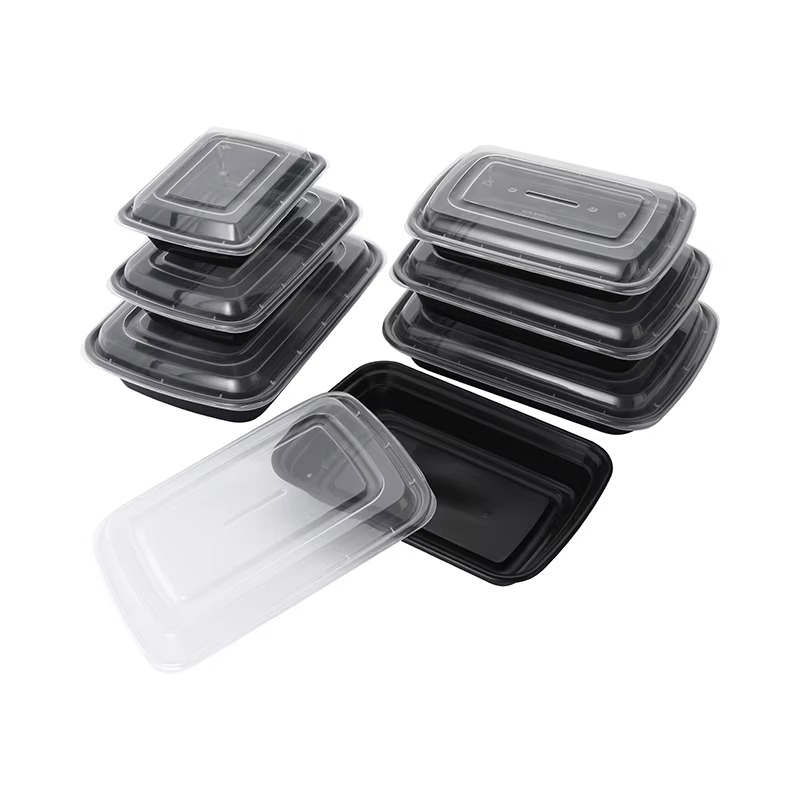
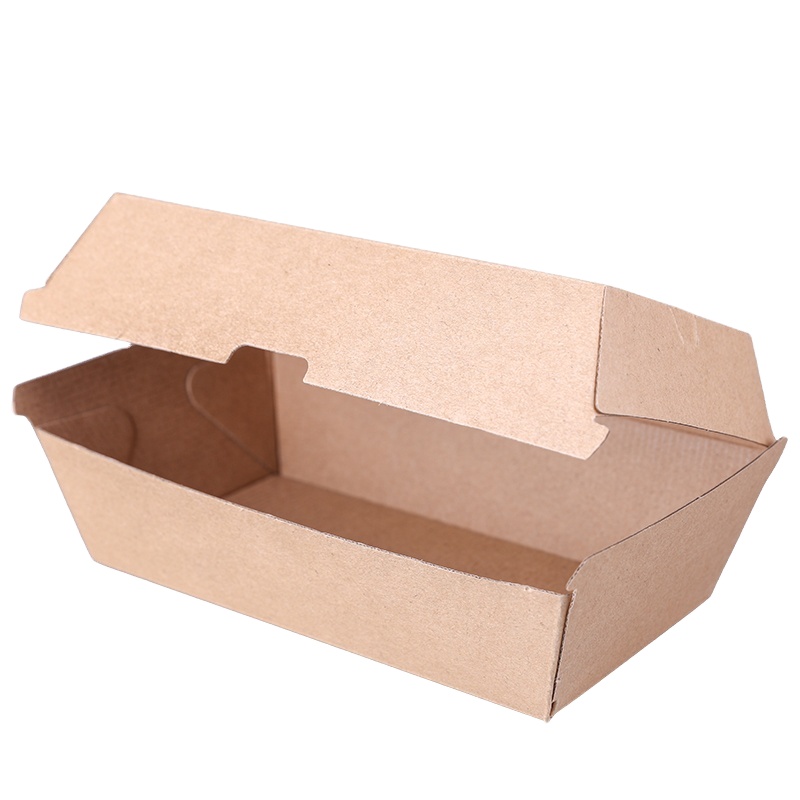
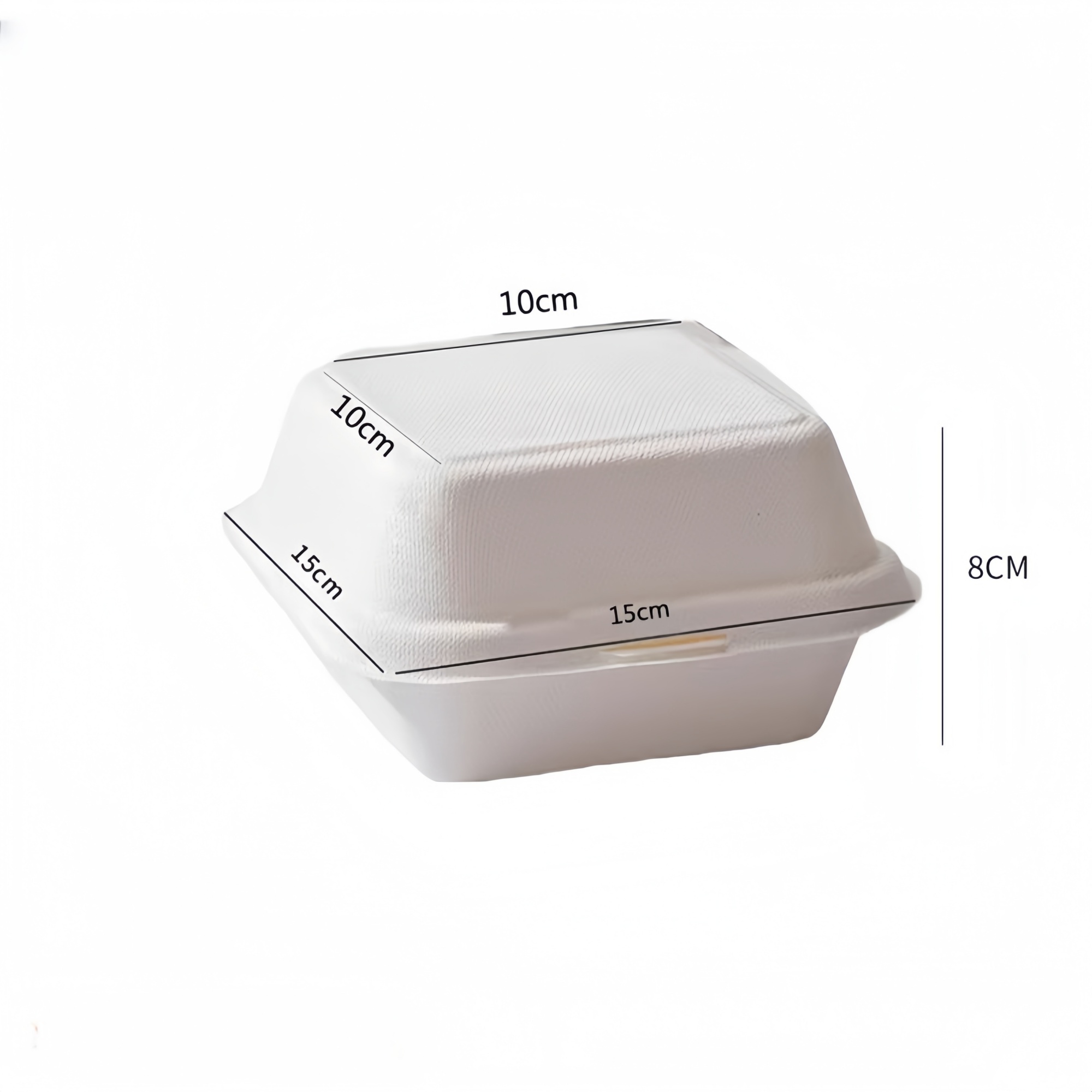
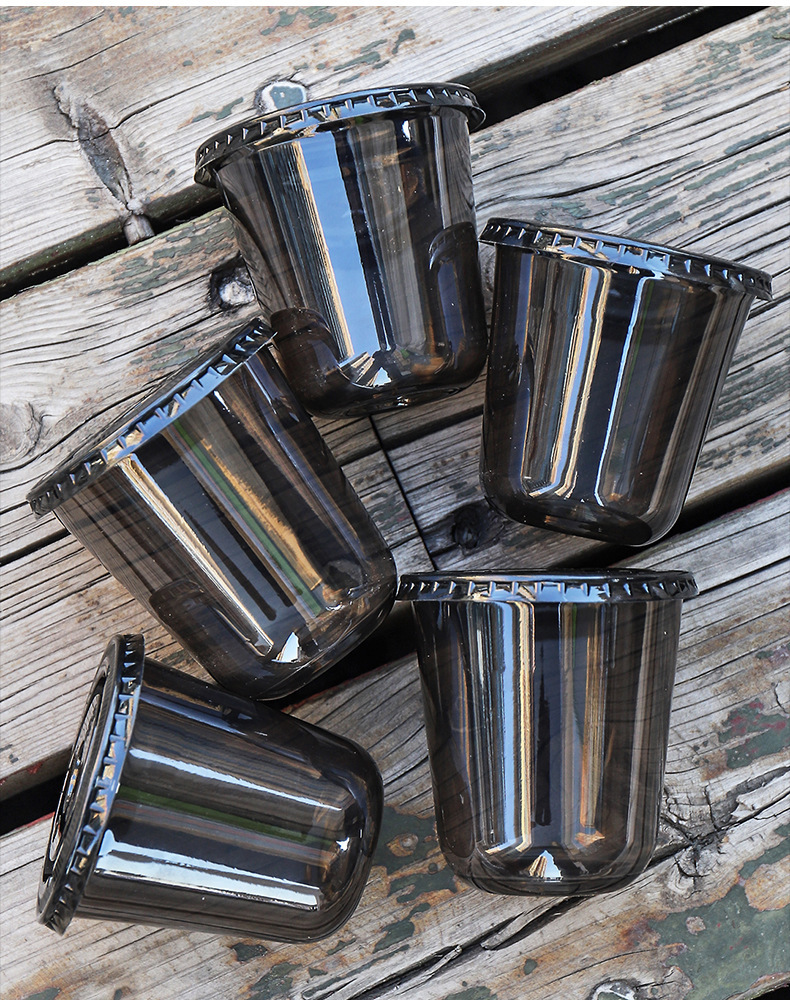
Explore our core volume-manufactured product series: from thermoformed sugarcane pulp clamshells to barrier-treated paperboard and food-safe circular storage solutions.



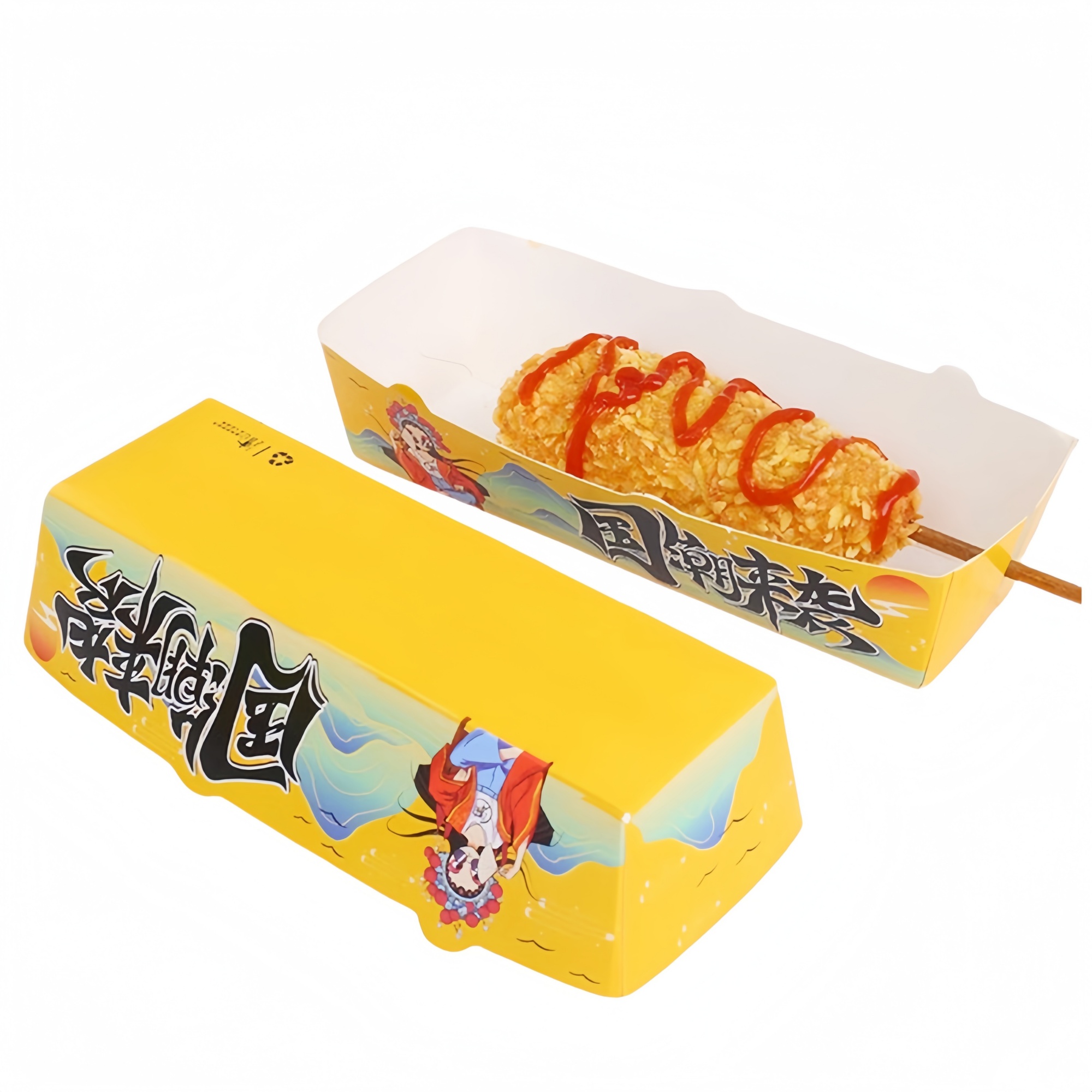
Engineering Molded Fiber: Slurry Dynamics, Tooling & Rheology
A rigorous examination of thermoformed plant pulp substrates, fiber interlocking matrices, and mechanical performance parameters for high-throughput commercial foodservice containers.
Molded fiber containers—commonly manufactured from upcycled sugarcane bagasse, bamboo culms, wheat straw, and wood pulp fibers—represent the forefront of circular thermoformed packaging. Unlike expanded polystyrene (EPS) or single-use polypropylene, molded fiber is inherently renewable and engineered to return to the biological cycle through commercial and home composting. However, achieving precise dimensional tolerance (±0.3mm) and reliable liquid/grease barrier properties requires deep technical expertise in fiber preparation, hydraulic vacuum molding, and multi-stage heated pressing.
Type 3 High-Density Wet Pressing
Utilizes precision-machined CNC aluminum molds with integrated stainless steel filter mesh (40–60 mesh). Slurry is formed under continuous vacuum, transferred to hot pressing dies, and cured under intense thermal-mechanical pressure, creating smooth two-sided finishes with zero wall taper distortion.
PFAS-Free Barrier Formulations
Compliance with global legislation (EU REACH revisions, US state bans) requires migrating from long-chain and short-chain per- and polyfluoroalkyl substances (PFAS) to bio-based acrylic dispersions, ethylated starches, or alkyl ketene dimer (AKD) internal sizing capable of 95°C hot oil resistance.
Zero-Draft Flange & Hinge Design
Precision-engineered living hinges on bagasse clamshell containers endure over 50 continuous 180° flex cycles without structural delamination. Interlocking friction-fit tab locks provide audible, tactile closure integrity during rapid restaurant take-out operations.
Substrate Performance Matrix: Engineering Trade-Offs
Comparative mechanical, thermal, and barrier metrics across primary commercial foodservice packaging materials used in international export.
| Substrate Material | Tensile Modulus (GPa) | Thermal Window (°C) | Oil Barrier (Cobb 60 min) | Water Vapor Barrier | End-of-Life Profile | Primary Industrial Use |
|---|---|---|---|---|---|---|
| Thermoformed Bagasse Fiber | 2.8 – 3.6 | -20°C to +120°C | < 10 g/m² (Bio-sized) | Moderate (Porous matrix) | Home/Industrial Compost | Clamshells, meal trays, bowls, cutlery trays |
| PE-Coated Kraft Board | 3.2 – 4.5 | -10°C to +100°C | < 1 g/m² | High (PE film layer) | Specialized Repulping | Soup pails, noodle boxes, salad containers |
| Virgin Polypropylene (PP #5) | 1.1 – 1.6 | -20°C to +120°C | Complete barrier | Excellent | 100% Curbside Recyclable | Bento meal prep, microwave re-heatable boxes |
| Extruded PLA Bio-Resin | 3.0 – 3.5 | 0°C to +45°C | Complete barrier | High | Industrial Compost (EN 13432) | Cold drink cups, transparent deli lids, straws |
| Recycled Corrugated (E/F Flute) | 2.1 – 2.9 | Dry cold to ambient | Requires top coating | Low | Standard Paper Recycling | Mailer folders, secondary delivery shippers |
Global Procurement Forecast: 2025–2030 Trends
How evolving legislative bans, extended producer responsibility (EPR) mandates, and container freight economics are reshaping international fiber packaging sourcing.
Global Single-Use Plastic Bans
Jurisdictions across the EU (SUP Directive), Canada, Australia, and major US states have enacted outright bans on EPS clamshells and polymer-lined containers. Procurement leads are actively converting multi-unit restaurant chains to molded fiber, creating long-term volume allocations with verified China tier-1 manufacturing hubs.
Nesting Density & Freight Optimization
Containerized sea-freight rates require maximum cube utilization. Next-generation molded fiber tooling features precise 4°–7° sidewall release draft angles, reducing stack height by 28%. A standard 40ft High-Cube container can now load up to 280,000 bagasse clamshell units, slashing landed logistics costs per piece.
Total Supply-Chain Auditability
Enterprise buyers are no longer relying on unverified certificates. Tier-1 enterprise buyers demand full traceability: raw bagasse supply contracts, in-house pulp hydration records, and third-party fluorinated compound testing (Total Fluorine < 50 ppm or 100 ppm per ASTM D6868 and EN 13432 protocols).
Technology Roadmap: The Next Frontier of Pulp Molding
Breakthrough innovations in tool geometry, aqueous barrier coatings, and automated post-press robotic integration transforming China's export manufacturing plants.
Micro-fibrillated Cellulose (MFC) Additions
By blending nanocellulose and micro-fibrillated pulp fractions into the primary bagasse slurry, the internal pore diameter of the fiber lattice decreases from 25 microns to below 2 microns. This creates an exponential improvement in oil barrier performance without requiring chemical coatings.
Aqueous Spray-Coated Barrier Films
Automated multi-axis spray systems apply ultra-thin water-based bio-coatings immediately after hot press discharge. These micro-thin layers provide true water resistance up to 98°C for 4 hours while retaining compostability certifications under ISO 16929 and ASTM D6400.
Robotic Trimming & In-Line Optical QC
High-precision 6-axis robotic arms transfer molded parts through high-speed rotary die cutters, eliminating manual deburring. 4K high-speed CCD camera arrays verify 100% of finished containers for pinholes, flash errors, fiber clumping, and geometric deviation.
Enterprise Advantages: Vertically Integrated Industrial Capacity
Why multinational food brands, international hospitality distributors, and fast-casual restaurant chains partner with Guangdong Pudse Packaging Technology Co., Ltd.
German Roland 4-Color & 6+1 Offset Printing
Equipped with industry-leading Heidelberg and German Roland offset presses, Pudse provides high-definition brand reproduction on paperboard sleeves, folding boxes, and outer packaging with food-grade soy inks.
Dedicated Tooling & Mold Workshop
In-house CNC tooling facilities allow us to turn around custom structural dielines, 3D prototypes, and pilot molds within 7–10 working days, dramatically compressing client time-to-market.
Comprehensive International Compliance
All production lines operate under strict ISO 9001 and BRCGS food packaging standards. We routinely support FDA 21 CFR 176.170, EU 1935/2004, LFGB, and PFAS-free test reporting per target market specifications.
Unrivaled Commercial Responsiveness
Average sales engineering response time is under 1 hour. Verified 100% response rate across digital platforms ensures that international tenders, RFQs, and design revisions receive rapid technical review.
Global Incoterms & Financial Flexibility
Full support for FOB, CIF, CFR, DDP, and DDU door-to-door delivery. Transaction terms support multi-currency clearing (USD, EUR, GBP, AUD, CNY) via secure T/T, L/C at sight, and escrow instruments.
Low MOQ Pilot Production Capability
While high-speed thermoforming runs at scale, we maintain flexible production windows for trial market introductions, offering mixed-SKU container loading and starting MOQs from 10,000 pcs for custom molded items.
End-to-End B2B Custom Production Lifecycle
A transparent, milestone-driven contract manufacturing framework engineered for international commercial stability.
Engineering Brief
Specification of volume, thermal thresholds, grease barrier grade, stacking limits, and target market regulations.
CAD & Dieline
3D mold modeling, volumetric simulation, draft angle calibration, and high-resolution artwork plate generation.
Pilot Tooling
CNC pilot mold fabrication, physical sample pull, leak resistance validation, and certified lab testing.
Mass Production
Continuous thermoforming, automated robotic edge-trimming, in-line vision inspection, and hygienic shrink-banding.
Export Logistics
Palletized moisture-barrier carton packing, container loading inspection, port customs clearance, and global ocean freight.
Frequently Asked Questions: B2B Technical Sourcing
Expert answers addressing the commercial, technical, and regulatory concerns of packaging procurement managers.