Primary Wholesale Lines & Eco-Packaging Portfolios
Direct factory production lines covering thermoformed sugarcane bagasse tableware, barrier-coated kraft packaging, compostable biopolymer drinking accessories, and custom-engineered retail carriers.
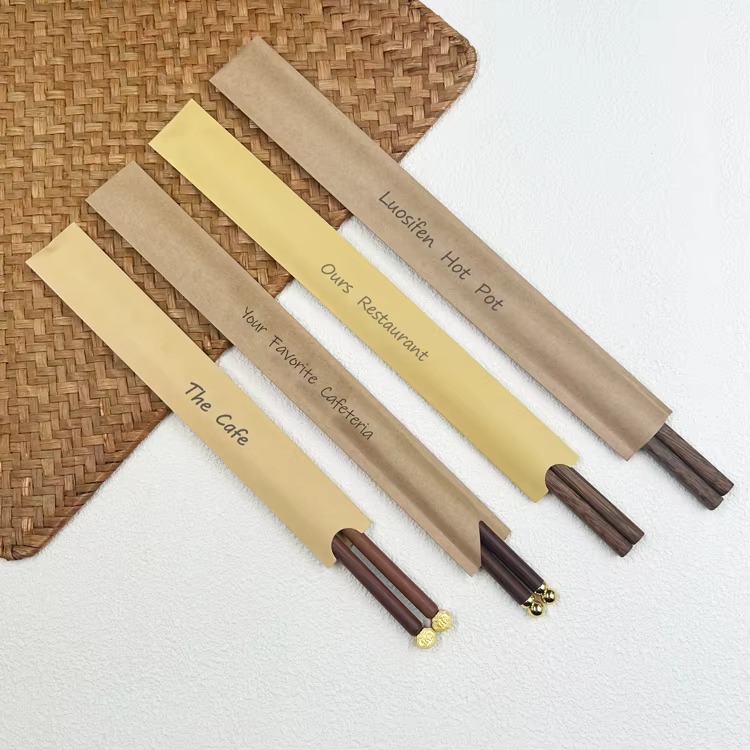
Free Design Paper Sleeve With Custom Logo for Chopsticks
- • Precision die-cut food sleeve
- • High-opacity kraft / virgin wood stock
- • Offset CMYK branding support

Compostable PLA Disposable Drinking Straws 200mm
- • Polylactic acid resin matrix
- • 100% industrial compostable
- • Rigid mouthfeel, zero sogginess
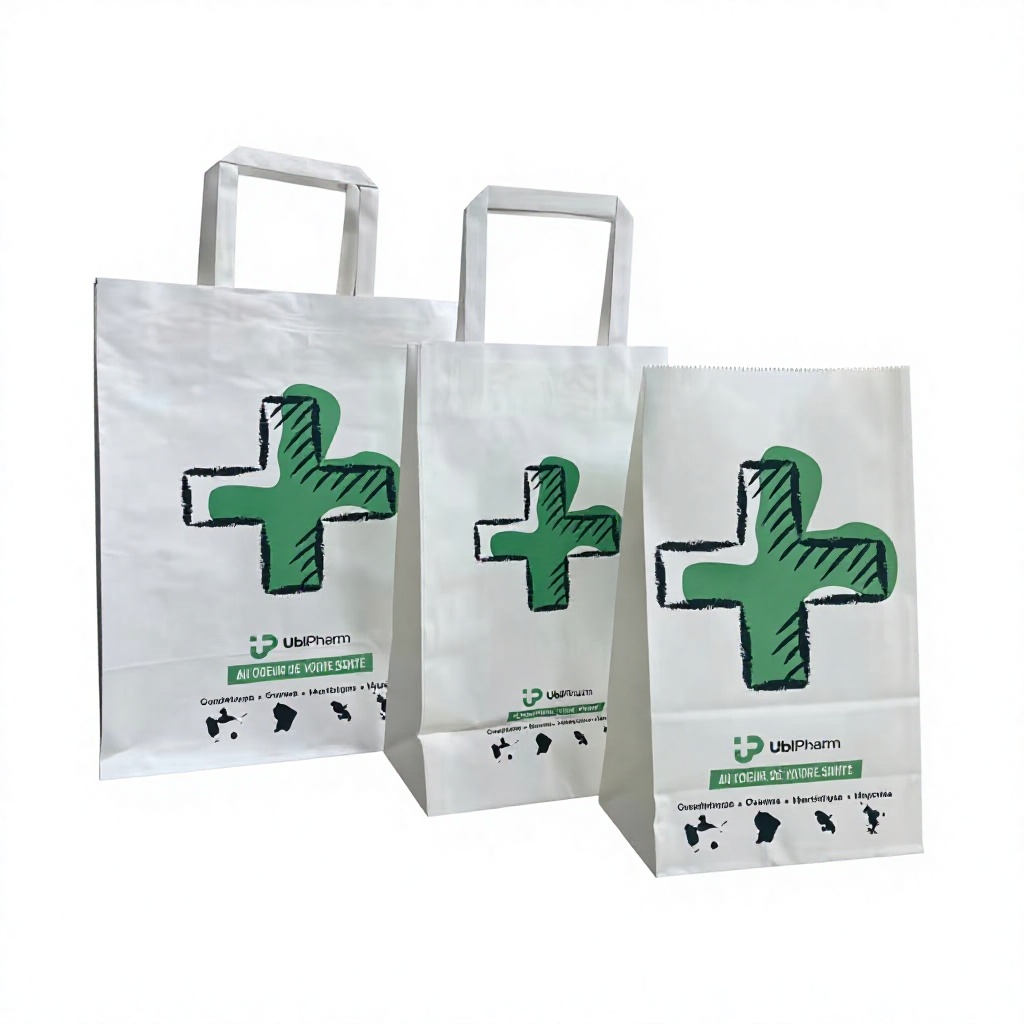
White Paper Shopping Bag Custom Printed Carrier Bag
- • Reinforced block bottom design
- • Pharmaceutical & retail grade
- • High-tensile kraft pulp construction
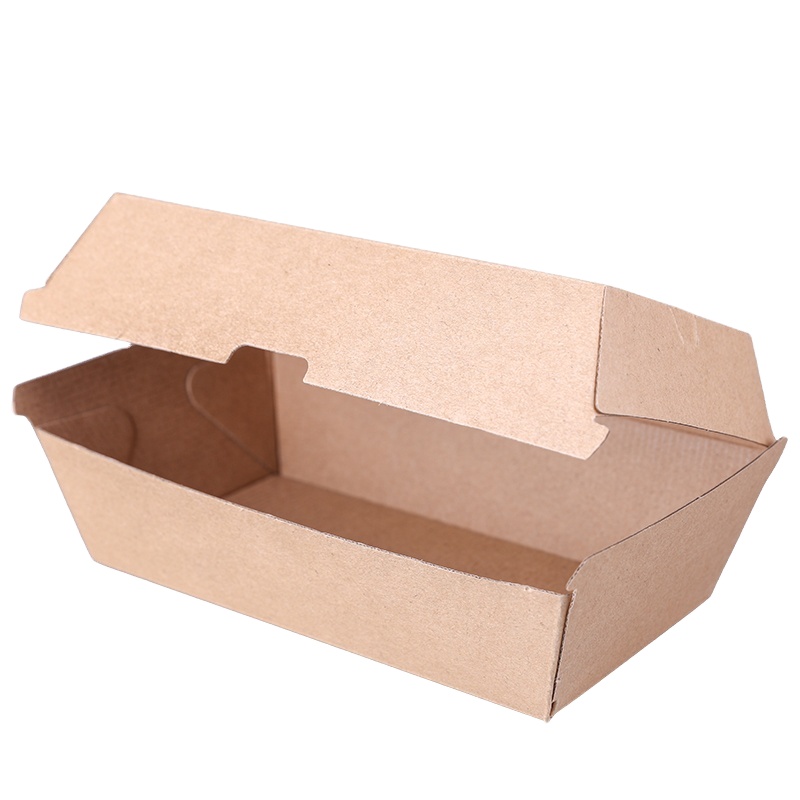
Recycled Biodegradable Corrugated Paper Box 2mm
- • E-flute high rigidity structure
- • Flat-pack shipping efficiency
- • Apparel and meal kit secondary box

Kraft Paper Gift Packaging Bag with Twist Handles
- • High load-bearing twist paper handle
- • Exhibition and catering takeout
- • Screen and flexographic printing

50gsm Custom Logo Recyclable Waterproof Kraft Bag
- • Specialized internal barrier layer
- • Pharmacy, aviation, sickness proof
- • Leak-resistant heat-sealed base

Wholesale Custom Luxury Hot Stamping Money Envelope
- • Multi-tier precision foil stamping
- • High-density virgin paperboard
- • Bespoke seasonal corporate gifting

Custom Logo Disposable PET Beverage Cup 12oz–16oz
- • Optical-grade PET resin (#1)
- • Bubble tea, smoothie, iced drink match
- • Precision snap-lock leakproof lid
The Sugarcane Bagasse Pulp Matrix: Material Science & Structural Performance
Sugarcane bagasse—the residual fibrous matter left behind after crushing sugar cane stalks—has emerged as the premier structural substitute for expanded polystyrene (EPS) and single-use polypropylene (PP) within modern foodservice distribution.
1. Fiber Morphological Characteristics & Wet-Thermoforming Dynamics
Unlike wood pulp, which requires decades of arboreal growth cycles, sugarcane pulp is an agro-industrial by-product replenished within an annual 10 to 12-month harvesting timeline. The raw bagasse fiber is chemically composed of roughly 45% to 52% cellulose, 20% to 25% hemicellulose, and 18% to 24% lignin. In thermoformed molded fiber production, maintaining precise fiber refining freeness (measured in Schopper-Riegler degrees, °SR, or Canadian Standard Freeness, CSF) dictates the finished product's mechanical integrity.
At Guangdong Pudse Packaging Technology Co., Ltd., raw bagasse slurry undergoes high-consistency hydrapulping, mechanical fiber fractionation, and double-disc refining to optimize hydrogen bonding between individual cellulose microfibrils. During the thermoforming cycle, wet-formed pulp preforms are transferred into heated metal dies at pressures exceeding 1.5 to 2.2 MPa and temperatures from 180°C to 210°C. This simultaneous application of heat and mechanical compression drives rapid moisture evacuation, densifies the cellulose network, and plastifies trace lignin to create rigid, dimensionally stable containers with smooth wall surfaces and zero fiber flaking.
2. Life Cycle Assessment (LCA) & Decarbonization Architecture
Independent Life Cycle Assessment models consistently establish that sugarcane pulp tableware reduces carbon emissions by over 68% compared to virgin petroleum-derived polystyrene (EPS) and by roughly 42% relative to solid-bleached sulfate (SBS) virgin paperboard. Sugarcane crops sequester significant atmospheric carbon dioxide during photosynthetic growth, and by capturing bagasse immediately at the milling source, the agricultural waste avoids open-field burning—a critical vector of regional particulate matter (PM2.5) pollution in Southeast Asian and South Chinese agricultural basins.
From an end-of-life perspective, pure molded bagasse without synthetic laminations meets ASTM D6400 and EN 13432 industrial composting standards, mineralizing into soil-enriching humus, water, and carbon dioxide within 60 to 90 days inside managed commercial composting installations. Furthermore, in well-aerated home compost conditions, unlined sugarcane tableware exhibits natural microbiological breakdown within 180 days, completely eliminating microplastic contamination vectors.
Strategic Sourcing Trends in Commercial Foodservice Packaging
International regulatory shifts, commercial decarbonization mandates, and evolving food delivery logistics are reshaping how quick-service restaurant (QSR) operators, packaging distributors, and institutional catering groups procure disposable containers.
1. The Non-Negotiable PFAS-Free Transition
Regulatory crackdowns on per- and polyfluoroalkyl substances across North America (State-level acts in California, Washington, New York) and the European Union (REACH restrictions) have fundamentally outlawed fluorinated oil repellents in food-contact tableware. Global wholesale buyers are shifting procurement exclusively toward water-borne acrylic emulsions, aqueous bio-polymer dispersions, and plant-derived wax barrier systems that achieve oil-resistance ratings (3M Kit test 6 to 9) without synthetic fluorinated surfactants.
2. Hermetic Lidding & Automated Denesting
As centralized cloud kitchens and prepared meal distribution surge, procurement officers require molded pulp containers engineered to sub-millimeter dimensional tolerances (±0.25mm). The newest generation of sugarcane clamshells and bowls features precision-machined rim flanges capable of running on high-speed automated denesting machines, and accepting either hermetic compostable top-seal films or precision snap-fit recycled rPET and molded pulp lids that prevent transport leakage.
3. Consolidated Multi-Substrate Procurement
Importers and brand owners are avoiding the overhead of fragmented multi-vendor contracts by consolidating their packaging requirements under a single verified manufacturing umbrella. A modern multi-unit restaurant supply chain demands mixed-container shipments combining molded bagasse clamshells, custom-printed PE/PLA-coated kraft soup pails, cold-drink PET cups, and branded delivery sleeves dispatched directly from a unified manufacturing base in South China.
4. Microwave, Dual-Ovenable & Blast-Freeze Performance
Commercial institutional foodservice (airlines, schools, hospitals) requires packaging substrates capable of withstanding extreme thermal deltas. Advanced wet-pulp formulation allows sugarcane tableware to maintain structural rigidity from -20°C in industrial blast chillers up to 120°C for microwave reheating and conventional convection oven warming, outperforming polystyrene which melts at 80°C and PLA which softens at 50°C.
5. Full Traceability & Extended Producer Responsibility (EPR)
With European EPR packaging waste fees penalizing non-recyclable multi-material composites, importers favor mono-material bagasse and pure kraft containers with documented chemical composition records. Supply chain verification requires strict factory traceability audits, covering upstream agricultural fiber sourcing, auxiliary process additives, food safety certifications, and certified chain-of-custody documentation.
Comprehensive Foodservice Packaging Substrate Benchmark
Direct technical comparison between molded sugarcane bagasse, PE-coated kraft paperboard, polypropylene (#5), expanded polystyrene (EPS), and polylactic acid (PLA) to guide institutional procurement decisions.
| Evaluation Parameter | Molded Sugarcane Bagasse | PE-Coated Kraft Board | Polypropylene (#5 PP) | Expanded Polystyrene (EPS) | Thermoformed PLA |
|---|---|---|---|---|---|
| Raw Material Source | 100% Sugarcane Agro-Waste | Softwood Pulp + PE Polymer | Petroleum-Derived Propylene | Petroleum-Derived Styrene | Fermented Plant Starch (Corn) |
| Operational Temp Range | -20°C to 120°C | -10°C to 100°C | -20°C to 120°C | -10°C to 80°C (Softens) | -10°C to 45°C (Deforms) |
| Microwave Compatibility | Excellent (Short Reheat) | Moderate (Brief Only) | High Stability | Unsafe (Toxic Leaching) | Incompatible |
| Grease Resistance Metric | Kit 6 to 9 (PFAS-Free Barrier) | Pin-hole Free PE Barrier | Inherent Plastic Non-Porous | Moderate (Dissolves in Hot Oil) | High Oil Resistance |
| Commercial Composting | 60–90 Days (EN 13432) | Non-Compostable (Plastic Layer) | Non-Biodegradable | Persistent (Centuries) | 90–120 Days |
| Lifecycle Carbon Footprint | Ultra-Low (Agricultural Carbon Sink) | Moderate (Fibers + Synthetic Film) | High Fossil Energy Intensity | Extremely High Greenhouse Profile | Moderate to Low Bio-Based |
| Global Regulatory Horizon | 100% Tax Compliant & Exempt | Subject to Plastic-Paper Tariffs | Targeted by Single-Use EPR Levies | Banned across 60+ Sovereign Markets | Exempt, Requires Industrial Plant |
Precision South China Converting Facility & Export Infrastructure
Operating from Dali Town, Nanhai District, Foshan—the core converting nexus of Guangdong Province—Pudse delivers an integrated vertical workflow from tooling fabrication to final export container dispatch.
German Roland 4-Color & 6+1 Offset Presses
Our pressroom features industrial Roland multi-color sheet-fed presses and auxiliary 6+1 converting lines. We execute razor-sharp Pantone color matching, matte/gloss dispersion varnish, localized UV coatings, and embossing for sleeves, boxes, and retail carriers under one roof.
Molding & Precision Die-Cutting Arrays
Our production floor operates 4 heavy-tonnage pulp molding lines paired with 6 precision hydraulic die-cutting stations and automated hot-stamping units, delivering burr-free container perimeters and flawless lid-fit tolerances.
Logistics Corridor & Rapid Clearance
Direct proximity to Guangzhou Huangpu, Nansha, and Shenzhen Yantian maritime ports enables continuous 40HQ container staging, streamlined customs documentation, and seamless FOB/CIF/DDP maritime freight execution.
ISO 9001 Quality Assurance Hierarchy
Quality checks span incoming raw slurry fiber freeness, in-process moisture verification (under 7%), internal burst strength measurement, Cobb surface water absorption testing, and edge-wicking oil immersion testing.
Bespoke OEM/ODM Rapid Tooling Development
Our in-house industrial engineering department generates structural 3D CAD dielines, provides rapid 3D-printed SLA prototype fit-models within 48 hours, and finishes steel/aluminum mass production tooling in 10 to 14 working days.
Dedicated B2B Technical Account Management
Backed by an onsite-verified supplier rating of 4.9/5 and a verified 100% response rate with average reply latency under 1 hour, our international trade specialists provide end-to-end commercial transparency.
Flexible Settlement Currencies
USD, EUR, GBP, JPY, CAD, AUD, HKD, CHF, CNY supported via T/T, L/C at sight, D/P, PayPal, and Western Union.
Comprehensive Incoterms
FOB Guangzhou/Shenzhen, CIF, CFR, EXW, FCA, CPT, and full Door-to-Door DDP/DDU clearance to major worldwide metropolitan hubs.
Third-Party Compliance Dossiers
Customized SKU batch testing arranged through SGS, TÜV, and Intertek for US FDA 21 CFR 176.170, EU 1935/2004, and German LFGB food safety certification.
Frequently Asked Questions by Commercial Tableware Importers
Clear answers addressing real chemical compliance, storage thermodynamics, container loading optimization, and custom mold investment.