Precision Engineered Sustainable Food Packaging Range
Explore our wholesale food containers, biodegradable tableware, beverage cups, and luxury carrier items manufactured for global quick-service restaurants, retail packaging, and institutional catering.
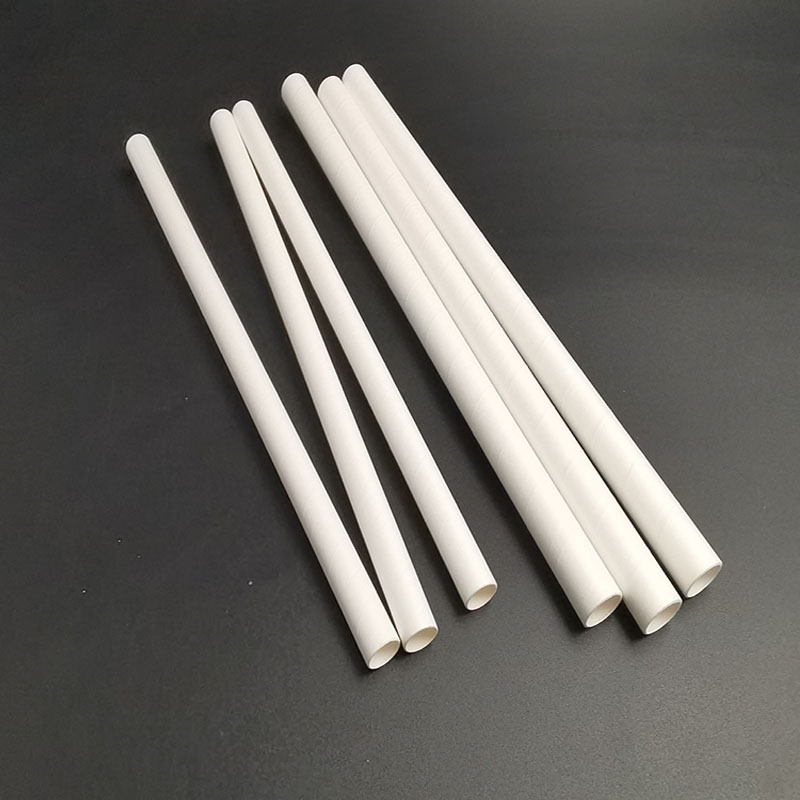
Biodegradable Paper Straws 200mm Individually Wrapped Recyclable Drinking Tubes for Camping Bubble Tea
- Multi-ply food-grade kraft paper
- Sog-free performance in hot & cold beverages
- Individual sterile paper wrapping
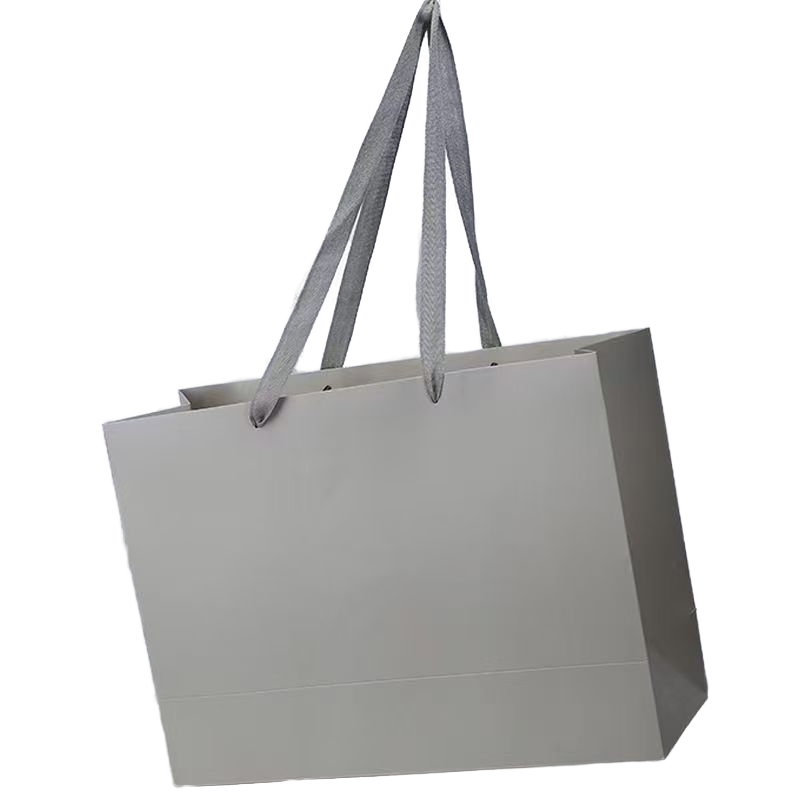
Eco-Friendly Art Foil Stamping Logo Printed Luxury Gift Bag Ribbon Handle for Shoes Clothing Custom Orders
- Precision Heidelberg/Roland offset stamping
- High-tensile woven ribbon handles
- FSC-certified paperboard construction
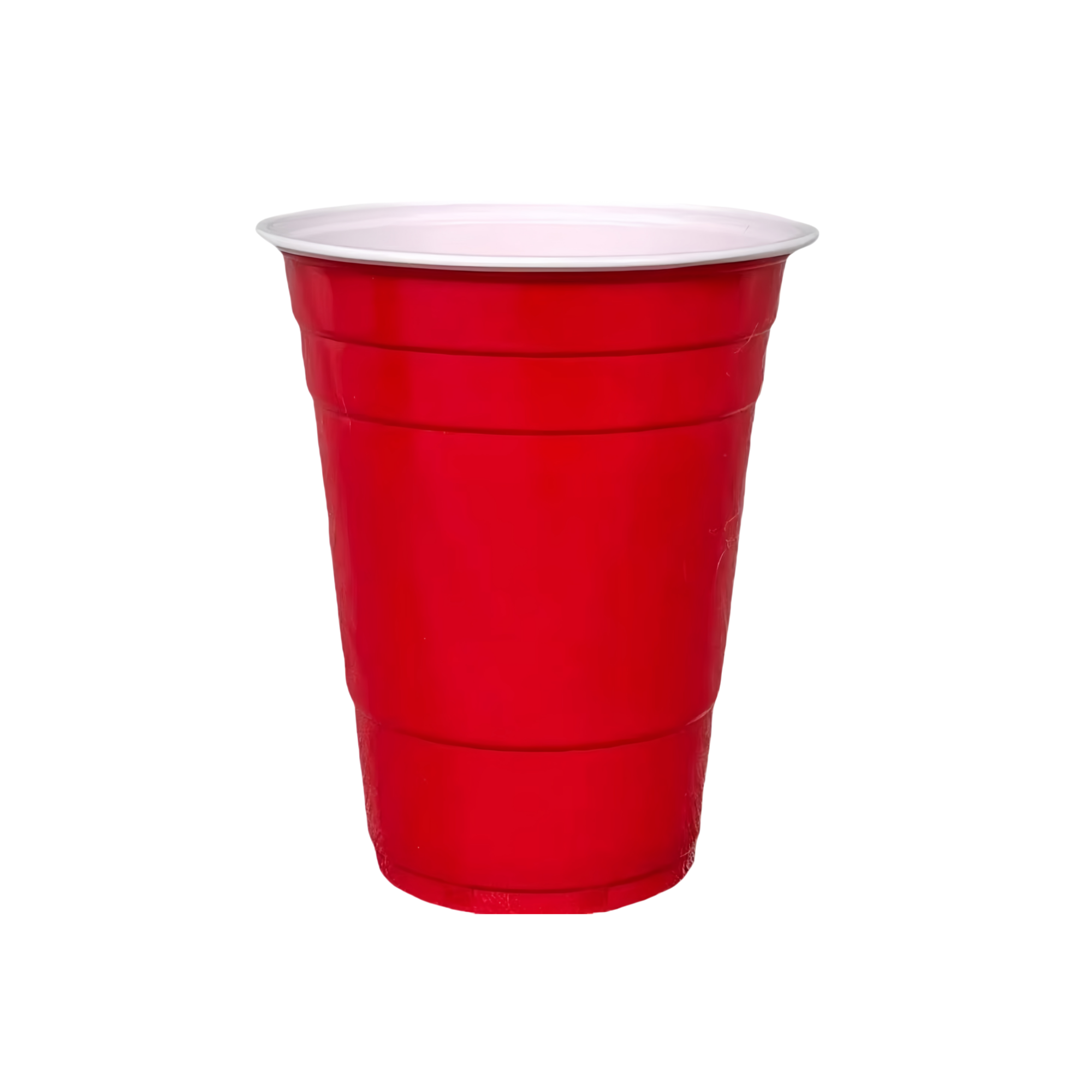
Double Color Disposable PP Cold Cups BPA Free 12 oz 50 Count Durable Custom Logo Camping Party Drinkware
- Dual-tone co-extrusion technology
- 100% BPA-free polypropylene (#5 PP)
- Crack-resistant rolled rim sealing
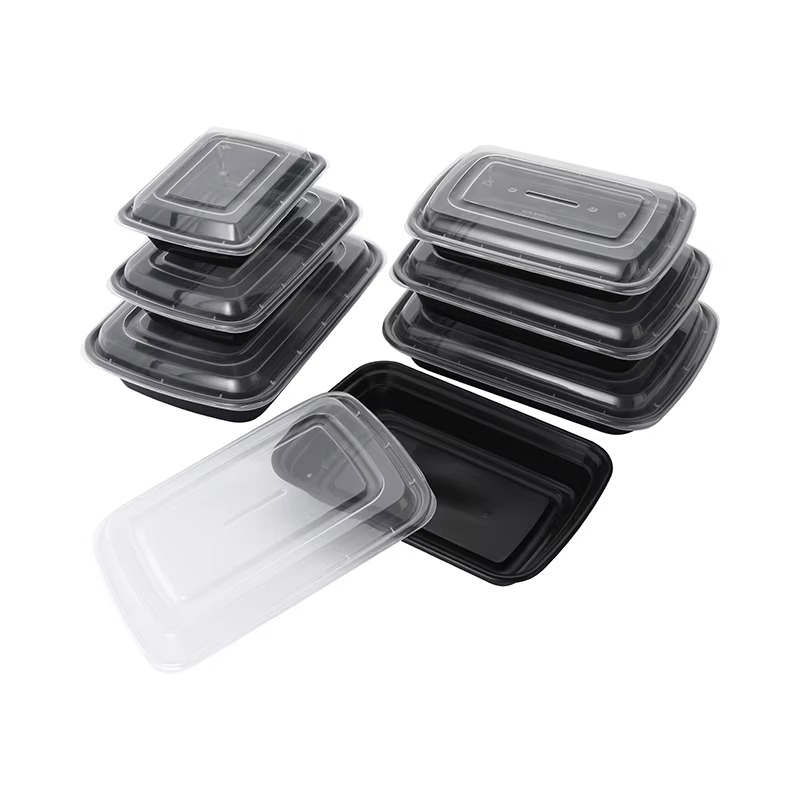
Disposable Rectangular Plastic Lunch Box Reusable Square Food Storage Containers for Office or School Use
- Microwave reheatable & deep-freeze safe
- Precision hermetic interlocking lid
- Optimized nestable stacking rib profile

Custom Eco Friendly Cardstock Chopstick Sleeves Food Grade Paper Covers Tableware Packaging for Restaurants Hotels Banquets
- Food-grade virgin wood pulp cardstock
- Soy-based vegetable ink flexo printing
- Fully automated die-cut fold & glue
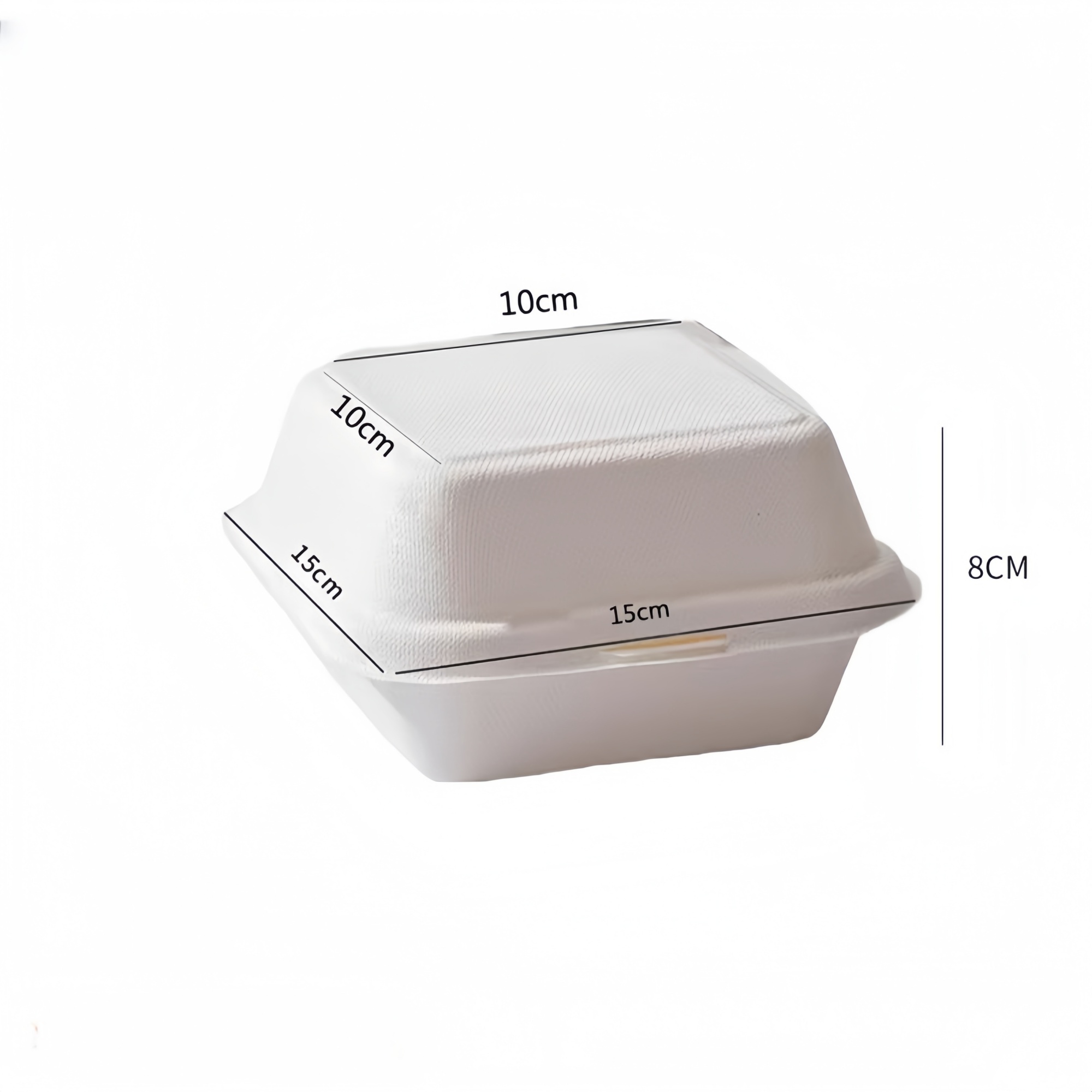
Biodegradable Bagasse Clamshell Lunch Box With Lid Recyclable BPA Free Takeout Container for Restaurant Picnic
- Natural sugarcane bagasse dry/wet thermoforming
- Oil & grease resistant up to 120°C (248°F)
- ASTM D6400 & EN 13432 compostable
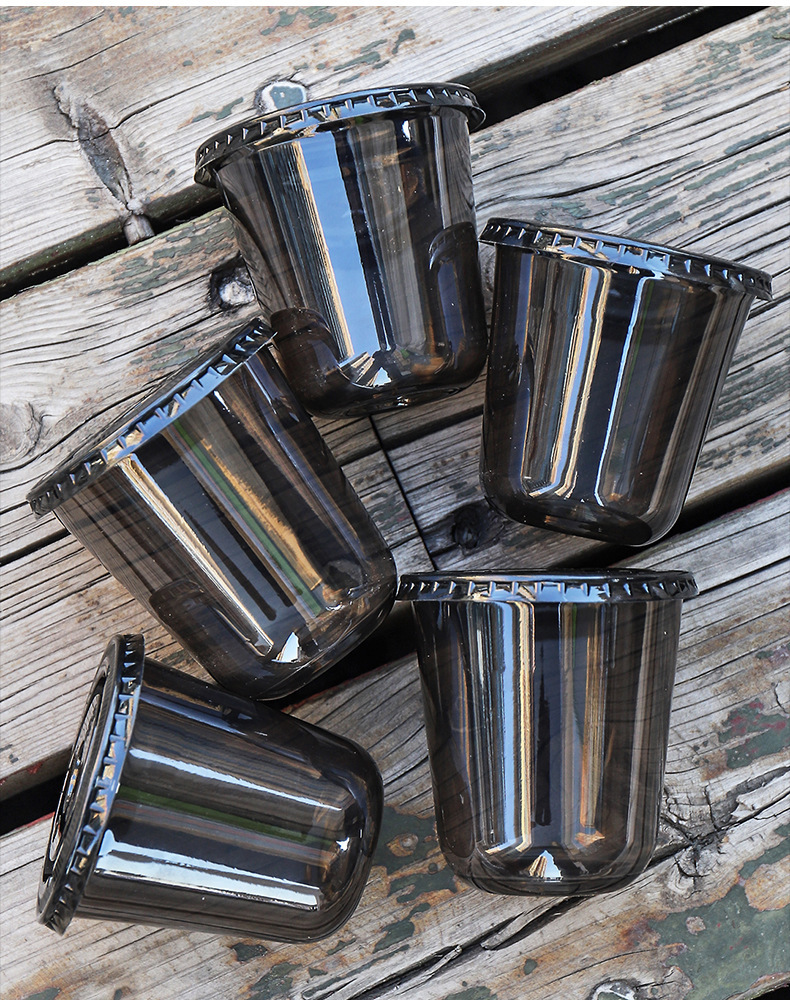
Wholesale Disposable Drink Cups Lids 8 32 oz Sizes Custom Logo Printed Black Clear PET Plastic for Coffee Bubble Tea Ice 90mm
- Optical grade crystal clear PET resin
- Universal 90mm/95mm/98mm rim calibers
- Recyclable resin identification code #1
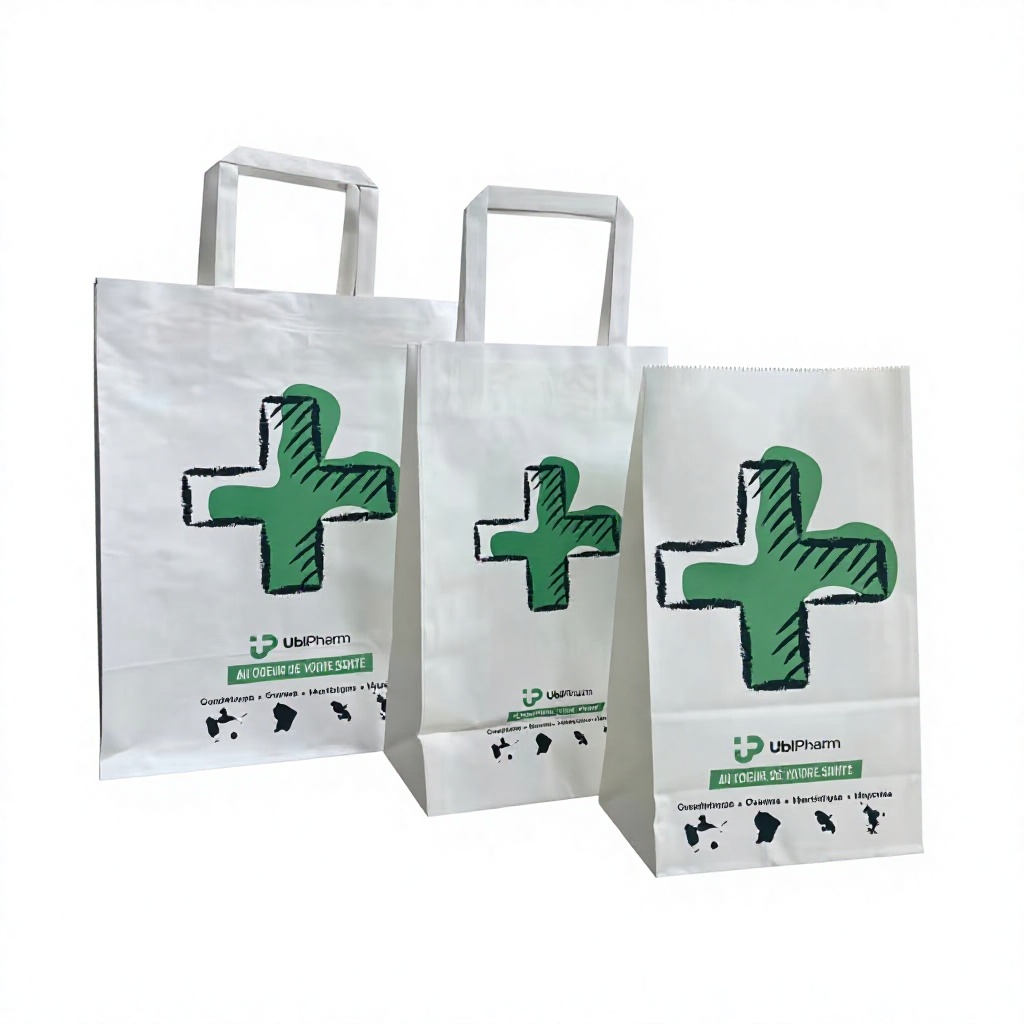
White Paper Shopping Bag Custom Printed Carrier Bag Flat Bottom Gift Packaging for Pharmacy Retail
- Heavy-duty bleached kraft paperboard
- Reinforced block flat bottom for takeout
- Automated multi-color inline printing
Guangdong Pudse Packaging Technology: Industrial Strength in Numbers
Operating from Dali Town, Nanhai District, Foshan, we integrate in-house precision tooling, high-pressure thermoforming, pre-press Roland offset printing, and post-press automated die-cutting under strict ISO 9001 governance.
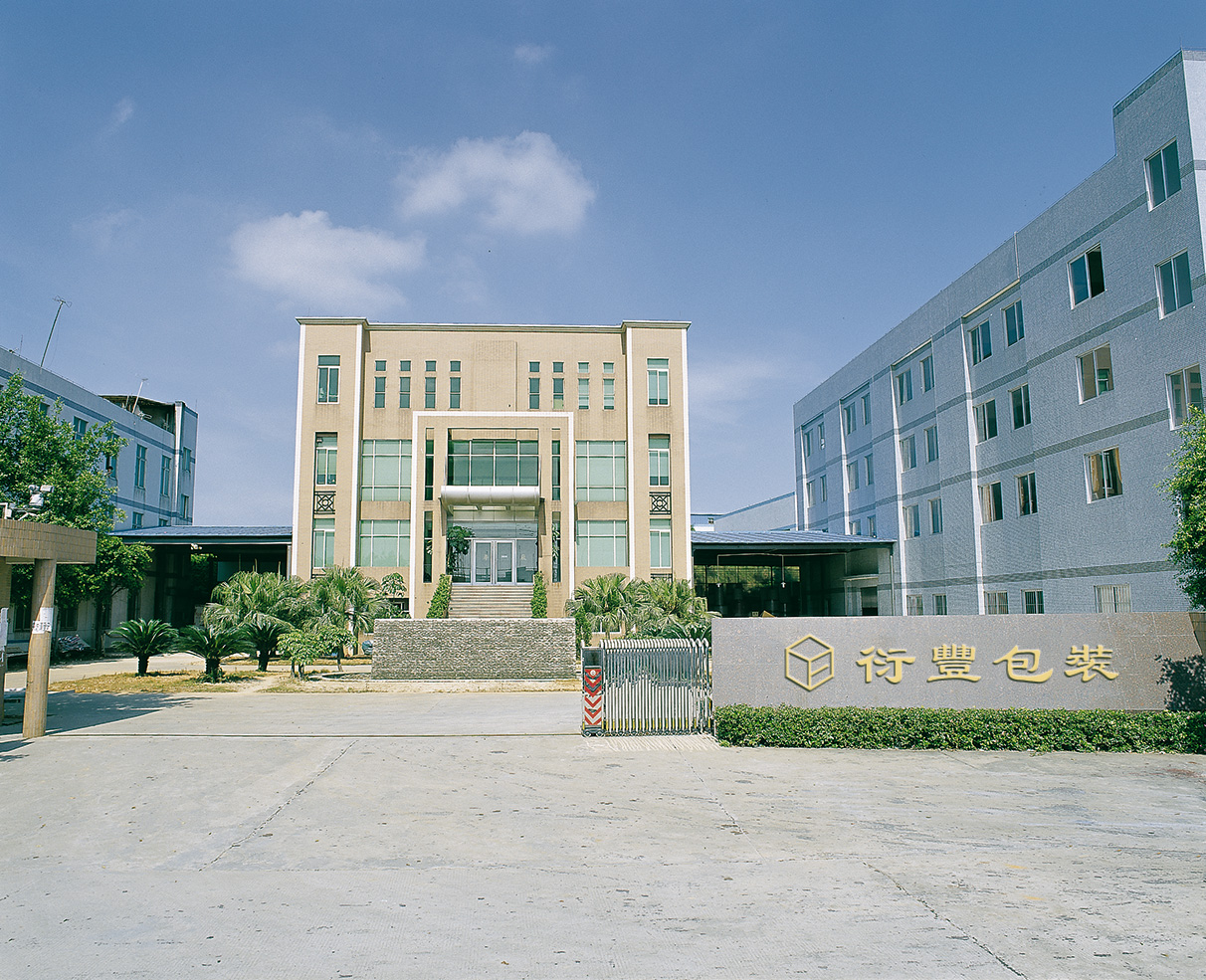
Vertical Manufacturing Integration From Fiber Slurry to Export Pallet
Unlike pure trading intermediaries, Guangdong Pudse Packaging Technology controls the complete manufacturing chain. Situated directly within the Pearl River Delta industrial shipping corridor, our proximity to Guangzhou Port (Huangpu/Nansha) and Shenzhen Port (Yantian/Shekou) minimizes domestic drayage expenses and eliminates inland logistics bottlenecks.
Equipped with high-precision Roland 4-color offset printing machinery and auxiliary 6+1 color printing lines, enabling spot UV, matte lamination, and gold foil stamping directly on folding food packaging cartons and sleeves.
Automated pulp hydrapulpers, vacuum dewatering tables, hot-press shaping molds, and CNC automatic trimming systems ensure smooth burr-free edges, uniform wall density, and tight dimensional tolerances for automated denesting lines.
Material Science, PFAS-Free Barrier Chemistry & Thermoforming Dynamics
A rigorous engineering analysis of sugarcane bagasse fiber behavior, mold release mechanics, and regulatory compliance standards for international food packaging distributors and supermarket procurement heads.
1. Sugarcane Pulp (Bagasse) Morphological Structure & Thermo-Mechanical Attributes
Sugarcane bagasse is the fibrous residue remaining after crushing sugarcane stalks (Saccharum officinarum) during sucrose extraction. From a chemical perspective, virgin bagasse pulp is composed of approximately 45–55% cellulose, 20–25% hemicellulose, 18–24% lignin, and minor extractives. The intrinsic tensile strength and modulus of bagasse fibers rival that of hardwood pulp, with an average fiber length ranging between 1.0 to 1.7 mm and an aspect ratio exceeding 65:1. This fiber geometry provides an exceptional interlocking matrix during the vacuum-assisted wet-forming process.
During the high-temperature thermoforming sequence (operating at 160°C to 205°C under hydraulic pressures exceeding 15 MPa), the residual lignin acts as a thermoplastic binder. When heated past its glass transition temperature (Tg), lignin undergoes controlled plasticization, migrating within the inter-fiber voids to create an exceptionally rigid, consolidated cell structure. This structural density accounts for the remarkable burst strength, edge-crush resistance, and stackability of sugarcane clamshells and compartmentalized trays compared to conventional recycled corrugated cardboard or thermoformed expanded polystyrene (EPS).
Engineering Fact: Bagasse molded fiber achieves a specific modulus comparable to unreinforced polypropylene while remaining carbon-neutral over its cradle-to-cradle lifecycle. The photosynthetic absorption of CO2 during cane maturation offsets 100% of embodied agricultural emissions.
2. The Evolution of Oil and Water Barrier Chemistries: The PFAS-Free Imperative
Historically, the foodservice industry achieved oil and grease resistance in molded fiber products by introducing fluorinated surfactants—specifically Per- and Polyfluoroalkyl Substances (PFAS)—into the wet-end wet-slurry chest. These long-chain and short-chain fluorochemicals reduced the surface energy of cellulose fibers below 18 dynes/cm, effectively repelling both water and lipids.
However, with escalating global restrictions—including the US FDA voluntary phase-out, European REACH restriction proposals, and state-level bans across California (AB 1200), New York, and Washington—wholesale buyers face severe penalties for non-compliant inventories. Pudse has spearheaded the transition toward non-fluorinated, bio-based barrier technologies. Our factory deploys advanced physical and chemical fluorochemical alternatives:
- Water-Borne Dispersion Barrier Coatings (WBBC): Formulated with aqueous acrylic, carboxylated styrene-butadiene, or micro-fibrillated cellulose (MFC) applied via surface spraying or curtain coating. These systems provide a continuous pinhole-free film capable of passing TAPPI T559 (Kit Test) level 7–9 without fluorochemical additions.
- Alkyl Ketene Dimer (AKD) & Epichlorohydrin Crosslinking: Internal sizing strategies utilizing optimized AKD and polyamidoamine-epichlorohydrin (PAE) wet-strength resins that chemically bond to hydroxyl groups on the cellulose backbones, achieving water Cobb values below 30 g/m² over 30 minutes.
- Biopolymer Lamination (PLA/PBS Blends): For high-viscosity gravies, acidic sauces, and prolonged hot-holding above 85°C, Pudse utilizes ultrasonic or thermal vacuum lamination of ultra-thin (15–25 micron) Polylactic Acid (PLA) or Polybutylene Succinate (PBS) films, providing a 100% waterproof seal that degrades completely in industrial composting facilities.
3. Exhaustive Substrate Performance Matrix
To aid procurement managers in evaluating cost, thermal utility, and regional packaging compliance, the table below contrasts molded sugarcane pulp against conventional packaging polymers and hybrid paperboards:
| Technical Characteristic | Molded Sugarcane Bagasse | PE-Coated Kraft Board | Polypropylene (#5 PP) | Clear PET (#1) | Expanded Polystyrene (EPS) |
|---|---|---|---|---|---|
| Raw Material Origin | Upcycled Agricultural Waste | Virgin Wood Pulp + PE Film | Fossil-Fuel Olefin Monomer | Petrochemical Polyester | Styrene Petrochemical |
| Working Temp Threshold | -20°C to +120°C (-4°F to 248°F) | Up to +100°C (212°F) | -20°C to +125°C | Max +60°C (140°F) Cold Only | Max +80°C (Melts on hot oil) |
| Microwave Compatibility | Safe (Up to 5 min at 800W) | Moderate (PE delamination risk) | Highly Safe (Industry Standard) | Unsafe (Deforms immediately) | Hazardous (Styrene leaching) |
| PFAS Status Options | 100% Certified PFAS-Free Available | Standard PE Barrier (PFAS-Free) | Polymer Only (PFAS-Free) | Polymer Only (PFAS-Free) | Polymer Only |
| Compostability Certification | BPI, EN 13432, OK Compost Home | Non-Compostable (PE separates) | Non-Compostable (Non-degradable) | Non-Compostable | Non-Compostable |
| Recyclability Classification | Repulpable in paper streams | Specialty repulping required | Recycle Code #5 (Resin dependent) | Curbside Code #1 Widely Recycled | Landfill / Minimal Recycling |
| Rigidity & Stack Burst Index | High (Dense fiber interlock) | Medium (Flexible fold) | High (Ductile resistance) | Medium (Brittle under freeze) | Extremely brittle (Breaks easily) |
Future Procurement Trends in Sugarcane Tableware (2025–2030)
Global regulatory landscapes, carbon tax implementations, and brand circularity pledges are fundamentally transforming how international purchasing directors source molded fiber containers.
1. Mandatory Global PFAS Banning & Total Fluorine Verification
Importers into North America and Western Europe can no longer rely on self-declared vendor statements. Custom authorities now require Total Organic Fluorine (TOF) testing below 100 ppm via combustion ion chromatography.
Wholesale buyers are consolidating orders exclusively with manufacturers possessing established third-party laboratory verification (SGS, TÜV, Intertek) to circumvent catastrophic border port rejections and civil liability lawsuits.
2. Molded Fiber Lid Replacement for Hot Coffee & Soups
Single-Use Plastics Directives (SUPD) across the EU and bans across Canadian provinces are phasing out thermoformed Polystyrene (PS) and PET beverage lids.
The urgent industry challenge is molded bagasse lids with high snap-fit elasticity. Pudse’s precision tooling engineering delivers negative undercut rim tooling with leak-proof rim tolerances of ±0.2mm, enabling smooth acoustic click-lock sealing on paper and bagasse cups.
3. Lightweighting & Molded Fiber Densification
Ocean freight shipping costs emphasize cubic meter efficiency and carton gross weight. Next-generation tooling uses micro-ribbing architectures and high-tonnage multi-stage pressing to reduce container grammage by 12–18% while increasing rim flexural rigidity.
This structural optimization allows 20% higher carton container stuffing density, significantly reducing per-unit landed shipping costs for cross-border B2B distributors.
4. Circular Home Compostability & Marine Degradability
While commercial composting facilities remain unevenly distributed in suburban markets, institutional catering buyers are actively prioritizing TÜV "OK Compost HOME" certified items.
Sugarcane bagasse achieves complete disintegration in home soil environments within 90 days at ambient temperatures (20–30°C), converting into water, CO2, and nutrient-dense biomass without leaving ecotoxic microplastics.
5. Direct Brand Embossing & Laser Watermark Customization
To avoid secondary adhesive paper labels that compromise compost stream purity, fast-casual franchise chains require 3D raised-relief logo embossing directly integrated into the mold cavity surface.
Utilizing high-speed 5-axis CNC mold engraving at our Foshan facility, we provide intricate brand logos, QR codes, and tamper-evident debossing without increasing cycle times or unit prices.
6. Extended Shelf-Life Barrier Trays for Modified Atmosphere Packaging
Supermarket meat, poultry, and pre-cut produce sectors are abandoning expanded polystyrene trays in favor of barrier-treated bagasse trays compatible with Modified Atmosphere Packaging (MAP).
By integrating food-contact biopolymer barrier films, bagasse trays achieve Oxygen Transmission Rates (OTR) under 5 cc/m²·day and Water Vapor Transmission Rates (WVTR) under 10 g/m²·day, maintaining raw protein freshness across retail supply chains.
Dry-Mold vs. Wet-Mold Thermoforming: Manufacturing Realities
A transparent breakdown of production methodology, mold tooling investments, draft angles, and quality control systems deployed at Guangdong Pudse Packaging Technology Co., Ltd.
Molding Technologies Compared: Selecting the Correct Processing Route
Wholesale buyers frequently question the visual and tactile differences between molded fiber products. The final product characteristics depend directly on whether wet thermoforming or conventional dry pressing was employed during manufacture:
Wet Thermoforming (Pudse Tableware Standard)
In this process, pulp is formed on a wire-mesh tool, then transferred directly while still wet into high-temperature drying molds. Water is evaporated under mechanical clamping pressure.
- Smooth, pristine finish on both interior and exterior surfaces
- Precise dimensional tolerances (±0.3mm) for automated lid closure
- Exceptional rigidity and edge trimming sharpness
- Ideal for: Clamshell lunch boxes, dinner plates, soup bowls, coffee lids
Dry Pressing / Thick-Wall Molding
Pulp is dewatered, dried in a tunnel oven without compression, and subsequently hot-pressed in a secondary stamping tool.
- One smooth side, with a rough mesh texture on the reverse side
- Higher wall thickness and lower density matrix
- Lower tooling initial capital expenditure
- Ideal for: Industrial protective end-caps, egg cartons, electronic cushions
In-House Tooling Design & Precision CNC Machining
A frequent source of delay in custom OEM tableware procurement is outsourced mold development. Guangdong Pudse operates in-house tooling workshops utilizing high-speed 5-axis CNC machining centers. Our CAD/CAM engineers design molds with optimized draft angles (minimum 1.5° to 3° for deep-draw takeout containers), custom vacuum hole distribution patterns, and proprietary thermal cartridge channelings that guarantee uniform heat distribution across 100% of the cavity face. This eliminates soft spots, under-cured rims, and warping during automated demolding.
Automated Flash Trimming and Quality Assurance Protocols
Upon exiting thermoforming presses, molded bagasse articles retain raw peripheral flash. Pudse utilizes automated robotic die-cutting stations and laser trimming tables to achieve clean, burr-free edges. Every production run undergoes automated vision inspection checking for pinholes, visual particulate contamination, wall thickness consistency via ultrasound gauges, and edge dimensional accuracy before items pass to UV sterilization tunnels and cleanroom shrink-wrapping.
Frequently Asked Questions: Wholesale Sugarcane Pulp Sourcing
Practical commercial, regulatory, and engineering guidance tailored for overseas importers, supply chain managers, and commercial packaging distributors sourcing from China.
What are the exact MOQ thresholds across your sugarcane and food packaging ranges?
How do you guarantee sugarcane tableware is 100% PFAS-free for US and EU customs?
Can sugarcane pulp containers handle boiling liquids, greasy gravies, and microwave heating?
What are the lead times for custom tooling design, prototyping, and container production?
How does your factory prevent mold formation and moisture degradation during ocean transit?
What international food contact and compostability certifications do you maintain?
Which payment options, international trade terms, and currencies do you support?
How does your in-house printing infrastructure benefit our private-label packaging brand?
Initiate Your Wholesale Factory Order or Custom Tooling Request
Connect directly with our engineering sales team in Foshan. Receive complete technical specifications, custom dieline templates, PFAS-free compliance reports, and instant FOB/CIF container quotations within 1 hour.