Navigating the Global Transition to Sugarcane Pulp Packaging
A strategic overview of food-contact pulp moulding, international export compliance, thermal endurance thresholds, and private-label tooling dynamics.
The global institutional shift away from single-use expanded polystyrene (EPS) and conventional fluorinated polymers has accelerated the commercial adoption of dry-molded and thermoformed sugarcane bagasse packaging. As food chains, institutional catering bodies, and commercial airline operations contend with rigorous global packaging directives—such as the European Packaging and Packaging Waste Regulation (PPWR), extended producer responsibility (EPR) mandates in North America, and sweeping regional bans across Oceanic and UK territories—procurement directors face significant operational pressure. Identifying certified manufacturing facilities capable of delivering chemical compliance, high dimensional consistency, and custom dieline integrity is paramount.
Bagasse, the fibrous residual byproduct harvested following the extraction of sugarcane juice (Saccharum officinarum), provides exceptional tensile performance and native fiber rigidity without relying on virgin timber reserves. However, converting raw biomass into export-ready clamshell containers, multi-compartment lunchboxes, and sealable bento formats demands high engineering acumen. The parameters of mechanical pulp refinement, hot-pressing compaction ratios, mold-release agents, and fluorine-free surface tension barriers dictate whether a takeaway container maintains rigidity under dense steam, hot oil loading, and multi-tier logistical staging.
Verified Export Catalog & Custom OEM Solutions
Review our core production runs spanning thermoformed bagasse, barrier-coated kraft paper, and high-clarity recyclable food containers.
 Offset Foil Print
Custom Luxury High-Quality Paper Hot Stamping Red Packet Envelope
View Specifications → Kraft Range
Customizable Kraft Paper Bag for Takeout Restaurant Food Logistics
View Specifications →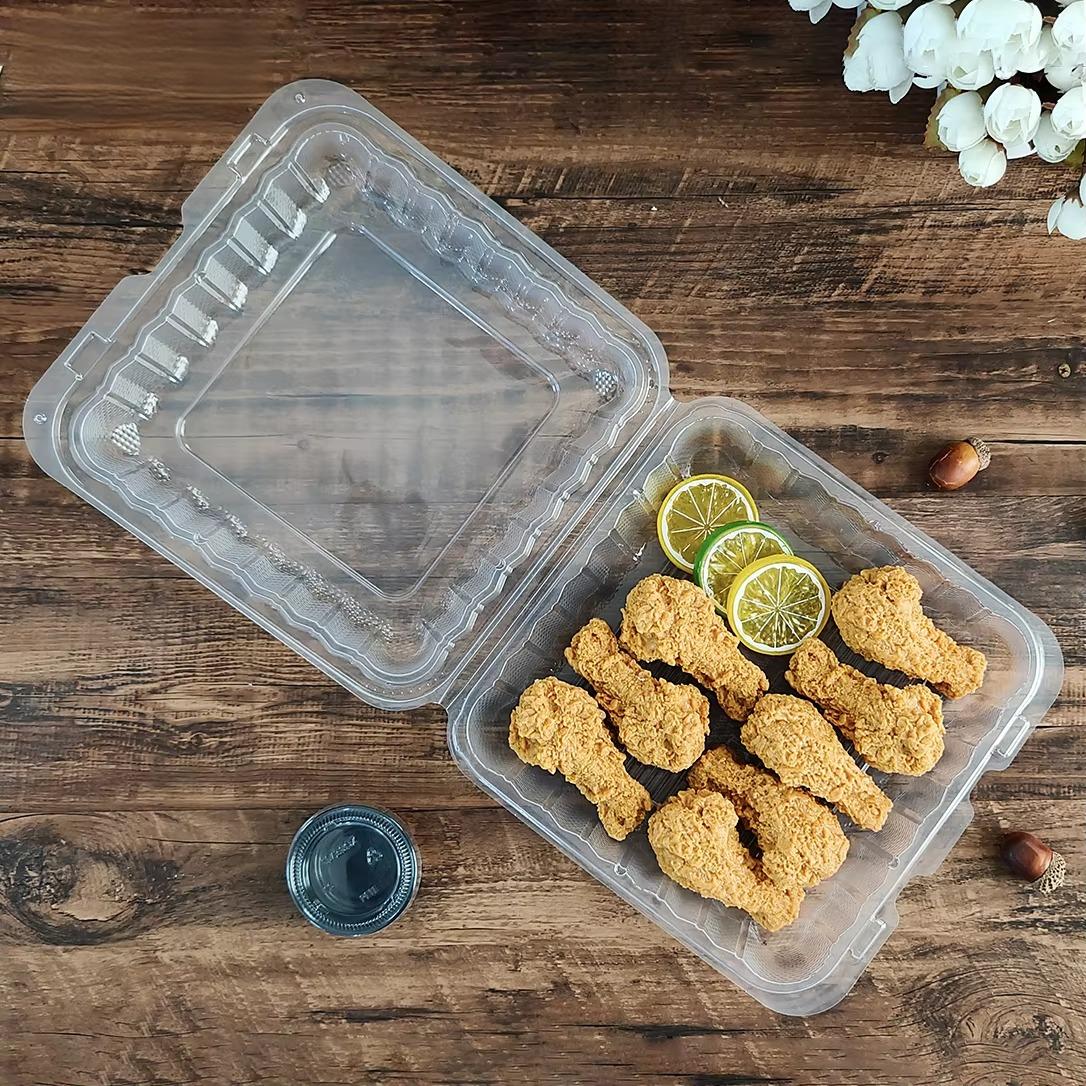 Bento Series
9-Inch 1-Compartment PP Plastic Bento Lunch Clamshell Container
View Specifications →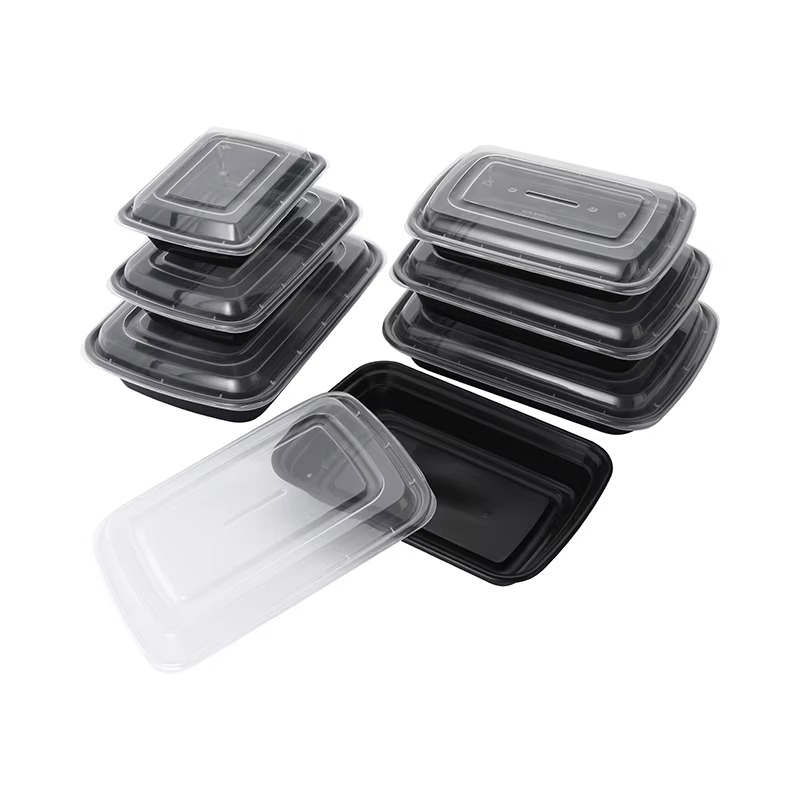 Reusable PP #5
Disposable Rectangular Food Storage Bento Box for Kitchens & Offices
View Specifications → High Clarity
Custom Printed Cold Beverage PET Cup 12oz-16oz with Tight Blister Lids
View Specifications →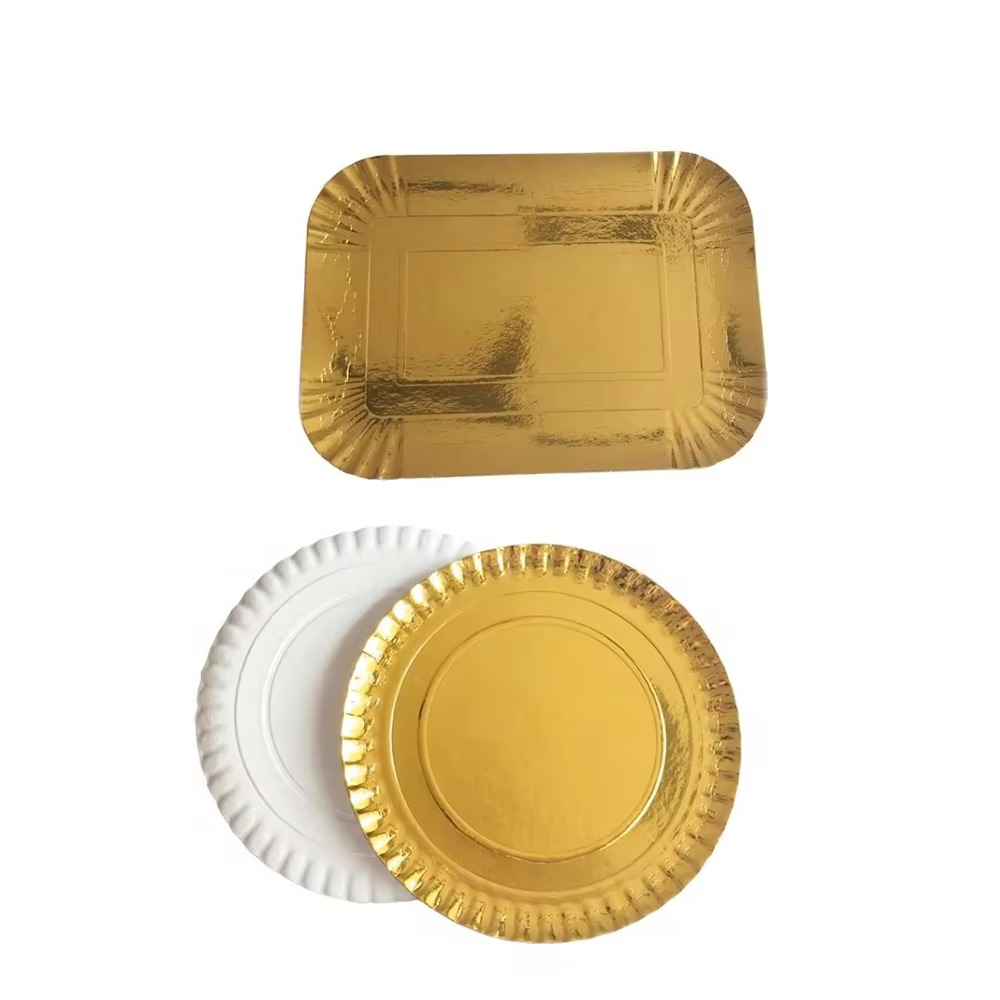 Bakery Grade
Wholesale Gold Round Thick Cardboard Cake Board Grease-Proof Base
View Specifications → Eco Cutlery
Custom Eco-Friendly Cardstock Chopstick Packaging Sleeves & Wraps
View Specifications →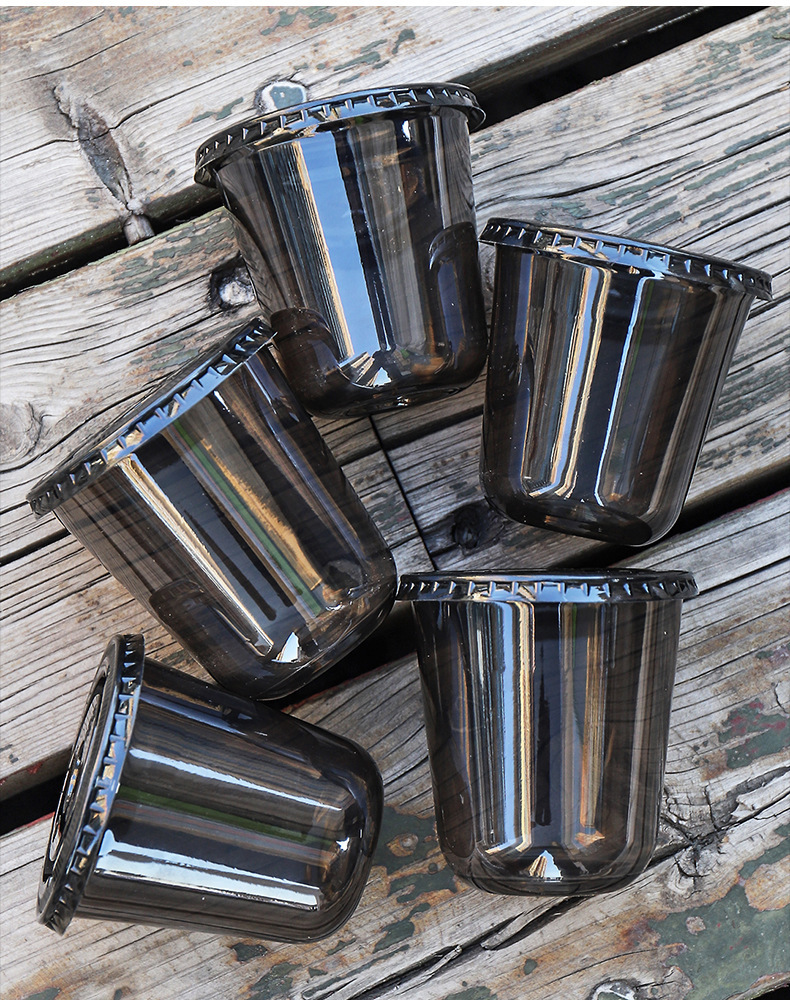 Drinkware
Wholesale Clear PET Drinkware Cups & Spill-Proof Lids 8oz to 32oz
View Specifications →Future Procurement Trends: The Strategic Horizon
How international trade protocols, extended regulatory liabilities, and chemical safety mandates are redrawing enterprise purchasing specifications.
1. PFAS Elimination & Certified Fluorine-Free Barriers
Long-chain per- and polyfluoroalkyl substances (PFAS) historically served as the primary oil repellents in molded fiber production. With severe bans enforced across California (AB 1200), New York, and the European Union, forward-looking buyers now specify biological, water-based acrylic, or alkyl ketene dimer (AKD) surface barriers that achieve oil kit rating ≥6 without trace fluorine contaminants.
2. Thermoformed Surface Calendering & Precision Lidding
Traditional rough-edge bagasse often suffered from vapor micro-leakage and loose lid engagement. The industry is rapidly adopting precision-trimmed, multi-station heated mold calendering. This produces crisp locking beads, continuous lip sealing flanges, and allows seamless interchangeability between high-clarity RPET thermoformed lids and zero-plastic fiber molded lids.
3. Hybrid Nested Form Factors for Shipping Density
Ocean freight container yields are a critical metric for global distributors. Next-generation tooling focuses on calculated draft angles between 7° and 9°, enabling extreme nesting density. Optimizing stacking pitch reduces volumetric freight weight by up to 28%, significantly lowering the per-unit landing cost for 40-foot High Cube (40HQ) container movements.
Technological Evolution in Molded Fiber Engineering
From wet slurry filtration to automated thermoforming: an objective review of mechanical performance thresholds and barrier engineering.
The manufacturing architecture of sugarcane bagasse clamshells has advanced past standard vacuum-suction molding. Early market generations struggled with variable structural density, which left corners susceptible to grease permeation and micro-cracking along living hinges. Modern industrial operations deploy computerized pneumatic consistency control throughout raw pulp hydration, blending virgin sugarcane fibers with long-strand bamboo pulp (frequently in an 80/20 or 70/30 equilibrium ratio) to heighten modulus of elasticity and tensile break-points.
The critical performance metrics comparison below reflects standardized empirical laboratory thresholds utilized by major international food inspection authorities when auditing molded bagasse versus secondary market substrates:
| Mechanical & Environmental Property | PFAS-Free Sugarcane Bagasse | PE-Coated Kraft Board | Thermoformed Polypropylene (PP #5) |
|---|---|---|---|
| Thermal Endurance Range | -20°C to +120°C (Microwave / Freezer Safe) | Up to 100°C (Brief microwave warming) | -20°C to +120°C (Extended Microwave Reheating) |
| Lipophilic Barrier Performance | Oil resistance up to 95°C via bio-barriers | Impervious up to internal PE film melt point | Inherent, hydrophobic lipid barrier |
| End-of-Life Industrial Degradation | EN 13432 / ASTM D6400 (60–90 days) | Recyclable only with hydrapulping separation | Fully mechanically recyclable (RIC 5) |
| Structural Rigidity Under Hot Steam | High: micro-porous breathable fiber walls | Moderate: susceptible to delamination folds | High: rigid rim lock prevents condensation sag |
| Custom Mold Tooling Lead Times | 12–18 Days (CNC Machined Aluminum) | 5–7 Days (Standard Steel Die Dieline) | 20–25 Days (Multi-Cavity Injection / Thermoform) |
Furthermore, post-mold processing has evolved. In-mold visual embossing now yields crisp brand logos directly into the interior or exterior box lids without ink usage, preserving absolute compostability while eliminating print solvent liabilities. For brands requiring high-definition exterior branding, wrap-around printed paperboard sleeves—printed using food-safe offset methodologies—provide rich brand identity while keeping the inner food-contact envelope pure.
Guangdong Pudse Packaging Technology: Engineering Authority
Combining in-house German offset presses, precision molding equipment, and end-to-end export compliance from Foshan, China.
A Fully Integrated One-Stop OEM Ecosystem
Headquartered in Dali Town, Nanhai District, Foshan, Guangdong, Guangdong Pudse Packaging Technology Co., Ltd. has operated as an onsite-verified manufacturer and exporter since 2009. Our production hub is strategically positioned within South China's primary manufacturing corridor, adjacent to Guangzhou and Shenzhen maritime shipping hubs for optimal FCL and LCL container dispatch.
Unlike basic trading intermediaries, Pudse consolidates mechanical pre-press, molding lines, German Roland 4-color and 6+1 printing machinery, computerized die-cutting stations, and automatic folding lines under a unified roof. This vertical cohesion eliminates cross-supplier color variations, secures tight dieline tolerances, and ensures accountable batch testing from raw sugarcane pulp hydration to ocean pallet wrapping.
Contact Us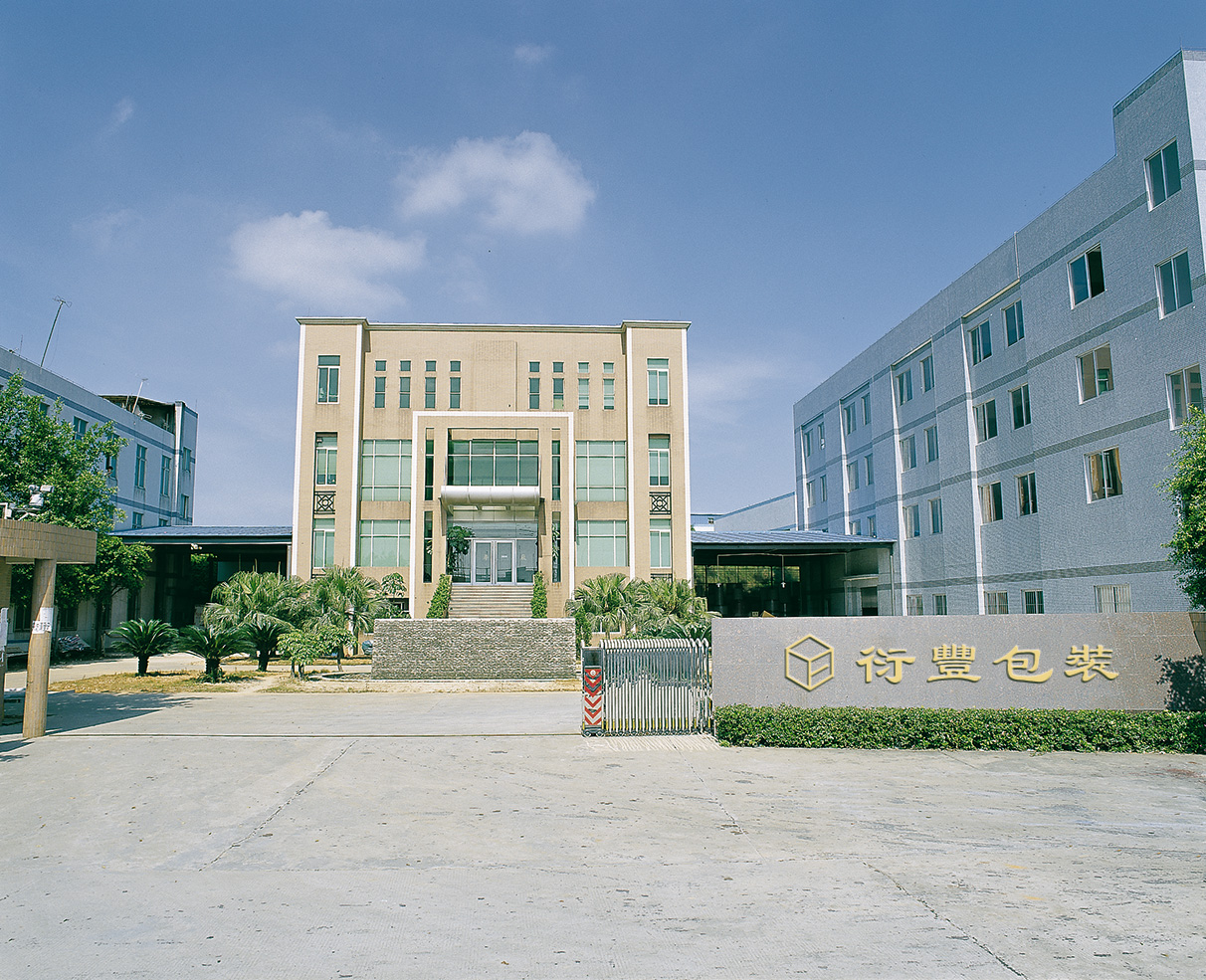
In-House German Roland Presses
State-of-the-art Roland four-color and multi-unit finishing lines deliver spot Pantone matching, matte/gloss lamination, precision hot foil stamping, and tactile relief embossing for retail food boxes and wrap sleeves.
Sub-1-Hour Communication SLA
Time-zone differences disappear with our commercial service desks. We maintain an audited average response time of ≤1 hour with a 100% verified response rate on international supply platforms.
Frictionless Multimodal Logistics
We support comprehensive international commerce terms, including FOB, CIF, DDP, and DDU. Payment processing covers USD, EUR, GBP, AUD, CAD, HKD, and CNY via secure letter of credit (L/C), T/T, and escrow terms.
Frequently Asked Technical & Sourcing Questions
Direct answers addressing mold ownership, chemical migration, minimum order values, and sampling protocols.
What are the exact Minimum Order Quantities (MOQs) across your packaging product lines?
How does Guangdong Pudse guarantee PFAS-free compliance for EU and US destinations?
What is the lead time and procedure for custom OEM mold prototyping?
Can sugarcane bagasse takeaway containers withstand microwave and freezer conditions?
Which international Incoterms and settlement options are supported for export shipments?
Initiate Your Custom OEM Packaging Manufacturing Run
Connect with our Foshan engineering and quoting team today. Receive tailored dielines, custom sample batches, and precise container landing cost analyses within 1 hour.
Contact Us