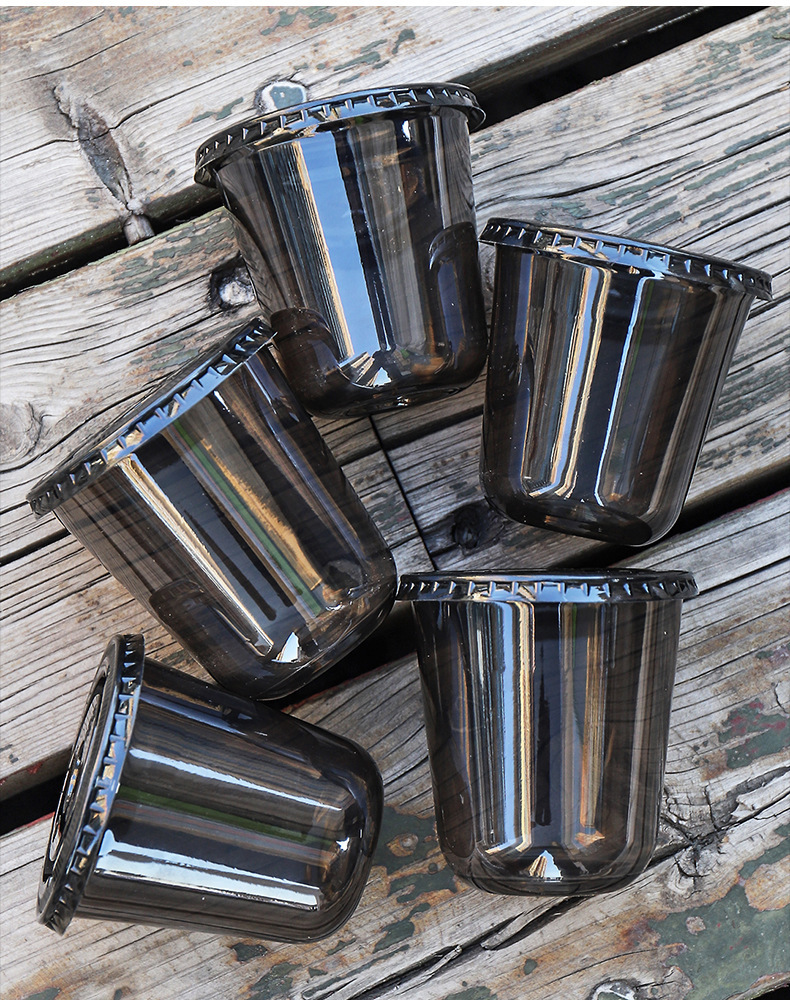
Custom OEM Compostable Food Packaging Manufacturers & Factory

High-Barrier Sugarcane Bagasse, Aqueous Kraft Paperboard & Circular Bio-Polymers Engineered for Global Foodservice Brands

Precision Manufacturing Portfolio

Featured Commercial Packaging Solutions

Direct-from-factory OEM packaging engineered to satisfy strict international standards (ASTM D6400, EN 13432, FDA, and EU 10/2011). Fully customizable structural dielines, in-house high-fidelity printing, and certified food-contact safety.

2009
Established Year
30,000m²
Facility Footprint
0%
PFAS Fluorochemicals
≤ 1 Hour
Inquiry Response Time
100%
Audit Pass Rate
120+
Export Destinations
Technical Whitepaper • Material Science

Engineering Next-Generation Degradable Substrates

The rapid global phase-out of expanded polystyrene (EPS) and single-use fluorinated barriers requires precise chemical and mechanical engineering. Modern compostable food packaging must balance grease barriers, vapor resistance, structural rigidity, and commercial compost kinetics.

Sugarcane Bagasse & Molded Fiber Physics PFAS-Free Formulation

Bagasse, the fibrous residue remaining after sugarcane stalks are crushed for juice extraction, represents a premier circular raw material for high-rigidity food serviceware. Through thermomechanical wet-pulp molding under temperatures exceeding 190°C and pressures reaching 15–20 MPa, agricultural waste is converted into interlocking microcrystalline fiber webs with tensile strengths rivaling petrochemical polyolefins.

Historically, pulp-molded articles relied on short-chain Per- and Polyfluoroalkyl Substances (PFAS) to achieve oleophobic surfaces. To comply with North American regulations (California AB 1200, New York ECL 37-0209) and European restrictions, our factory engineers customized non-fluorinated barrier chemistry. By integrating food-grade bio-wax dispersions, modified cellulose nanofibers (CNF), and aqueous alkyl ketene dimers (AKD), our molded bagasse achieves Kit Test Level 8–10 oil resistance and water repellency up to 100°C without synthetic fluorocarbons.

  • Zero Fluorine Formulation: Total Organic Fluorine (TOF) levels strictly below 50 ppm detection limits.
  • Broad Thermal Envelope: Remains structurally stable from deep freezing (-20°C) to oven reheat (+120°C).
  • Direct Industrial & Home Composting: Mineralizes into nutrient-rich humus and CO₂ within 90 to 180 days according to ISO 16929 and ASTM D6868 benchmarks.

Aqueous Coatings vs. Extruded Bioplastics Recyclability Focus

Traditional paperboard packaging incorporates polyethylene (PE) extrusions that create composite materials nearly impossible to re-pulp in standard paper recycling mills. Even Polylactic Acid (PLA) biopolymer films, while compostable in industrial facilities with elevated thermal chambers (>58°C), disrupt traditional paper repulping lines if mixed into standard municipal waste streams.

Our OEM manufacturing facility specializes in proprietary water-based dispersion (aqueous) barrier technologies applied inline. Water-soluble acrylic and bio-resin nano-coatings form a coherent protective film across virgin unbleached kraft paperboard fibers. When submerged in hydrapulpers during municipal recycling, the aqueous coating dissolves or separates cleanly without microplastic residues, yielding fiber recovery rates greater than 92% under PTS and Western Michigan University repulpability testing protocols.

  • Repulpable & Recyclable: Readily processed through standard curbside paper recycling streams (EN 13430).
  • Micro-Sealing Mechanics: Ultrasonic seam welding eliminates adhesive glues, providing leak-tight integrity for boiling soups and oily sauces.
  • Reduced Volumetric Mass: Thinner coating layer reduces overall carton weight by up to 14% compared to heavy extruded PE films.

Comparative Technical Matrix: Sustainable Food-Contact Substrates

Packaging Substrate Thermal Integrity Range Grease / Oil Barrier Rating Microwave / Oven Safety End-of-Life Stream Primary Commercial Use Cases
Molded Sugarcane Bagasse -20°C to +120°C (-4°F to 248°F) Kit 8–10 (PFAS-Free Chemistries) Microwave Safe & Short Oven Industrial & Home Compostable Hot takeaway clamshells, school meal trays, burger boxes, soup bowls
Aqueous-Coated Kraft Board Up to 100°C (212°F) High Water Vapor & Grease Resistance Microwave Reheat Safe Curbside Recyclable / Repulpable Noodle pails, salad bowls, folding bakery cartons, street food boat trays
PLA-Lined Virgin Board Up to 85°C (185°F) Superior Moisture & Lipid Barrier Not Microwave Recommended Industrial Composting (EN 13432) Cold beverage cups, ice cream tubs, chilled deli display boxes
High-Purity Polypropylene (#5 PP) -20°C to +120°C (-4°F to 248°F) Impervious to Fats, Acids & Oils Fully Microwave & Dishwasher Safe Widely Recyclable Rigid Stream Meal-prep multi-compartment containers, reusable bento boxes, hot soup lids
Thermoformed Polyethylene Terephthalate (PET) Up to 60°C (140°F max) Exceptional Clarity & Gas Tightness Not Safe for Heat Highly Valued Mechanical Recyclate Bubble tea drinkware, cold juice cups, fresh cut fruit tubs, transparent bakery domes
Procurement Intelligence

Future Procurement Trends in Food Packaging (2025–2030)

Global supply chains are navigating regulatory upheavals, corporate environmental pledges, and volatile freight channels. Category managers, procurement directors, and importers must integrate these strategic trajectories into their vendor qualification processes.

1. Total Decoupling from Fluorinated PFAS

Regulatory frameworks in the US and EU are enforcing strict limits on long- and short-chain per- and polyfluoroalkyl substances. Enterprise sourcing mandates now demand batch-specific testing via Combustion Ion Chromatography (CIC) to prove fluorine-free composition before clearing customs checkpoints.

2. Volumetric Cube Optimization & Flat Logistics

Skyrocketing ocean freight rates require packaging re-engineering for volumetric efficiency. The industry is moving from pre-formed rigid containers to self-locking, precision-creased flat folding designs that increase shipping volume density by 28% to 42%, dramatically lowering landed costs per unit.

3. Mandatory Traceability & Digital Passports

In accordance with the EU Packaging and Packaging Waste Regulation (PPWR), brands must soon provide verifiable life-cycle tracking. Forward-looking buyers now specify packaging featuring microscopic 2D data-matrix codes that communicate resin identification, compost facility matching, and audited recycled content percentages.

4. Mono-Material Circular Redesign

Multi-layer laminate packaging is rapidly falling out of procurement favor due to punitive Extended Producer Responsibility (EPR) taxes on unrecyclable structures. Buyers are consolidating specifications into mono-materials: 100% natural fiber bagasse clamshells or mono-PP containers and lids that enter single recycling loops cleanly.

5. On-Demand Agile Prototyping & Micro-Batches

Rapid menu turnover in modern ghost kitchens and fast-casual chains has made traditional 8-week OEM development cycles obsolete. Leading buyers partner directly with agile factories capable of CNC tooling, automated digital sample cutting within 48 hours, and hybrid low-MOQ print trials.

6. Direct Manufacturer Sourcing Disintermediation

Global enterprises are bypassing trading intermediaries to work directly with audited manufacturing facilities in South China. Direct collaboration secures transparent quality assurance, verified dieline ownership, rapid design revisions, and wholesale factory pricing without third-party markups.

Factory Infrastructure & Capabilities

Why Importers Partner with Guangdong Pudse Packaging

Located in Dali Town, Nanhai District, Foshan—the heart of South China’s advanced precision manufacturing corridor—Guangdong Pudse Packaging Technology Co., Ltd. combines heavy production machinery with agile OEM engineering to serve global foodservice operations.

In-House Modern Machinery Fleet

Unlike standard trading assemblers that outsource critical manufacturing stages, our integrated Foshan facility maintains full operational control over the production workflow:

  • German Roland 4-Color Offset Press: Enables high-precision color reproduction, exceptional photographic resolution, and color fidelity across repeat orders.
  • 6+1 Specialized Printing Line: Allows inline application of spot UV varnishing, anti-scuff matte layers, and food-grade water barrier sealants in a single automated pass.
  • 4 Automatic Thermoform Molding Stations: High-tonnage hydraulic molding presses producing precise, burr-free sugarcane bagasse clamshells, plates, and bowls.
  • 6 High-Speed Precision Die-Cutting Units: Capable of micro-tolerance dieline conversion for complex folding cartons, sleeve closures, and leak-resistant lids.
  • Automated Window-Patching & Gluing Lines: Produces clear-display bakery containers and reinforced double-flap meal boxes at high operational speeds.

Quality Assurance & Export Advantage

Our operational management system is modeled on ISO 9001 frameworks, with comprehensive traceability protocols monitoring each step from incoming raw material to final container loading:

  • 100% Raw Fiber Verification: Incoming bagasse pulp and virgin kraft boards undergo moisture, burst factor, and heavy metal testing before entering production.
  • Rapid Prototyping Turnaround: In-house structural packaging designers provide 3D digital mockups within 24 hours and physical sampling in 3 to 5 business days.
  • Deepwater Port Logistics: Located near the Guangzhou and Shenzhen container terminals, ensuring rapid transport, lower local drayage fees, and reliable FCL/LCL departures.
  • Responsive Sourcing Support: Verified average inquiry response time under 1 hour during working hours, backed by a 100% response rate track record.
  • Global Incoterms Support: Complete handling of FOB, CIF, CFR, EXW, DDU, and DDP shipments, delivering cleared goods directly to buyer distribution centers worldwide.
Knowledge Base • Procurement FAQ

Frequently Asked Technical & Sourcing Questions

Detailed engineering, compliance, and commercial guidance to assist procurement officers, compliance directors, and brand owners in streamlining their custom food packaging orders.

How do you verify your compostable food containers are 100% PFAS-free?
We verify our packaging through certified third-party testing laboratories (such as SGS, TÜV, and Intertek) using Combustion Ion Chromatography (CIC) to analyze Total Fluorine (TF) content. Our PFAS-free sugarcane bagasse and aqueous kraft containers show Total Organic Fluorine (TOF) levels well below the 50 ppm threshold, satisfying California AB 1200, Washington State HB 1694, and European food contact standards. Test documentation and declarations of conformity are provided with production batches on request.
What are your Minimum Order Quantities (MOQ) across different material categories?
Minimum Order Quantities depend on the technical setup and machinery required for each product line:
• Stock PP Deli Containers & Reusable Bento Boxes: Low MOQs starting from 100 to 500 units for stock formats.
• Custom-Printed Kraft Paper Bags, Sleeves & Folding Boxes: 1,000 to 5,000 units, utilizing our Roland offset printing presses.
• Custom Molded Bagasse Containers & Coated Paper Cups: Typically 10,000 to 20,000 units per SKU. These runs require dedicated pulp molding cycles, high-tonnage forming dies, and automated inline die-cutting lines.
Can your factory provide custom structural dieline engineering and branding design?
Yes. Our engineering division offers comprehensive structural OEM and ODM support. If you have unique food portions, stacking requirements, or specific tamper-evident locking needs, our packaging engineers create CAD dielines and 3D renderings within 24 to 48 hours. After dieline sign-off, we supply precision digital knife cut samples for real-world fit, sealing, and kitchen drop-testing before tooling mass-production molds.
How do molded bagasse containers perform with high-temperature liquids and oily sauces?
Standard natural sugarcane fiber handles hot food up to approximately 100°C (212°F). For high-grease, oil-heavy, or boiling liquids (such as broths, gravies, and fried foods), we blend proprietary bio-wax and food-grade alkyl ketene dimer (AKD) emulsions directly into the virgin pulp slurry. This treatment produces a resilient barrier rated up to Kit Test Level 10, preventing grease breakthrough and softening during meal delivery.
What is the typical lead time for custom OEM sampling and full-container mass production?
For custom printed paperboard and pre-existing mold bagasse containers, prototype print samples typically ship within 5 to 7 working days. Mass production lead times for standard 20GP or 40HQ full container loads (FCL) are generally 20 to 30 calendar days from artwork proof approval and deposit clearance. Rapid replenishment programs can also be arranged for recurring contracts with seasonal forecasting.
What international food-contact certifications apply to your production facility?
Our products and clean manufacturing operations comply with major international health and environmental standards:
• United States: FDA 21 CFR 176.170 & 176.180 (Paper and paperboard components in contact with aqueous and fatty foods).
• European Union: Regulation (EC) No 1935/2004, Commission Regulation (EU) No 10/2011, and German LFGB overall migration tests.
• Compostability Benchmarks: Products are designed to comply with ASTM D6400 (USA) and EN 13432 (EU) industrial and home composting requirements.
What international payment options and commercial Incoterms do you accept?
We accommodate global trade transactions with flexible terms. Accepted payment options include Telegraphic Transfer (T/T), Irrevocable Letter of Credit at sight (L/C), D/P, D/A, Credit Card, PayPal, and Escrow. We transact in major currencies including USD, EUR, GBP, AUD, CAD, JPY, and CNY. Supported Incoterms (2020) include FOB (Guangzhou/Shenzhen), EXW, CFR, CIF, CIP, DDU, and DDP with customs clearance and door delivery.
How does your factory prevent warping, curling, and lid-fit failures during shipping?
Container seal and lid performance depend heavily on strict dimensional stability. In our Foshan facility, hot-press thermoforming dies are cut on high-precision CNC machinery to tolerances of ±0.2mm. Finished batches are acclimated in humidity-controlled staging zones to balance internal fiber moisture between 6% and 8% before packing. Cartons are then wrapped in moisture-barrier film and palletized, protecting them from ambient moisture changes during ocean transit.
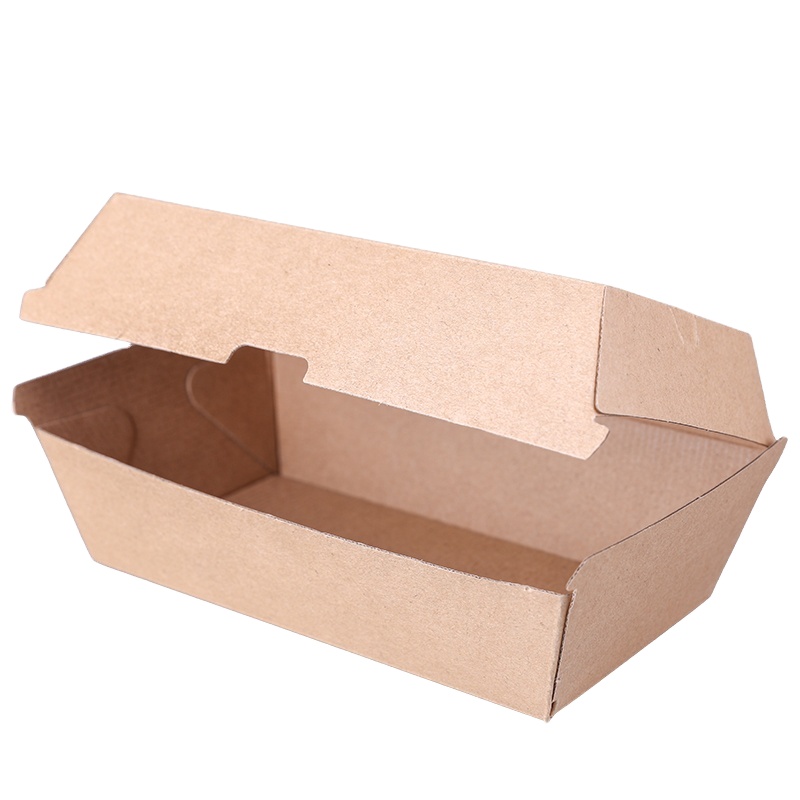
Request Your Factory-Direct OEM Dielines & Samples

Share your dimensional drawings, target capacity requirements, or barrier specifications. Our technical engineering and production team in Foshan will review your project and reply within 1 hour during business hours.

Inquire Now