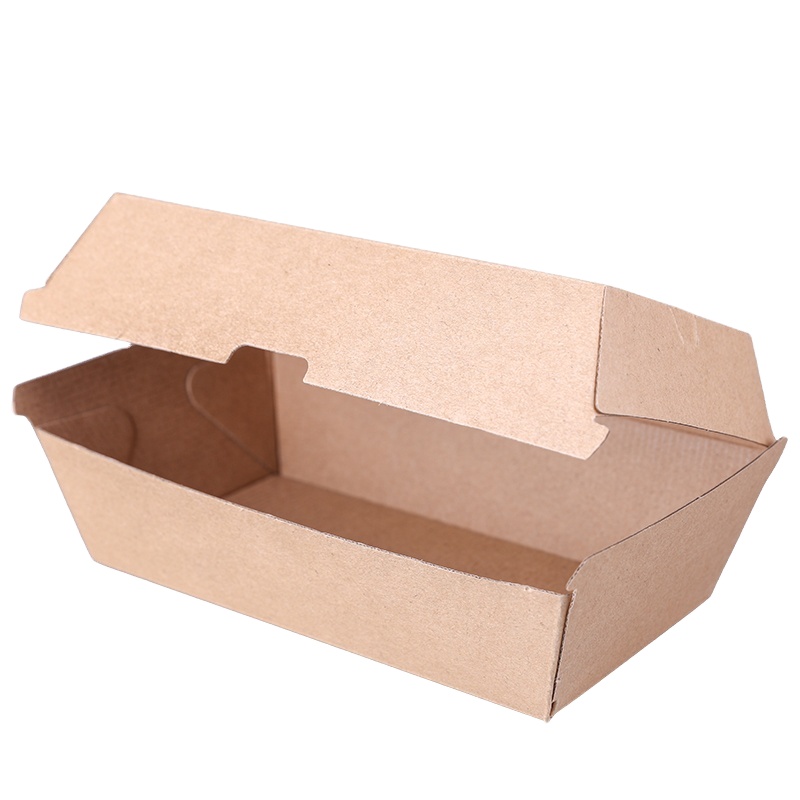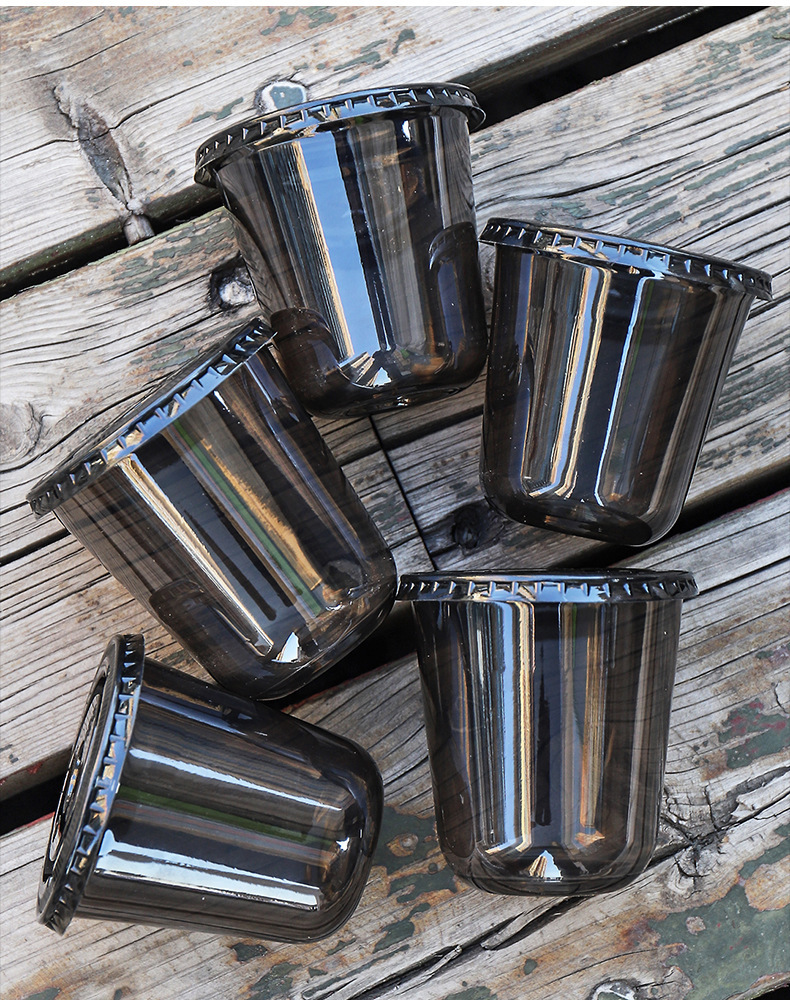
Custom OEM Disposable Food Containers Factories & Factory

Precision Tooling, In-House Offset Printing, and End-to-End Biodegradable Packaging Engineering for Global Importers, Multi-Unit Brands, and Distributors.

Factory Inventory & Custom OEM Series

Engineered Food Packaging Portfolio

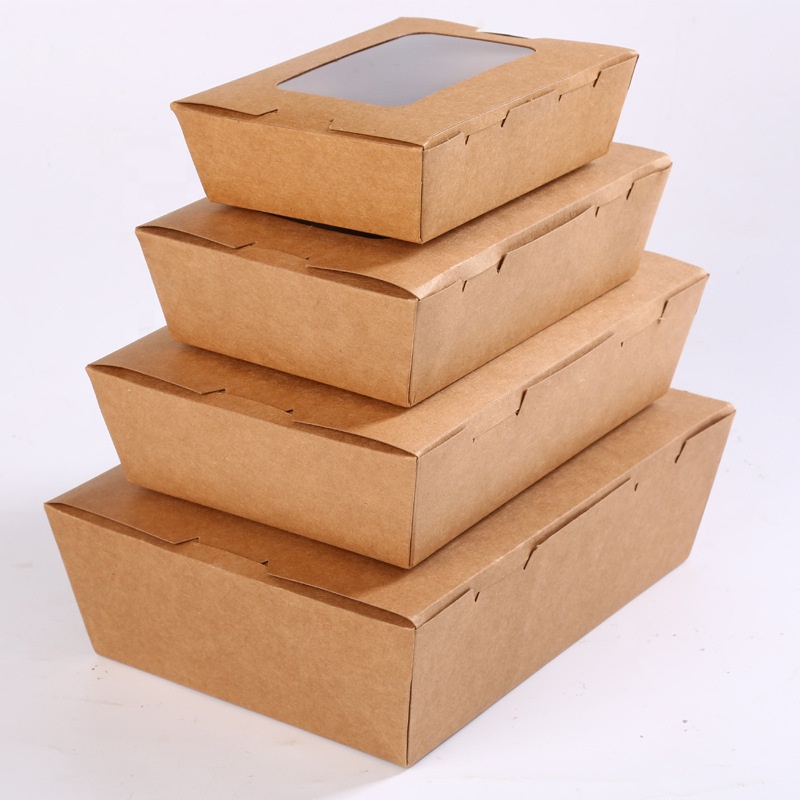
From high-clarity thermoformed beverage solutions to fluorine-free pulp mold designs and micro-flute kraft paper configurations, explore standard and customizable food service containers manufactured to strict LFGB, FDA, and EU food-contact standards.
2009
Manufacturing Heritage & Tooling Mastery
30,000 m²
Cleanroom Production & Warehousing
≤ 1 Hour
Rapid RFQ & Engineering Dieline Dispatch
100%
Batch Traceability & Regulatory Conformance
Factory Integration

Why Direct OEM Factory Partnerships Outperform Trading Intermediaries

In food packaging, micro-tolerances in snap-fit rims, barrier uniformity, and migratory compound controls make or break multi-unit rollouts. Guangdong Pudse Packaging Technology integrates mold metallurgy, inline high-speed thermoforming, and specialized post-press converting under one audited roof in Dali Town, Foshan.

⚙

Advanced Machinery Fleet

Equipped with a German Roland 4-color offset printing press and high-precision 6+1 color printing infrastructure, our manufacturing plant ensures consistent delta-E color controls across millions of impressions.

  • In-house pre-press CTP dieline configuration
  • Automated die-cutting and high-speed folding units
  • Integrated hot stamping, embossing, and UV curing
⚖

Barrier Chemistry & Compliance

Navigating global regulatory crackdowns requires granular understanding of substrate chemistry. We supply verified raw material formulations tested against evolving toxicological standards.

  • PFAS-free fluorine-free sugarcane bagasse pulps
  • Water-based dispersion barrier coatings (Aqueous)
  • Virgin virgin kraft and high-clarity #1 PET & #5 PP polymers
🚀

Supply Chain Scalability

Positioned immediately adjacent to key maritime channels (Guangzhou and Shenzhen ports), our logistics matrix accommodates everything from flexible mixed-container LCL consignments to steady high-cube FCL contract schedules.

  • Complete Incoterm support: EXW, FOB, CIF, DDP, DDU
  • Consolidated multi-SKU freight handling
  • Barcode integration & drop-test certified outer packaging

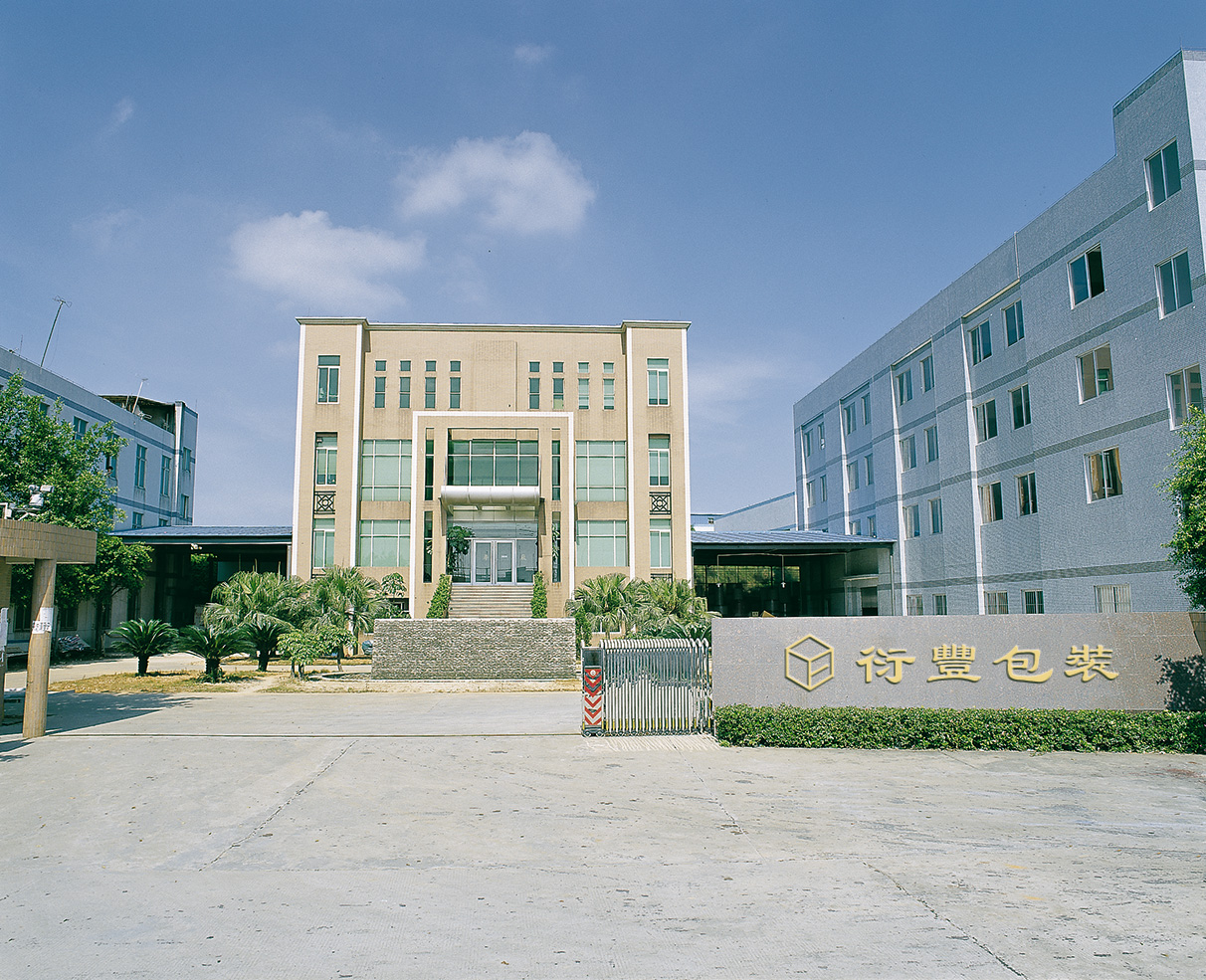
Guangdong Pudse Packaging Technology Facility

Founded in 2009 in Dali Town, Nanhai District, Foshan, Pudse Packaging operates at the convergence of printing precision and biodegradable material science. Serving foodservice distributors across North America, Europe, Oceania, and Southeast Asia, we eliminate third-party markup while providing direct engineer-to-engineer dieline consultation.

  • ISO 9001 Process Controls
  • FDA / LFGB / EU 10/2011 Verified
  • Dedicated Mold Metallurgy Division
  • In-House Graphic Structural Lab
Pudse Packaging Technology Modern Manufacturing Workshop and Headquarters in Foshan
Strategic Procurement Analysis

Future Sourcing Trends in Disposable Foodservice Packaging

Global procurement teams must balance brand equity, unit economics, automated packing speeds, and intense regulatory shifts. Below is an executive operational breakdown of where the market is moving over the next 3 to 5 years.

1. The Shift to PFAS-Free Pulp & Aqueous Barrier Coatings

Across the United States (state-level packaging bans) and the European Union (PPWR directives), the era of long-chain and short-chain fluorochemical grease repellents is closing. Traditional molded fiber often relied on PFAS surfactants to achieve hot-oil resistance up to 95°C.

Factory Insight: Our engineering lab has pioneered plant-based bio-wax emulsions and modified acrylic dispersion coatings applied inline. This yields an oil-kit rating of 7+ without synthetic fluorines, preventing greasy burn-through in hot takeaway conditions while retaining full industrial and home compostability certifications (EN 13432 / ASTM D6400).

2. Mono-Material Streamlining for Circular Recycling

Multi-layer laminations (such as paperboard fused with thick PE film) are increasingly penalized by municipal waste processing plants and subject to EPR (Extended Producer Responsibility) eco-taxes. Procurement leaders are pivoting toward mono-material streams.

Factory Insight: For clear cold drinkware, ultra-purified thermoformed Polyethylene Terephthalate (#1 rPET / PET) remains the global benchmark due to high tensile strength and established bottle-to-cup recycling streams. For microwavable hot soups, virgin homopolymer and random copolymer Polypropylene (#5 PP) deliver thermal rigidity up to 120°C without leaching phthalates.

3. Micro-Tolerances for Automated High-Speed Packing

Commercial ghost kitchens, central commissary operations, and industrial meal-kit packagers are moving away from manual container packing to automated robotic pick-and-place lines. This requires strict dimensional stability across every single molded unit.

Factory Insight: In manual sealing, an operator can accommodate a 1.5mm edge variance. In high-speed automated denesting machines, an uncalibrated flange angle leads to line jams and massive operational downtime. Our tooling molds feature micro-CNC tolerances under ±0.25mm, paired with engineered stacking shoulders that prevent vacuum locking during transit.

4. Supply Chain De-Risking via Agile Tooling and Hybrid OEM

Volatility in marine freight and resin futures necessitates flexible OEM manufacturers capable of producing across multiple substrate families. Relying solely on a plastic injection factory or solely on a paper converting plant restricts brand agility.

Factory Insight: Pudse Packaging operates a dual-track substrate model. By sourcing both molded sugarcane bagasse and specialized folding paperboard from one unified management system, enterprise buyers reduce administrative overhead, consolidate vendor qualification audits, and negotiate comprehensive bulk freight agreements.

Material Selection Protocol

Substrate Performance Matrix for Foodservice Buyers

Evaluate substrate properties against your specific thermal, moisture, shelf-life, and brand presentation requirements.

Substrate Class Working Temp Microwave Reheat Grease / Moisture Hold Primary Applications End-of-Life Status
Molded Sugarcane Bagasse -20°C to 100°C Yes (≤3 mins) High (Fluorine-Free Option) Burgers, Bowls, Bento Boxes Compostable (EN 13432)
Virgin Kraft Paperboard Up to 100°C Brief / Caution Aqueous or PE Lined Salad Troughs, Noodle Pails Recyclable / Repulpable
Polypropylene (#5 PP) -20°C to 120°C Excellent Complete Liquid Barrier Central Kitchen Hot Soups, Bento Widely Recyclable (#5)
Clear PET (#1) -30°C to 60°C No (Cold Only) Impermeable Boba Cups, Iced Lattes, Fruit Cuts Curbside Circular (#1)
Buyer Knowledge Base

Frequently Asked Questions on OEM Food Container Procurement

Direct technical answers to common questions asked by supply chain managers, private label owners, and food service brand directors.

What are your production lead times for custom dieline molds vs standard tooling?

Custom mold engineering for bagasse thermoforming or thermoformed PP/PET lids takes 14 to 20 business days from approved CAD drawings. Upon mold sign-off, pilot samples ship within 5 days. For standard in-stock molds with custom surface offset printing (such as kraft pails or sleeves), production cycles typically run 10 to 18 days depending on volume.

Can you guarantee that custom sugarcane pulp containers are 100% PFAS-free?

Yes. We offer fully certified Fluorine-Free (PFAS-Free) formulations that comply with Denmark's statutory packaging order, California AB 1200, and New York state food packaging restrictions. We provide verified third-party lab documentation (SGS/TÜV) confirming total organic fluorine (TOF) levels under 100 ppm.

How do you handle color matching across different packaging substrates?

Because brown kraft paperboard, bleached white bagasse pulp, and transparent PET absorb inks differently, our pre-press team uses standardized Pantone Matching System (PMS) swatches calibrated to substrate porosity. Our in-house German Roland press employs spectrodensitometric monitoring to keep delta-E variances below industry thresholds.

What are the typical MOQ requirements for customized packaging runs?

MOQ scales by material physics. Dedicated thermoformed bagasse and coated kraft production runs require a minimum of 10,000 to 20,000 pieces to balance raw roll slitting and mold setup. In contrast, custom printed paper packaging sleeves, folding boxes, and labels start from as low as 500 to 2,000 pieces, enabling phased seasonal rollouts.

How do you prevent lid seal failure and leakage during high-humidity transit?

Lid integrity relies on precise undercut rim angles. Our engineers design matched plug-fit and snap-lock closures with audible feedback rings. For hot soup applications, PP lids incorporate engineered anti-fog micro-vents that release steam pressure without permitting splashing or lid blow-off during delivery transport.

What logistics export support do you provide for port customs clearance?

Located in Foshan within the Greater Bay Area export corridor, we handle end-to-end export documentation: commercial invoices, packing lists with verified gross mass (VGM), bill of lading (B/L), certificates of origin (CO / Form E / Form A), and certified material migration testing reports for immediate customs clearance in destination ports.

Transform Your Food Packaging Supply Chain

Partner directly with Guangdong Pudse Packaging Technology. Receive complete engineering assessments, dieline files, and accurate production pricing within 1 hour.

Get a Quote