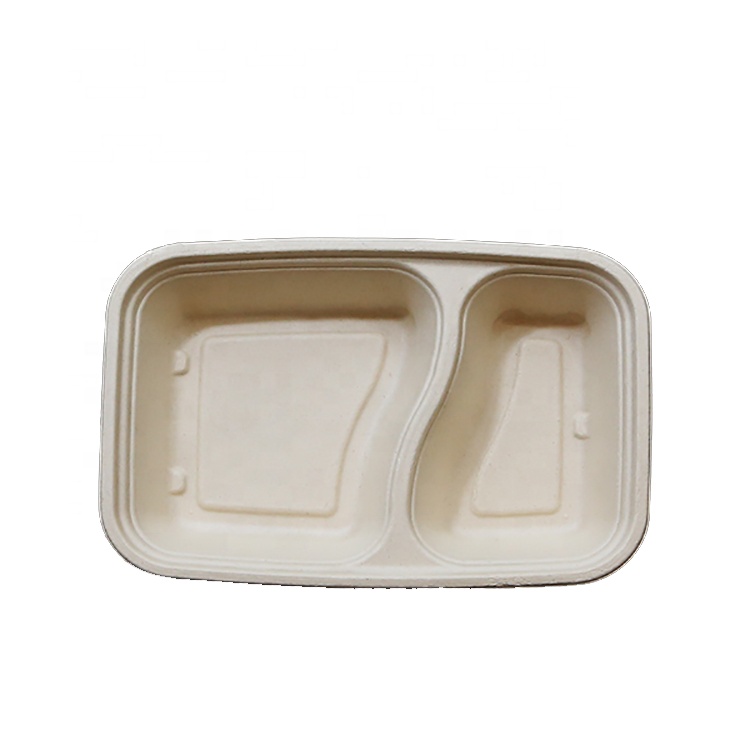
36oz Sugarcane Bagasse Food Box Two Compartment Disposable Pulp Lunch Container with Lid Restaurant Takeout
View Product Details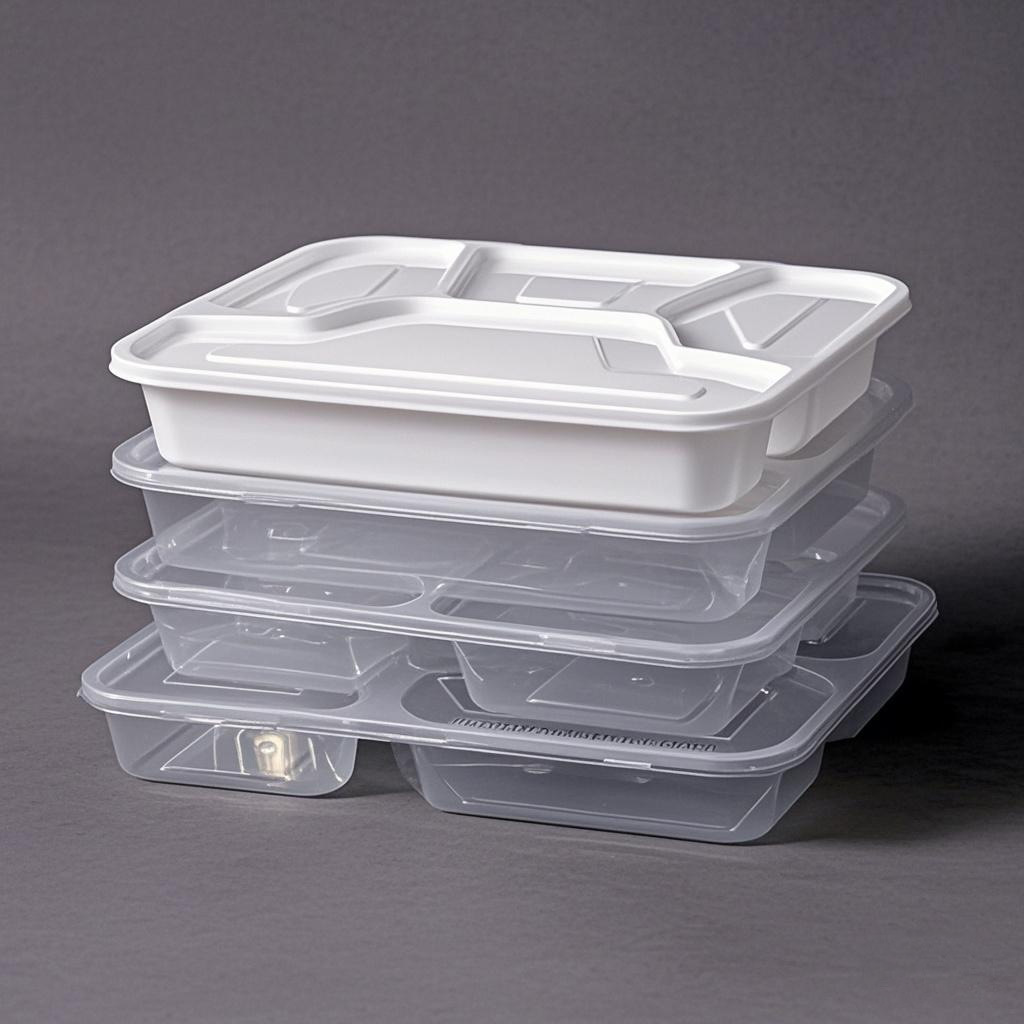
Hot Sale Plastic Bento Lunch Box Disposable Restaurant Food Container With Takeaway PP Lid Muti-Compartments
View Product Details
50gsm Custom Logo Printed Recyclable Waterproof Kraft Paper Bags Air Sickness Pharmacy Medical Use
View Product Details
Wholesale YANFENG 70 Gsm Eco-Friendly Recyclable Multi-Color Kraft Honeycomb Paper Roll 3030 Protective Cushioning Material
View Product Details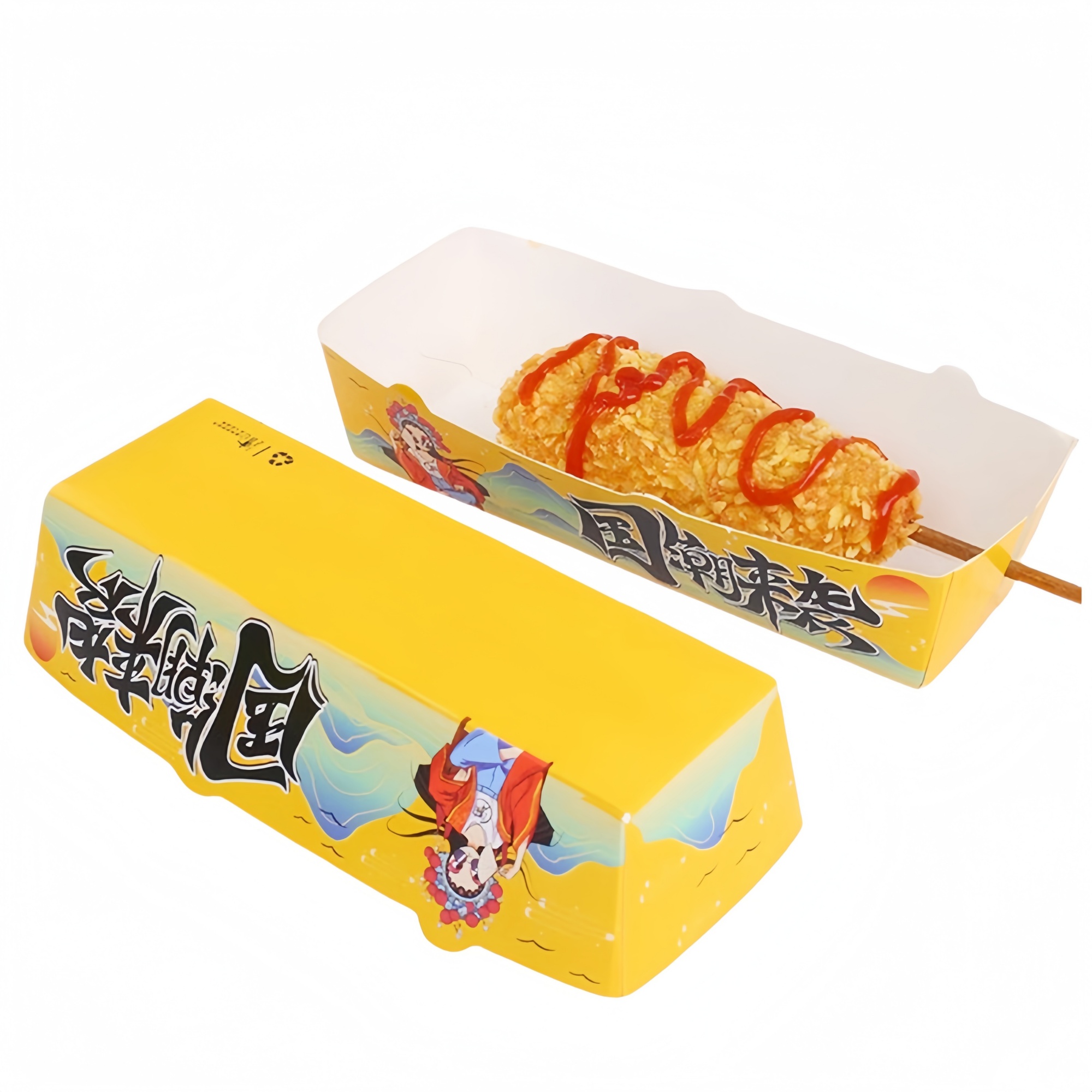
Custom Food Grade Art Paper Folders 2mm Recyclable Paperboard Packaging Matt Glossy Lamination UV Coating Gold Foil Embossing
View Product Details
Recyclable PP Nonwoven Cake Packaging Bag Custom Logo Print Hand Handle Food Use for Bakery
View Product Details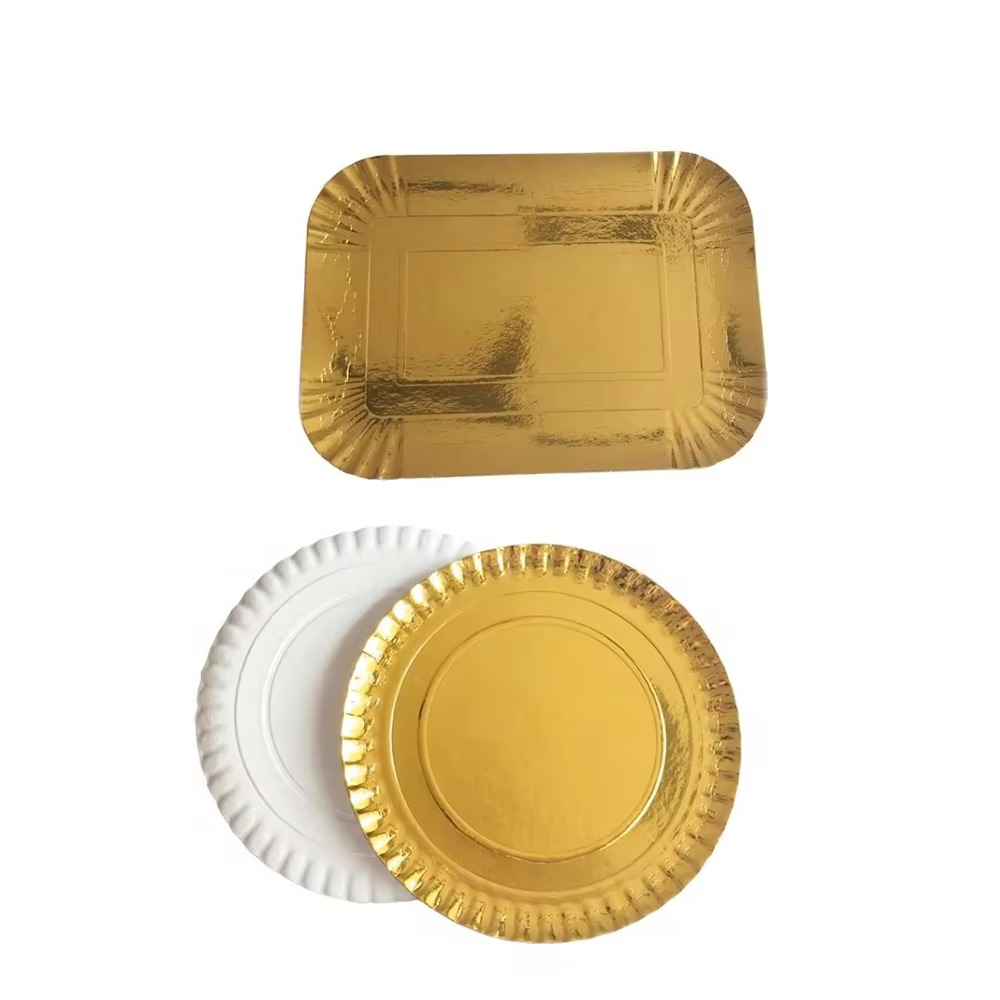
Wholesale Gold Round Thick Cardboard Cake Base Hot Selling Grease Proof Food Grade Cake Plate Cake Board Tray
View Product Details
Custom logo Printed Food Container Lunch Box Sleeve Recycled Paper Cardboard Eco-friendly Compostable Wrapping Sleeve
View Product DetailsB2B Whitepaper: Engineering Next-Generation Paper Snack Trays & Food Boats
In the rapidly shifting global QSR (Quick Service Restaurant), stadium concessions, and street food packaging sectors, selecting a reliable custom OEM paper snack trays manufacturer & factory requires rigorous technical evaluation. Disposable paper snack trays, often referred to as paper food boats, open-top food trays, or folding snack boxes, serve as the frontline touchpoint between food service operators and end consumers. Beyond basic aesthetic appeal, a commercially viable paper tray must balance mechanical stiffness, thermal resistance, liquid retention, cost efficiency, and strict regulatory compliance.
At Guangdong Pudse Packaging Technology Co., Ltd. (operating from our 10,000–30,000 m² facility in Foshan, China), we integrate pulp chemical engineering, precision structural die-cutting, and advanced high-speed offset printing. This technical whitepaper delves into substrate selection, barrier chemistries, structural load dynamics, and global supply chain optimization for enterprise procurement officers.
Substrate Chemistry & Fiber Mechanics (Grammage vs. Stiffness Index)
The structural performance of paper snack trays relies on paperboard caliper (thickness) and grammage (gsm / grams per square meter). Selecting the wrong substrate often results in side-wall bulging, corner tears, or oil soak-through during hot food service. The three primary paperboard classes utilized in OEM manufacturing include:
| Substrate Type | Caliper / Grammage Range | Tensile & Bursting Strength | Typical Food Application |
|---|---|---|---|
| Virgin Unbleached Kraft | 230 gsm – 400 gsm | High Ring Crush Test (RCT) & Mullen Burst Rating | Heavy fried snacks, poutine, nachos, loaded fries |
| Solid Bleached Sulfate (SBS) | 210 gsm – 380 gsm | Superior stiffness & print brightness (ISO 92+) | High-end bakery, confectionery, branded retail snacks |
| Recyclable Folding Boxboard (FBB) | 250 gsm – 450 gsm | Multi-ply design, optimized bulk-to-weight ratio | Eco-conscious takeaway, fast-food combo meals |
Barrier Coating Technologies: Polyethylene vs. Aqueous Dispersion Coatings
Raw cellulosic fibers are naturally hydrophilic and porous. To contain hot oils, melted cheeses, and sauces, functional coatings are applied during board converting. Historically, Polyethylene (PE) extrusion was the industry default. However, global legislative bans on single-use plastics have accelerated the adoption of next-generation aqueous barriers.
1. Traditional Polyethylene (PE) Extrusion: Applied at 12–18 gsm, PE forms a continuous thermoplastic film. It provides an exceptional moisture vapor transmission rate (MVTR) and grease resistance up to 100°C. However, PE-coated board requires specialized repulping facilities to separate plastic film from wood fibers during recycling.
2. Bio-Based Aqueous Dispersion Coatings (Water-Based Barriers): Applied via precision roll-coating systems, water-based acrylic or polyesther dispersion polymers penetrate the paperboard surface, creating a hydrophobic and lipophobic barrier. These coated trays pass PTS-RH 021/97 repulpability standards, allowing them to be recycled directly in standard paper mill waste streams without PE separation.
3. PFAS-Free Fluorochemical Alternatives: In response to stringent North American (US State legislation like CA AB 1200) and European (REACH Annex XVII) bans on per- and polyfluoroalkyl substances (PFAS), our Foshan manufacturing lines exclusively utilize PFAS-free grease-proofing agents achieving KIT Test Ratings from Kit 6 to Kit 12.
Market Intelligence: Future Global Procurement Trends (2025–2035)
Professional buyers must look beyond unit price and align their supply chains with incoming regulatory mandates and evolving consumer expectations. Procurement analysis reveals four pivotal trends re-shaping custom paper snack tray manufacturing:
1. Decarbonization & Scope 3 Emissions Transparency
Multinational restaurant chains and stadium management firms are increasingly auditing supplier Scope 3 carbon footprints. Paperboard sourcing is transitioning toward FSC (Forest Stewardship Council) certified virgin fibers and post-consumer recycled (PCR) pulp blends. Modern factories must provide Life Cycle Assessment (LCA) data demonstrating net carbon reduction compared to legacy EPS expanded polystyrene foam trays.
2. Structural Nesting Optimization for Freight Efficiency
Global sea freight dynamics necessitate optimized stacking geometry. Custom OEM paper snack trays are engineered with precise wall taper angles (typically 7° to 12°), allowing nested stacking densities that maximize pallet utilization. By increasing sleeve pack density by 25%, global importers significantly reduce per-unit shipping costs and warehouse footprint.
3. High-Speed Customization & Variable SKU Branding
QSR brands frequently run seasonal promotional campaigns requiring flexible die-cutting and multi-SKU print runs. Utilizing our in-house German Roland 4-color offset press and 6+1 UV coating lines, Pudse Packaging offers low minimum order quantities (starting from 100 to 2,000 units for select printed formats) with rapid artwork proofing within 24 to 48 hours.
| Evaluation Parameter | Legacy EPS Foam Trays | Standard PE-Coated Trays | Pudse Aqueous PFAS-Free Trays |
|---|---|---|---|
| Environmental Compliance | Banned in major markets | Restricted under SUPD | 100% Fully Compliant Globally |
| Grease Resistance (Kit Test) | High | Kit 10 - Kit 12 | Kit 8 - Kit 12 (PFAS-Free) |
| Microwave Reheating | Unsafe (Chemical leaching) | Moderate (Up to 100°C) | High (Up to 120°C Thermal Stability) |
| Repulpability / Recyclability | 0% Recyclable | Requires Specialized Separation | 100% Repulpable in Standard Mills |
Industry & Product Development Evolutionary Trends
The structural design of paper food trays has evolved from primitive single-fold cardboard pieces into sophisticated, multi-functional packaging architectures. OEM factories are pioneering several key engineering innovations:
A. Webbed-Corner & Leak-Proof Folded Mechanics
Traditional slit-and-tab food trays rely on corner cuts that leave open seams where liquid grease or hot sauces can leak. Advanced OEM manufacturers utilize webbed-corner die-cutting configurations. In this geometry, corner material is folded inwardly into a triangular gusset rather than cut away. When thermo-formed on automatic tray-erecting machinery, the bottom base forms an uninterrupted liquid-tight basin capable of holding liquid gravies, sauces, and melted butter without failure.
B. Integrated Condiment Dividers & Dual-Cavity Trays
Modern fast-casual dining demands ergonomics. Hybrid snack trays now feature press-out sauce cup holders or integrated paperboard dividers. By segregating crispy items (fries, chicken tenders, churros) from wet condiments (ketchup, mayo, salsa), these designs preserve food texture and enhance the end-user eating experience during mobility.
C. Micro-Ventilation & Anti-Sogginess Geometry
Delivery-focused snack packaging faces the challenge of trapped steam condensing back onto fried foods. Structural innovations include laser-cut micro-perforations along top flap margins and embossed interior floor ridges. Floor embossing lifts food 1.5mm off the tray bottom, creating an air-gap channel that prevents condensation buildup and maintains crispness.
Enterprise Superiority: Guangdong Pudse Packaging Technology Co., Ltd.
Located in Dali Town, Nanhai District, Foshan, Guangdong—the primary manufacturing and logistics hub of South China—Guangdong Pudse Packaging Technology Co., Ltd. stands as a premier manufacturer of eco-friendly food packaging solutions. Established in 2009, our company combines 15+ years of specialized packaging expertise with modern industrial scale.
Factory Infrastructure & Precision Equipment
Our state-of-the-art facility operates under strict ISO 9001 quality management guidelines. The plant features an integrated equipment ecosystem designed to handle complex pre-press, printing, molding, and post-press processes entirely in-house:
- German Roland 4-Color Offset Press & 6+1 UV Coating Line: Delivers sharp color fidelity, spot UV effects, matte/gloss laminations, and metallic foil stamping with minimal shade variance across production lots.
- 4 Automated Fiber & Board Molding Lines: High-speed precision forming machinery capable of churning out over 500,000 tray units daily.
- 6 Automated High-Speed Die-Cutting & Gluing Stations: Ensures sub-millimeter structural accuracy and edge sealing.
- In-House Testing Laboratory: Every production batch undergoes Cobb 60 water absorption testing, bursting strength verification, drop testing, and oil penetration analysis.
Comprehensive One-Stop Custom OEM/ODM Services
We serve international importers, packaging distributors, chain QSRs, and private-label brands across North America, Europe, East Asia, and South Asia. Our full-service workflow includes:
1. Structural Dieline Engineering: Provide your food dimensions, target weight, and food type, and our engineering team will render custom dielines within 24 hours.
2. Rapid Prototyping: CAD sample plotting and digital print proofing delivered within 3 business days for physical testing.
3. Flexible Order Volumes: From low MOQ custom digital prints to high-volume container shipments (FCL/LCL), we accommodate diverse brand stages.
4. Frictionless Global Logistics: Strategically situated near Guangzhou and Shenzhen export ports, we support FOB, CFR, CIF, EXW, DDP, and DDU shipping terms across multiple currencies (USD, EUR, GBP, CAD, AUD, JPY, HKD, CNY).
Comprehensive Procurement FAQ for B2B Packaging Buyers
Partner with a Trusted Paper Packaging Factory
Upgrade your food service packaging with factory-direct pricing, certified PFAS-free barriers, and custom engineering. Contact Guangdong Pudse Packaging Technology Co., Ltd. today to request sample kits and instant dielines.
Send an Inquiry