High-Velocity Wholesale Packaging Solutions
Explore our core volume-manufactured product series. Each SKU is precision-engineered for maximum stacking compression, high thermal endurance, and rapid brand customization under strict quality management.



Engineering Structural Integrity in Plant-Fiber Pulp Molding
A deep analysis into thermodynamic stability, fiber matrix bonding, and chemical oil-barrier performance for commercial-scale export procurement.
Molded Sugarcane Bagasse Mechanics & Pulp Rheology
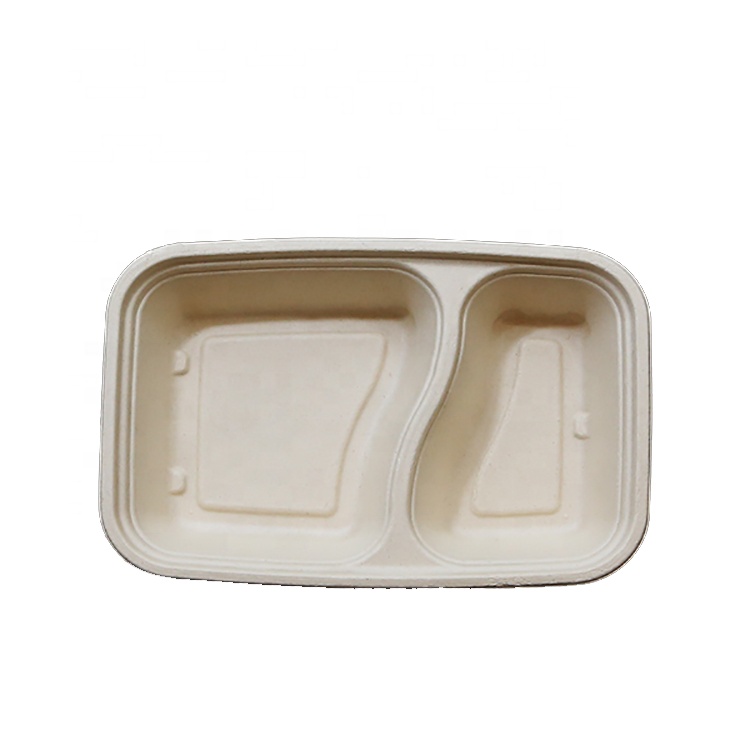
Sugarcane bagasse is the fibrous residue remaining after sugarcane stalks are crushed to extract juice. Historically treated as agricultural waste or combusted in low-efficiency boilers, bagasse has emerged as the global benchmark substrate for rigid compostable packaging. The fiber composition—predominantly cellulose (45%–55%), hemicellulose (20%–25%), and lignin (18%–24%)—exhibits remarkable inter-fiber hydrogen bonding when subjected to controlled thermoforming.
During the automated wet-molding thermoforming process, high-consistency slurry (roughly 0.8% to 1.2% pulp suspension in demineralized water) is vacuum-aspirated onto precision-machined bronze or stainless steel wire-mesh molds. Hydraulic clamping pressures exceeding 15 to 22 MPa combined with heated die platens running between 175°C and 210°C evacuate latent moisture, initiating instantaneous cellulose cross-linking. The resulting fibrous matrix yields exceptional specific flexural rigidity, outperforming expanded polystyrene (EPS) in puncture resistance without requiring petrochemical blowing agents.
For international supply chain managers and national restaurant distributors, selecting an OEM partner requires thorough verification of dry-fiber vs. wet-fiber press architectures. Guangdong Pudse Packaging Technology utilizes multi-stage vacuum dewatering and integrated trimming dies that eliminate loose fiber shedding (fluffing) along hinge boundaries, ensuring clean snap-lock actuation in rapid-fire commercial kitchen dispensaries.
2009
Established Factory30,000 m²
Operational Footprint≤ 1 Hour
Engineering Response100%
Onsite-Verified QCSubstrate Performance Matrix: Foodservice Packaging Evaluation
Evaluating commercial food containers against strict thermodynamic, regulatory, and sustainability parameters.
| Performance Parameter | Pudse Molded Bagasse | PE-Coated Kraft Board | Polypropylene (PP #5) | Expanded Polystyrene (EPS) |
|---|---|---|---|---|
| Operating Thermal Range | -20°C to +120°C (Boiling/Hot Oil) | -10°C to +95°C | -20°C to +130°C | -10°C to +75°C (Deforms) |
| Microwave Reheating Safe | Excellent (<5 min) | Moderate (Dry Only) | Excellent | Unsafe (Leaching Risk) |
| Grease Resistance Chemistry | PFAS-Free Water-Dispersed Acrylic | 15–18 gsm PE/PLA Extrusion | Inherent Non-Polar Polymer | Porous / Low Resistance |
| Global Compostability Certification | BPI, EN 13432, ASTM D6400 | Industrial (PLA Only) | Non-Compostable | Non-Compostable |
| Stacking Compression Strength | High (Dense Interlocked Fiber) | Medium (Prone to Buckling) | Very High (Elastic Memory) | Low (Brittle Fracturing) |
| Embodied Lifecycle Carbon (kg CO₂e) | Ultra-Low (Agricultural Residue) | Moderate (Wood Pulp Base) | High (Petrochemical Crack) | Extremely High (Fossil Fuel) |
Global Packaging Trends & Regulatory Forecast (2025–2030)
Anticipate supply chain disruptions, legislative bans, and chemical barrier mandates shaping international food container trade over the next decade.
1. Global Elimination of PFAS Chemistry
Regulatory authorities including the US FDA, European Chemicals Agency (REACH), and regional jurisdictions have instituted outright bans on per- and polyfluoroalkyl substances (PFAS) in food-contact tableware. Traditional pulp packaging relied on fluorinated surface treatments for grease repellence. The future belongs exclusively to waterborne biopolymer dispersions, aqueous plant wax coatings, and chemical-free mechanical fiber refining that achieve Kit 7 to Kit 9 oil-holdout without detectable organic fluorine.
2. Volumetric Stacking & Freight Optimization
With volatile ocean container freight indexes, shipping nested clamshells efficiently dictates profitability. Traditional manual pulp presses yield 5° to 7° draft angles with inconsistent thickness, resulting in bulky cartons that consume disproportionate TEU cubic capacity. Advanced OEM lines now utilize high-precision CNC toolsets with ultra-steep 2° draft angles and precision chamfered debossing, improving nesting density by 32% and reducing per-unit container landed freight costs.
3. Dynamic Moisture & Steam Micro-Venting
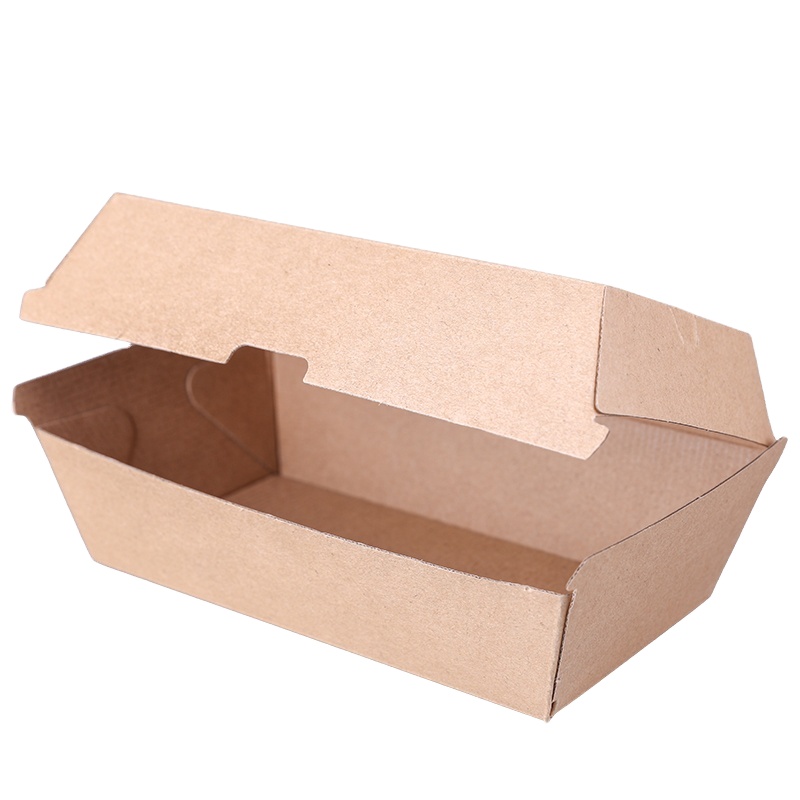
The explosive expansion of ghost kitchens and third-party delivery apps has altered performance benchmarks. Steamy hot foods packaged in unvented pulp boxes cause condensation drop-back, turning fried foods soggy while compromising container sidewalls. Leading-edge clamshell designs now integrate micro-perforated vapor relief channels and structural corner baffles that release trapped humidity without permitting oily liquid spills during motorized transit.
4. Multi-Layer Hybrid Substrates
Where pure molded fiber meets moisture limits (such as high-liquid ramen or long-shelf-life retail bento), manufacturers are deploying hybrid composite solutions. Sugarcane bagasse structural outer trays coupled with ultra-thin bio-laminated PLA or water-soluble barrier liners offer a 100% fossil-free alternative that prevents delamination while maintaining certified home-compostable integrity within municipal organic waste streams.
5. Transparent Scope 3 Carbon Auditing
Tier-1 multinational foodservice chains are shifting procurement decisions based on validated life-cycle assessment (LCA) data. Direct factory auditing now requires quantifying carbon offsets from agricultural stalk upcycling compared to tree logging for kraft paper or fossil extraction for plastics. Factory-level rooftop solar arrays and wastewater recycling closed-loops are directly factored into OEM vendor scorecards.
6. Custom Precision In-Mold Branding
Generic packaging is increasingly rejected by fast-casual franchise brands seeking differentiation. Modern OEM tooling incorporates interchangeable cavity inserts capable of high-definition positive and negative debossing on clamshell lids. Combined with post-press vegetable-oil offset printing, brands achieve high-end aesthetic packaging directly on compostable molded pulp surfaces.
Why Tier-1 Importers Partner with Guangdong Pudse Packaging
Combining industrial engineering heritage, high-precision German printing machinery, and comprehensive supply chain reliability from Foshan, Guangdong.
Self-Owned Heavy Industry Hub
Situated in Dali Town, Nanhai District, Foshan, our factory covers 10,000 to 30,000 m² of specialized cleanroom production space. Direct highway access to Guangzhou and Shenzhen deepwater export ports guarantees flexible, expedited LCL and FCL vessel scheduling worldwide.
German Roland Printing Assets
Unlike raw pulp converters who subcontract decoration, Pudse operates German Roland 4-color offset printing and advanced 6+1 equipment in-house. From Pantone precision matching to UV gloss, matte lamination, and gold foil hot-stamping, we control quality from dieline to finished unit.
Rigorous ISO 9001 Quality System
Every production batch undergoes three-tier verification: fiber moisture calibration upon pulping, inline pressure-temperature automated monitoring during molding, and destructive edge-crush / leak-rate testing prior to pallet sealing. Third-party testing (FDA, EU 10/2011, LFGB) is routinely arranged.
Rapid B2B Response & Global Terms
We maintain an average inquiry turnaround of ≤ 1 hour with a verified 100% response rate. We support flexible global settlement terms including T/T, L/C, D/P, PayPal, Western Union across major international currencies (USD, EUR, GBP, AUD, CAD) and full Incoterms from EXW to DDP delivery.
Frequently Asked Questions on Bagasse Clamshell Sourcing
In-depth technical and logistical answers addressing commercial volume procurement, custom mold development, food-contact compliance, and shipping logistics.
How do you guarantee PFAS-free compliance for strict EU and North American markets?
We utilize advanced, certified fluorochemical-free waterborne acrylic and bio-wax dispersions directly blended into the pulp preparation tanks prior to thermoforming. Every production batch intended for regulated territories is cross-verified via total fluorine (TF) combustion testing to ensure levels remain strictly below regulatory thresholds (typically <50 to 100 ppm total fluorine), fully complying with US state laws and European PPWR / BfR standards.
What is the typical lead time and tooling investment for custom OEM clamshell molds?
Custom structural engineering begins with CAD dieline drafting and 3D resin prototyping within 3 to 5 business days. Once approved, CNC fabrication of aluminum-bronze vacuum molds and matching trimming dies takes approximately 12 to 18 days. Pilot sample runs are delivered immediately for client fit and line testing. Full container volume mass manufacturing typically executes within 20 to 28 days post-approval.
How does molded bagasse behave under long-term refrigerated storage?
Unlike standard paper containers that absorb ambient moisture and suffer structural collapse, our dense-pressed bagasse matrix retains high wet tensile modulus. Containers safely withstand -20°C freezer environments without embrittlement or cracking. Upon transfer to microwave ovens (up to 120°C), internal steam vents naturally across the fiber boundaries without blister deformation or lid detachment.
What are the factory Minimum Order Quantities (MOQs) across your catalog?
MOQ varies by tooling setup and personalization scope. Standard unprinted stock products or PP meal prep items start at low trial quantities (10 to 500 units). Custom-printed paper sleeves, folding boxes, and foil-stamped luxury bags generally require 1,000 to 5,000 units. Heavy-duty molded sugarcane bagasse clamshells running on automated high-speed thermoforming platforms have a baseline MOQ of 10,000 to 20,000 pieces per SKU to optimize mold setup economics.
Can you provide mixed-container consolidation with cups, bags, and cutlery?
Yes. Many international distributors optimize shipping costs by consolidating sugarcane bagasse food boxes alongside our kraft paper bowls, PET/PP cold beverage cups, custom printed sleeves, and honeycomb protective cushioning rolls in a single 40ft HQ container. Our warehouse team in Foshan arranges specialized palletizing and weight-balanced stuffing plans to maximize container utilization.
How are products packaged to prevent compression damage during maritime transit?
Products are tightly nested in heavy-duty poly dust bags (or compostable PLA liners upon request) and boxed into reinforced five-layer BC-flute corrugated export shipping cartons. Pallets are machine shrink-wrapped with waterproof film and fortified with vertical edge protectors to guarantee zero carton buckling or fiber deformation throughout multi-week ocean transport.
Initiate Your OEM/ODM Food Packaging Production
Contact our Foshan engineering and export sales office directly. Receive comprehensive dieline blueprints, compliance documentation, physical sample validation kits, and transparent container-load price quotes within 1 hour.