Precision-Molded Products & Barrier Packaging
Direct factory production lines covering wet-molded sugarcane bagasse, virgin kraft paperboard, and high-performance hybrid delivery systems compliant with international food-contact mandates.
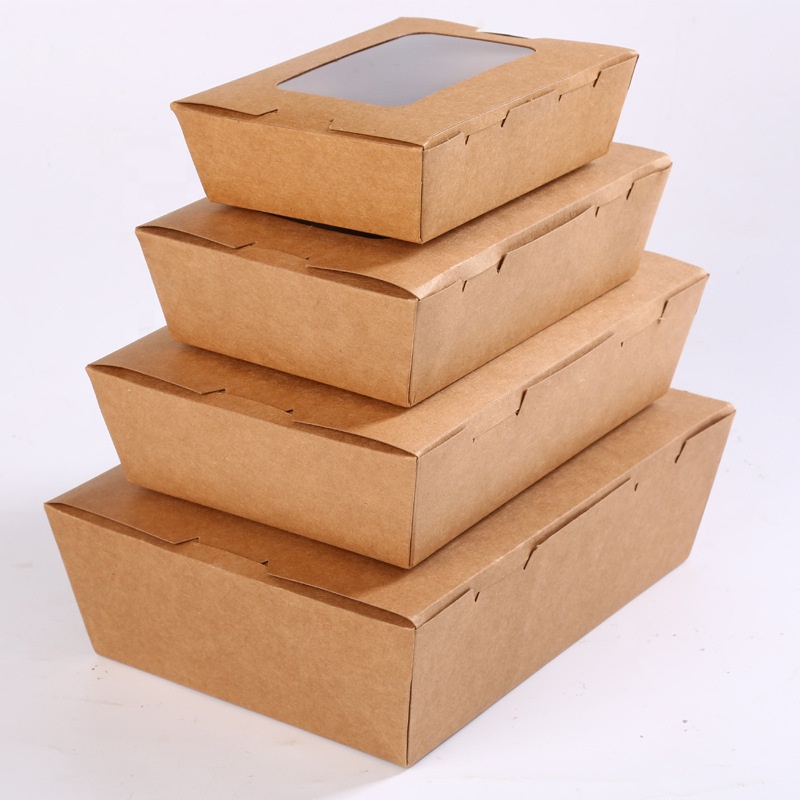
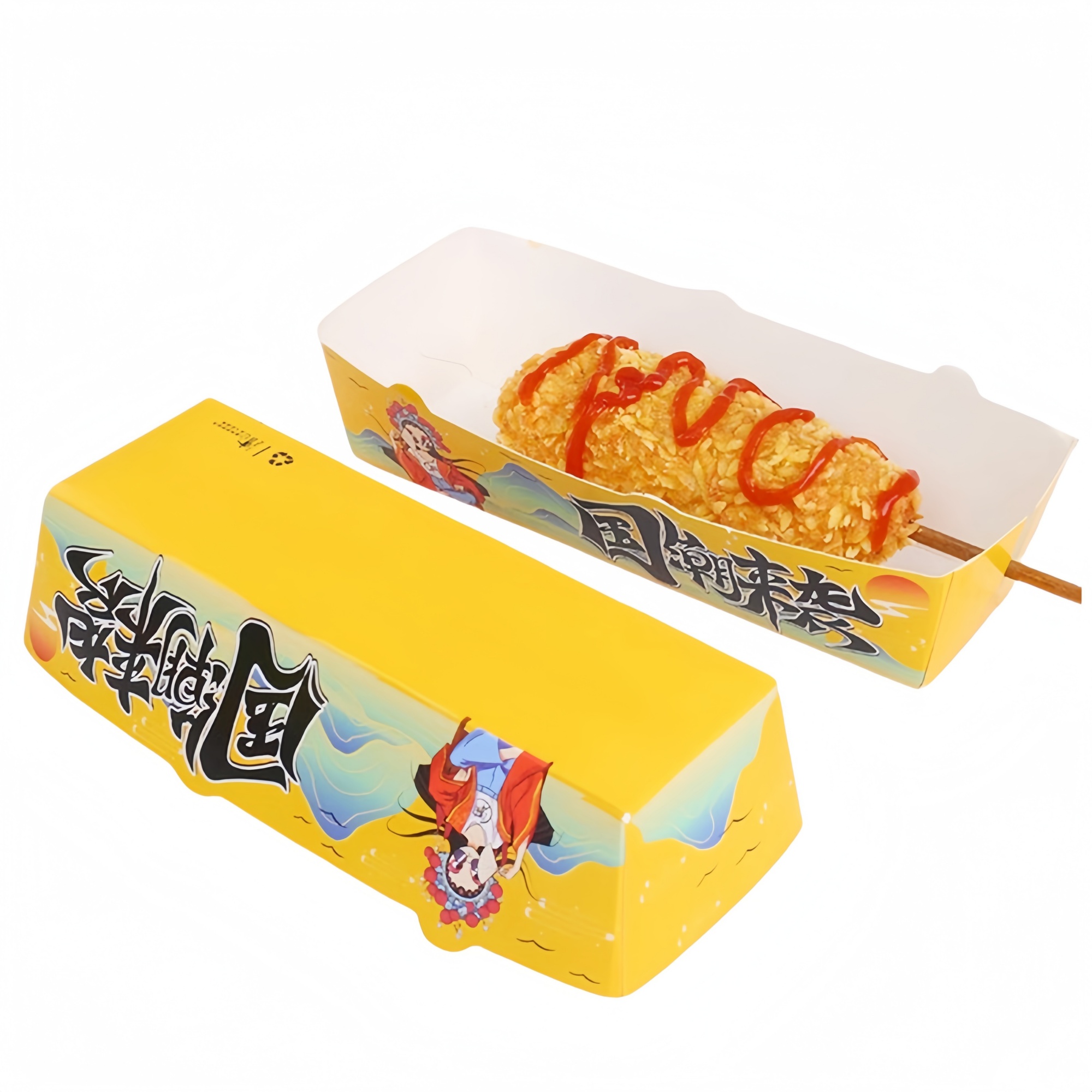
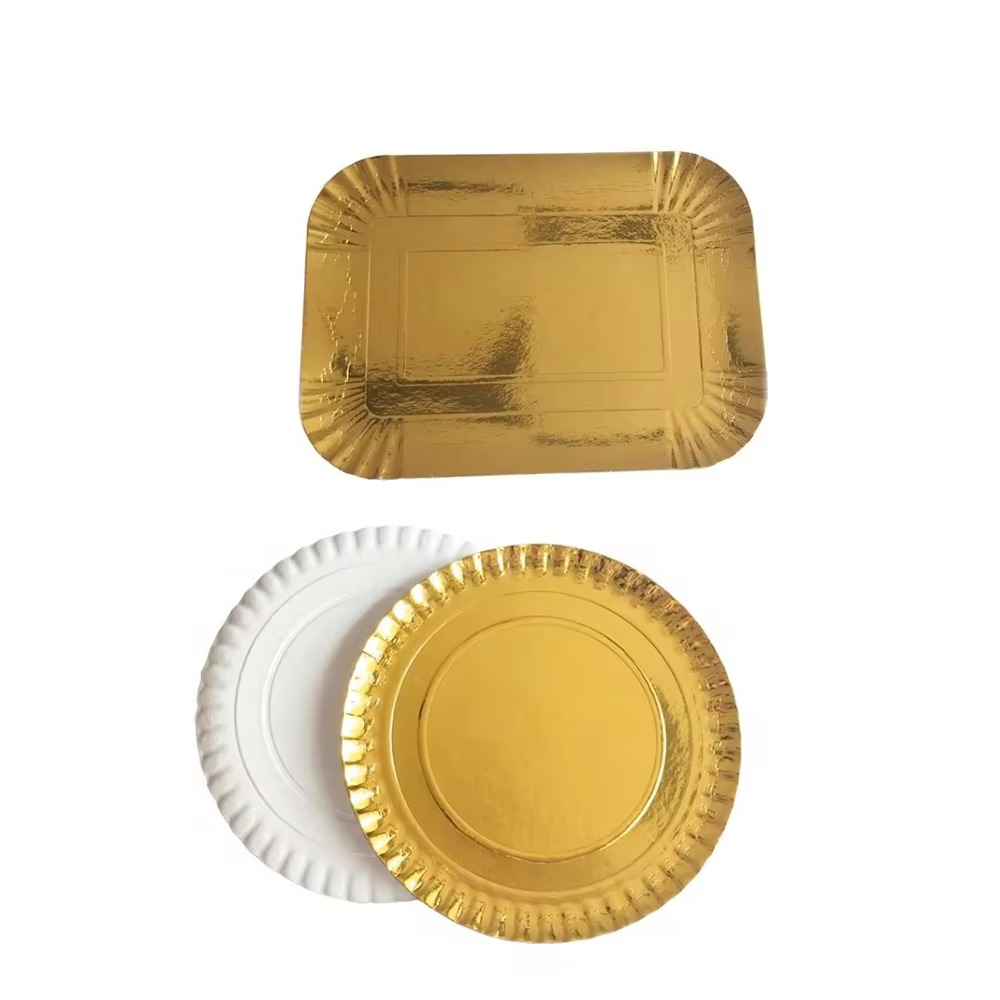


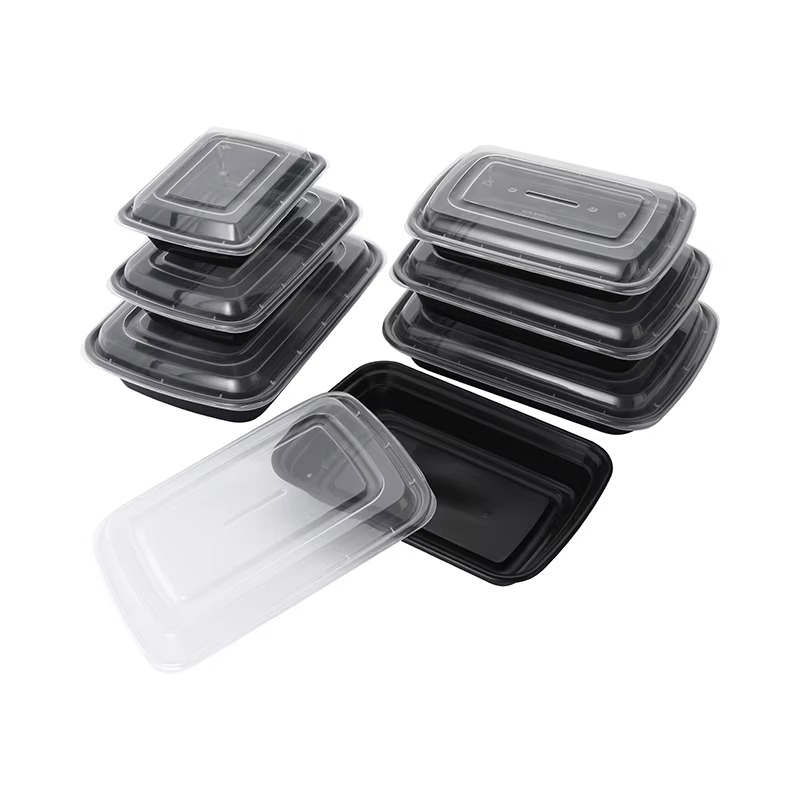
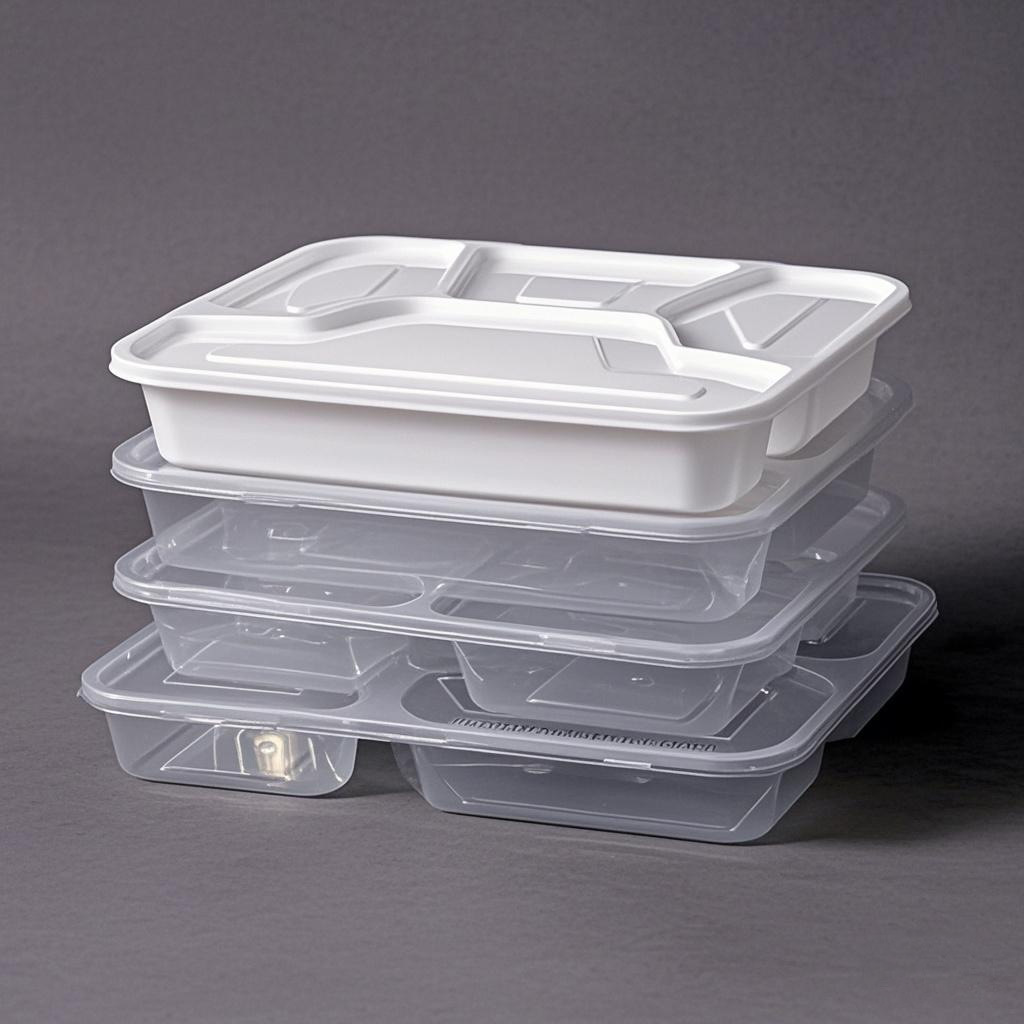

Sugarcane Bagasse Structural Science & Zero-Carbon Transformation
Sugarcane bagasse constitutes the dry, pulpy fibrous residue remaining after crushing sugarcane stalks for juice extraction. Historically incinerated as agricultural waste, this biomass has emerged as the premier raw material for structural food packaging under global circular economy directives. At our Guangdong Pudse Packaging Technology manufacturing complex in Foshan, bagasse pulp undergoes advanced chemical-free hydraulic refining, mechanical fiber fractionation, and high-pressure wet thermal molding.
The inherent engineering advantage of sugarcane pulp lies in its complex lignocellulosic matrix. Containing approximately 40%–50% cellulose, 25%–35% hemicellulose, and 18%–24% lignin, bagasse delivers superior mechanical tensile strength and stiffness compared to conventional recycled paperboard. When compressed under high-tonnage multi-cavity thermoforming presses at temperatures exceeding 180°C to 210°C, the natural lignin within the fiber network softens and plasticizes, acting as an intrinsic thermosetting binder. The resulting clamshell lunch boxes, sectioned bento plates, and takeaway bowls exhibit exceptional dimensional stability, structural rigidity, and clean, snap-locking perimeter seals capable of withstanding the rigors of commercial food logistics.
| Substrate Material | Thermal Window | Oil / Grease Kit Rating | Compostability Standard | Marine Degradability | Recycling Stream |
|---|---|---|---|---|---|
| Virgin Sugarcane Bagasse | -20°C to +120°C (Microwave/Oven safe) | Kit 6 to Kit 10 (PFAS-Free Barrier) | EN 13432 / ASTM D6400 | 90–180 Days in Soil/Water | Commercial Compost / Wet Pulp |
| Aqueous-Coated Kraft Board | -18°C to +95°C | Kit 8 to Kit 11 (Waterborne resin) | Biodegradable / Repulpable | Extended (Fiber breakdown) | Standard Paper Stream (PTS-RH) |
| PE-Laminated Kraft Paper | -10°C to +100°C | Total Hydrophobic Holdout | Non-Compostable | Non-degradable (Microplastic risk) | Specialized Separation Required |
| Injected Polypropylene (PP #5) | -20°C to +125°C (Freezer/Microwave) | Impermeable (Oleophilic) | Non-Biodegradable | Permanent non-degradable | Curbside Rigid Plastic (#5) |
Future Procurement Trends in Commercial Food Service Containers
B2B buyers, supply chain executives, and QSR category managers face structural shifts driven by regulatory tightening, consumer brand perception, and international plastic bans. Over the 2025–2030 horizon, commercial packaging procurement is migrating across four irreversible technological trajectories:
1. Mandatory Fluorine-Free (PFAS-Free) Formulations
With the European Union's universal REACH restrictions, the US EPA phased rules, and state-level prohibitions (such as California AB 1200 and New York Environmental Conservation Law), the use of per- and polyfluoroalkyl substances (PFAS) for oil holdout is obsolete. Forward-looking buyers are qualifying fluorine-free siloxane-grafted biological barriers, bio-wax emulsion wet-end additives, and internal carboxymethyl cellulose complexes that achieve Kit 7+ oil repellency without bioaccumulative chemicals.
2. Automated Line De-Nesting Engineering
Centralized ghost kitchens, institutional airline catering, and commercial food packing facilities increasingly deploy automated robotic pick-and-place lines. Wet-molded pulp products traditionally suffered from erratic stacking friction. Next-generation tooling incorporates calibrated 5° to 7° side-wall draft angles, precision de-nesting lugs, and automated trimming tolerances within ±0.25mm to ensure zero jams in high-speed pneumatic dispenser systems.
3. Hybrid Lamination & Aqueous Barrier Technology
For extreme conditions—such as high-boiling broths, citrus-acid marinades, and multi-day cold-chain storage—standard pulp containers can experience moisture softening (Cobb index increase). Procurement is shifting toward aqueous micro-dispersion coatings and ultra-thin, compostable certified biopolymer films (PBAT/PLA) heat-sealed onto the bagasse cavity, combining complete fluid impermeability with certified industrial compostability.
4. Scope 3 Carbon Auditing & Life Cycle Traceability
Corporate sustainability reporting under ESG mandates requires documented Product Life Cycle Assessments (LCA). Sugarcane bagasse presents a net-negative cradle-to-gate carbon footprint when manufactured using cogeneration biomass energy, diverting agricultural residues from open-field burning and lowering corporate Scope 3 emissions across global supply chains.
Guangdong Pudse Packaging Technology Co., Ltd.
Operating from Dali Town, Nanhai District, Foshan, Guangdong, Pudse stands as an onsite-verified packaging manufacturer and exporter bridging agricultural residue engineering with German offset printing precision.
German Roland 4-Color & 6+1 UV Press
In-house pre-press, offset printing, and UV varnishing guarantee exact Pantone matching, sharp micro-typography, and premium brand visual identity on food boxes, kraft pails, and paperboard sleeves.
Certified Cleanroom Thermoforming
Operating enclosed wet-molding hydraulic forming units with automated post-trimming, metal detection, and UV sterilization lines maintaining strict compliance with FDA 21 CFR and EU 1935/2004.
Guangdong Maritime Export Hub
Proximity to Shenzhen (Yantian/Shekou) and Guangzhou (Nansha) deep-water terminals ensures rapid consolidation, scheduled container dispatch, and optimized CIF, FOB, and DDP freight handling.
Integrated OEM / ODM Tooling Shop
In-house CNC mold engineering provides rapid 3D dieline prototyping, cavity airflow optimization, and custom embossment tooling within 7–10 working days for buyer private labels.
Multi-Currency & Flexible Terms
Supporting international trade liquidity via T/T, L/C at sight, D/P, PayPal, and Open Account credit terms across USD, EUR, GBP, CAD, AUD, and SGD to assist high-volume overseas distributors.
Frequently Asked Questions by Overseas Buyers
Clear, engineering-backed answers addressing minimum run sizes, tooling amortizations, barrier chemistry, and compliance documentation.