Precision OEM/ODM Foodservice Packaging Solutions
Engineered for high-volume quick-service restaurants, retail meal kit distributors, and hospitality supply chains. Manufactured under strict ISO 9001 and food-contact GMP quality management protocols.
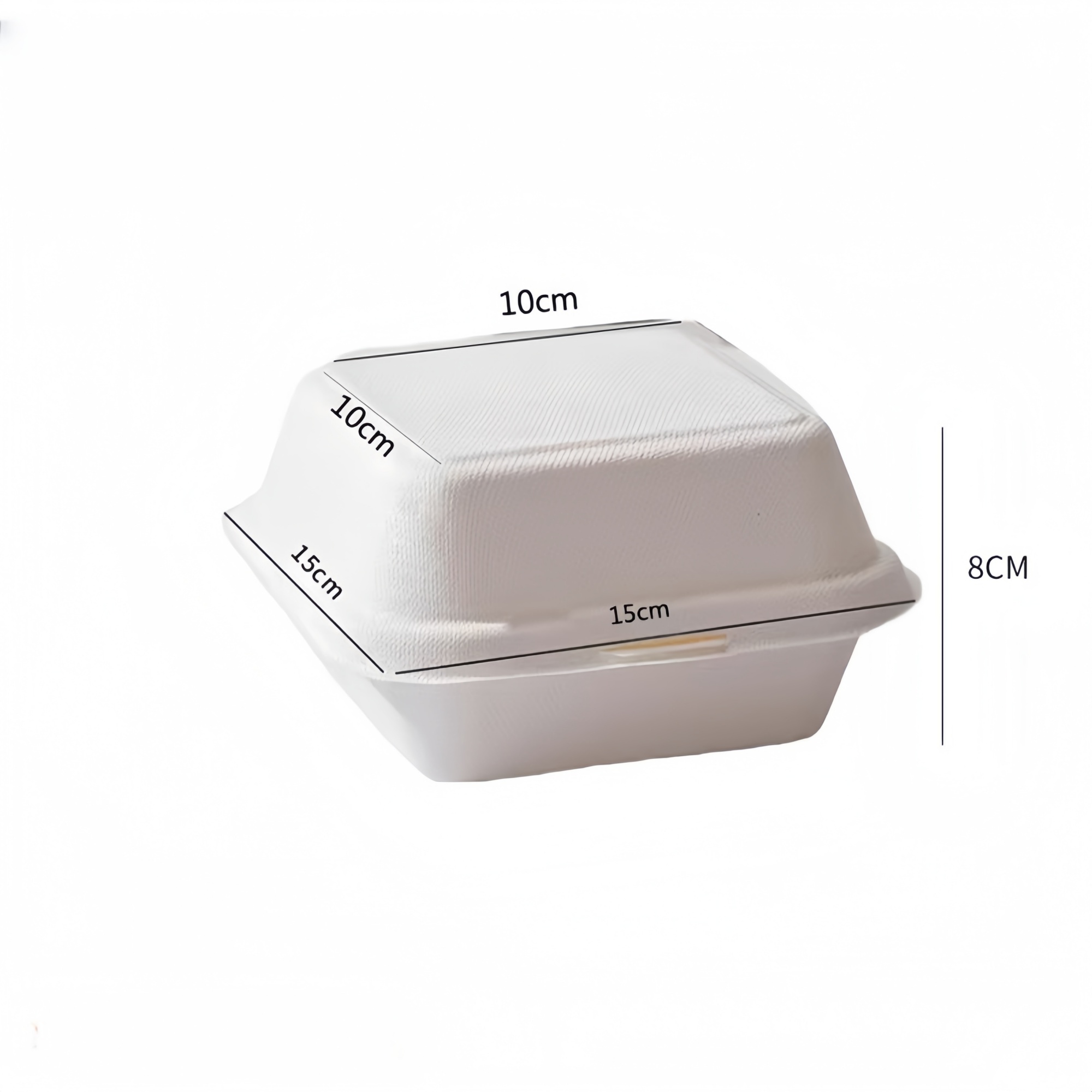
Biodegradable Bagasse Clamshell Lunch Box With Lid
Molded sugarcane fiber clamshell engineered for hot, oily delivery foods. Certified compostable, microwave-safe, and zero fluorochemicals (PFAS-free options available).

Custom Luxury 2027 Embossed Festive Specialty Paper Envelope
Precision multi-level relief foil stamping on high-bulk specialty art cardboard. Roland offset process color calibration with tailored metallic lamination for luxury gifting.

Heavy-Duty Square Bottom Kraft Paper Restaurant Takeout Bag
Reinforced twist-paper handles with cross-patch adhesive engineering. High-bursting index unbleached virgin pulp rated for multi-meal thermal transport without tearing.

70 GSM Expanding Honeycomb Kraft Cushioning Paper Roll
Curbside-recyclable protective secondary void-fill designed to eliminate plastic bubble wrap in food prep delivery, bakery e-commerce, and fragile cold-chain parcels.

High-Quality Screen-Printed Kraft Paper Carrier Carrier Bag
Pantone spot-color registered surface printing with reinforced mouth fold. High mechanical durability optimized for gourmet bakeries, retail takeaway, and specialty catering events.

Custom Printed Eco-Friendly Paper Lunch Box Wrap-Around Sleeve
Rigid cardboard food carton sleeve produced via German Roland 4-color offset. Features anti-rub coatings and custom die-cut lock mechanisms for automated meal prep lines.

Recyclable PP Non-Woven Bakery & Cake Takeout Carrier
Sonic-welded non-woven polypropylene structure with reinforced soft handles. Engineered for horizontal stability during frozen confectionery and bakery box logistics.
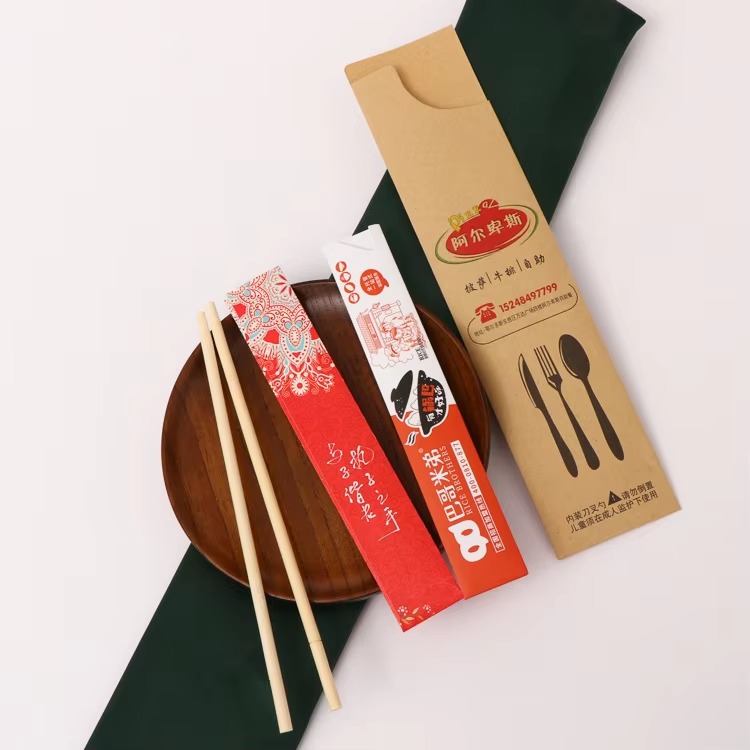
Eco-Friendly Biodegradable Disposable Cutlery & Tableware Sleeve
Hygienic dustproof food-grade virgin sulfate wood paper sheath. Automated flexographic continuous reel converting for high-volume commercial catering and restaurant chains.
Guangdong Pudse Packaging Technology: Technical Advantages
Headquartered in Dali Town, Nanhai District, Foshan, Guangdong, China. We combine 15+ years of specialized packaging engineering with end-to-end offset printing, thermoforming, and global logistics execution.
Vertically Integrated Machinery
Unlike repackagers or intermediaries, we operate in-house pre-press, Roland 4-color offset presses, 6+1 printing machines, 4 heavy-duty molding stations, and 6 high-speed automatic die-cutters.
- Exacting Pantone spot-color consistency
- Automatic foil stamping and window patching
- Zero color drift between repeating seasonal runs
Global Standards & Food Safety
Our packaging is manufactured to pass strict international food-contact testing benchmarks, including US FDA 21 CFR 176.170, EU 1935/2004, German LFGB, and regional single-use plastic restrictions.
- Fluorine-free (PFAS-free) water/oil barrier lines
- Heavy metal & volatile solvent migration lab testing
- Traceable raw material fiber sourcing chain
Export Hub & Flexible Logistics
Situated within the Greater Bay Area export corridor, minutes from Guangzhou and Shenzhen maritime hubs. We support multi-SKU consolidation, mixed container loading, and diverse Incoterms.
- FOB, CIF, CFR, DDP, DDU execution
- Multi-currency settlement (USD, EUR, GBP, AUD, CNY)
- Palletized nesting optimization for minimal freight per unit
Comparative Engineering Guide: Selecting Substrates for OEM Lunch Boxes
Navigating commercial viability against regulatory compliance. Compare thermal performance, oil/grease barriers, moisture vapor transmission rates (MVTR), and regional recyclability.
| Substrate Chemistry | Thermal Threshold | Lipid / Oil Barrier | Microwave Suitability | End-of-Life Lifecycle | Primary Application Profile |
|---|---|---|---|---|---|
| Thermoformed Sugarcane Bagasse | -20°C to 120°C (-4°F to 248°F) | High (PFAS-Free Chemistries) | Yes (High tolerance, no softening) | Industrial/Home Compostable (EN 13432 / ASTM D6400) | Eco-conscious restaurant takeout, burgers, saucy curries, university dining. |
| Aqueous-Coated Kraft Board | -18°C to 100°C (0°F to 212°F) | Very High (Water-based dispersion) | Moderate (Short reheating under 3 min) | Standard Paper Stream Recyclable (Repulpable) | Noodle pails, salad bowls, street food trays, bakeries seeking natural kraft aesthetic. |
| PE-Coated Virgin Cardboard | -10°C to 95°C (14°F to 203°F) | Superior Hydrophobic Seal | Low (Polyethylene softening risk) | Specialized Poly-Coated Paper Recycling | Cost-effective soup containers, hot beverage cups, gravies, fried proteins. |
| Mineral-Filled Homopolymer PP (#5) | -20°C to 125°C (-4°F to 257°F) | Complete Chemical Inertness | Yes (Optimal microwave & steam vent) | Widely Recyclable Rigid Plastic (Resin Code 5) | Commercial meal prep brands, frozen-to-reheat delivery, multi-compartment bento. |
| Polylactic Acid (CPLA / PLA Blend) | -20°C to 85°C (CPLA variant) | Moderate (Lactic acid polymer) | No (Low heat distortion point) | Industrial Composting Facilities Only | Cold salads, deli sushi sets, crystal-clear cold drink cups and dome lids. |
Strategic Procurement Shifts: Navigating the 2025–2030 Global Regulatory Landscape
The global single-use disposable packaging industry is undergoing its most profound structural disruption since the advent of industrial plastics. For institutional procurement directors, chain restaurant operators, and import wholesalers, packaging procurement is no longer a localized operational cost center—it is an enterprise risk vector governed by strict statutory penalties, consumer perception, and volatile carbon accounting.
Crucial Procurement Takeaway: Transitioning away from legacy polystyrene foam (EPS) and unregulated single-use plastics is now mandatory across North America, the European Union, Australasia, and major metropolitan hubs in Asia. Factories lacking certified testing data cannot protect buyers from port rejections or retail fines.
Three macro forces are dictating contract packaging specifications for global importers:
1. The Eradication of PFAS (Per- and Polyfluoroalkyl Substances): Historically, molded fiber containers (including sugarcane bagasse and wheat straw) relied on fluorochemical sizing agents to attain grease resistance against hot lipids. With the enforcement of sweeping bans across US states (e.g., California AB 1200, New York, Washington) and impending European REACH restrictions, factories must utilize certified fluorine-free barrier chemistries. Guangdong Pudse Packaging has pioneered plant-based bio-wax and aqueous starch dispersion barriers, achieving KIT level 7–9 oil resistance with zero intentionally added PFAS.
2. EU PPWR (Packaging and Packaging Waste Regulation) Mandates: European importers face strict design-for-recycling and minimum recycled-content mandates. Multi-layer packaging that laminates plastic films to paperboard without clean repulpability is rapidly becoming commercially non-viable due to prohibitive Extended Producer Responsibility (EPR) eco-modulations. Forward-thinking buyers are standardizing on either 100% bio-based unlined molded fiber or mono-material polypropylene containers with high post-consumer resin compatibility.
3. Volumetric Efficiency & Nesting Ratios: In an era of elevated containerized ocean freight, packing density directly dictates landed cost per unit. Traditional rigid boxes with loose nesting waste container space. Our engineering team utilizes precision draft angles (3° to 5°) on automated thermoforming dies, allowing up to 40% tighter nesting. This increases piece count per 40ft High Cube container from 320,000 to over 480,000 units, slashing landed freight cost by up to 28%.
Emerging Technological Frontiers in Disposable Packaging Manufacturing
As an OEM/ODM leader, Guangdong Pudse Packaging continues to deploy state-of-the-art converting technologies across our Foshan manufacturing lines to deliver commercial information gain and structural improvements for client product portfolios:
Advanced Dry Molded Pulp & High-Pressure Thermoforming: Traditional wet pulp slurry thermoforming requires prolonged drying cycles, resulting in rough interior walls and variable flange dimensions. Our upgraded high-pressure tooling applies dual-sided mechanical pressure up to 45 tons alongside precise infrared core heating. The outcome is ultra-smooth, plastic-like surface finishes that enhance seal integrity with top-lidding films, preventing messy delivery leaks.
Aqueous Dispersion Coating Technology: Replacing conventional polyethylene (PE) extrusion coatings on kraft board with aqueous water-based polymer dispersions enables paper lunch boxes to achieve complete biodegradability and curbside repulpability. The fiber recovers cleanly in standard paper recycling mills without specialized chemical de-coating equipment.
Automated Vision Inspection & Inline Optical Sorting: To guarantee food contact safety at scale, our lines integrate multi-camera automated vision systems that scan each lunch box flange for micro-fractures, foreign particulate matter, and rim irregularities before automated robotic packing. This ensures flawless performance on client automated filling lines.
End-to-End OEM/ODM Sourcing Workflow
A systematic, transparent contract engineering journey from concept blueprinting to customs-cleared port arrival.
Engineering Brief
Definition of thermal requirements, volumetric capacity, target payload weight, lid closure mechanics, and target import country compliance standards.
CAD & 3D Prototyping
CAD dieline layout and structural 3D modeling. Pre-production rapid prototyping for ergonomic verification and leak-tight closure testing within 72 hours.
Tooling & Proofing
High-grade CNC aluminum mold machining. Pre-production press proofs on our German Roland offset presses for brand graphic and Pantone approval.
Cleanroom Converting
High-speed thermoforming, automated die-cutting, adhesive folding, and 100% inline optoelectronic defect inspection in a dust-free production hall.
Palletizing & Export
Moisture-barrier corrugated export cartons, automated robotic palletizing, stretch-film wrapping, and streamlined FCL container dispatch from Foshan.
Frequently Asked Questions: Global Sourcing & Quality Control
Clear, unhedged answers to commercial, technical, and regulatory questions raised by chain restaurant procurement teams, wholesale distributors, and brand owners.
What are your typical Minimum Order Quantities (MOQs) by product line?
For unprinted stock polypropylene (PP) deli containers, MOQs start as low as 150 to 500 sets. Custom offset-printed kraft paper boxes, branded wrap sleeves, and specialty paper bags require 1,000 to 2,000 pieces. For custom tooling on sugarcane bagasse molded pulp clamshells, custom runs start at 10,000 to 20,000 pieces to balance thermoforming mold changeover and slurry preparation economics.
How do you ensure zero grease penetration in PFAS-free sugarcane boxes?
We deploy high-density micro-fibrillated cellulose fiber refinement combined with proprietary bio-wax surface emulsification and alkyl ketene dimer (AKD) sizing during pulp hydration. This creates a dense, non-polar physical cross-linked web that achieves Kit 7+ oil resistance at up to 95°C without the use of long-chain or short-chain fluorinated compounds, verified via total fluorine chemical analysis.
What is the turnaround schedule for custom molds and production?
From final approval of CAD dielines, rapid 3D SLA resin physical mockups are delivered in 3 to 4 working days. Precision CNC production tooling for bagasse thermoforming takes 12 to 15 days. Initial production validation trials yield samples within 48 hours of mold installation, and mass manufacturing of standard 40ft HQ container volumes finishes in 18 to 22 business days.
Can your packaging pass strict food-contact migration audits in the EU & US?
Yes. All raw material fiber, adhesives, offset printing inks (vegetable soy-based), and barrier coatings undergo exhaustive laboratory migration testing. We regularly supply clients with full third-party test reports (SGS, TÜV, Intertek) confirming adherence to US FDA 21 CFR 176.170/176.180, EU Regulation No. 10/2011, and German LFGB § 30 and 31 standards.
How do you resolve condensation and lid-pop during hot food delivery?
We incorporate engineered micro-vent perimeter channels and precision-fit friction-fit lock rims. In molded fiber clamshells, built-in dual tab closures prevent unintended thermal pop-offs. For transparent PP and PET lids, we can apply food-grade anti-fog chemical coatings that inhibit steam droplet nucleation, maintaining clear presentation for supermarket sushi and hot bento displays.
What Incoterms and international settlement methods do you support?
We facilitate standard international commercial terms including FOB (Guangzhou, Shenzhen, Foshan), CFR, CIF, CIP, and full DDP/DDU door-to-door delivery with duties prepaid. We accept multi-currency payments in USD, EUR, GBP, AUD, and CNY via Wire Transfer (T/T), confirmed irrevocable Letters of Credit (L/C at sight), and Trade Assurance escrow facilities.
Transform Your Packaging Supply Chain with Direct Factory Engineering
Partner directly with Guangdong Pudse Packaging Technology Co., Ltd. Eliminate middleman markups, accelerate custom dieline development, and ensure full international food-contact compliance.