B2B White Paper & Strategic Sourcing Guide

OEM/ODM Sustainable Food Packaging Factories & Exporters

Global Manufacturing Standards, PFAS-Free Barrier Technologies, and Circular Supply Chain Intelligence from Foshan, China.

Global Sourcing Architecture

Navigating the Global Transition to Compliant, Circular Food Packaging

The commercial food service landscape faces an unprecedented regulatory pivot. With the European Union’s Packaging and Packaging Waste Regulation (PPWR), rigorous per- and polyfluoroalkyl substances (PFAS) bans sweeping across US state jurisdictions, and extended producer responsibility (EPR) mandates globally, enterprise procurement cannot rely on basic disposable ware. Enterprise buyers require qualified OEM/ODM manufacturing partners capable of delivering verified raw-material traceability, advanced water-based dispersion barriers, and micron-level precision tooling.

Precision Manufacturing Portfolio

Factory-Direct Sustainable Packaging Configurations

Explore high-demand commercial take-out containers, paper carriers, and barrier foodware manufactured with certified food-grade materials.
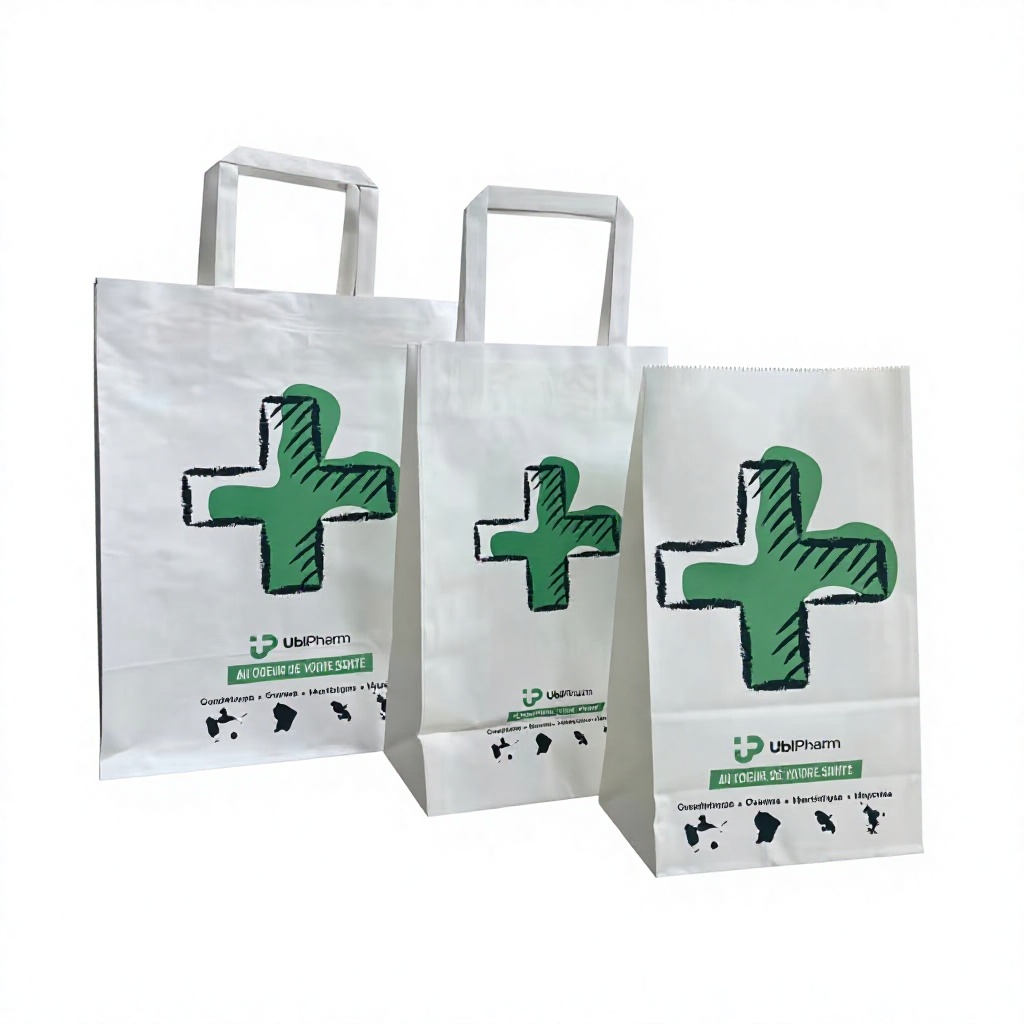
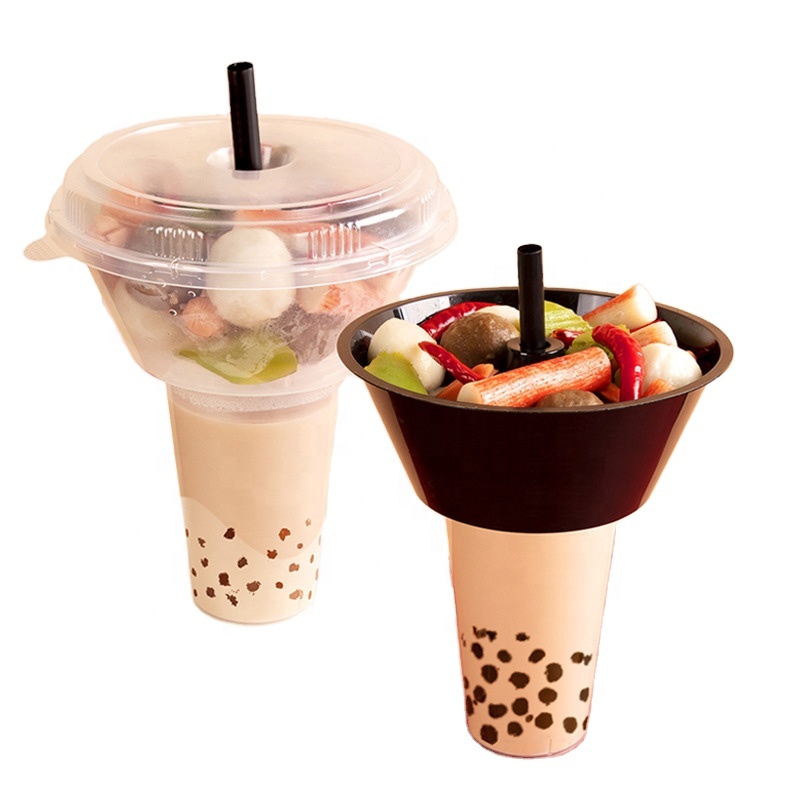
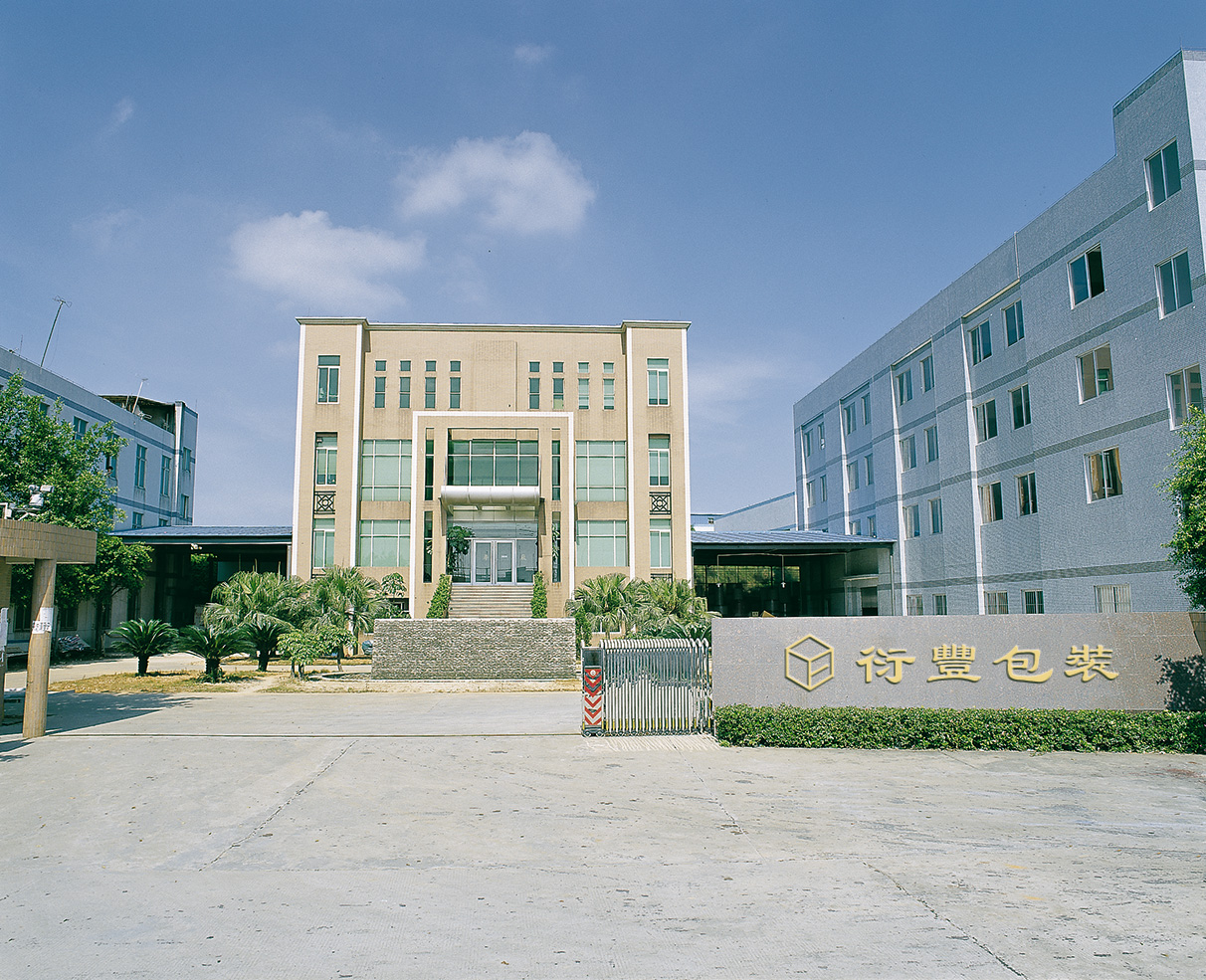
Guangdong Pudse Packaging Technology Modern Manufacturing Cleanroom Facility in Foshan
15+ Years Export Excellence
Integrated Production Ecosystem

Direct OEM/ODM Manufacturing from Foshan, South China Hub

Established in 2009, Guangdong Pudse Packaging Technology Co., Ltd. operates high-capacity manufacturing facilities located in Dali Town, Nanhai District, Foshan. Located strategically adjacent to key export terminals in Guangzhou and Shenzhen, we offer streamlined FCL/LCL ocean logistics across North American, European, and Asia-Pacific supply chains.

Unlike basic trading brokers, Pudse bridges the gap between advanced polymer molding, bio-fiber thermoforming, and precision graphic converting under one roof. Our consolidated engineering workflow minimizes color deviations, mitigates dieline tooling risks, and accelerates custom prototypes from CAD drawing to pre-production pilot testing within 5 to 7 working days.

  • High-Precision Pre-to-Post Press: In-house German Roland 4-color offset press & 6+1 printing machines ensuring delta-E < 2.0 brand consistency.
  • Automated Tooling & Die-Cutting: High-speed hydraulic presses with multi-cavity precision molds guaranteeing hermetic perimeter snaps.
  • Verified Compliance Auditing: Full traceability conforming to US FDA 21 CFR 176.170, EU Regulation (EC) No 1935/2004, and LFGB standards.
2009
Established Manufacturing Authority
30,000m²
Integrated Production & Warehousing
≤1Hour
Average RFQ Response Time
100%
Quality Audit Pass & On-Time Dispatch
Procurement Intelligence

Future Procurement Trends Shaping Foodservice Packaging (2025–2030)

Strategic sourcing executives are shifting from transactional vendor contracting to resilience-oriented value-chain partnerships. Understanding macro-market dynamics ensures brand protection and minimizes tariff vulnerabilities.

Universal Transition to Fluorochemical-Free (PFAS-Free) Formulation

Regulatory crackdowns across Europe and North America have outlawed intentional polyfluoroalkyl substances in food wrappers and molded pulp. Leading procurement channels now require aqueous bio-wax or plant-derived acrylic dispersion barriers that deliver equivalent Cobb values (< 30 g/m²) and oil resistance (Kit 7–9) without chemical leaching under high oil temperatures (100°C+).

EPR Fee Mitigation Through Mono-Material Standardizations

Extended Producer Responsibility laws penalize non-separable composite laminates (e.g., standard PE-coated unbleached board). Buyers are standardizing SKU architectures around pure unlined bagasse, aqueous-coated paperboard, or virgin #5 PP meal containers that achieve 100% mechanical recyclability in curbside collection systems, thereby slashing municipal EPR penalty tariffs.

Smart Inventory Rationalization & Modular Dielines

Enterprise restaurant brands are consolidating carton sizes by designing multi-depth folding boxes and universal lid locking mechanisms that fit 8oz, 12oz, and 16oz containers universally. This standardization reduces tooling amortization costs, minimizes warehouse floor space footprints, and insulates high-volume operators from regional stockout emergencies.

Material Engineering Innovations

Technological Trajectories in Sustainable Food Substrates

Bridging the functional gap between petroleum-derived polymers and renewable biopolymers requires advanced substrate chemistry, thermomechanical refinement, and surface coating innovations.

Material Substrate Primary Bio/Polymer Base Thermal Resistance Range Grease Barrier Mechanism End-of-Life Stream Target Applications
Sugarcane Bagasse Agricultural fibrous byproduct -20°C to +120°C Fluorine-free sizing agent / bio-dispersion EN 13432 / ASTM D6400 Industrial Compost Heavy meals, burgers, catering clamshells
Virgin Kraftboard Long-fiber unbleached wood pulp Up to 100°C hot food Aqueous dispersion / Water-based coating Standard repulpable paper recycling Noodle boxes, takeaway bags, bakery pails
Homopolymer PP (#5) Polypropylene (BPA-free) -20°C to +120°C Non-polar hydrocarbon barrier (inherent) Curbside Class 5 Mechanical Recycling Microwave bento, multi-compartment soups
Food-Grade PET (#1) Polyethylene terephthalate Cold only (< 60°C) Hermetic atmospheric barrier Universal Class 1 Bottle/Cup Stream Cold brew cups, boba teas, transparent salads
Commercial Diligence

Frequently Asked Questions for Global Procurement Directors

Actionable operational details regarding MOQs, food-contact testing verification, ocean shipping logistics, and custom OEM manufacturing lead times.

What are the baseline Minimum Order Quantities (MOQs) for custom-printed OEM packaging?
MOQs are strictly correlated with the manufacturing process mechanics:
  • Offset Printed Paper Bags & Folding Boxes: Start at 500 to 2,000 units, utilizing our in-house German Roland 4-color offset press for economical short-run customized branding.
  • Thermoformed Polypropylene Bento & Deli Containers: Standard off-the-shelf inventory starts as low as 100 to 150 pieces. Fully customized cavity tooling or private-label embossing typically requires 10,000 to 20,000 units to amortize set-up cycles.
  • Molded Sugarcane Bagasse Clamshells: Baseline runs begin at 10,000 to 20,000 units due to dedicated pulp slurry mixing vat configurations and high-tonnage thermal compression tooling requirements.
How does Guangdong Pudse ensure complete absence of intentionally added PFAS?
Pudse utilizes certified next-generation fluorine-free sizing agents combined with water-based bio-wax polymers. Every production lot destined for the United States, Canada, or the European Union undergoes Total Fluorine (TF) screening via Combustion Ion Chromatography (CIC) through accredited third-party laboratories (SGS / TÜV / Intertek), guaranteeing levels below 100 ppm total organic fluorine in strict adherence with state and EU regulations.
What is the typical production timeline from dieline approval to Port of Departure dispatch?
Standard structural sampling and digital physical print proofs require 3 to 5 working days. Upon formal signed approval of proofing and deposit confirmation, mass manufacturing cycles run between 15 to 25 calendar days for standard 40ft High Cube (HC) container capacities. Express consolidation via Shenzhen or Guangzhou ports ensures direct, reliable ocean transit times globally.
Which international trade terms (Incoterms) and payment protocols do you accommodate?
We operate across universal international trade structures including FOB (Shenzhen/Guangzhou/Hong Kong), CIF, CFR, EXW, and door-to-door Delivered Duty Paid (DDP/DDU) for streamlined logistics handling. Payment channels accepted encompass standard Wire Transfer (T/T), Irrevocable Letters of Credit at sight (L/C), D/P, D/A, Credit Card, PayPal, and platform Escrow in multi-currency denominations (USD, EUR, GBP, AUD, CAD, JPY, and CNY).
Can Pudse support structural dieline modification and anti-fog lid engineering?
Yes. Our in-house engineering team provides complete 3D CAD modeling, mold fabrication, and venting analysis. We specifically specialize in cold-chain and hot-delivery lid engineering, implementing food-grade silicone-coated anti-fog transparent lids (PET/PP) and ergonomic perimeter locks that prevent liquid leakage even when tilted at 45-degree angles during delivery bike transit.
Enterprise Sourcing Checklist

Key Auditing Parameters for Container Importers

Migration Testing

Demand specific overall migration limit (OML) test documentation under severe food simulant exposure (10% Ethanol, 3% Acetic Acid, Rectified Olive Oil).

Stacking Rigidity

Verify dynamic top-load compressive strength (> 25 kgf) to prevent clamshell buckling under steam pressure inside multi-tiered rider delivery bags.

De-Nesting Precision

Ensure automated dispensers or fast-paced kitchen assembly lines experience zero rim jamming through calibrated micro-embossed stacking lugs.

Moisture Permeability

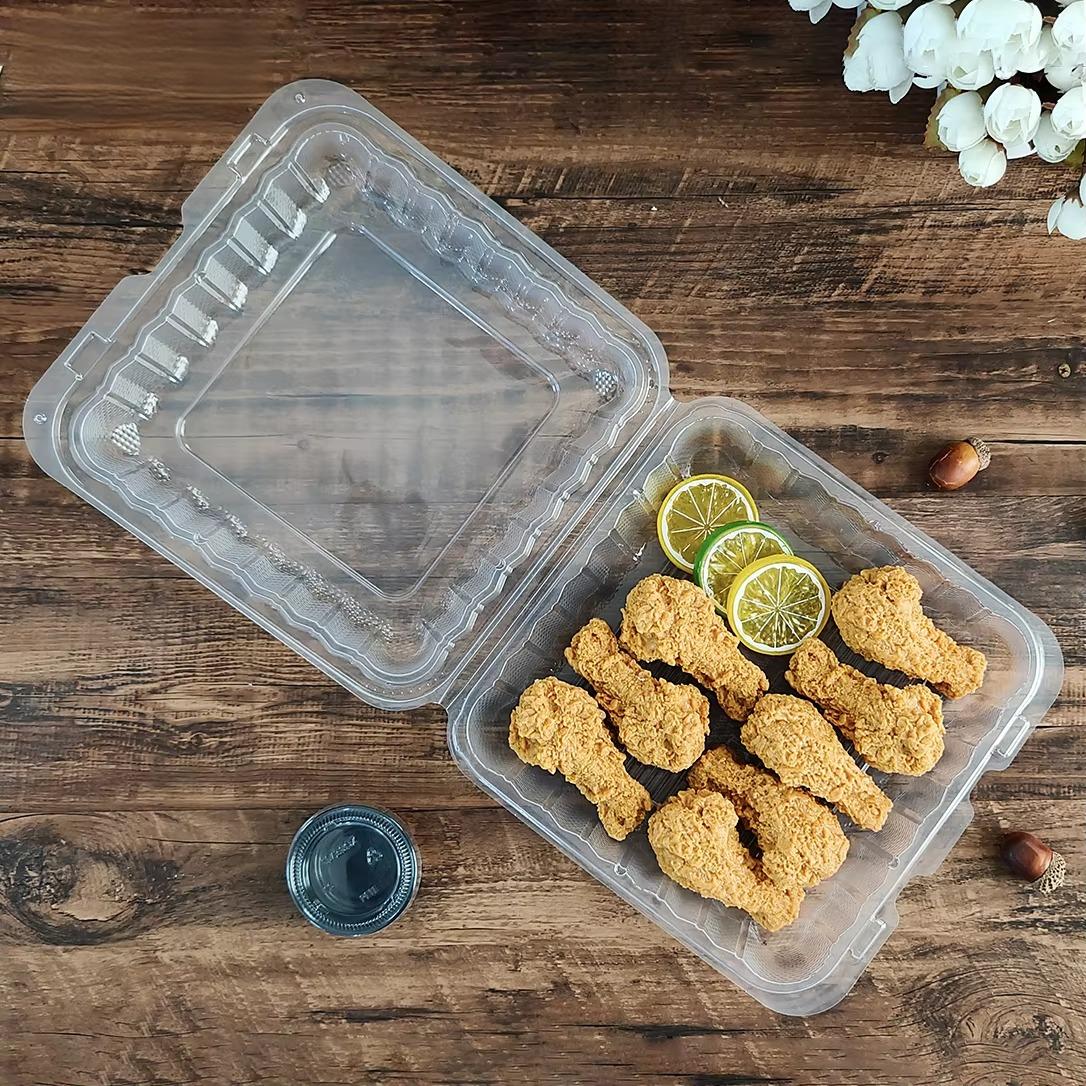
Calibrate moisture vapor transmission rates (MVTR) to maintain crispy fried chicken skin textures while preventing sogginess in transport.

Partner with a Certified Food Packaging Manufacturer

Direct from our Foshan facility. In-house Roland 4-color offset printing, advanced tooling engineering, certified food contact compliance, and dedicated container logistics support.

Get Catalog