Recommended Foodservice Containers & Packaging Lines
Direct from our precision manufacturing facility in Foshan. Fully customizable for international food brands, cloud kitchens, and packaging wholesalers.
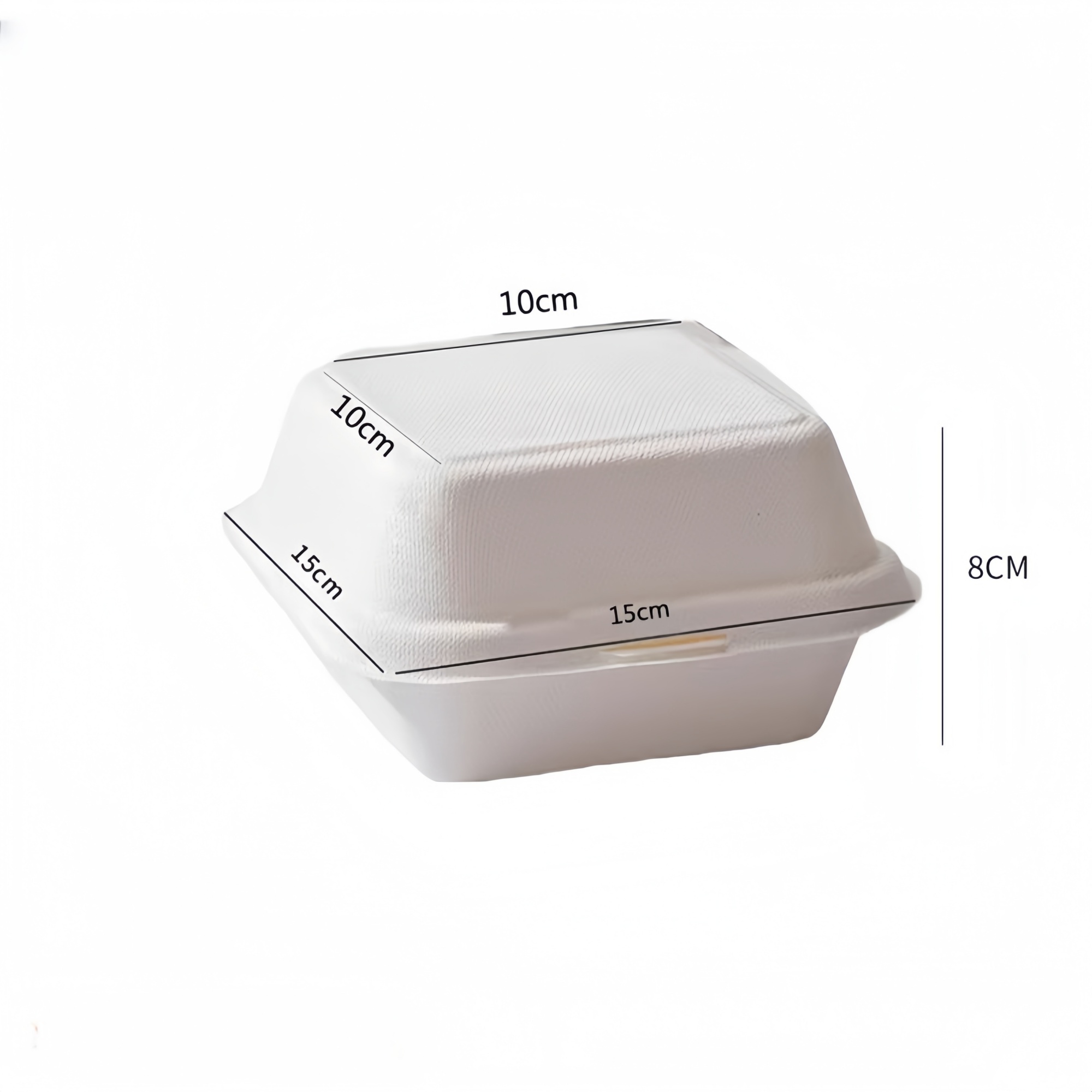

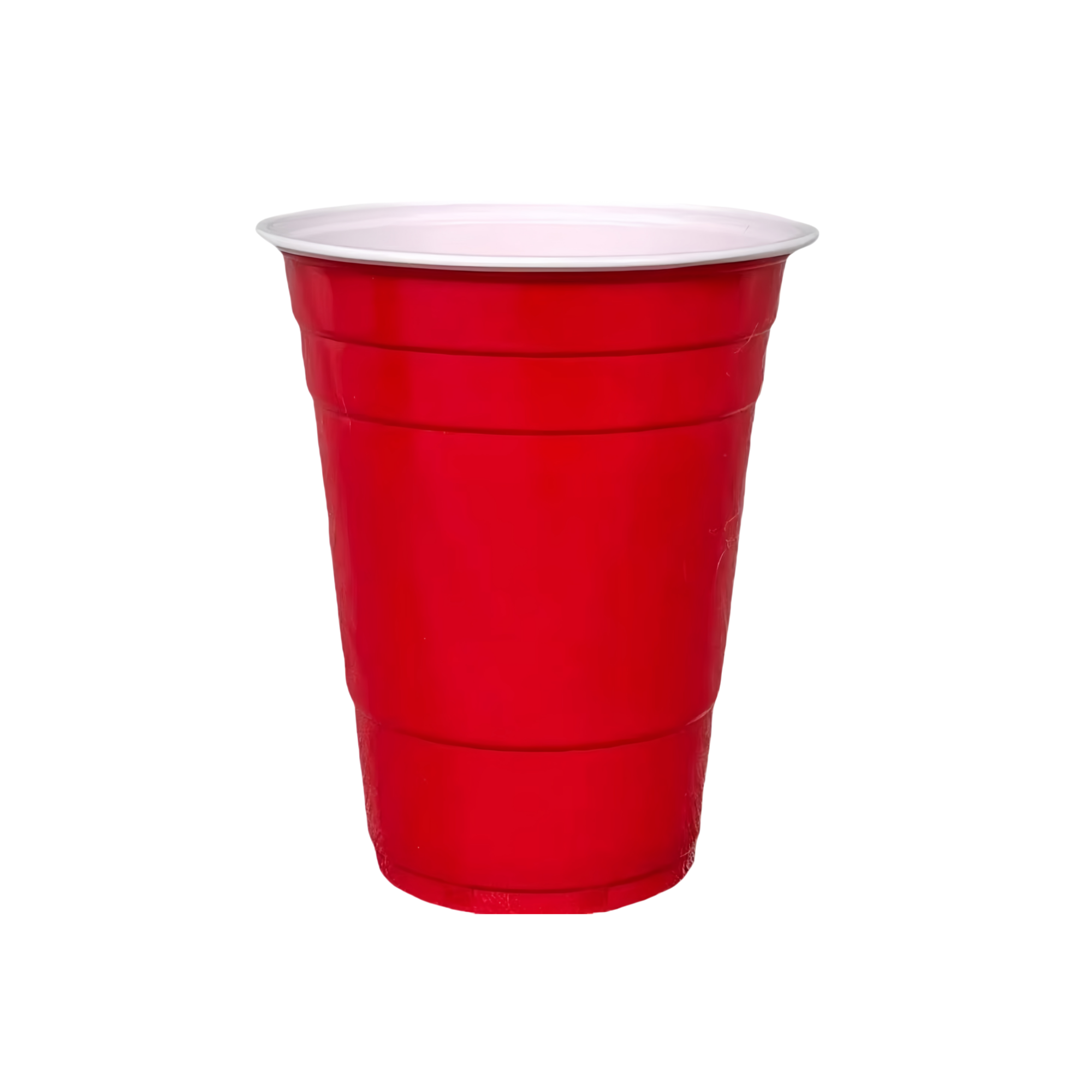

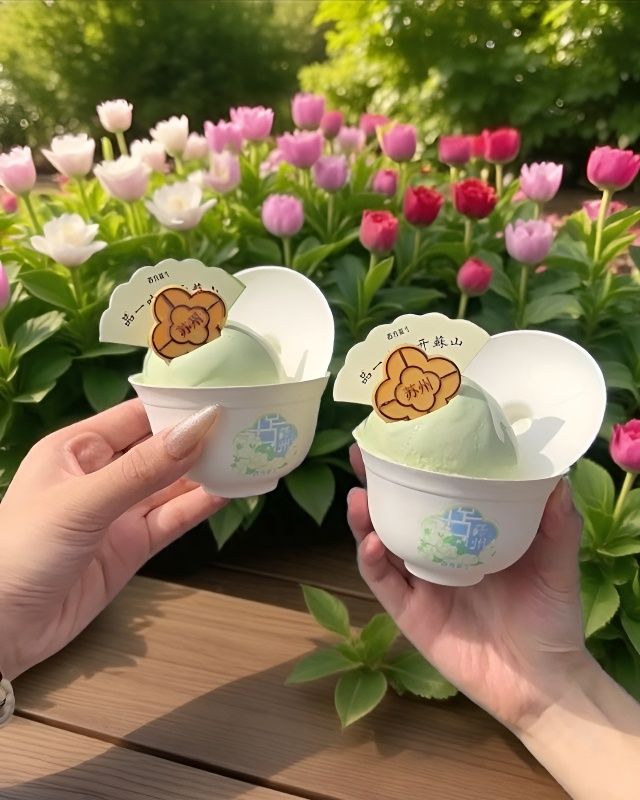
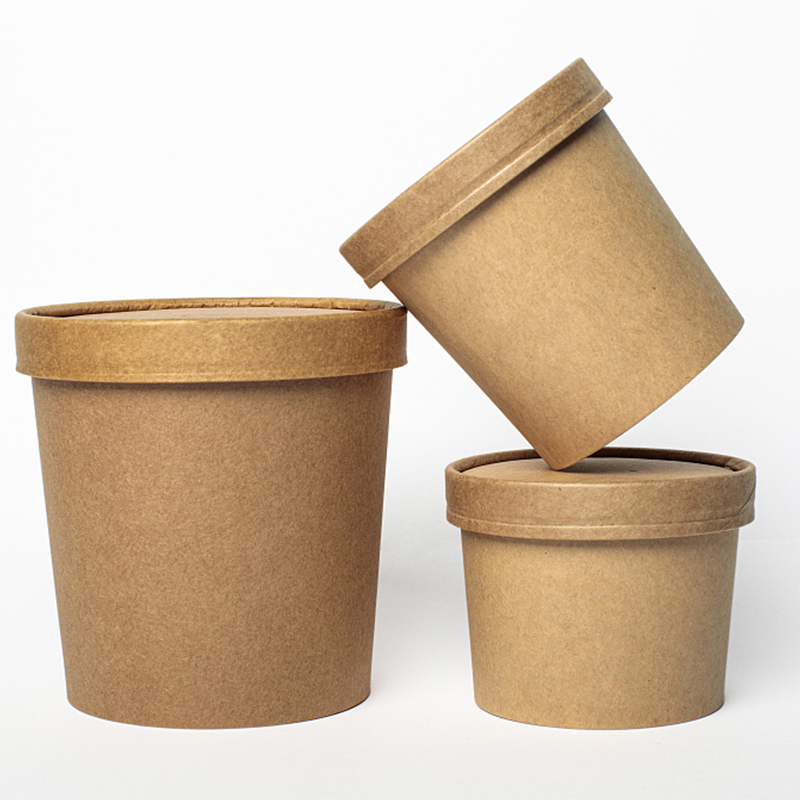
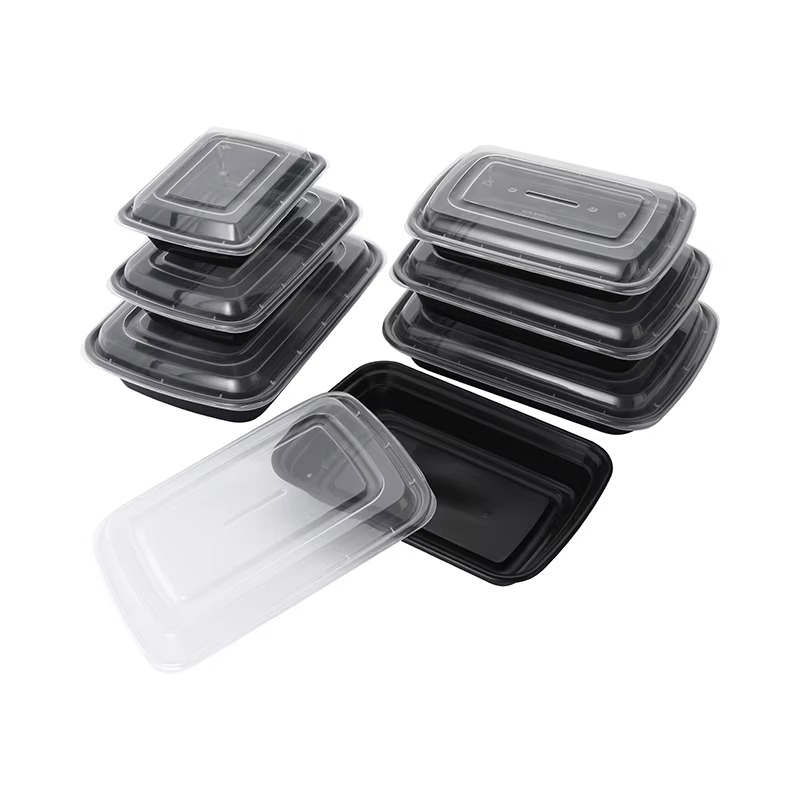

The Global Landscape: Top 10 Bagasse Food Boxes Factories & Exporters Analyzed
The international shift away from expanded polystyrene (EPS) foam and single-use petroleum polymers has propelled sugarcane bagasse fiber packaging to the forefront of the circular food economy. As agricultural residues left behind after sugarcane juice extraction, bagasse fibers feature an exceptionally dense cellulosic matrix that can be thermoformed into robust, liquid-resistant, and aesthetically clean food containers. For enterprise buyers, supermarket chains, and food brand managers, navigating the global manufacturing footprint requires distinguishing true primary thermoforming mills from trading intermediaries.
When assessing the premier production hubs globally—spanning South China's Pearl River Delta, Guangxi's vast sugar plantations, Eastern Thailand, and India's western corridors—the top tier manufacturers stand apart through tight control over slurry preparation, hot-press density calibration, and PFAS-free chemical barrier integration. Below, we break down the operational benchmarks and engineering criteria that define leading export operations worldwide.
PFAS-Free Water & Oil Resistance
Global regulatory bodies (EU SUPD, US FDA state-level bans) are prohibiting intentional per- and polyfluoroalkyl substances. The benchmark factories utilize plant-derived alkyl ketene dimer (AKD) and bio-dispersion barriers.
High-Tonnage Mechanical Rigidity
Structural integrity under steaming delivery conditions requires hot-mold pressing pressures between 150 and 200 metric tons, preventing side-wall bowing and container latch popping.
In-House Die-Making & Tooling
Tier-1 factories engineer CNC aluminum bronze molds in-house, cutting custom mold realization from 45 days down to less than 12 days for bespoke brand silhouettes.
Material Performance Matrix: Bagasse vs. Alternative Foodservice Substrates
Understanding where molded bagasse outperforms or complements other industrial packaging materials is critical for supply chain resilience. The table below represents rigorous empirical data gathered across commercial testing environments:
| Substrate | Thermal Range | Oil & Grease Hold | Microwave / Oven Safe | Industrial Compost Cycle | Best Channel Application |
|---|---|---|---|---|---|
| Sugarcane Bagasse | -20°C to +120°C | Up to 4 hours @ 95°C | Yes (Up to 3 min @ 800W) | 60–90 Days (EN 13432) | Eco-takeaway, hot bento meals, catered events |
| PE-Coated Kraft Paper | -10°C to +100°C | Excellent liquid barrier | Brief reheating only | Requires specialized repulping | Soups, noodles, saucy curries, retail boxes |
| Virgin Polypropylene (PP #5) | -20°C to +125°C | Impervious to oils | Yes (Full steam/microwave) | Widely recyclable, non-compostable | Meal-prep weekly subscriptions, cold-to-hot packs |
| C-PET / Clear PET | -40°C to +60°C | High clarity barrier | No | Recyclable stream (#1) | Cold bubble tea, layered salads, chilled cut fruit |
Future Procurement Trends Shaping Bagasse & Eco-Packaging (2025–2030)
Procurement directors at multi-unit restaurant operators and packaging importers are no longer buying packaging merely as a consumable cost center; it is now a pillar of Environmental, Social, and Governance (ESG) verification and brand equity. In our interactions with overseas buyers across North America, Europe, and Australasia, several decisive purchasing shifts have become apparent:
- Consolidated Container-Load Optimization (LCL to FCL Hybrid Ordering): Due to shifting maritime freight indices, buyers increasingly demand mixed container loadouts—combining sugarcane bagasse clamshells, coated kraft soup tubs, and high-clarity cold drink cups from a single supplier facility to eliminate multi-port staging costs.
- Digital Print Customization on Natural Pulp: Monolithic white or natural tan surfaces are giving way to high-definition branding. Leading exporters now utilize water-based flexographic and food-contact-approved offset printing directly on bagasse surfaces or deploy wrap-around recycled paper sleeves to maintain full compostability.
- Auditable Supply Chain Traceability: Tier-1 buyers require life-cycle assessments (LCAs) detailing raw sugarcane fiber sourcing, water recycling percentages in the wet-pulping phase, and verified factory carbon intensity metrics.
Technical Note: Selecting the Right Clamshell Locking Mechanism
For high-speed delivery corridors (UberEats, Deliveroo, DoorDash), single-tab friction latches frequently fail under heat vibration. We recommend dual-locking 'click-tab' bagasse molds with integrated steam venting slits, ensuring fried foods retain crispness while avoiding lid deflection during vertical motorcycle transport.
Technological Evolution: From Agricultural Waste to High-Precision Tableware
The manufacturing evolution of bagasse packaging has bridged the gap from coarse agrarian byproduct to micro-engineered industrial packaging. Originally, wet-press pulp molded units suffered from tactile roughness, dimensional inconsistency, and fiber shed. Today, leading Chinese facilities utilize closed-loop, automated forming equipment where sugarcane fibers undergo intense hydraulic refinement, bleaching (chlorine-free ECF or unbleached natural processing), and high-frequency hot-mold pressing.
The resulting products exhibit razor-smooth rim geometries, allowing for ultrasonic or thermal sealing using bioplastic peelable lidding films. This advancement has opened bagasse to Modified Atmosphere Packaging (MAP) applications, extending fresh meal shelf life in supermarket refrigerated cases without resorting to unrecyclable plastic-coated paper trays.
The Pudse Advantage: Fully Integrated Guangdong Manufacturing Hub
Based in Dali Town, Nanhai District, Foshan, Guangdong Pudse Packaging Technology Co., Ltd. combines heavy molding capacity with high-end German printing equipment under one roof, serving global distribution networks.
Roland 4-Color & 6+1 Offset Printing
In-house German pre-press and post-press printing eliminates outsourcing delays, delivering exact Pantone precision, matte lamination, hot foil stamping, and UV coatings.
Comprehensive Material Portfolio
From molded sugarcane bagasse and PE/PLA coated kraft to food-grade PP #5 and crystal-clear PET drinkware, we satisfy 100% of commercial foodservice catalog requirements.
Port Proximity & Rapid Logistics
Minutes away from major international logistics arteries in Foshan, Guangzhou, and Shenzhen, facilitating streamlined FOB, CIF, or DDP shipments worldwide.
Frequently Asked Questions: Sourcing Bagasse Packaging
Critical operational answers for import executives, supply chain engineers, and wholesale packaging distributors.
What is the standard Minimum Order Quantity (MOQ) for custom bagasse vs. stock lines?
Stock bagasse food containers typically have an MOQ of 10,000 to 20,000 units, dictated by high-speed rotary thermoforming cycle setups. For custom embossed logos or custom-molded cavity designs, initial production runs require a dedicated aluminum mold tooling investment, typically amortized across 50,000+ units. Conversely, complementary PP meal containers or unprinted stock deli boxes can be ordered at lower volume thresholds (starting as low as 150 to 500 units) to facilitate mixed container consolidations.
How does sugarcane bagasse behave under microwave reheating and deep freezing?
Sugarcane bagasse is naturally microwave-safe up to 100°C–120°C for brief intervals (2–4 minutes depending on food oil concentration) without softening or releasing toxic fumes. Unlike plasticized paperboard, there is no polyethylene film that risks delamination or melting into food. For freezer storage (-20°C), bagasse provides commendable rigidity; however, for extended deep-freeze storage beyond 30 days, we advise testing humidity vapor transfer to verify whether secondary packaging or bio-barrier coatings are necessary.
What international food contact and compostability certifications can be supplied?
Our production protocols are engineered to satisfy US FDA 21 CFR 176.170 (contact with aqueous and fatty foods) and European Union Regulation (EU) No 10/2011 and LFGB testing. Third-party testing through accredited agencies (SGS, TÜV, or Intertek) can be commissioned on a per-SKU and target-market basis. We also provide certified fluorine-free test documentation confirming non-detectable total organic fluorine (<50–100 ppm) to ensure seamless entry into strict regulatory jurisdictions.
Can custom branding and graphics be applied directly onto bagasse clamshells?
Yes. Customization can be achieved through three distinct technical pathways: (1) Mold In-Cavity Embossing/Debossing: Highly cost-effective for large-volume repeat orders, applying your brand mark directly during hot-press forming. (2) Food-Grade Direct Flexo Printing: Single or dual-color soy-based inks applied directly to lid surfaces. (3) Custom Printed Sleeve Wraps: Produced in-house via our German Roland offset presses on recyclable or kraft paperboard, delivering full photographic color and barcode functionality without compromising container compostability.
What international payment terms and shipping delivery arrangements are available?
We provide full-spectrum commercial payment arrangements including T/T (Telegraphic Transfer), Irrevocable L/C at sight, D/P, PayPal, and credit card for sampling. We transact smoothly in USD, EUR, GBP, AUD, CAD, and CNY. On the logistics front, we handle FOB (Guangzhou, Shenzhen, Foshan ports), CIF, CFR, FCA, CPT, as well as comprehensive DDP (Delivered Duty Paid) shipments directly to client fulfillment centers across the United States, Canada, Europe, and Australia.
Ready to Source High-Quality Bagasse Food Boxes Factory-Direct?
Partner with an onsite-verified packaging leader. Receive detailed technical drawings, compliance dossiers, and free sample prototypes tailored to your food operations.
Get a Quote