Recommended B2B Multi-Compartment & Sustainable Packaging Solutions
Direct-from-factory solutions engineered for high grease resistance, structural rigidity, and international food-contact safety compliance.
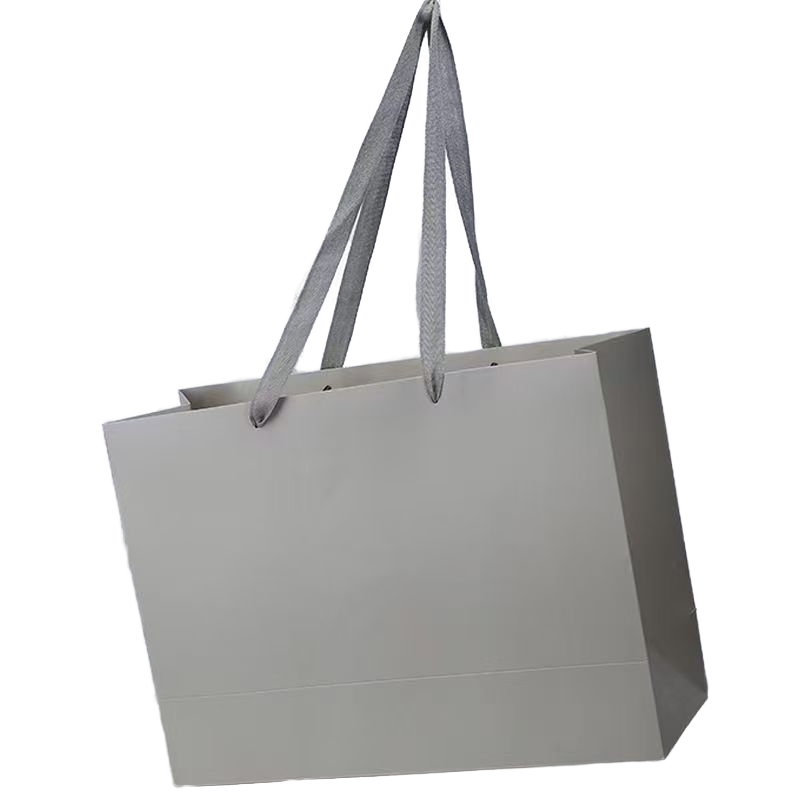
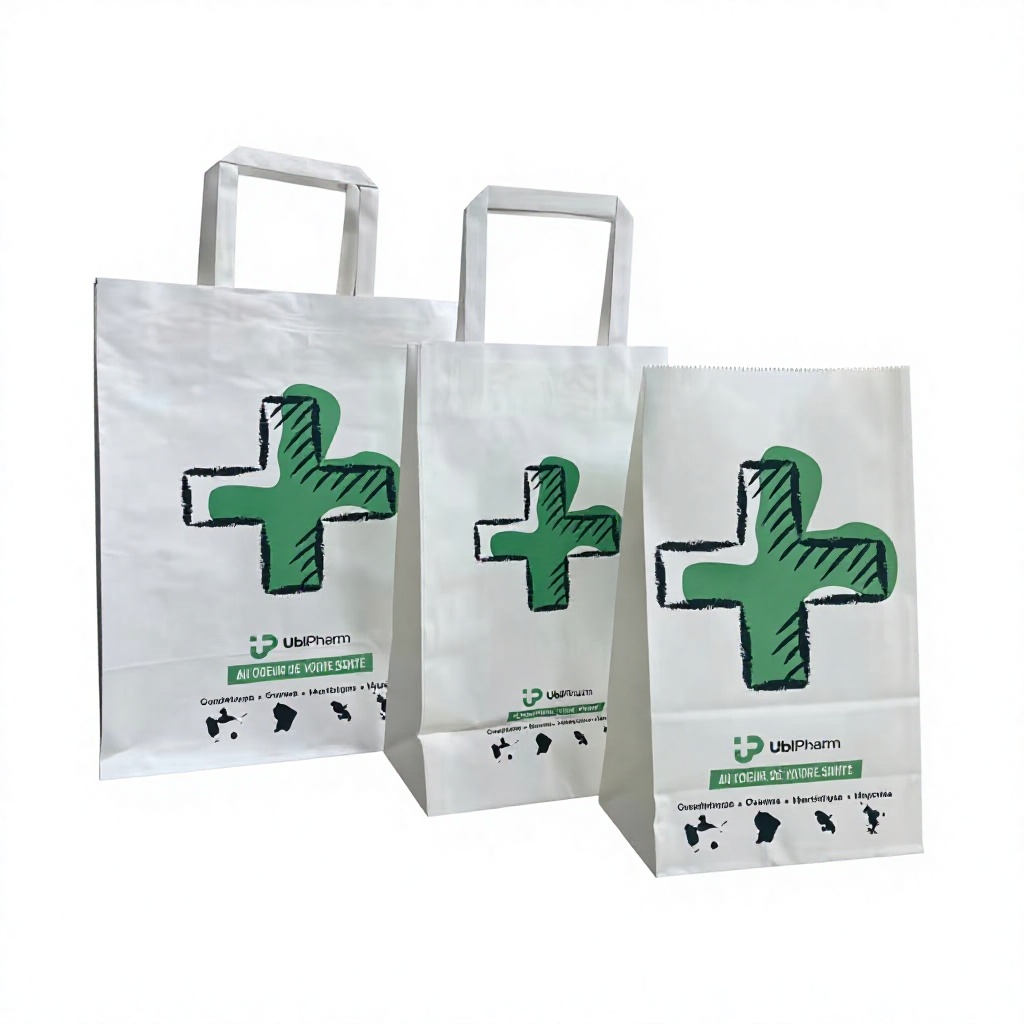

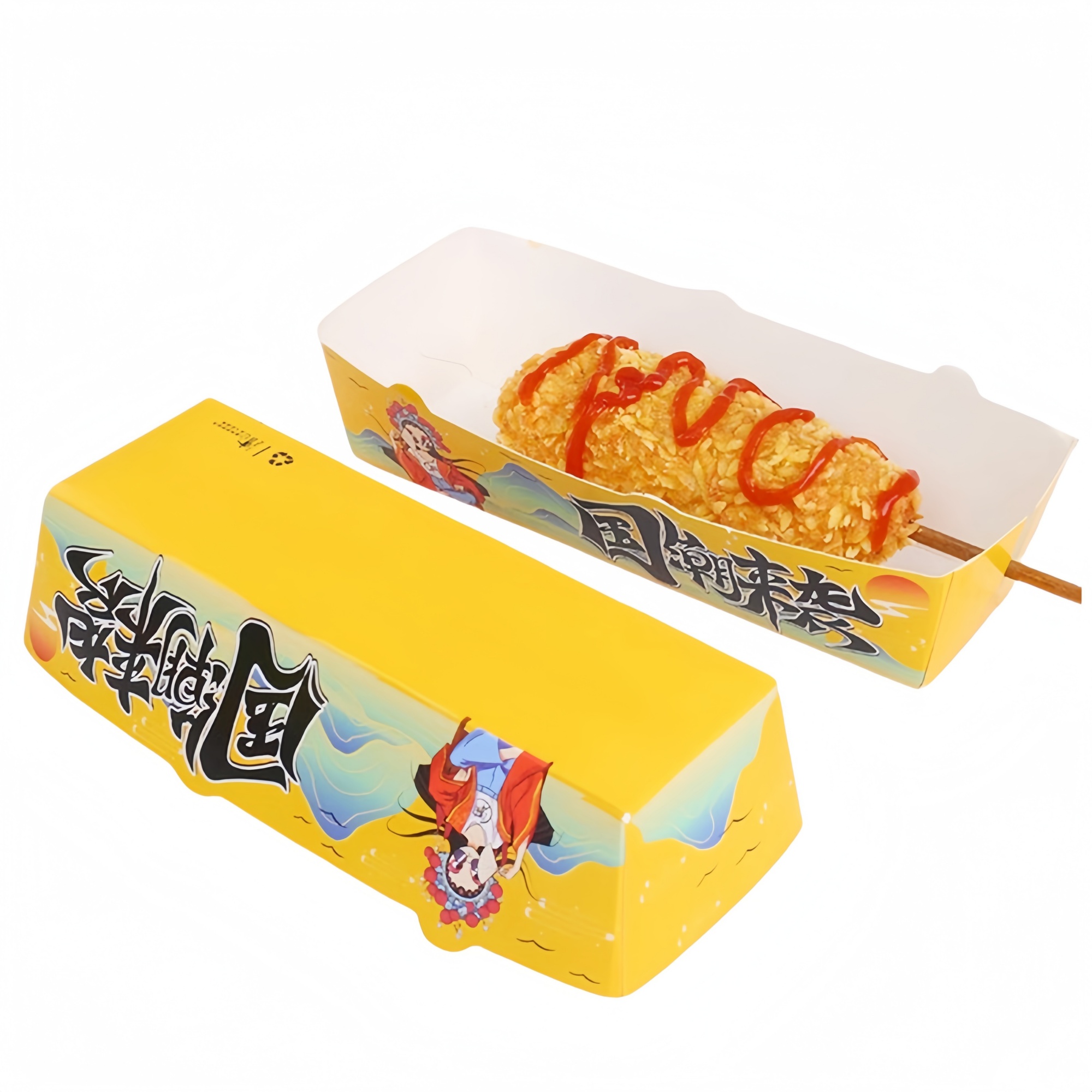


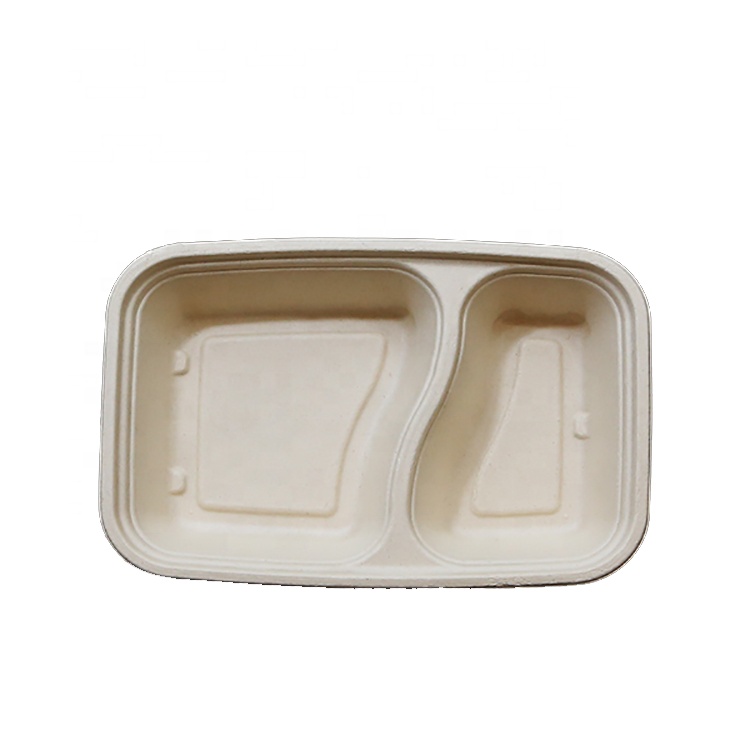

Executive Summary: The Evolving Landscape of Compartment Food Tray Manufacturing
The global commercial food packaging industry is currently undergoing a structural pivot driven by regulatory mandates, corporate environmental commitments, and shifting consumer behavior. As single-use plastic (SUP) restrictions tighten across North America, the European Union (EU PPWR standards), and Asia-Pacific, procurement directors for QSR (Quick Service Restaurant) chains, airline caterers, ready-meal prep delivery services, and institutional food distributors are re-evaluating their supply chains.
At the center of this transformation is the Multi-Compartment Food Tray—a critical structural unit designed to segregate cold and hot food components, prevent sauce migration, maintain crispness, and maximize volumetric loading efficiency in outer delivery bags. Modern multi-compartment containers must satisfy stringent engineering thresholds: high oil and water barrier properties, thermal integrity spanning from freezer (-20°C) to microwave/oven reheat environments (+120°C), and strict compliance with non-toxic, food-safe chemical migration limits.
This whitepaper serves as an authoritative procurement guide evaluating the Top 10 Compartment Food Trays Factories & Exporters, detailing technical material metrics, manufacturing automation benchmarks, regulatory trends, and corporate procurement best practices for 2025 and beyond.
Benchmarking Criteria: How Top Compartment Food Tray Exporters Are Rated
Navigating Asian and global packaging supply chains requires transparent benchmarking. When selecting a primary OEM/ODM partner for multi-compartment containers, institutional buyers evaluate suppliers across five core operational metrics:
1. Material Science & PFAS-Free Compliance
Top factories have eliminated Per- and Polyfluoroalkyl Substances (PFAS) in bagasse pulp molding. Leading manufacturers utilize bio-based alkyl ketene dimer (AKD) sizing and fluorine-free aqueous coatings that comply with US FDA 21 CFR 176.170 and EU No 10/2011 standard testing without compromising oil resistance.
2. Tooling Precision & Wall-Rib Structural Integrity
Multi-compartment trays require high structural rigidity to prevent inter-compartment wall collapsing under vertical stacking pressure. Top exporters employ high-precision CNC mold tooling with draft angle optimization to produce crisp compartment divider walls and leak-resistant perimeter rim seals.
3. Automated Pressing & Inline Inspection
World-class facilities integrate automated robotic trimming, optical vision sorting systems, and German Roland offset printing presses for secondary branded paper sleeves and outer gift boxes, ensuring zero structural defects and precise color matching across 100,000+ unit production runs.
4. Supply Chain Agile Logistics
Location near major container shipping ports (such as Foshan's proximity to Nansha, Guangzhou, and Yantian, Shenzhen) drastically reduces inland freight costs, shortens lead times, and facilitates fast LCL/FCL consolidated shipments for global importers.
Multi-Compartment Food Tray Material Comparison Matrix
Selecting the optimal raw material substrate is essential for balancing unit economics, functional performance, and end-of-life environmental impact. The matrix below outlines key engineering traits of major compartment tray materials:
| Material Substrate | Thermal Range | Grease / Liquid Barrier | Inter-Compartment Sealing | End-of-Life / Eco Profile | Best Application |
|---|---|---|---|---|---|
| Sugarcane Bagasse Pulp | -20°C to +100°C | Excellent (PFAS-Free AKD Sizing) | Hinged Lid / Snap Pulp Lid | 100% Home/Industrial Compostable | Hot takeaway meals, catering, eco-mandated QSRs |
| Food-Grade PP (#5 Plastic) | -20°C to +120°C | 100% Impermeable Liquid Lock | Hermetic Anti-Fog Snap-On Lid | 100% Recyclable (#5 Stream) | Microwavable meal prep, ready-to-eat supermarket boxes |
| PE-Coated Kraft Paperboard | -10°C to +90°C | High Liquid Barrier (Internal Lining) | Foldable Flap / Heat-Seal Sleeve | Recyclable in Pulp Facilities | Noodle boxes, bakery combo meals, street food trays |
| C-PET (Crystallized Polyester) | -40°C to +200°C | 100% Impermeable | Film Heat-Sealing Lidding | Recyclable (#1 Stream) | Dual-ovenable airline meals, frozen-to-hot dinners |
Future Sourcing & Procurement Trends in Compartment Food Trays
To retain market share and avoid regulatory penalties, corporate sourcing managers must align their 3-to-5-year packaging strategies with key technological and legal developments shaping the global packaging landscape:
1. Global Enforcement of Fluorine-Free (PFAS-Free) Packaging
In response to environmental health directives in over 25 US states and EU REACH/SUP regulations, major exporters are completely phasing out fluorinated grease-proofing agents. Tomorrow’s market-leading factories utilize nanocellulose bio-coatings and AKD cross-linking technologies that deliver equal oil-repellency without forever-chemical residues.
2. Rise of Hybrid & Smart Sleeve Branding Solutions
To balance unprinted natural sugarcane bagasse or plain black PP meal boxes with luxury retail shelf appeal, brands are increasingly pairing multi-compartment containers with custom printed paper sleeves. Utilizing recycled art paperboards with matte lamination, UV spot coatings, and foil stamping allows food brands to convey premium identity while maintaining low unit container costs.
3. Zero-Cross-Contamination Compartment Design
Delivery food apps have elevated consumer expectations. Liquid or sauce leakage from one compartment into another (e.g., curry soaking into crispy rice) leads to low review scores. Modern factories are engineering raised inner rib profiles and custom perimeter channel lids that isolate each chamber independently, guaranteeing leak-proof multi-zone containment during transport over rough roads.
4. Nesting Efficiency & Volumetric Freight Optimization
Container shipping rates fluctuate significantly. High-volume buyers prioritize tray geometries engineered with ultra-precise sidewall taper angles (draft angles). Trays that nest tightly reduce master carton stacking height, enabling up to 25% higher unit density per 40ft HQ export container, drastically lowering ocean freight costs per piece.
Enterprise Capability: Guangdong Pudse Packaging Technology Co., Ltd.
Headquartered in Foshan, Guangdong—one of South China’s premier packaging and printing industrial hubs—Guangdong Pudse Packaging Technology Co., Ltd. represents the benchmark for modern, integrated food packaging manufacturing.
Advanced Pressing & Printing Equipment
Equipped with modern German Roland 4-color offset presses, 6+1 printing lines, automated die-cutting, high-speed bagasse molding machines, and inline sleeve gluing infrastructure.
Full In-House Customization
From dieline structural engineering and 3D prototyping to custom branding finishes (matte/gloss lamination, gold foil stamping, embossing, UV coating, and window patching).
Rigorous International Quality Compliance
Operating under ISO 9001 quality management guidelines with full material traceability, providing third-party food-contact testing support (FDA, EU 10/2011, LFGB) for global markets.
Rapid B2B Service & Logistics
Average online response time of ≤ 1 hour, fast custom sample turnarounds (≤ 7 days), flexible low MOQ options for stock lines, and efficient container loading near Guangzhou/Shenzhen export ports.
Frequently Asked Questions (FAQ) for Food Tray Procurement
Expert guidance on common technical, operational, and commercial questions asked by international buyers.