Featured Food Packaging & Catering Essentials
From sugarcane molded trays and takeaway bento boxes to custom barrier sleeves and drinkware, explore our high-volume export lines engineered to ISO 9001 and international food-contact safety standards.
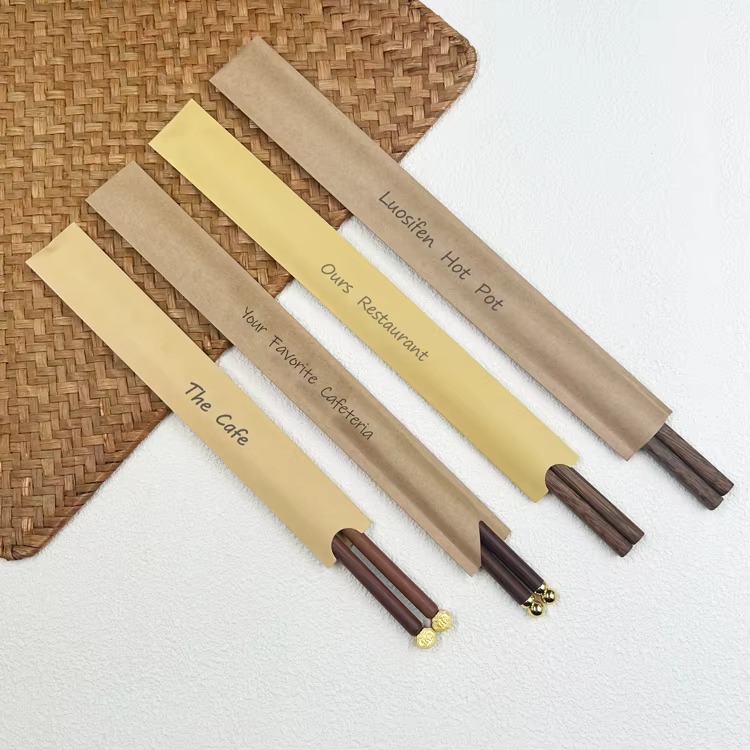
Free Design Paper Sleeve With Custom Logo for Chopsticks
High-speed offset printed kraft paper covers and custom dielines engineered for premium restaurant table settings.
View Product Details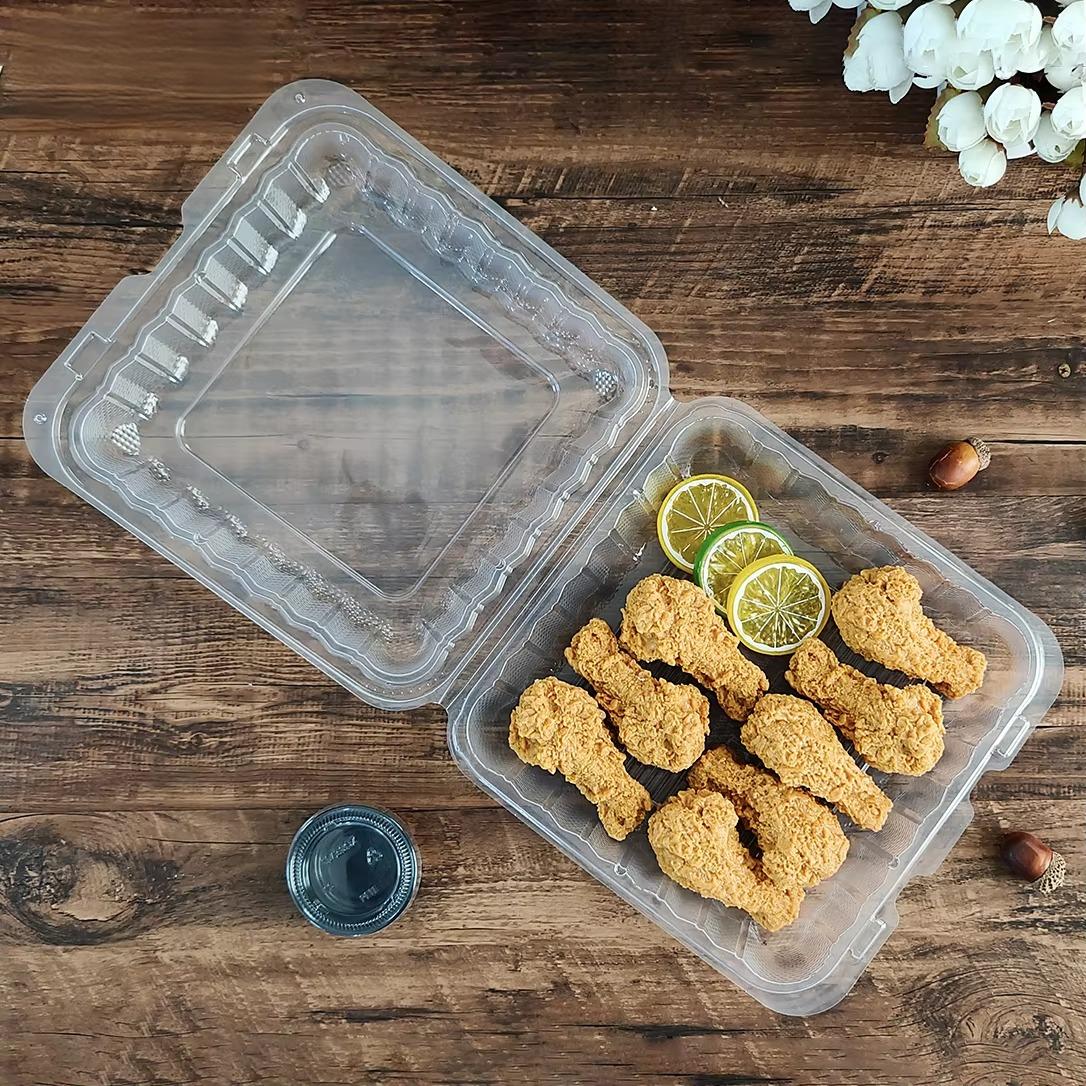
9 Inch 1 Compartment PP Bento Lunch Takeaway Box
Heavy-duty leak-resistant polypropylene clamshell for catering meal preps, hot reheating, and delivery integrity.
View Product Details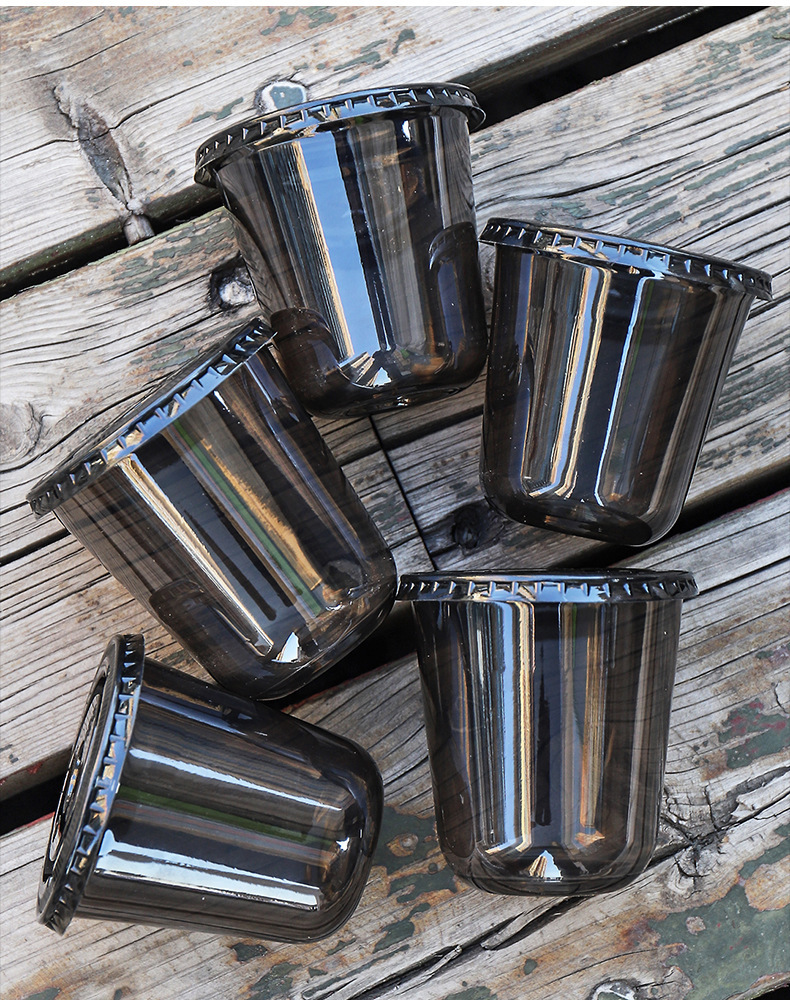
Wholesale Disposable PET Drink Cups with 90mm Lids (8–32oz)
Crystal-clear thermoformed PET cups with custom logo silk-screen branding for iced lattes, bubble teas, and smoothies.
View Product Details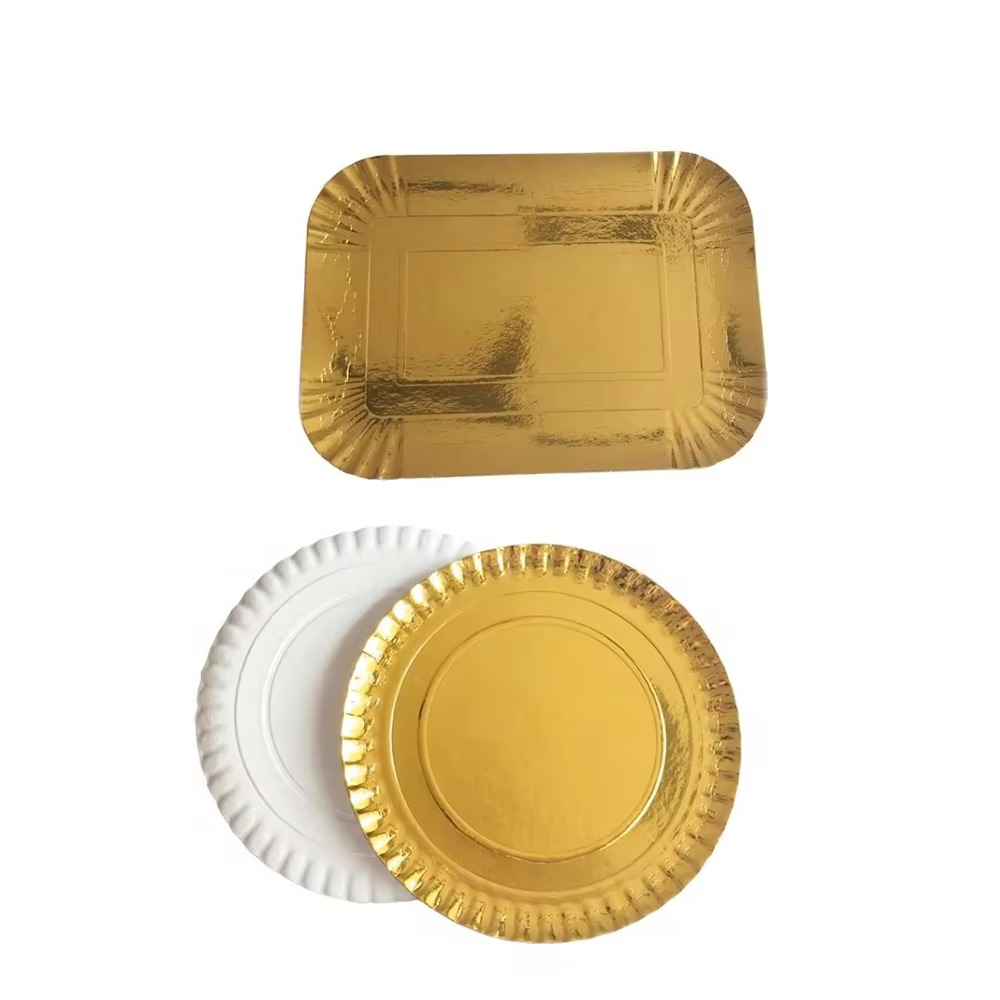
Wholesale Gold Round Grease-Proof Cardboard Cake Board Tray
High-density laminated structural paperboard designed for heavy cake tier stabilization and grease resistance.
View Product Details
Custom Eco-Friendly Cardstock Cutlery & Chopstick Sleeves
Food-grade virgin and recycled paper stock offering hygienic cutlery encapsulation for commercial banquets and hotels.
View Product Details
Custom Luxury Embossed Hot-Stamping Paper Envelopes
Precision multi-layer hot-stamping, micro-embossing, and high-tensile cardstock converting executed on Roland presses.
View Product Details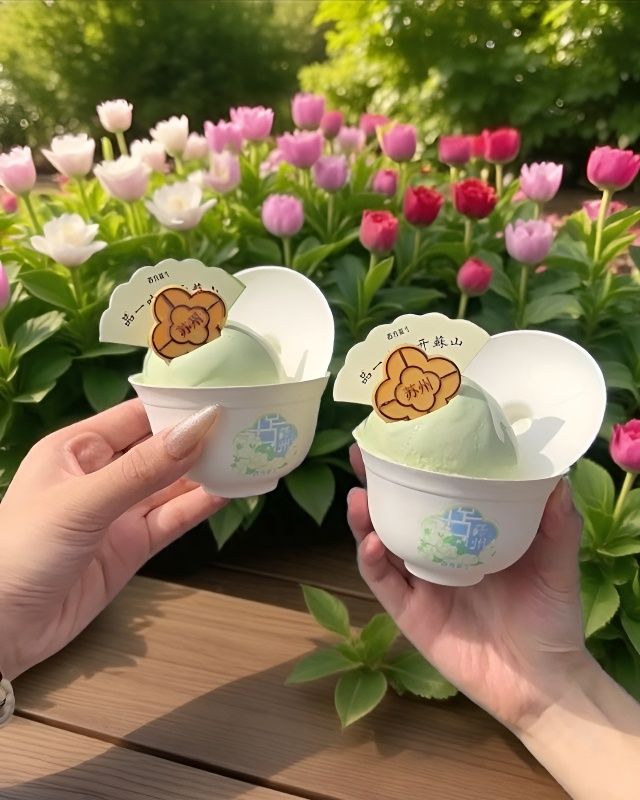
Custom Printed Biodegradable Ice Cream Cups (Single Wall)
Low-temperature barrier-coated paperboard engineered to prevent sidewall condensation and softening in freezers.
View Product Details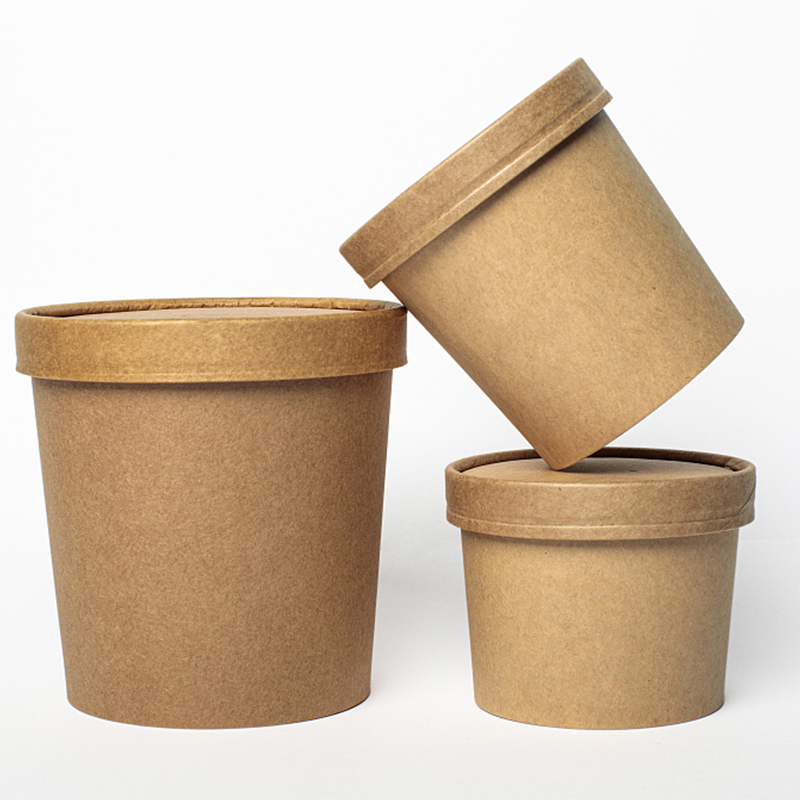
32oz Recycled Kraft Paper Cup for Hot & Cold Beverages
High-volume kraft cup with reinforced heat-sealed bottom seams, leakproof inner barrier, and natural aesthetic appeal.
View Product DetailsEngineering Principles of Sugarcane Bagasse Pulp Molding
Sugarcane bagasse is the fibrous residue remaining after raw sugarcane stalks are crushed during juice extraction. While historically treated as agricultural agro-waste or incinerated for low-efficiency boiler fuel, bagasse has emerged as the premier structural substrate for sustainable food trays, bowls, plates, and hinged clamshell containers. From a chemical and polymer perspective, bagasse fiber comprises approximately 45–52% cellulose, 24–28% hemicellulose, and 18–22% lignin. This distinct biological composition yields high aspect-ratio fibers that cross-link tightly during high-pressure thermoforming, generating exceptional mechanical rigidity without requiring synthetic polymer scaffolding.
In modern Chinese thermoforming factories, the conversion from unrefined agricultural waste to finished, export-ready food trays follows an automated hydrapulping, refining, vacuum forming, and hot-press drying sequence. The raw bagasse pulp is hydrated to a 0.5%–1.0% consistency slurry, mechanically beaten to open fiber fibrils (achieving a Canadian Standard Freeness rating between 450 CSF and 550 CSF), and passed through multi-stage vibrating de-shives to eliminate particulate impurities. During the thermoforming stage, CNC-milled aluminum molds equipped with micro-perforated stainless-steel mesh extract water via high-vacuum suction (−0.08 to −0.09 MPa), depositing a uniform wet fiber mat across multi-cavity tooling. The wet tray preform is subsequently transferred to a hydraulic hot press cycling at 180°C to 220°C under 4 to 8 MPa of mechanical clamping pressure. This extreme thermodynamic condition vaporizes residual moisture to below 7% while simultaneously plastifying the native lignin, fusing adjacent microfibers into an impenetrable structural composite.
Structural Rigidity & Wall Geometry: Our tooling engineers utilize draft angles of 2.5° to 5° alongside radiused structural ribs across tray perimeters. This geometry delivers an optimal stiffness-to-weight ratio, preventing tray buckling when holding dense, saucy meals up to 1.8 kg at elevated temperatures.
Compared to traditional expanded polystyrene (EPS) foam, which takes over 500 years to photo-degrade while leaching hazardous styrene monomers, or thermoformed polypropylene (PP) which relies on petrochemical refining, molded bagasse exhibits a closed-loop biological lifecycle. When disposed of in industrial composting environments, the enzymatic activity of thermophilic bacteria completely digests the cellulose structure within 60 to 90 days, returning the tray to water, carbon dioxide, and nutrient-dense humus compliant with ASTM D6400 and EN 13432 protocols.
Structural & Thermal Matrix: Bagasse vs. Conventional Materials
Global procurement directors and supply chain directors must evaluate structural packaging through rigorous performance criteria rather than marketing claims alone. The table below delineates verified laboratory metrics across primary food tray substrates:
| Physical Property | Molded Sugarcane Bagasse | Expanded Polystyrene (EPS) | Virgin Kraft Board (PE-Coated) | Polypropylene (PP #5) |
|---|---|---|---|---|
| Service Temperature | -20°C to +120°C (-4°F to 248°F) | -10°C to +80°C (14°F to 176°F) | -20°C to +100°C (-4°F to 212°F) | -20°C to +120°C (-4°F to 248°F) |
| Tensile Strength Index | 28 – 35 N·m/g | 12 – 18 N·m/g | 45 – 65 N·m/g | 30 – 40 MPa |
| Microwave Reheating Safe | Yes (High structural stability) | No (Risk of toxic monomer release) | Brief reheating only (<2 min) | Yes (Standard microwave grade) |
| Air-Fryer / Oven Compatibility | Oven-safe up to 200°C / 400°F (15 min) | Strictly prohibited (Melts at 90°C) | Unsafe (PE liner melts at 105°C) | Unsafe (Melts at 130°C–165°C) |
| Oil Barrier Mechanism | PFAS-free internal wet-end sizing | Inherent non-polar hydrocarbon | 15–18gsm Polyethylene (PE) coating | Non-polar polyolefin polymer |
| Industrial Biodegradability | 100% in 60–90 days (EN 13432) | Non-biodegradable (500+ years) | Non-compostable without PE removal | Non-biodegradable (Recyclable) |
| Marine Degrability Impact | Benign pulp degradation <180 days | Persistent microplastic hazard | Persistent plastic film barrier | Persistent microplastic hazard |
Global Regulatory Landscape & PFAS-Free Chemical Barrier Evolution
International packaging procurement has entered an unprecedented regulatory transition period driven by legislative mandates curbing single-use plastics and hazardous fluorinated surfactants. Historical molded fiber formulations achieved water and oil repellency via long-chain per- and polyfluoroalkyl substances (PFAS), specifically fluorochemical telomers. These chemicals lowered the tray’s surface energy, preventing lipids from wetting the porous cellulosic capillaries. However, because PFAS contain carbon-fluorine bonds that resist metabolic and environmental degradation—earning them the label "forever chemicals"—regulatory authorities worldwide have enacted strict bans on intentionally added PFAS in food-contact packaging.
In the United States, FDA voluntary phase-outs are complemented by state-level statutes, such as California AB 1200, New York’s Hazardous Packaging Act, and Washington state limits mandating total fluorine content below 100 ppm. In the European Union, the updated Packaging and Packaging Waste Regulation (PPWR) alongside REACH restriction proposals impose total ban timelines on PFAS in disposable tableware. Similarly, the EU Single-Use Plastics Directive (SUPD) continues to push major restaurant chains away from conventional plastic laminates toward genuinely recyclable and bio-compostable substrates.
As an established China manufacturer, our Foshan factory has engineered fourth-generation PFAS-free barrier chemistries. Instead of fluorochemical additives, we introduce modified Alkyl Ketene Dimer (AKD) and biological water-dispersed emulsions directly into the hydrapulper wet-end matrix. For ultra-heavy grease applications—such as fried chicken, high-fat curries, and roasting meat packaging—we apply an in-line aqueous bio-dispersion coating via robotic spray or curtain coater. This creates a dense, microscopic bio-wax barrier that achieves an Oil Kit Rating of 7 to 9 (TAPPI T559 standard) and resists hot peanut oil at 95°C for over 4 hours without capillary bleed-through or structural softening.
Integrated Manufacturing Advantages: Guangdong Pudse Packaging Technology
Headquartered in Dali Town, Nanhai District, Foshan, Guangdong Pudse Packaging Technology Co., Ltd. represents the premier echelon of Chinese packaging fabrication. Positioned at the heart of South China’s high-tech manufacturing corridor—minutes from international maritime terminals in Guangzhou and Shenzhen—our enterprise consolidates design, mold engineering, pulp slurry thermoforming, and advanced post-press converting under a unified quality assurance system.
German Roland 4-Color Press
Our in-house pre-press and post-press departments feature German Roland 4-color offset machinery, 6+1 UV printing lines, and automated hot-stamping units for private-label paper sleeves and retail folding boxes.
Tooling & Mold Innovation
We operate 4 precision molding machines, 6 high-tonnage die-cutting stations, and in-house CNC tool machining capable of translating customer 3D CAD files into functional multi-cavity production tooling within 12 days.
ISO 9001 & Food-Contact Rigor
Incoming fiber lot tracing, real-time optical visual inspection, moisture verification (≤7%), burst index calibration, and third-party FDA / LFGB / BPI certification testing ensure compliance across North America and Europe.
Unlike unverified trading intermediaries, Guangdong Pudse operates with verified physical infrastructure spanning 10,000 to 30,000 square meters, supported by 51–100 technical personnel. Maintaining an average inquiry response window of ≤1 hour and a 100% response rate across verified global B2B networks, we provide international enterprise buyers with uncompromised manufacturing transparency, rapid sample generation (3 to 5 business days), and flexible trade financing under diverse Incoterms (FOB, CIF, CFR, DDP, EXW).
Future Procurement Trends in Fiber Food Packaging (2025–2030)
The commercial food service landscape is transitioning rapidly from basic commodity consumption to high-performance, circular packaging systems. Strategic procurement professionals who anticipate material and regulatory shifts gain massive cost, logistical, and sustainability advantages:
1. Precision Click-Lock Fiber Lids
Brand owners are actively eliminating PET/PP transparent lids. The next generation of bagasse food trays utilizes automated undercut tooling that molds micro-beaded rim contours, providing leakproof, audible friction-fit snap closure on molded fiber lids.
2. High-Barrier Trays for MAP Packaging
Fresh meat, cut poultry, and refrigerated ready-meal processors require Modified Atmosphere Packaging (MAP) to extend shelf life. Novel bio-laminate films applied to rigid bagasse bases provide gas transmission barriers (OTR < 2 cm³/m²·day) that remain fully compostable.
3. Scope 3 Carbon Accounting Protocols
Global QSR conglomerates require audited Life Cycle Assessment (LCA) data. Modern Chinese bagasse manufacturers are deploying closed-loop heat recovery systems, solar installations, and localized bagasse biomass generation to lower product carbon footprint (PCF) metrics.
Strategic B2B Procurement FAQ: Bagasse Food Trays
Crucial technical, logistics, and compliance inquiries answered for international procurement officers, food packaging distributors, and brand supply leads:
Partner with China's Premier Food Packaging Manufacturer
Accelerate your sustainable packaging transformation with audited factory capacity, verified PFAS-free compliance, and direct manufacturing pricing from Foshan, China. Speak with an enterprise engineering specialist within 1 hour.
Send an Inquiry