ISO 9001 Certified Foshan OEM/ODM Production Hub

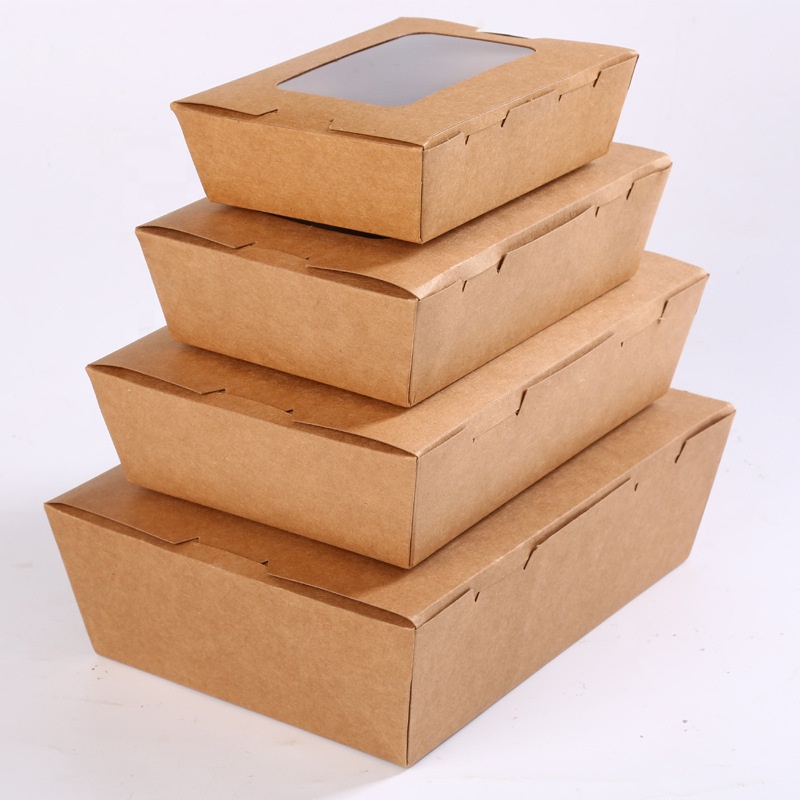
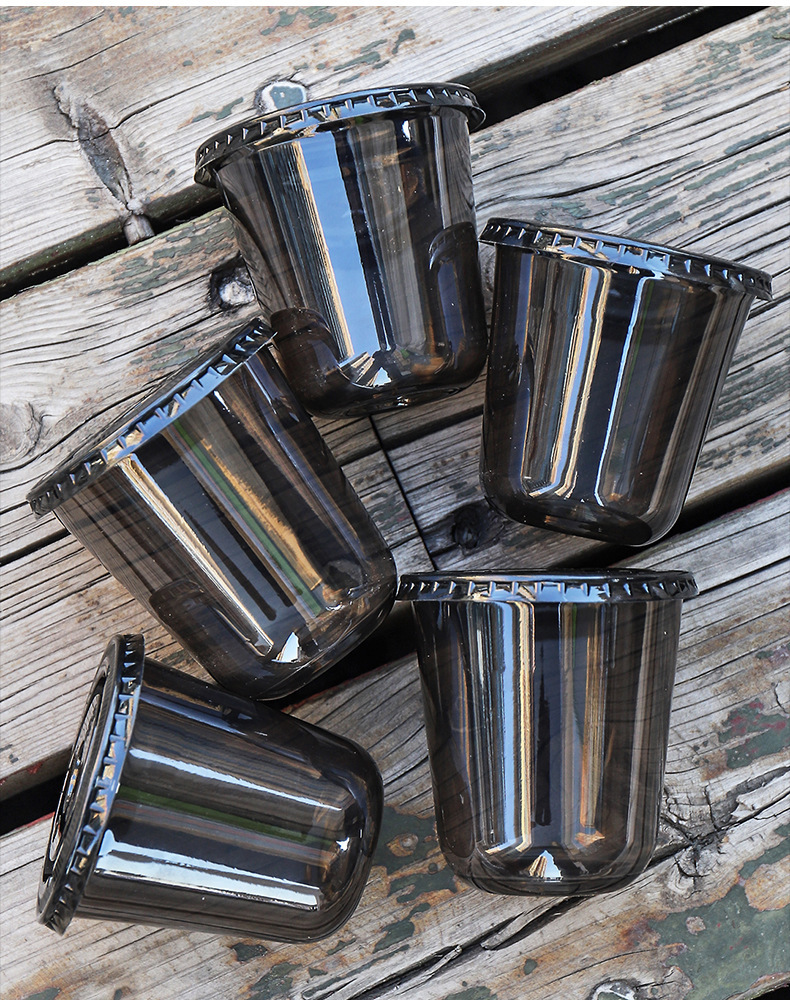
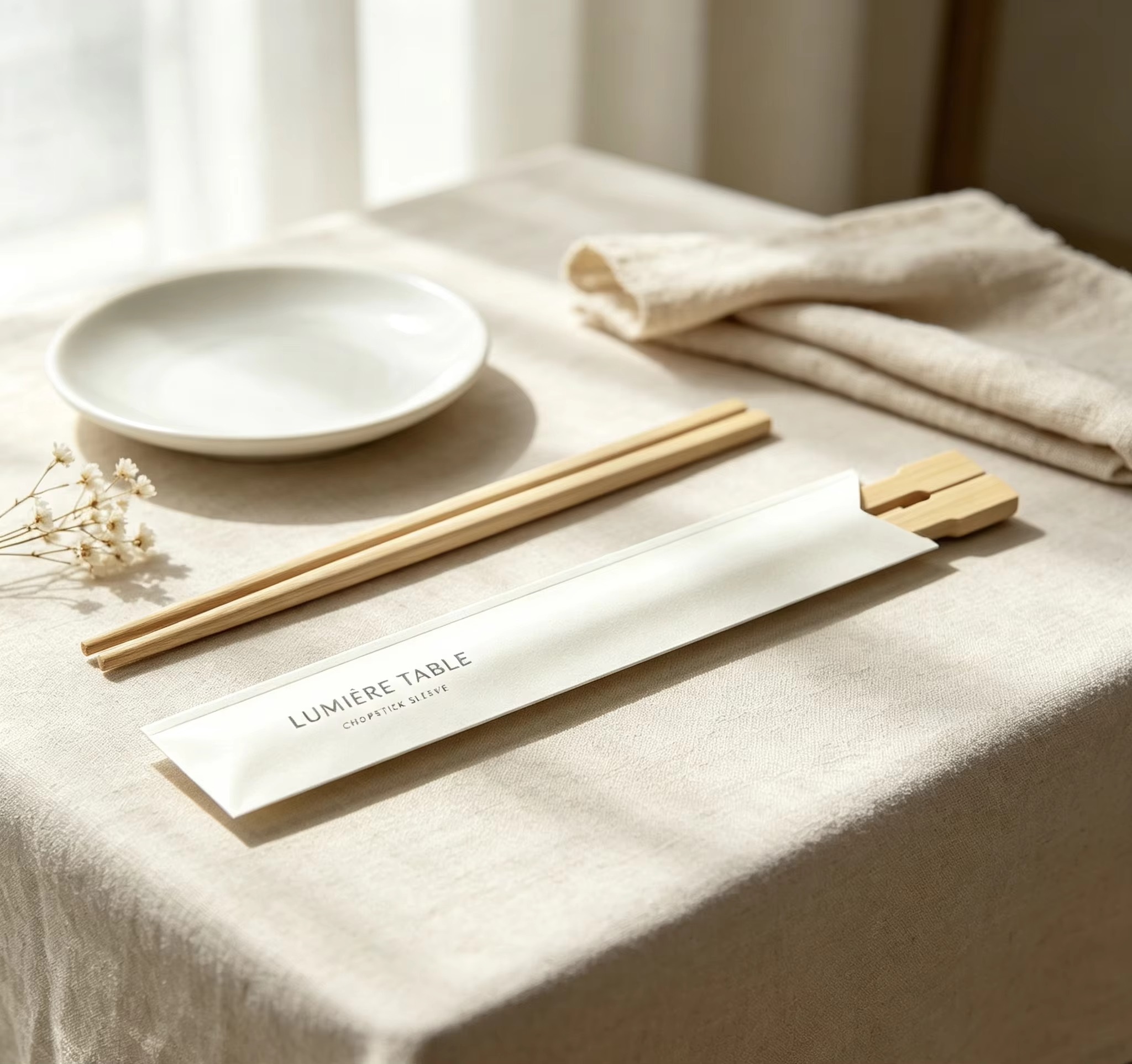
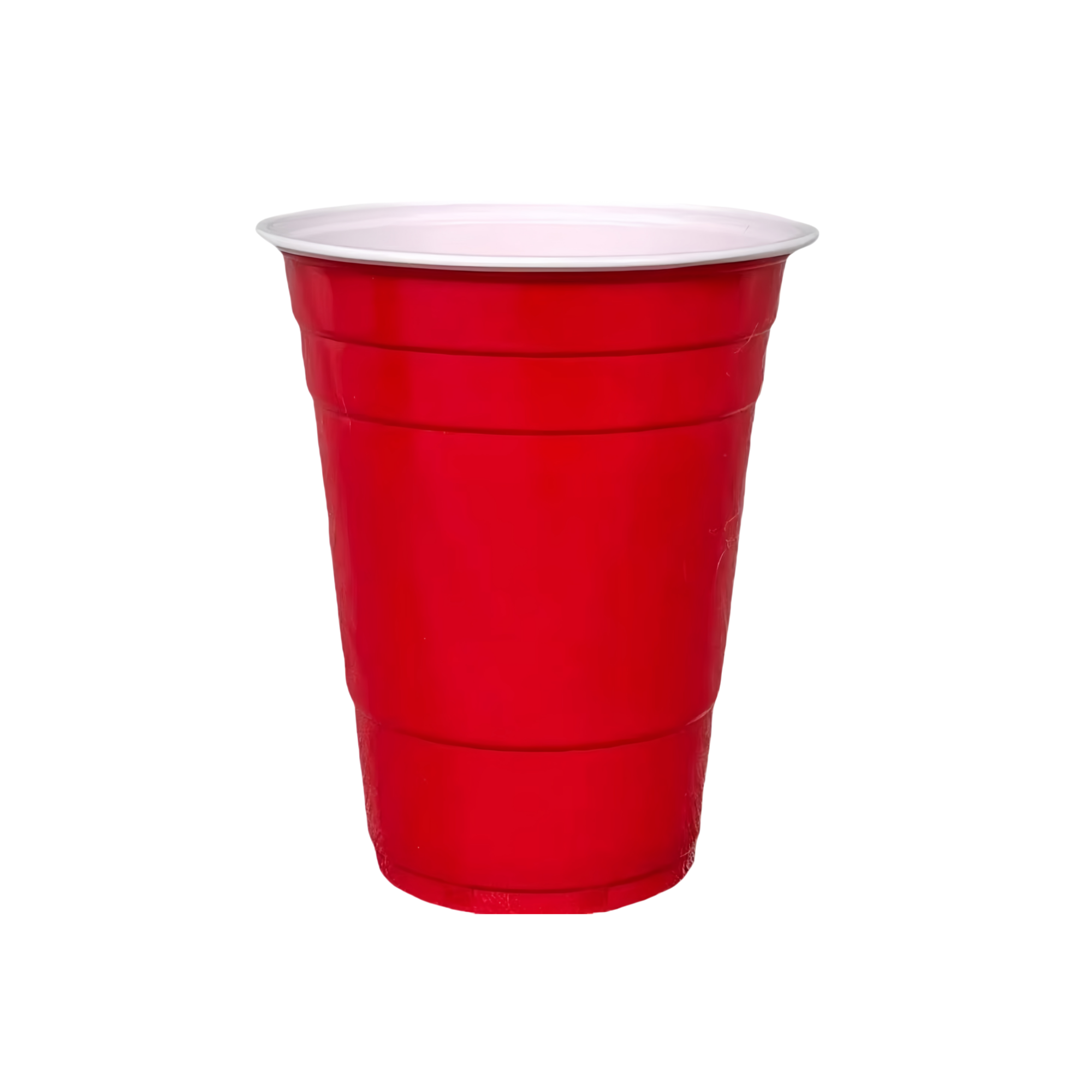
Top China Disposable Food Trays Factory & Suppliers

The definitive procurement whitepaper on molded sugarcane bagasse, barrier-coated kraft paperboard, and high-heat polypropylene food containers engineered for global foodservice compliance.

Standard & Custom Portfolio

High-Performance Foodservice Packaging & Trays

Direct factory-gate pricing, precision mold fabrication, and certified food-contact materials. Explore our primary production items below or request tailored dieline samples.

2009
Industrial Heritage
30,000m²
Foshan Factory Facility
≤ 1 Hour
Average RFQ Response
100%
Food-Grade Verified
Guangdong Pudse Manufacturing Excellence

Why International Brands Choose Our Foshan Production Facility

Operating out of Dali Town, Nanhai District, Foshan, Guangdong Pudse Packaging Technology Co., Ltd. combines heavy molding machinery, German precision printing presses, and strict ISO 9001 protocols to deliver export-ready foodservice containers worldwide.

German Roland 4-Color & 6+1 Offset Lines

Unlike third-party conversion shops that outsource decorative printing, our Foshan factory maintains enclosed pre-press, Roland sheet-fed presses, and continuous 6+1 lines in-house. This gives international procurement heads tight Delta-E color consistency across million-unit production runs.

  • Inline optical inspection detects microscopic ink bleed
  • Food-safe, low-migration soy and water-based ink compliance
  • Matte, glossy, aqueous, soft-touch, and UV coatings

Deep Supply Chain Integration & Logistics Hub

Positioned in the Greater Bay Area manufacturing belt, our factory is minutes away from the Guangzhou and Shenzhen international deep-water ports. We support comprehensive multimodal Incoterms—including FOB, CIF, DDP, and door-to-door consolidated LCL/FCL distribution.

  • Direct port drayage reduces inland demurrage and dwell fees
  • Automated carton palettizing with moisture-barrier stretch wraps
  • Real-time shipping milestone alerts & digital bill of lading support

Certified International Food Contact Compliance

Every SKU engineered in our facility undergoes rigorous verification against FDA 21 CFR 176.170 (paperboard), EU Framework Regulation (EC) No 1935/2004, and Germany’s LFGB sections 30 & 31. We proactively provide third-party lab documentation (SGS/TÜV) validating zero hazardous heavy metal migration.

  • Strict non-detectable levels for lead, cadmium, and arsenic
  • Certified PFAS-free formulations conforming to US State legislation
  • Full batch lot tracking back to virgin raw fiber pulping mills
Technical Engineering Matrix

Substrate Comparison: Selecting the Optimal Tray Formulation

A procurement mismatch between food chemistry and container substrate causes grease bleed, lid warping, or container collapse during transit. Review our engineering specifications before finalizing purchase orders.

Substrate Material Operating Temperature Grease & Oil Barrier Microwave / Oven Safety End-of-Life Lifecycle Best Channel Application
Molded Sugarcane Bagasse
Dry-pressed agro-fiber
-20°C to +120°C High (PFAS-free aqueous dispersion) Safe (Up to 120°C reheats) EN 13432 / ASTM D6400 Industrial & Home Compostable Hot restaurant takeout, QSR catering, zero-waste institutional venues
Virgin Kraft + Water-Based Barrier
Unbleached wood pulp
-18°C to +100°C Excellent (Cross-linked polymer coat) Safe (Short reheating cycles) 100% Repulpable in standard curbside paper recycling Noodle boxes, bakery display, salads, poke bowls, dry fried goods
Mineral-Filled Polypropylene (MFPP)
PP + 40% natural minerals
-20°C to +125°C Superior (Hydrophobic barrier) Safe (High-temp microwaveable) Code #5 Recyclable (Reduces virgin plastic consumption by 40%) Meal-prep delivery, ghost kitchens, oily soups, institutional catering
Virgin Polyethylene Terephthalate (PET)
Thermoformed high-clarity
-30°C to +60°C Superior (Total liquid barrier) Not Safe (Warps above 65°C) Code #1 Recyclable (Highest curbside recycling value globally) Cold salads, sliced fruits, sushi platters, cold deli counters
C-PLA (Crystallized Polylactic Acid)
Corn-starch biopolymer
-20°C to +90°C High (Impermeable surface) Limited (Max 85°C exposure) Commercial Composting Required (BPI certified facilities) Eco lids, clear cold tray covers, specialty organic retail packaging

Need Tailored Barrier Testing or Custom Dieline Schematics?

Our packaging engineering team in Foshan generates custom 3D CAD dielines, stress-load models, and sends physical sample kits for compatibility tests with your food menu items.

Market Intelligence & Procurement Insights

Future Procurement Trends in Disposable Food Trays

Global regulatory overhauls and raw material innovations are transforming the B2B packaging landscape. Professional buyers must navigate four strategic shifts over the 2025–2030 cycle.

Universal PFAS Elimination Mandates

With North American states (California AB 1200, New York, Washington) and the European Union enforcing strict per- and polyfluoroalkyl substances (PFAS) bans, the global demand for fluorochemical-free oil barriers has surged. Sourcing from factories that still utilize traditional fluorochemical grease treatments exposes importers to steep border seizures, civil penalties, and brand liability.

EU Packaging & Packaging Waste (PPWR)

The revised European PPWR introduces mandatory recycled content thresholds and strict recyclability design targets. B2B buyers must prioritize mono-material constructs—such as unlaminated aqueous-coated kraft or mineral-filled polypropylene—that pass automated material sorting without contaminating curbside fiber or polymer reclaim streams.

Volumetric Nesting & Freight Optimization

Ocean freight rate volatility has made nesting efficiency a paramount engineering priority. Precision draft-angle tooling allows modern molded fiber and thermoformed trays to achieve nesting density up to 35% higher than older generic designs. This directly translates into 20% to 30% more units per 40ft High Cube container, dramatically lowering landing cost per unit.

Scope 3 Carbon Tracking & LCA Auditing

Tier-1 retail food distributors now mandate comprehensive Life Cycle Assessments (LCA) from primary packaging manufacturers. Guangdong Pudse’s strategic location utilizes agro-industrial sugarcane residue (bagasse) rather than fossil hydrocarbons, allowing downstream brand clients to document verified reductions in Scope 3 greenhouse gas footprints.

Advanced Material Science

Next-Generation Technology & Manufacturing Trends

Continuous investment in tooling, chemistry, and structural physics differentiates forward-looking Chinese packaging factories from low-tier commodity workshops.

Micro-Aqueous Dispersion Coatings

Replacing traditional Polyethylene (PE) extrusion linings, our next-generation aqueous barrier coatings utilize advanced acrylic and biopolymer dispersions applied during the paper-milling phase. These microscopic cross-linked layers prevent water and oil migration while allowing the container to break down effortlessly in conventional hydropulper paper recycling mills.

High-Pressure Thermo-Molding Physics

Our automated pulp molding machinery exerts hydraulic pressure exceeding 300 metric tons at sustained temperatures of 180°C to 210°C. This intensive thermoforming compresses sugarcane fibers into a dense, mirror-smooth crystal grid that resists boiling liquids, prevents fiber shedding, and ensures leak-tight lid snaps without chemical adhesives.

Engineered Anti-Warp Structural Ribbing

Finite element analysis (FEA) has revolutionized disposable tray geometry. Our design engineers integrate micro-ribbed side walls, multi-faceted perimeter bezels, and reinforced corner radiuses that elevate top-load compression resistance by up to 45%. Trays can be stacked 6 to 8 tiers high inside delivery bags without rim buckling.

B2B Procurement Intelligence

Frequently Asked Sourcing & Manufacturing Questions

Direct technical answers addressing the real-world operational challenges of commercial buyers, food packaging importers, and retail supply chain managers.

What are the exact MOQ structures across different tray materials and customization levels?
Minimum Order Quantities (MOQ) reflect the machine calibration time and tooling requirements of each manufacturing line. For standard unprinted stock PP deli and meal-prep containers, our MOQ starts at just 150 to 500 pieces. For custom-printed folding kraft containers and sleeves utilizing our German Roland offset presses, MOQs run between 1,000 and 5,000 units depending on dimension. Molded sugarcane bagasse trays produced on dedicated heavy thermoforming tooling require an MOQ of 10,000 to 20,000 pieces to justify the slurry pulp vat cycling and high-pressure steam drying setup.
How does your factory verify and guarantee PFAS-free compliance for US and European imports?
We operate strict material segregation across our Foshan workshops. For target destinations covered by zero-fluorine mandates (such as the US and EU), we substitute fluorochemical surfactants with proprietary plant-based biopolymer and water-dispersed barrier compounds. Every production batch intended for regulated territories is backed by third-party Total Organic Fluorine (TOF) testing conducted by accredited laboratories (SGS, Intertek, or TÜV), confirming fluorine content falls well below the 100 ppm regulatory threshold.
What is the standard lead time from initial dieline approval to FOB vessel departure?
Once structural dielines and print artwork proofs are signed off, rapid 3D printed or CNC aluminum pre-production samples are dispatched within 3 to 5 business days. Mass production lead times generally range from 15 to 22 calendar days for full container load (FCL) orders. Because our facility is positioned directly within the Guangdong logistics corridor, drayage to the Guangzhou Nansha or Shenzhen Yantian export terminals takes under 4 hours, ensuring reliable carrier connections.
Can your engineering team create custom toolings for proprietary tray shapes or compartment divisions?
Yes. Our internal tooling department creates bespoke precision molds for thermoformed pulp, PP injection, and paperboard die-cutting. Tooling development begins with 3D CAD modeling and mold-flow stress simulation. Rapid CNC-cut prototype molds can be prepared in 7 to 10 days, followed by final multi-cavity hardened steel or aviation aluminum production molds within 20 to 25 days. Tooling costs are amortized or refunded once contractual order volumes are reached.
How do you manage in-line quality assurance and export carton packaging to avoid transit damage?
Quality control is governed by an ISO 9001-audited system operating under AQL 1.5/4.0 inspection standards. Technicians monitor raw fiber hydration, coating thickness, rim curl symmetry, and lid snap-fit tightness at 60-minute intervals. For ocean shipment, all trays are packed in sealed polyethylene internal liners inside heavy-duty 5-ply corrugated export cartons. Cartons are then palletized, edge-boarded, and automated stretch-wrapped to prevent humidity ingress and carton crush during transoceanic shipping.
What international payment methods, terms, and foreign exchange options do you accommodate?
To streamline global treasury operations, we support transactions in USD, EUR, GBP, AUD, CAD, HKD, and CNY. Payment mechanisms include Telegraphic Transfer (T/T), Irrevocable Letters of Credit at Sight (L/C), D/P, D/A, PayPal for rapid sample runs, and escrow accounts. For established corporate buyers with an ongoing ordering history, our trade credit department evaluates flexible open-account (OA) terms and net-payment structures.

Transform Your Food Packaging Supply Chain

Connect directly with Guangdong Pudse’s technical sales engineers. Receive comprehensive material data sheets, dieline templates, and precise factory-direct FOB/CIF container quotations within 60 minutes.