Engineered Food Packaging Product Catalog
Precision-molded, food-safe containers certified for global commercial food service and retail networks.

Recyclable PP Nonwoven Cake & Sushi Delivery Bag Custom Print Hand Handle
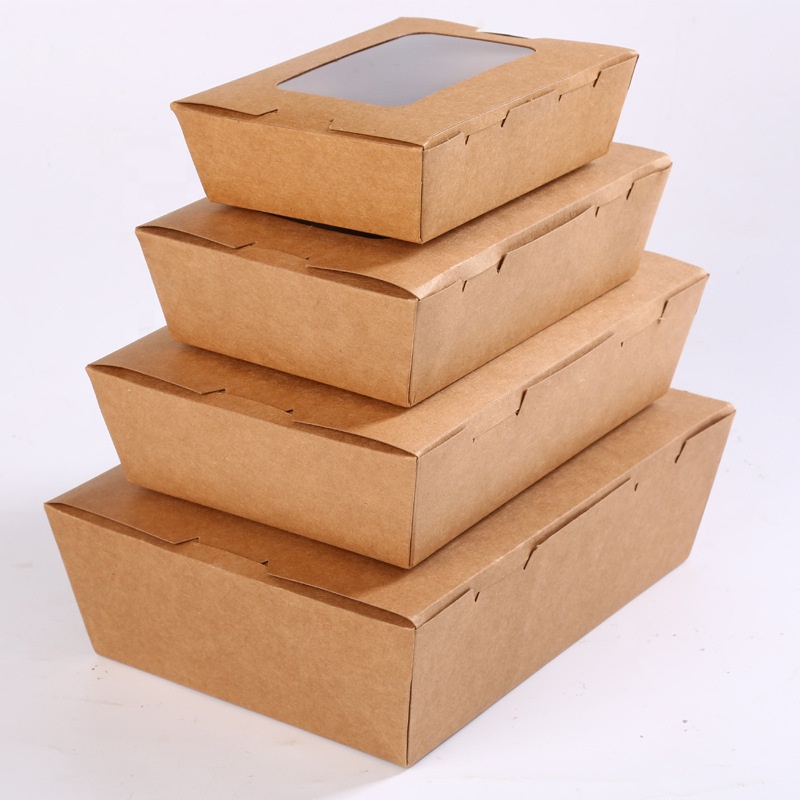
Recyclable Kraft Paper Food Boxes Anti-Fog Clear Window Takeout Containers

Wholesale Eco-Friendly Recyclable Multi-Color Kraft Honeycomb Cushioning Roll
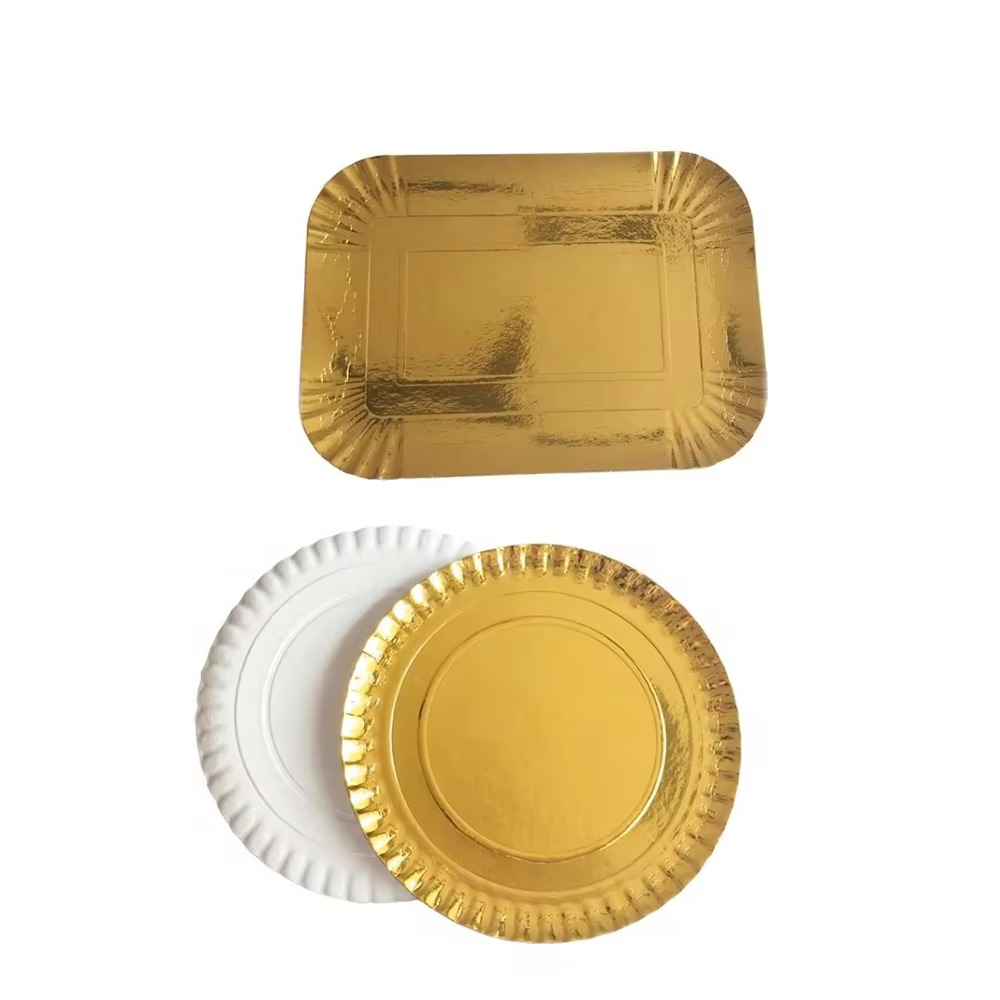
Wholesale Gold Round Thick Grease-Proof Cardboard Base Board Tray
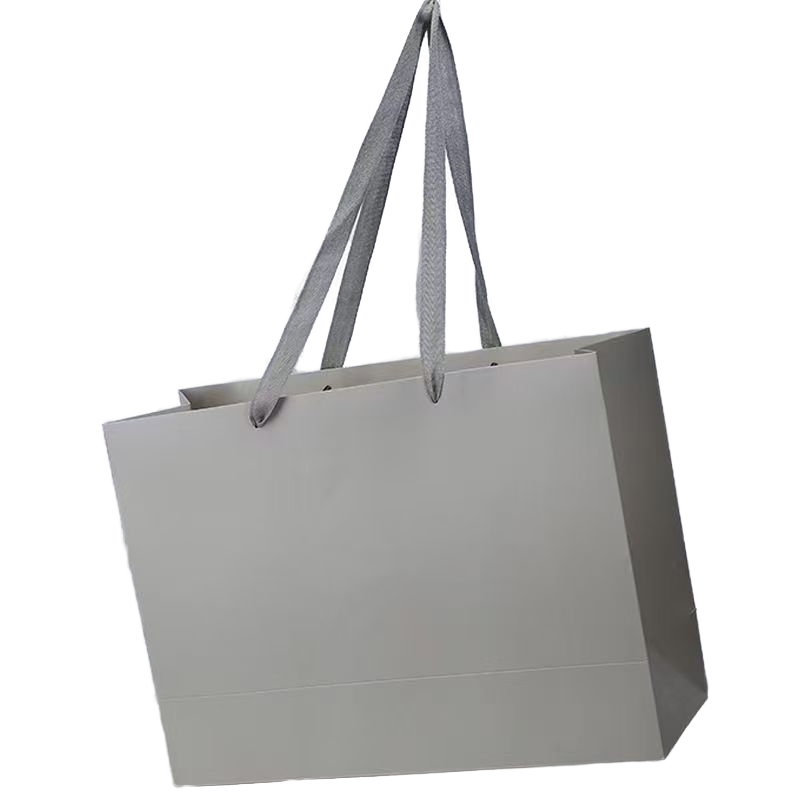
Eco-Friendly Art Paper Foil Stamping Logo Printed Luxury Retail Shopping Bag
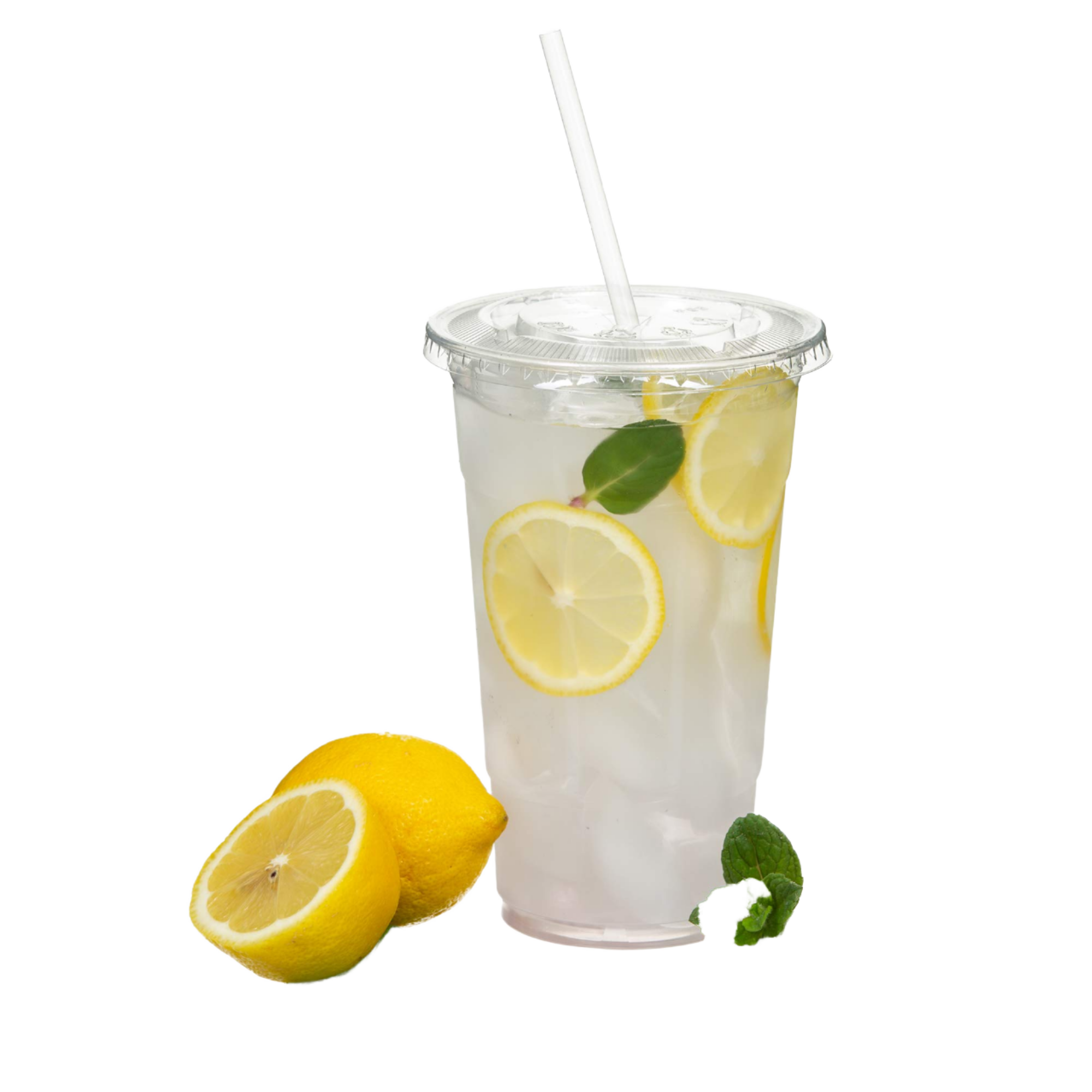
Custom Logo Disposable PET Clear Cup 12oz-16oz Transparent Blister Lid

Eco-Friendly Biodegradable Disposable Leakproof Kraft Foldable Takeaway Box
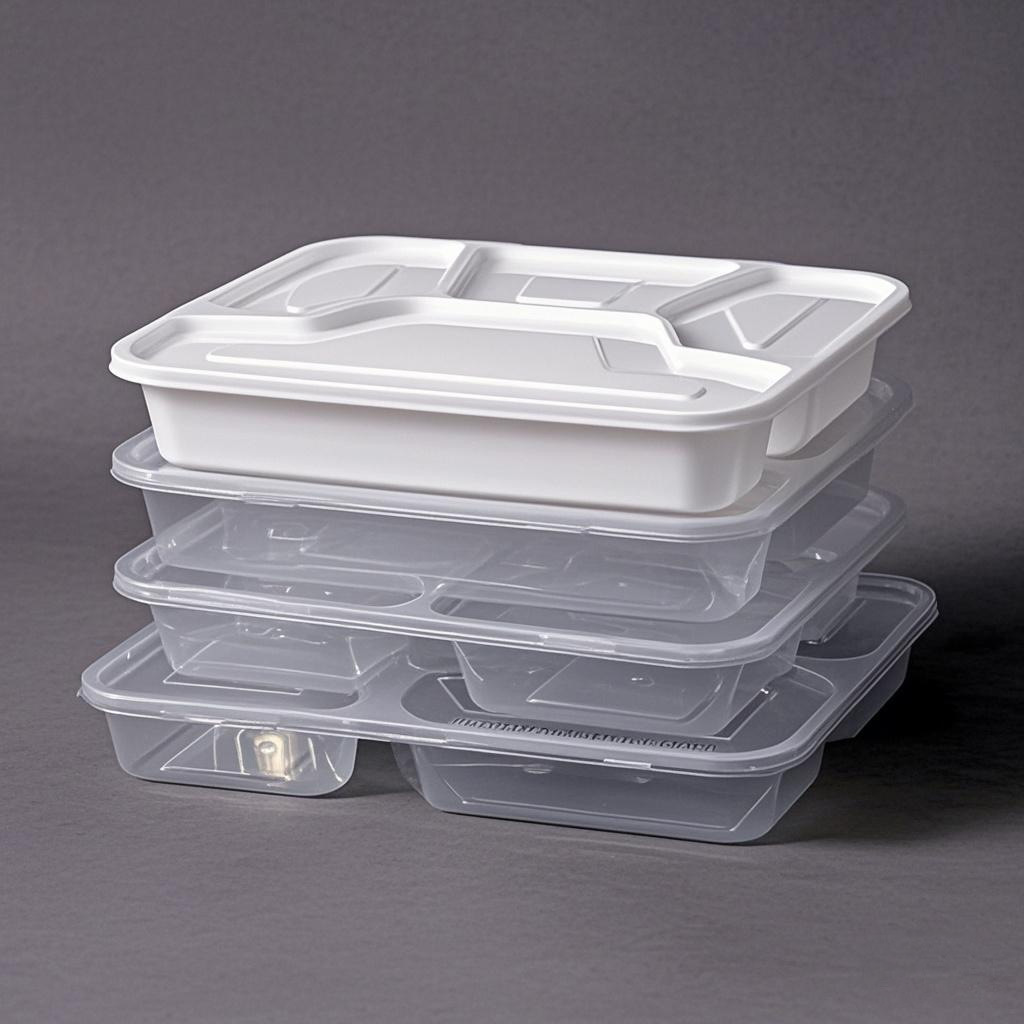
Hot Sale Plastic Bento Lunch Box Disposable Container With Takeaway PP Lid
1. B2B Sourcing Analysis: Why China Dominates Disposable Sushi Tray Manufacturing
The global commercial sushi market has evolved from niche high-end dining into an expansive global retail and quick-service takeaway industry. As sushi, sashimi, and maki require ultra-rigorous temperature control, visual presentation, and structural protection against soy sauce and oil penetration, selecting the right disposable sushi tray manufacturer in China is a paramount decision for global distributors, supermarket chains, and food packaging importers.
China's packaging production ecosystems—most notably centered in Foshan, Guangdong—integrate polymer compounding, precision sheet extrusion, high-speed automated pressure-thermoforming, in-house offset printing, and zero-defect quality control. China-manufactured disposable sushi trays present unprecedented structural rigidity, crystal-clear anti-fog lids (OPS and PET), and authentic Japanese aesthetic prints (traditional lacquer patterns, wood grain, and gold foil leaf styling) at scalable economics unmatchable in Western markets.
Technical Matrix: Polymer & Fiber Performance Breakdown for Disposable Packaging
Understanding resin thermodynamics, structural rigidity, and lid optical transparency is essential when procuring multi-tier food containers. Below is a comprehensive engineering comparison of primary food-grade polymers used in sushi packaging:
| Material Grade | Thermal Operating Range | Optical Transparency | Grease & Moisture Barrier | End-of-Life / Recyclability | Optimal Application Segment |
|---|---|---|---|---|---|
| BPS / PS (Polystyrene Base) | -10°C to 80°C | Opaque Base (Decorative Print) | High Barrier | Recyclable (Code 6) | Classic Japanese Lacquer Pattern Bases |
| PET (Polyethylene Terephthalate) | -20°C to 70°C | Ultra-Clear (>92% Light Transmittance) | Superior Gas & Moisture Seal | Widely Recyclable (Code 1) | Anti-Fog Display Lids & Cold Trays |
| OPS (Oriented Polystyrene) | -10°C to 85°C | High Clarity, Low Static Distortion | High Barrier | Recyclable (Code 6) | Snap-Lock Anti-Condensation Lids |
| PP (#5 Polypropylene) | -20°C to 120°C | Translucent to Opaque | High Chemical & Heat Resistance | Microwave Safe / Recyclable (Code 5) | Warm Bento Boxes & Hot Food Combos |
| Sugarcane Bagasse / Pulp | -20°C to 100°C | Natural Opaque Matte | Requires Bio-Barrier Coating | 100% Home/Industrial Compostable | PFAS-Free Sustainable Takeaway Lines |
2. Strategic Procurement Trends in Disposable Food Packaging (2025–2030)
As international environmental legislation tightens—such as the European Union’s Packaging and Packaging Waste Regulation (PPWR) and North American state-level bans on expanded polystyrene (EPS) and fluorinated compounds (PFAS)—procurement directors must adapt their supply chains to future-proof their inventory.
PFAS-Free Fluorochemical Alternatives
Global regulatory mandates demand oil- and water-resistant pulp trays created using aqueous dispersion coatings or bio-wax resins rather than long-chain per- and polyfluoroalkyl substances.
Mono-Material PET Circular Systems
Transitioning from complex multi-layer laminates toward 100% Mono-PET trays and lids simplifies post-consumer sorting and aligns with corporate ESG goals, boosting recyclability scores.
Advanced Anti-Fog Nanotechnology
Super-hydrophilic internal lid coatings reduce condensation water drop surface contact angles to near zero, preserving crystal-clear visibility even under intense supermarket display refrigeration.
Key Sourcing Drivers for Enterprise Buyers
When evaluating high-volume OEM contracts from Chinese suppliers, procurement officers must move beyond superficial price-per-unit metrics and inspect critical manufacturing metrics:
- Snap-Fit Lid Tolerances: Precision interlocking grooves engineered to prevent soy sauce leakage during high-velocity motorcycle delivery.
- Automated De-nesting Engineering: Trays designed with optimized stack-stops for seamless placement into high-speed automated food packaging assembly lines.
- High-Fidelity Printing & Embossing: Utilization of German Roland 4-color offset printing and foil hot-stamping equipment to elevate brand packaging aesthetics.
3. Manufacturing & Structural Engineering Evolution of Sushi Packaging
The manufacturing process for premium disposable sushi containers has undergone significant technological upgrades over the past decade. Traditional single-station thermal vacuum forming has given way to modern multi-station servo-driven pressure thermoforming.
Phase 1: Precision Sheet Extrusion & Color Compounding
Raw food-grade polystyrene or PET pellets are melted and mixed with non-toxic masterbatches. For traditional sushi platters, rich black gloss, gold leaf mica flakes, or wood-grain textured films are co-extruded onto the substrate sheet under strict temperature control to guarantee color stability across production runs.
Phase 2: High-Pressure Positive/Negative Thermoforming
The extruded polymer sheet is heated to its glass transition temperature and forced into aluminum alloy molds using compressed air (up to 6 bar) and vacuum assist. This dual-action pressure ensures micro-embossed patterns—such as non-stick anti-slip ribbing on the tray base—are perfectly formed.
Phase 3: Automated In-Line Punching & Edge Trimming
Post-forming, trays undergo automated punch-and-trim sequences. Laser-guided registration prevents jagged perimeter edges, reducing manual labor and eliminating plastic burr contaminants in food contact areas.
4. Factory Advantage: Guangdong Pudse Packaging Technology Co., Ltd.
Located in Foshan City, Guangdong Province, China—a premier global hub for advanced packaging technology—Guangdong Pudse Packaging Technology Co., Ltd. (founded in 2009) stands as an industry-leading manufacturer of disposable tableware, bio-degradable sugarcane bagasse containers, kraft paper boxes, PP meal prep lunch containers, and high-clarity PET drinkware.
German Roland Offset Press Tech
Our facility houses advanced German Roland 4-color offset printing presses and 6+1 color coating equipment, enabling vivid custom branding, foil stamping, and anti-counterfeit finishes.
End-to-End In-House Manufacturing
From pre-press structural dieline design to sheet extrusion, thermoforming, window patching, die-cutting, and automatic gluing, 100% of production takes place under strict internal supervision.
Rapid Rapid Response & Customization
With an average inquiry response time of ≤1 hour and a dedicated engineering team, custom OEM molds can be developed, sampled, and validated quickly.
ISO 9001 & Food-Contact Compliance
Our manufacturing workflow follows ISO 9001 quality management guidelines. Third-party testing (FDA, EU 10/2011, LFGB) is routinely provided for global export clearance.