Featured Commercial Tableware & Eco-Packaging SKUs
High-speed production capacity from our Foshan facility. Our catalog spans certified molded bagasse containers, PE-coated kraft packaging, multi-compartment meal-prep systems, and tailored takeout essentials.
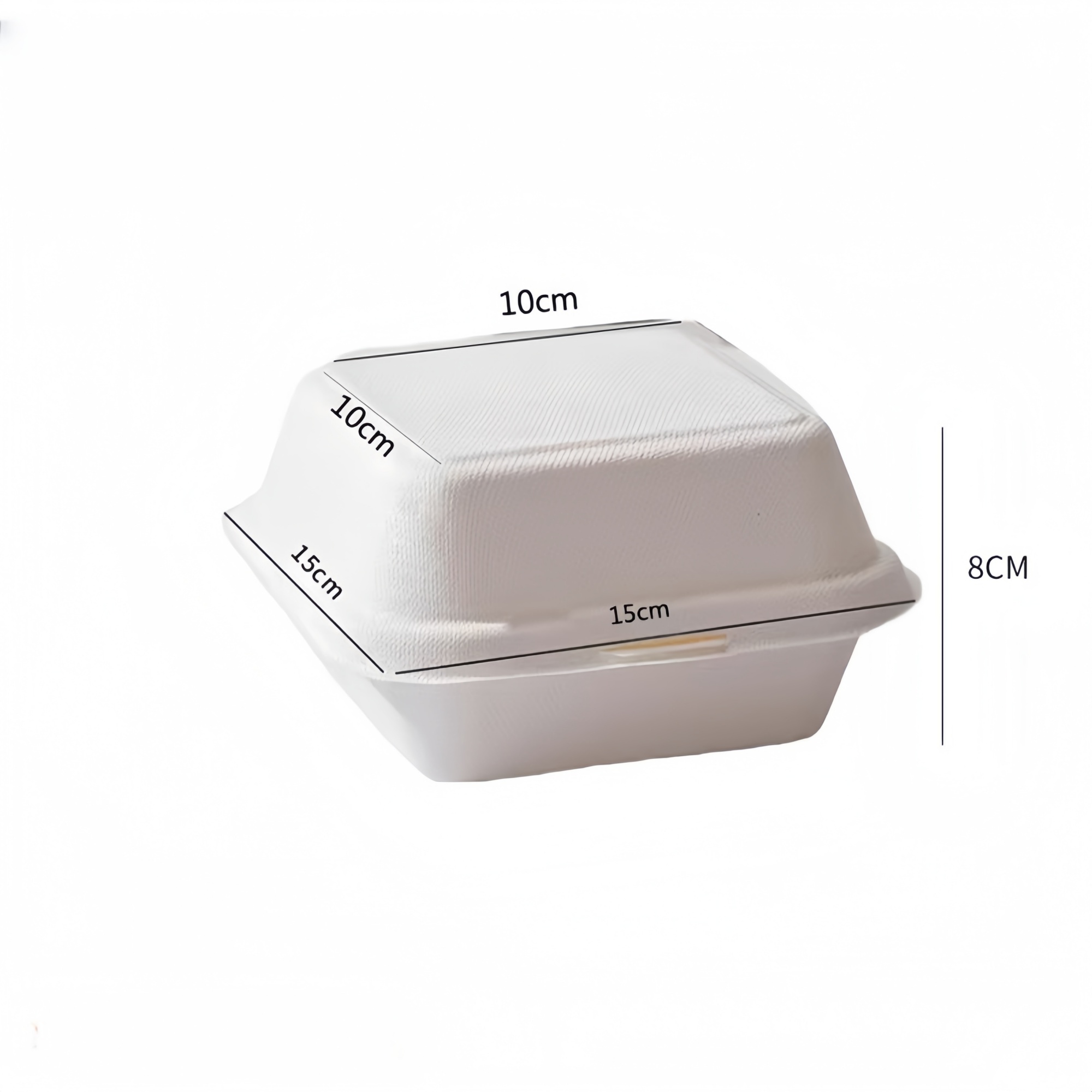
Biodegradable Bagasse Clamshell Lunch Box With Lid Recyclable BPA Free Takeout Container for Restaurant Picnic
- Molded sugarcane natural pulp
- Oil & grease resistant up to 100°C
- Microwave & deep-chill compatible
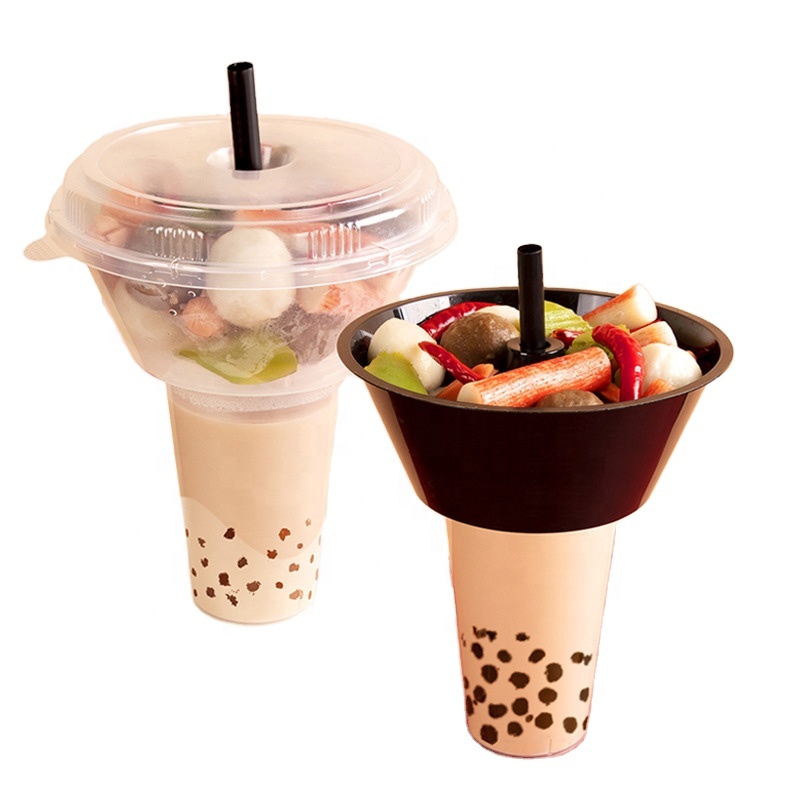
Clear PP Beverage Cup with Bowl Tray 90mm or 95mm Diameter Silk Screen Custom Logo for Juice
- Food-grade clarified PP (#5)
- Dual-deck snack & drink combo
- Silk screen & offset printable
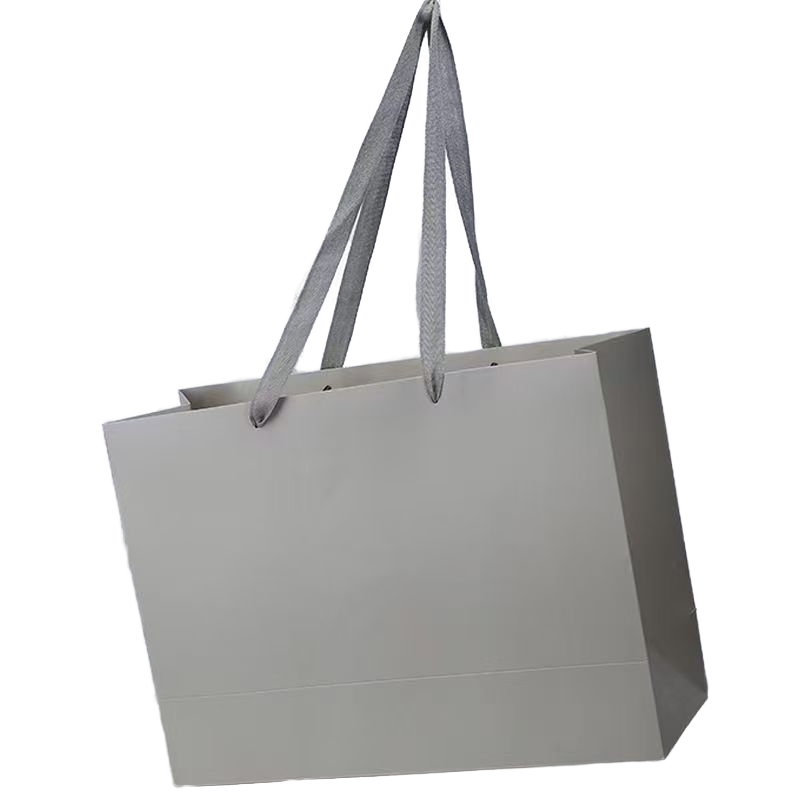
Eco-Friendly Art Foil Stamping Logo Printed Luxury Gift Bag Ribbon Handle for Shoes Clothing Custom Orders
- Heavy-weight FSC paperboard
- Precision hot-foil stamping
- Reinforced turn-top & base
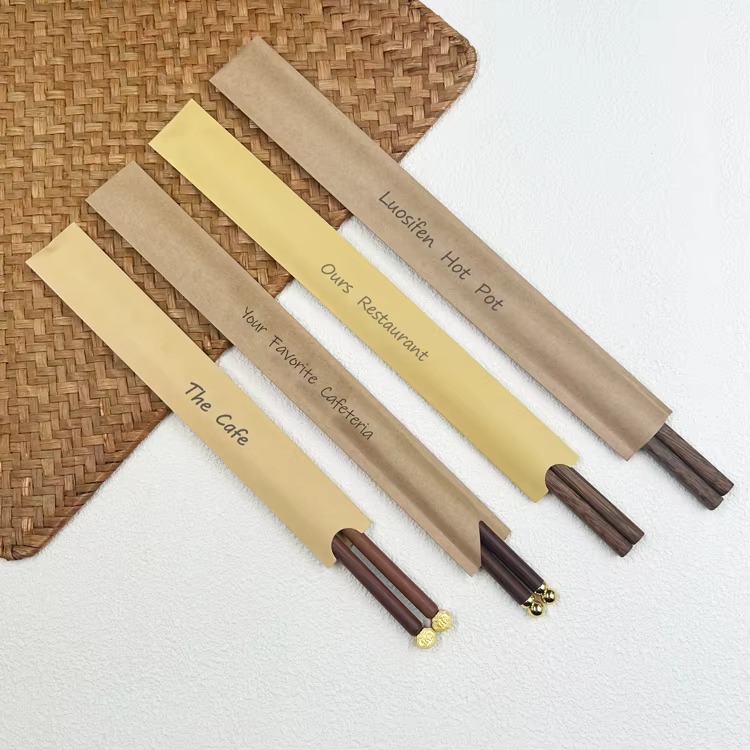
Free Design Paper Sleeve With Custom Logo for Chopsticks
- Food-contact virgin kraft stock
- Soy ink continuous rotary print
- Hygienic automatic glue seams
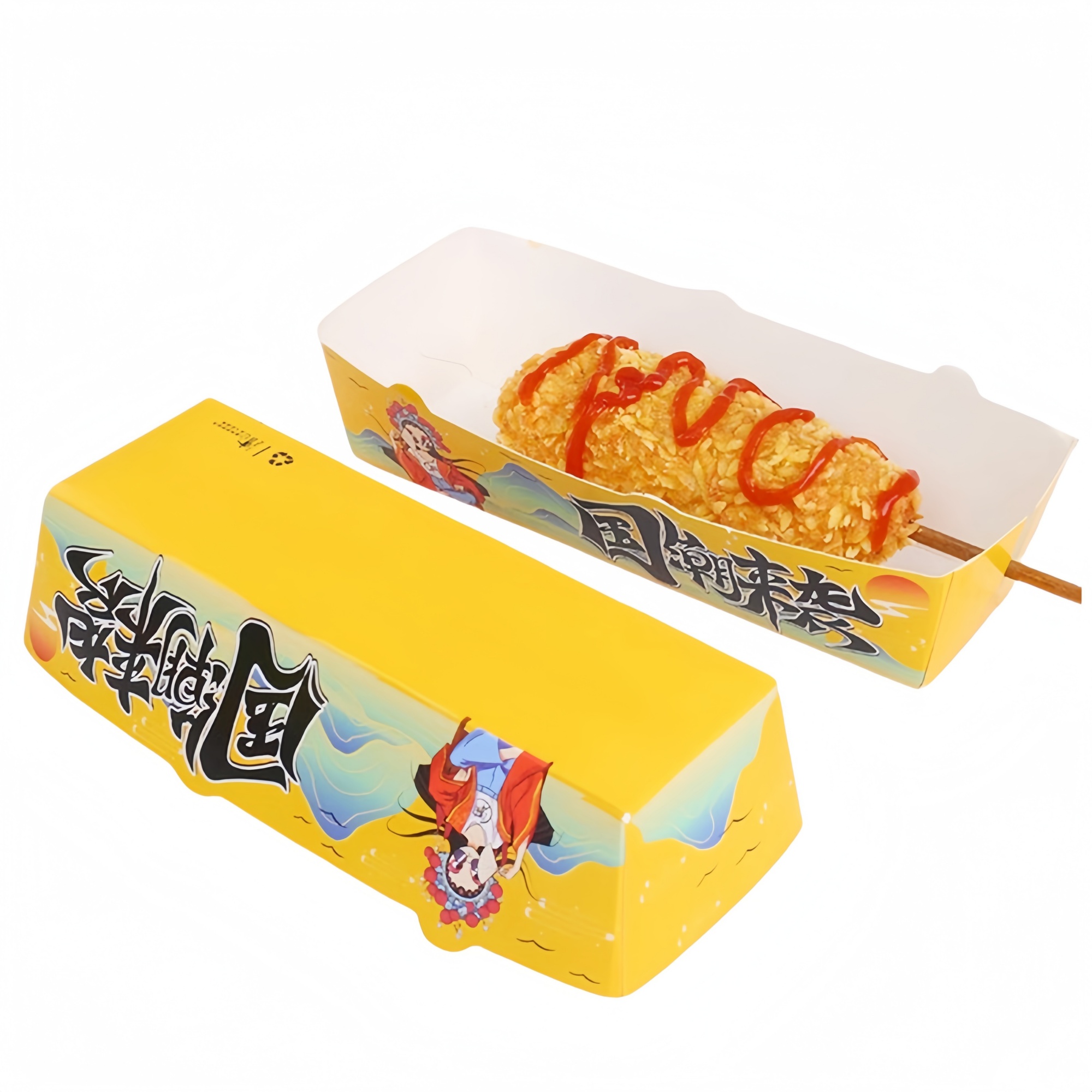
Custom Food Grade Art Paper Folders 2mm Recyclable Paperboard Packaging Matt Glossy Lamination UV Coating Gold Foil Embossing
- High-density calendered board
- Roland 4-color press fidelity
- Custom structural die-cutting
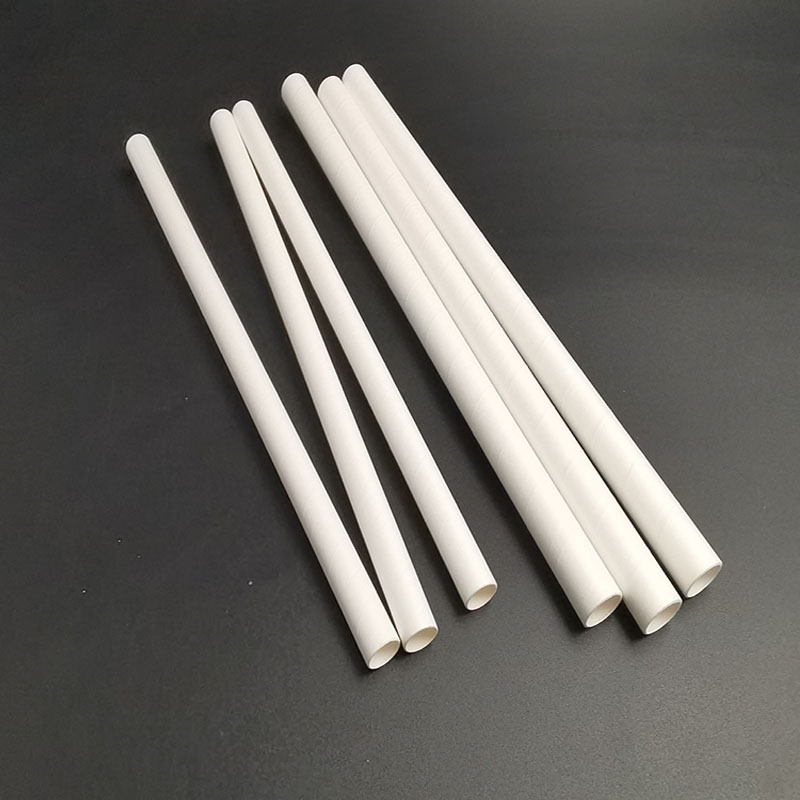
Biodegradable Paper Straws 200mm Individually Wrapped Recyclable Drinking Tubes for Camping Bubble Tea
- Multi-ply food-grade kraft
- Water-resistant natural adhesive
- Zero structural collapse in 4h

50gsm Custom Logo Printed Recyclable Waterproof Kraft Paper Bags Air Sickness Pharmacy Medical Use
- Virgin high-tensile 50gsm kraft
- Leak-proof water-based barrier
- High-speed automated bottom seal

Eco-friendly Biodegradable Disposable Leakproof Kraft Paper Aircraft Foldable Takeaway Boxes Custom Print Logo for Food Takeout
- Corner folded leak-proof locks
- PE or water-based barrier inner
- Flat packaging reduces ocean freight
Technical Engineering: Why Sugarcane Bagasse Dominates Fresh Deli Salad Packaging
The commercial foodservice industry is undergoing the most severe regulatory and structural packaging transition since the adoption of expanded polystyrene (EPS) in the 1970s. Single-use plastic directives in the European Union (Directive (EU) 2019/904), statutory bans across Canadian provinces, and state-level extended producer responsibility (EPR) mandates in California, Washington, and New York have made traditional polyethylene-lined paperboard and fossil-based plastic containers a severe compliance liability. In this evolving landscape, molded sugarcane bagasse has emerged as the definitive standard for industrial deli, QSR (Quick Service Restaurant), and commercial meal-kit salad packaging.
Bagasse is the fibrous residue remaining after sugarcane stalks are crushed during sucrose extraction. Historically incinerated as low-efficiency biomass fuel at processing mills, this agro-industrial byproduct provides an optimal chemical composition for wet-pulp thermoforming: 45–52% alpha-cellulose, 20–25% hemicellulose, and 18–24% lignin. The individual cellulose fibers average 1.5 to 1.7 millimeters in length with an aspect ratio exceeding 70:1, closely matching the tensile strength and web-interlocking characteristics of hardwood kraft pulps, while requiring zero deforestation.
For enterprise procurement officers, the mechanical rigidity of salad containers is critical. Cold salad applications involve dense moisture loads (e.g., washed leafy greens, cucumber slices, cold cuts) combined with high-viscosity emulsions (oil-and-vinegar dressings, mayonnaise bases). Inferior molded pulp containers lose structural modulus when exposed to prolonged atmospheric humidity inside commercial display refrigerators (4°C at 85% RH), leading to side-wall buckling under top-load compression during vertical stacking. Pudse's precision thermoforming molds incorporate engineered perimeter ribbing and calibrated rim geometry, ensuring vertical crush strength exceeding 25 kgf (kilogram-force), allowing stable 6-tier pallet stacking without transit deformation.
Material Performance Matrix: Comparative Analysis for Procurement Teams
Commercial buyers must evaluate trade-offs between thermal resistance, barrier longevity, environmental compliance, and cost-in-use. The technical matrix below contrasts molded bagasse against alternative food-contact substrates commonly sourced in international trade:
| Substrate Parameter | Molded Sugarcane Bagasse | PE-Coated Virgin Kraft | C-PET / rPET Thermoformed | Polypropylene (PP #5) |
|---|---|---|---|---|
| Raw Material Origin | 100% Agro-industrial waste | Softwood timber pulp + PE film | Petroleum / Recycled flake | Fossil polymer polypropylene |
| Temperature Window | -20°C to +120°C (Oven/Microwave) | 0°C to +90°C (Short reheat only) | -40°C to +60°C (Cold salads only) | -20°C to +120°C (Full range) |
| PFAS-Free Grease Barrier | Yes (Aqueous / Bio-wax) | Inherent to PE layer | Inherent to polymer | Inherent to polymer |
| Cobb 60 (Water Absorption) | < 30 g/m² (Calibrated barrier) | < 15 g/m² (Plastic barrier) | 0 g/m² (Hermetic) | 0 g/m² (Hermetic) |
| 3M Kit Test (Oil Holdout) | Kit #7 to #9 (Formulation dep.) | Kit #12 (Polyethylene barrier) | Kit #12 (Impermeable) | Kit #12 (Impermeable) |
| End-of-Life Industrial Path | EN 13432 / ASTM D6400 (Compost) | Polymer stripping required | Rigid mechanical recycling | Curbside stream #5 |
| Regulatory Risk Profile | Zero SUPD tax liability | Subject to EPR plastic taxes | Subject to Virgin Resin levies | Phased bans in dine-in QSR |
Macro Sourcing Trends: What Packaging Directors Must Track for 2025–2030
Corporate sustainability goals are no longer isolated marketing initiatives; they are contractual procurement mandates tied to strict balance sheet penalties and consumer scrutiny. Enterprise importers must align supply chains with five distinct technological disruptions reshaping the bagasse tableware ecosystem:
1. The PFAS-Free Regulatory Mandate
Historical fluoro-chemical coatings (PTFE, long-chain and short-chain per- and polyfluoroalkyl substances) previously used to achieve oil-resistance are now banned across Western jurisdictions. Advanced Chinese exporters have switched to proprietary internal wet-end sizing using Alkyl Ketene Dimer (AKD) paired with aqueous nanocellulose dispersions, achieving 3M Kit #8 oil barrier performance without halogenated chemicals.
2. Precision Snap-Fit Lid Engineering
The historical weakness of bagasse containers was lid retention during delivery couriering. 2025 tooling innovations feature multi-stage undercut mold tooling with reverse-draft angles. This creates an audible mechanical snap-fit between the bagasse bowl flange and matching thermoformed bagasse or recycled PET lids, resisting internal hydrostatic pressures over 3.5 kPa without leaks.
3. Density Optimization & Lightweighting
Ocean freight dynamics demand optimized cubic efficiency. Through computer-aided fiber orientation modeling, wall calipers are reduced from 0.85mm to 0.62mm while maintaining identical vertical crush values. This lightweighting reduces raw material consumption by 14% and increases 40ft High Cube container payload counts by up to 22,000 units per shipment.
4. Multi-Cavity Dressing Segregation
Consumer salad kits require crisp component separation. Sourcing is rapidly shifting toward integrated two- and three-compartment bowls or custom die-cut bagasse inserts that suspend liquid dressings and protein toppings above moist greens until final consumption, preventing premature leaf sogginess and maximizing retail shelf-life.
5. Complete Scope 3 ESG Audit Transparency
Importers now face mandatory corporate greenhouse gas disclosures under the EU CSRD (Corporate Sustainability Due Diligence Directive). Top suppliers are integrating mill-level life cycle assessments (LCA) tracking energy usage per ton of molded pulp, granting enterprise buyers certified carbon footprint documentation from harvest to vessel loading.
6. Embossed Micro-Textured Branding
Eliminating external secondary paper sleeves lowers packaging unit costs. High-end food retailers now utilize precision CNC-engraved mold cavities to integrate sharp tactile brand crests, QR disposal codes, and certified compostability certifications directly into the interior and exterior wall architecture of the salad bowl during thermal molding.
Enterprise Manufacturing Capabilities: Guangdong Pudse Packaging Technology
Founded in 2009 and headquartered in Dali Town, Nanhai District, Foshan, Guangdong Pudse Packaging Technology Co., Ltd. operates as an integrated industrial manufacturer and specialized international exporter. Situated at the core of the Pearl River Delta industrial corridor, our facilities leverage direct logistics corridors to both Guangzhou and Shenzhen deep-water container ports, providing streamlined FOB, CIF, and DDP fulfillment schedules worldwide.
Unlike trading intermediaries that outsource production across fragmented subcontractor mills, Pudse maintains absolute vertical control across the manufacturing value chain. Our Foshan site operates high-tonnage automated wet-thermoforming lines dedicated to sugarcane bagasse clamshells, salad bowls, and compartmentalized platters, coupled with high-speed PE-coating and slitting lines for virgin kraft food containers.
To serve multinational retail accounts requiring sophisticated private-label presentation, our finishing workshops house a flagship German Roland 4-color offset printing press alongside auxiliary 6+1 color flexographic and rotary printing lines. We engineer customized wrap-around branding sleeves, moisture-resistant labels, and outer corrugated master cartons in-house. Secondary finishing capabilities include precision matte/gloss lamination, localized UV coating, hot-foil stamping, and high-speed automatic window patching.
Quality management follows strict ISO 9001 quality assurance and ISO 14001 environmental management frameworks. Every export batch undergoes three-stage quality controls: slurry fiber consistency and moisture testing, in-line vision inspection for rim concentricity and flash trimming, and lot-based vacuum leak testing under negative pressure. Food-contact test reports adhering to US FDA 21 CFR 176.170, EU 1935/2004, German LFGB, and BPI compostability standards are archived and verifiable per production batch.
Procurement FAQ: Strategic Sourcing & Compliance Guide
Critical technical and commercial inquiries addressed by our export engineering and logistics teams:
Custom-molded bagasse salad bowls requiring proprietary structural tooling (custom dimensional footprints, bespoke rim geometry, or embossed tooling logos) typically carry an MOQ of 50,000 to 100,000 units. This volume amortizes the CNC aluminum prototype and production mold tool sets across the production run. For standard factory-open molds utilizing custom exterior branding sleeves or pad-printed logos, the MOQ begins at 10,000 to 20,000 units. In contrast, standard kraft paper soup containers and folding boxes running on our automated offset printing presses support MOQs starting at 500 to 2,000 units.
Compliance with California AB 1200, New York ECL Article 37, and EU packaging restrictions is verified through independent laboratory testing (SGS, TÜV, or Intertek). We provide Total Fluorine (TF) combustion ion chromatography testing reports certifying fluorine concentrations below 100 ppm (the global threshold for unintentional trace contamination). Pudse achieves superior grease and oil resistance by introducing proprietary food-grade alkyl ketene dimer (AKD) and biodegradable water-borne acrylic resin emulsions directly into the hydrapulper slurry before thermal pressing.
We provide three distinct lid configurations depending on your cold-chain logistics: (1) Molded Bagasse Lids for 100% plastic-free, commercially compostable compliance; (2) Recycled PET (rPET) Clear Anti-Fog Lids engineered with a calibrated inner groove to prevent condensation droplets from obscuring fresh vegetables in refrigerated retail display cases; and (3) Polypropylene (PP #5) Vented Lids for warm salad preparations, roasted grains, and hot-takeout dishes requiring microwave reheating without lid removal.
For bespoke structural designs, CAD dieline generation and 3D-printed rapid physical resin prototypes are delivered within 48 to 72 hours. CNC aluminum pilot mold fabrication and initial sampling require 12 to 15 calendar days. Upon golden sample sign-off, full multi-cavity production tooling requires 20 days. Standard recurring mass production cycles average 20 to 25 calendar days per 40ft High Cube container load, expedited by our in-house automated drying and trimming cells.
Pudse's thermoformed sugarcane salad containers exhibit an operating thermal envelope from -20°C up to +120°C. They can be blast-frozen for frozen meal prep distribution without embrittlement or structural micro-cracking. For reheating, they tolerate microwave heating for up to 5 minutes at 800W and conventional oven reheating up to 140°C for 20 minutes without blistering, delamination, or toxic chemical outgassing.
As a global exporter, we accommodate multiple payment mechanisms including Wire T/T, Irrevocable Documentary L/C at sight, D/P, D/A, and secure escrow services. Transactions are accepted in USD, EUR, GBP, AUD, CAD, JPY, CHF, HKD, and CNY. Supported Incoterms encompass EXW (factory collection), FOB (Guangzhou, Shenzhen, Foshan ports), CFR, CIF, CIP, and full turnkey DDP (Delivered Duty Paid, covering ocean freight, customs clearance, and inland drayage to your distribution facility).
Request Technical Dielines & Export Price Matrix
Connect directly with Guangdong Pudse Packaging Technology's engineering and export operations division. Receive certified physical samples, complete PFAS-free laboratory compliance certificates, and factory-direct volume quotations within 1 hour.
Get Catalog