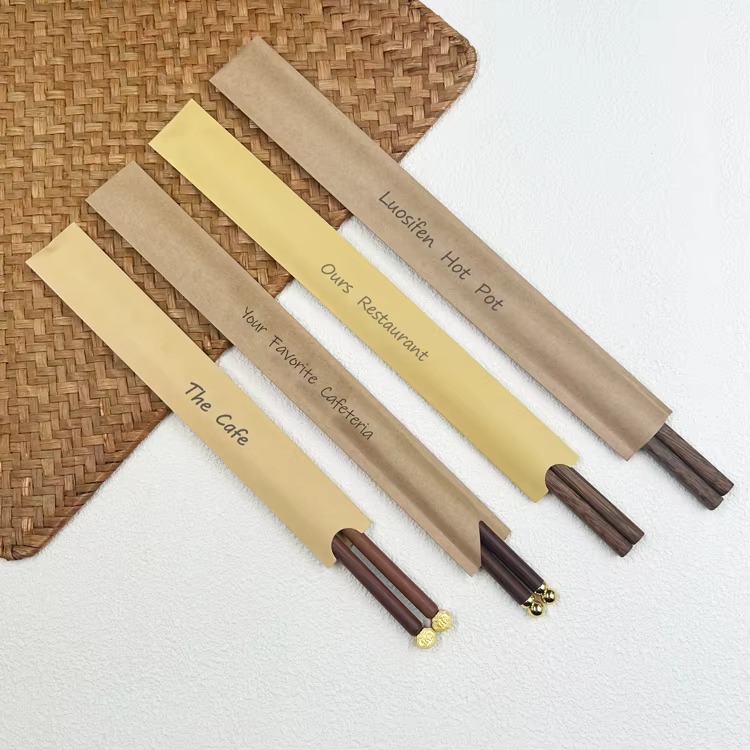
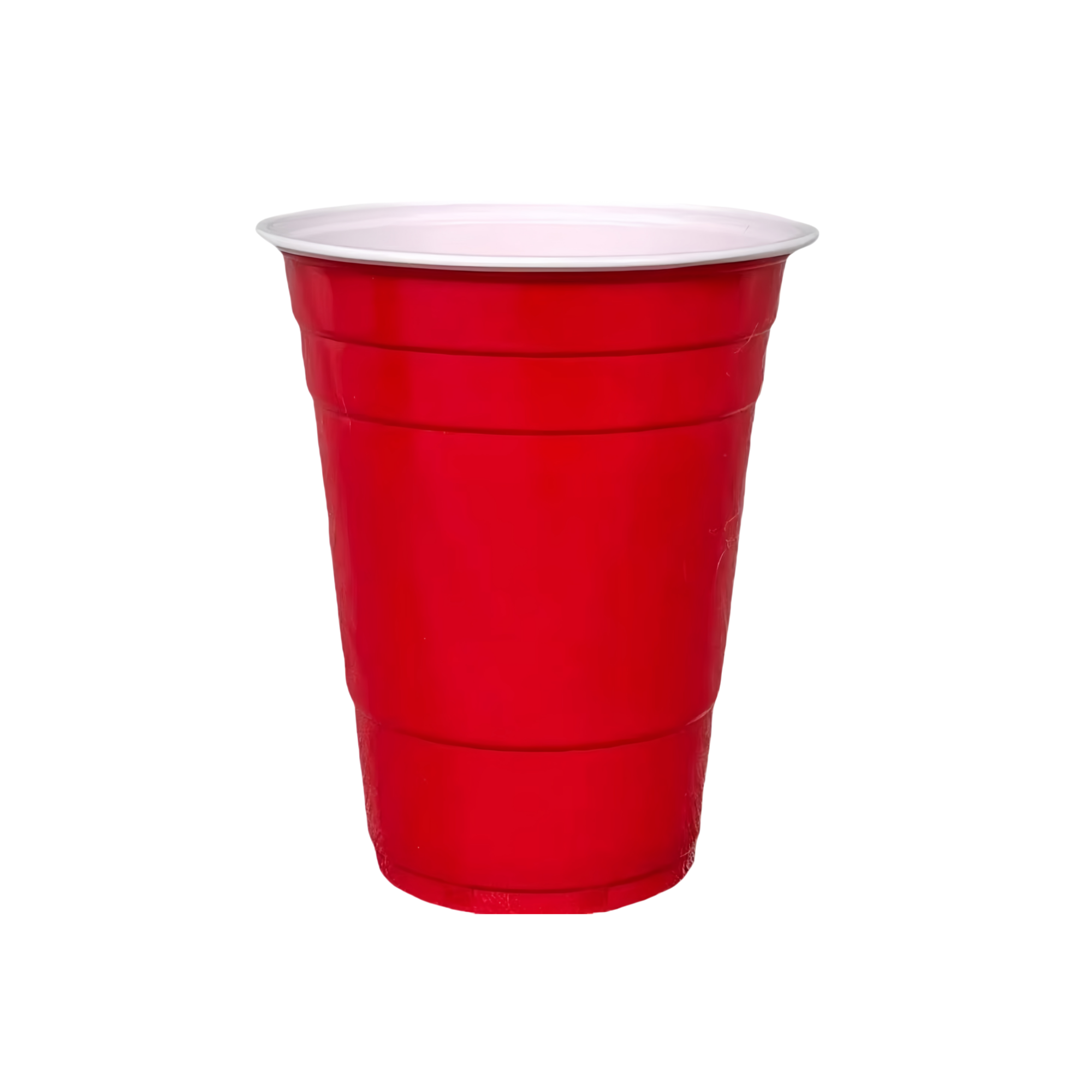
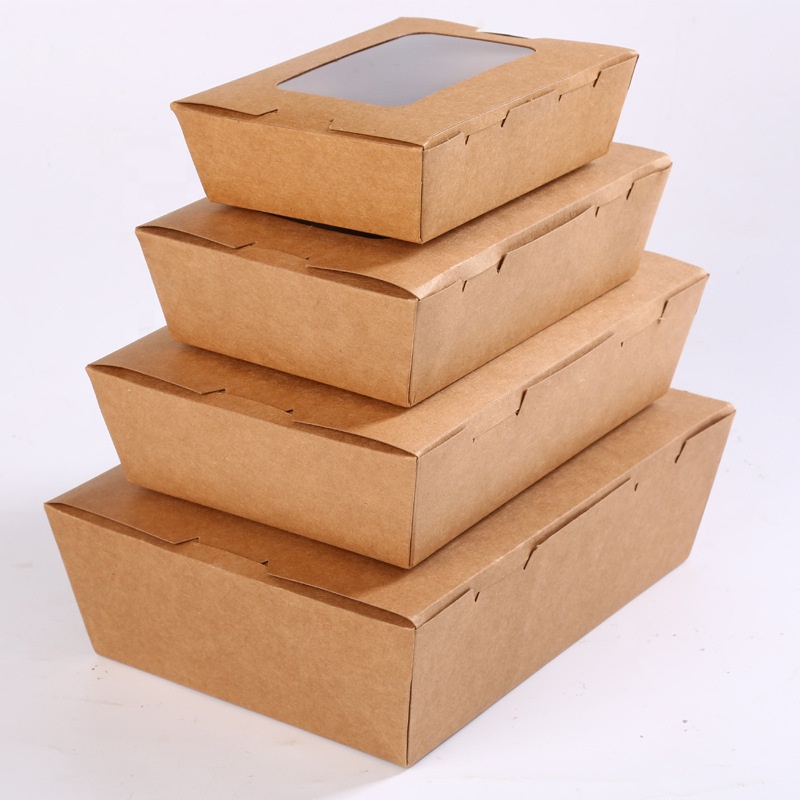
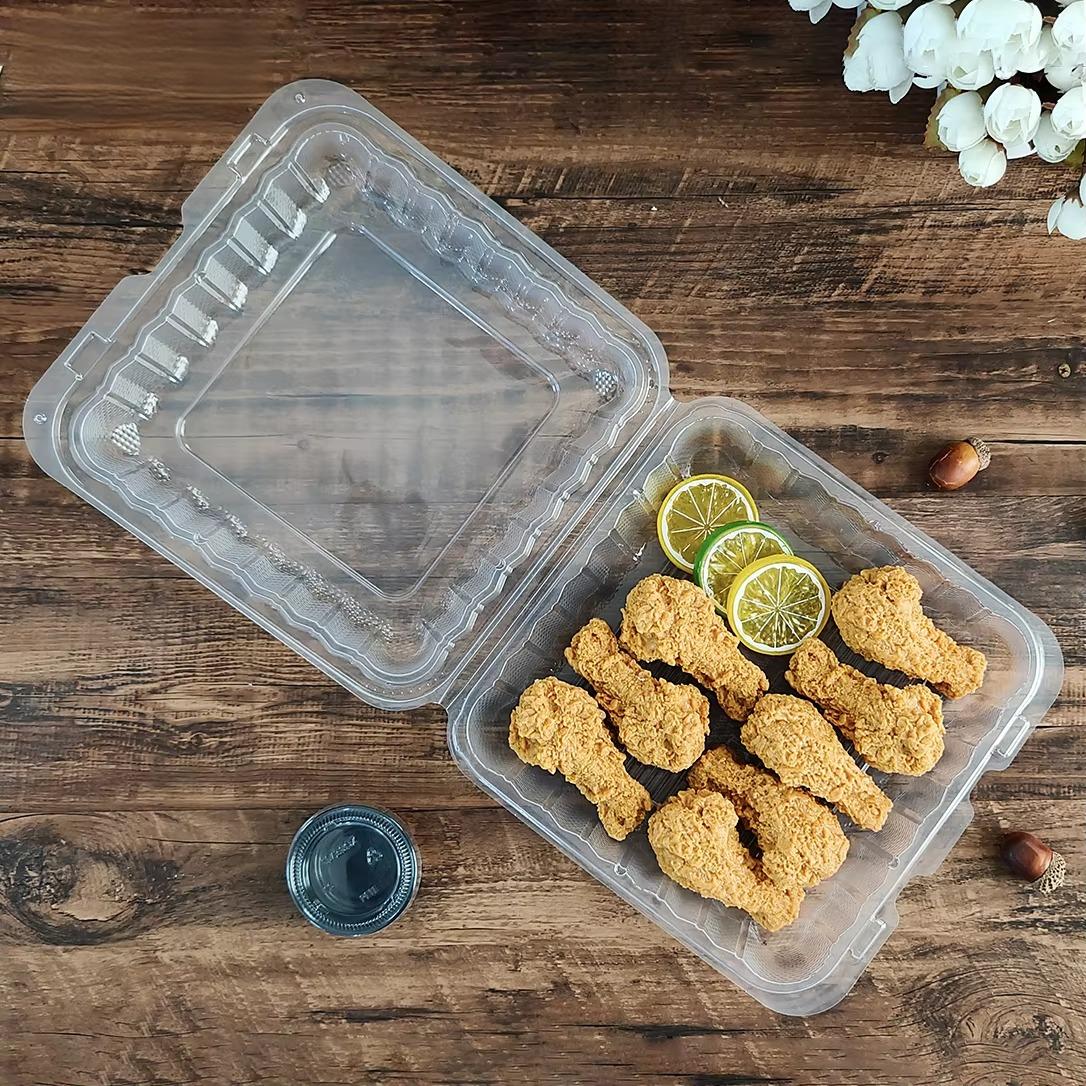
Verified Direct-Factory Product Portfolio
Explore our high-performance eco-friendly food packaging solutions manufactured directly at our Guangdong facility. Every product undergoes strict food-contact safety compliance testing, precision rim-curling inspections, and seal-integrity validation prior to export.




Global Landscape of Disposable Paper Bowls Manufacturing & Sourcing
The global commercial foodservice industry is undergoing a seismic paradigm shift. Driven by aggressive environmental mandates such as the European Union’s Single-Use Plastics Directive (SUPD), North American state-level PFAS bans, and evolving consumer preference for eco-conscious takeout, procurement officers are re-evaluating their disposable container supply chains. Disposable paper bowls—spanning salad tubs, soup pails, ramen containers, and dessert basins—represent a critical category within commercial packaging spend.
To navigate this complex landscape, global importers, distributor networks, and quick-service restaurant (QSR) chains must evaluate factories beyond superficial FOB pricing. Technical parameters such as virgin wood pulp density (GSM), Cobb oil-absorption ratings, thermal retention indices, structural rim stiffness, and advanced barrier technologies are the real determinants of commercial performance. Working directly with audited export-manufacturing specialists ensures compliance, brand equity protection, and total supply chain security.
Technical Substrate Breakdown: Bagasse vs. Kraft vs. PP Plastics
Selecting the optimal container geometry and material matrix depends heavily on culinary applications, liquid temperature profiles, grease saturation levels, and target delivery radiuses. The comparative matrix below outlines the fundamental engineering characteristics of leading packaging formats manufactured by industry leaders like Guangdong Pudse Packaging Technology Co., Ltd.
| Substrate Category | Primary Substrate GSM / Thickness | Barrier Coating Type | Thermal Resistance | Microwave Safe | End-of-Life Profile |
|---|---|---|---|---|---|
| Natural Kraft Paper | 230 - 350 GSM Virgin Fiber | PE, PLA, or Water-Based Dispersion | -20°C to 100°C | Yes (PLA/Aqueous Only) | Recyclable / Industrial Compostable |
| Sugarcane Bagasse | Molded Natural Plant Fiber | PFAS-Free Water/Oil Repellent | -20°C to 120°C | Yes (Up to 3 minutes) | 100% Home & Industrial Compostable |
| Polypropylene (PP #5) | 0.45mm - 0.75mm Injection Molded | Inherent Polymer Moisture Barrier | -20°C to 120°C | Yes (High Temperature) | 100% Curb-Side Recyclable |
| PET (#1 Clear) | 0.30mm - 0.60mm Thermoformed | Gas & Moisture Impermeable | -40°C to 60°C | No (Cold Liquids Only) | Widely Recyclable Global Standard |
Future Product Development Trends in Paper Bowl Manufacturing
The disposable food packaging sector is undergoing rapid technological innovation. Procurement managers aiming to future-proof their supply chains must align with factories actively investing in next-generation R&D. Key development trajectories over the next decade include:
1. Aqueous Barrier Dispersion Coatings
Traditional PE coatings face regulatory hurdles due to recycling separation difficulties. The industry is rapidly pivoting toward bio-based aqueous dispersions that create a polymer-like grease barrier directly on kraft paper while allowing the container to repulp completely in standard paper recycling streams.
2. Universal Snap-Lock Lid Interoperability
Operational efficiency in high-volume delivery kitchens requires standardized lid sizes across multiple bowl volumes. Leading exporters are designing 90mm, 115mm, and 142mm rim-diameter platforms where 12oz, 16oz, 26oz, and 32oz bowls share identical lid SKUs, reducing inventory complexity.
3. PFAS-Free Pulp Formulation
With legislative prohibitions enforcing strict per- and polyfluoroalkyl substances (PFAS) elimination in food-contact materials across North America and Europe, certified bagasse factories are deploying natural starch and wax additives to guarantee oil resistance up to 95°C without synthetic fluorine chemistry.
Strategic Procurement & Supply Chain Trends for B2B Importers
Procuring paper containers internationally requires balancing logistics costs, minimum order quantities (MOQs), and lead-time volatility. Sourcing directors are adopting multi-faceted strategies to ensure operational continuity:
Container Nesting & Volume Optimization
Sea freight fees can account for up to 30% of landed costs. Advanced factories engineer tight-nesting bowl tapers, increasing units per cubic meter (CBM) by up to 18%, significantly lowering freight cost per unit during transpacific and Asia-Europe transit.
Integrated Quality Audits & Traceability
Institutional buyers require full batch traceability. Leading OEM packaging factories issue Certificate of Analysis (CoA) reports per lot, verifying heavy metal content, microbiological purity, and pinhole leakage resistance under ISO 9001 quality systems.
Flexible OEM & Dual-Track MOQs
To support emerging food brands alongside major retail chains, top-tier suppliers offer tiered production lines—allowing stock deli containers at lower MOQs (e.g., 150-1,000 units) while running dedicated high-speed lines for custom-printed items (10,000+ units).
Enterprise Capabilities: Guangdong Pudse Packaging Technology Co., Ltd.
Based in Foshan, Guangdong, China—close to Guangzhou and Shenzhen export ports—Guangdong Pudse Packaging Technology Co., Ltd. (Pudse) stands as an audited leader in single-use tableware and degradable packaging manufacturing. Operating since 2009, Pudse has established an integrated manufacturing eco-system combining structural design, pre-press proofing, precision molding, offset printing, and post-press finishing under one centralized facility.
Advanced Printing Fleet
Equipped with state-of-the-art German Roland 4-color offset presses alongside high-speed 6+1 printing lines. This machinery ensures precise Pantone matching, sharp fine-line detail, and scratch-resistant matte or glossy laminations for custom brand artwork.
Automated Forming & Die-Cutting
Housing 4 specialized molding units and 6 heavy-duty die-cutting stations capable of high-tolerance rim rolling and double-wall thermal insulation box construction, ensuring structural integrity under high stack loading.
Audited Global Trade Credentials
Serving major markets across North America, South Asia, Eastern Asia, and Western Europe. Backed by verified onsite factory audits, transparent trade transaction histories, and an industry-leading average response time of ≤1 hour.
Frequently Asked Questions for Global Packaging Importers
What is the minimum order quantity (MOQ) for custom paper bowls and food packaging?
Can you provide custom logo printing and bespoke structural packaging design?
Are sugarcane bagasse and kraft paper containers microwave safe and oil-resistant?
What international payment options and shipping terms (Incoterms) do you support?
How does your factory handle quality control and export logistics?
Optimize Your Food Packaging Supply Chain Today
Contact Guangdong Pudse Packaging Technology Co., Ltd. for factory-direct quotations, custom dieline templates, and physical sample kits. Our engineering team responds within 1 hour during business operations.
Get Catalog