Reusable PP

Industrial Whitepaper & Direct Sourcing Architecture: Engineering High-Performance Compostable Sugarcane Bagasse, Recycled Kraft Paperboard, and Circular Polymers for Enterprise Procurement.
Precision-manufactured across automated thermoforming, flexographic printing, and precision slitting production lines. Directly sourced to support strict regional food contact and single-use plastic restrictions.
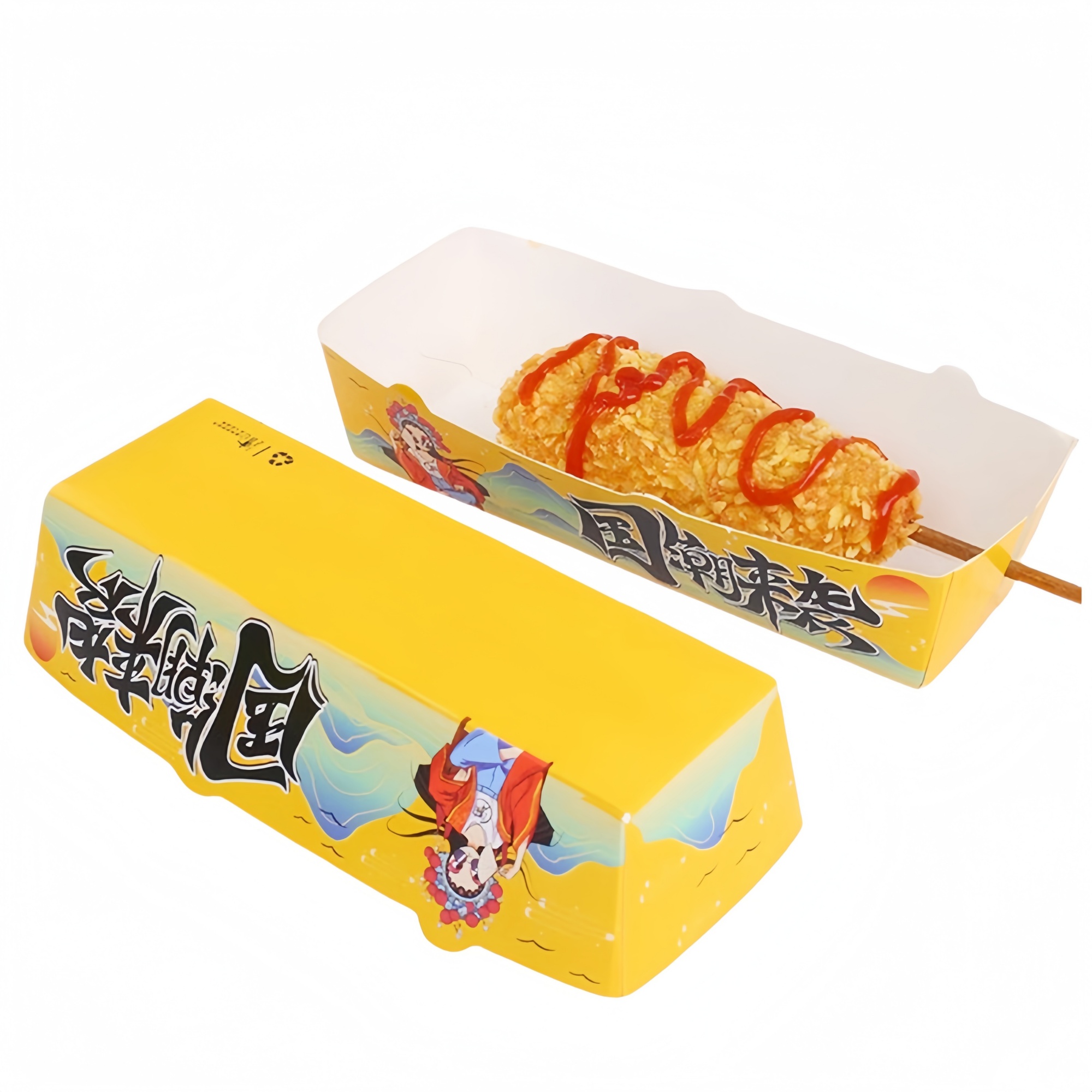
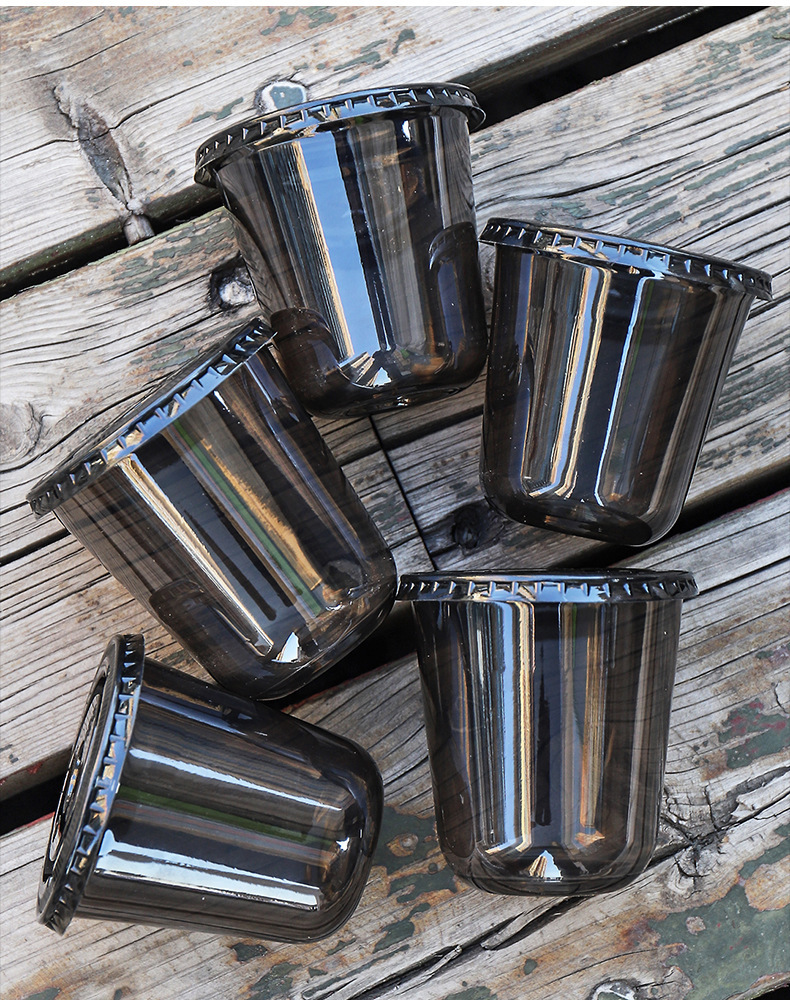
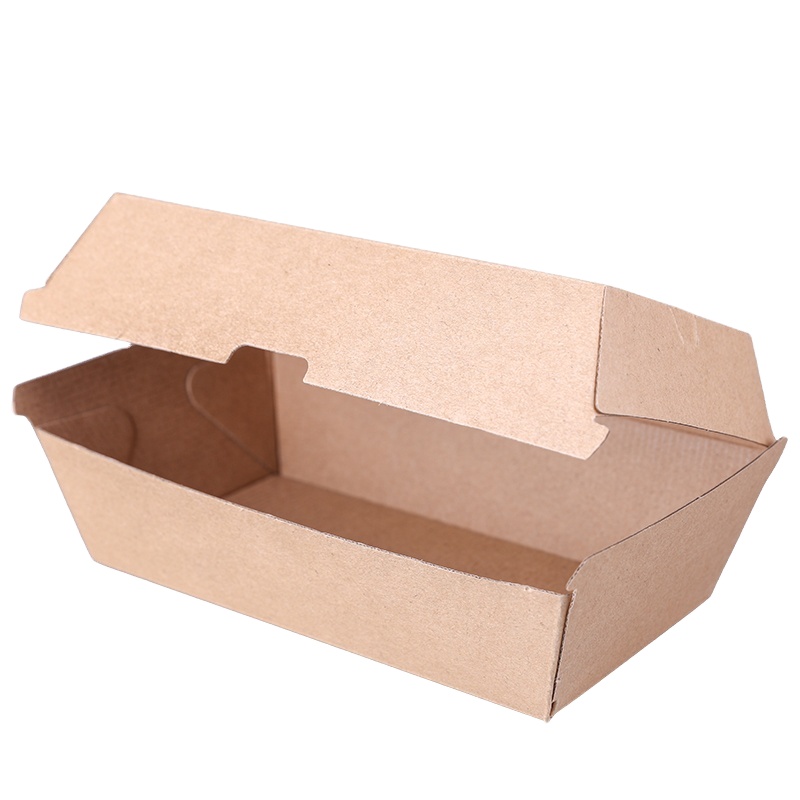

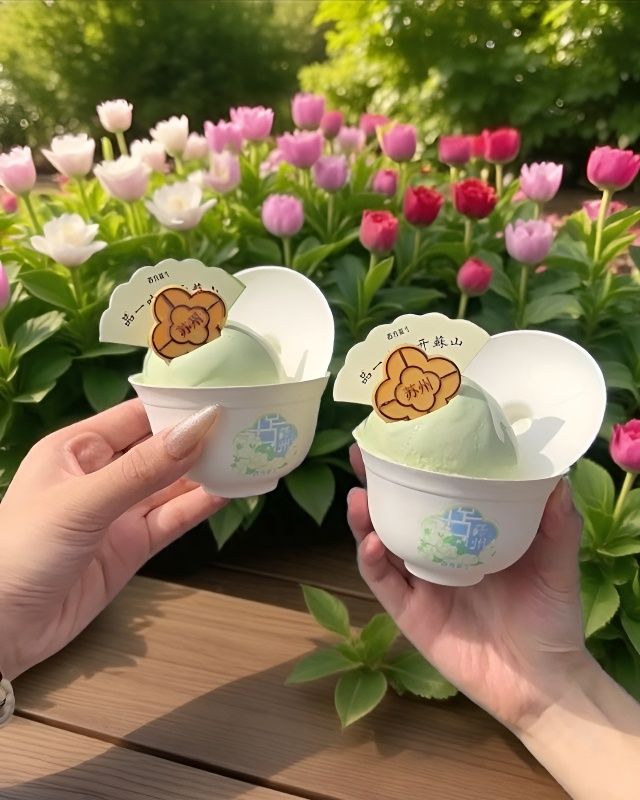

An engineering breakdown of barrier layers, fiber matrices, and regulatory compliance standards governing industrial foodservice containers in 2025–2030.
| Substrate System | Thermal Boundary | Hydrophobic / Oleophobic Barrier | Regulatory Compliance | Optimal Enterprise Application |
|---|---|---|---|---|
| Molded Sugarcane Bagasse | -20°C to 120°C (Microwave Reheatable) | Fluorine-free alkyl ketene dimer (AKD) or waterborne dispersion barriers | BPI, EN 13432, FDA 21 CFR 176.170, PFAS < 100ppm Total Fluorine | QSR Takeout, Institutional Foodservice Clamshells, Deep-freeze Prepared Meals |
| Unbleached Virgin Kraft Paperboard | Up to 100°C (Brief High Reheat) | Water-based bio-dispersion coating or ultra-thin recyclable PE liner | FSC-C014262, EU 1935/2004, German BfR XXXVI, Recyclable in standard paper stream | Noodle Pails, Hot Soup Bowls, Salad Bowls with High Stacking Compression |
| Direct Food-Grade Polypropylene (#5) | -20°C to 125°C (Boil-proof, Microwave Safe) | Inherent hydrophobic barrier; zero chemical migration additive formulation | BPA-Free, EU 10/2011, US FDA 21 CFR 177.1520, 100% Mechanically Recyclable | Central Production Kitchens, Ghost Kitchen Delivery, Reusable Bento Systems |
| Thermoformed rPET / Virgin PET (#1) | -40°C to 60°C (Cold/Chilled Exclusively) | Exceptional optical clarity, high aromatic vapor barrier retention | US FDA NOL, EFSA Food Contact Plastic Approval, Closed-loop Bottle-to-Cup recyclability | Specialty Cold Brew, Bubble Tea Chains, Chilled Fresh Cut Produce Packaging |
Traditional polyethylene (PE) coatings present fiber-recovery bottlenecks during repulping. Next-generation food container factories are transitioning to waterborne polymer dispersions. These micron-thin layers disintegrate within standard paper recovery facilities without compromising hot-oil repellency.
The phase-out of long-chain and short-chain perfluorinated compounds requires dense mechanical refinement of bagasse fibers combined with modified starches and functional bio-waxes. This prevents oil seeping past 80°C while achieving zero intentional added fluorine.
Through precision finite-element structural simulation, modern thermoforming molds incorporate geometric load-bearing ribs into container sidewalls. This architecture maintains 15+ kg vertical stacking strength while dropping material raw tonnage consumption by 18-24%.
Key predictive shifts transforming high-volume container procurement for airline caterers, supermarket chains, and multi-unit hospitality operators.
Impending regulatory mandates require scannable provenance data directly on consumer packaging. Modern factories integrate micro-laser 2D codes detailing post-consumer content percentage, batch migration tests, and carbon-intensity metrics directly onto dielines.
To circumvent the recycling penalties imposed on complex multi-laminates, procurement portfolios are consolidating. Lids, containers, and tamper-evident bands are engineered from matching polymer chains (e.g., pure rPET or pure PP), eliminating manual sorting requirements at recycling centers.
With ocean freight volatility serving as an ongoing risk factor, stacking ratios dictate procurement margins. Factories deploy custom nesting angles (between 7° and 9.5° draft angles) allowing 35% higher container SKU density per 40-foot HQ shipping container.
Enterprise buyers are transitioning from self-declaration vendor statements to certified laboratory audits verifying Total Fluorine under 100 ppm by combustion ion chromatography, protecting consumer health and insulating corporate brands from litigation risk.
Based in Dali Town, Nanhai District, Foshan, Guangdong—the core printing and packaging epicentre of South China—Pudse bridges industrial scale with meticulous quality engineering.
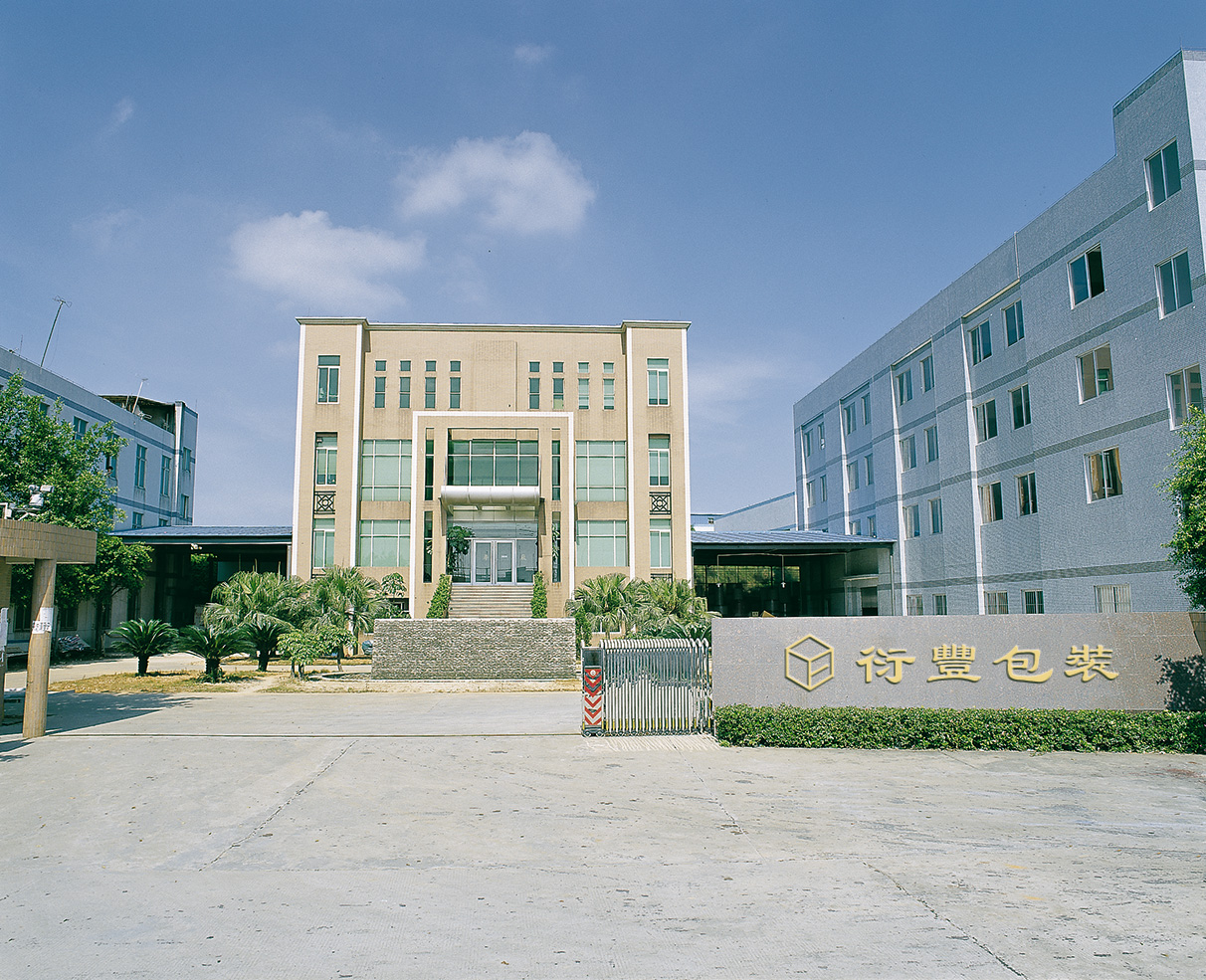
Unlike regional trading middlemen who fragment operations across disparate workshops, Pudse controls the entire lifecycle of degradable tableware and paperboard converting:
Direct technical and commercial answers addressing compliance, testing, customization thresholds, and trade execution.
Consult with our packaging engineers to validate dielines, optimize shipping nesting densities, obtain PFAS-free compliance reports, and receive precise factory-direct pricing within 60 minutes.
Inquire Now