Top Trusted Molded Fiber Packaging Factory & Exporter
Engineered Sugarcane Bagasse, Thermoformed Barrier Fiber & Custom Sustainable Packaging Solutions for Global Supply Chains.
High-Precision Molded Fiber & Sustainable Substrates
Bridging industrial performance compliance, circular economy mandates, and high-speed food-contact packaging line compatibility.
As regulatory environments such as the EU Packaging and Packaging Waste Regulation (PPWR) and extended producer responsibility (EPR) mandates in North America accelerate the global phase-out of expanded polystyrene (EPS) and single-use fossil polymers, commercial buyers need reliable manufacturing infrastructure. Guangdong Pudse Packaging Technology Co., Ltd. operates state-of-the-art thermoforming molded pulp machinery alongside precision offset and roll printing platforms in Foshan, China. We deliver structurally optimized, food-grade fiber products that yield superior mechanical stacking tolerance, precise dieline tolerances, and verified liquid barrier properties.
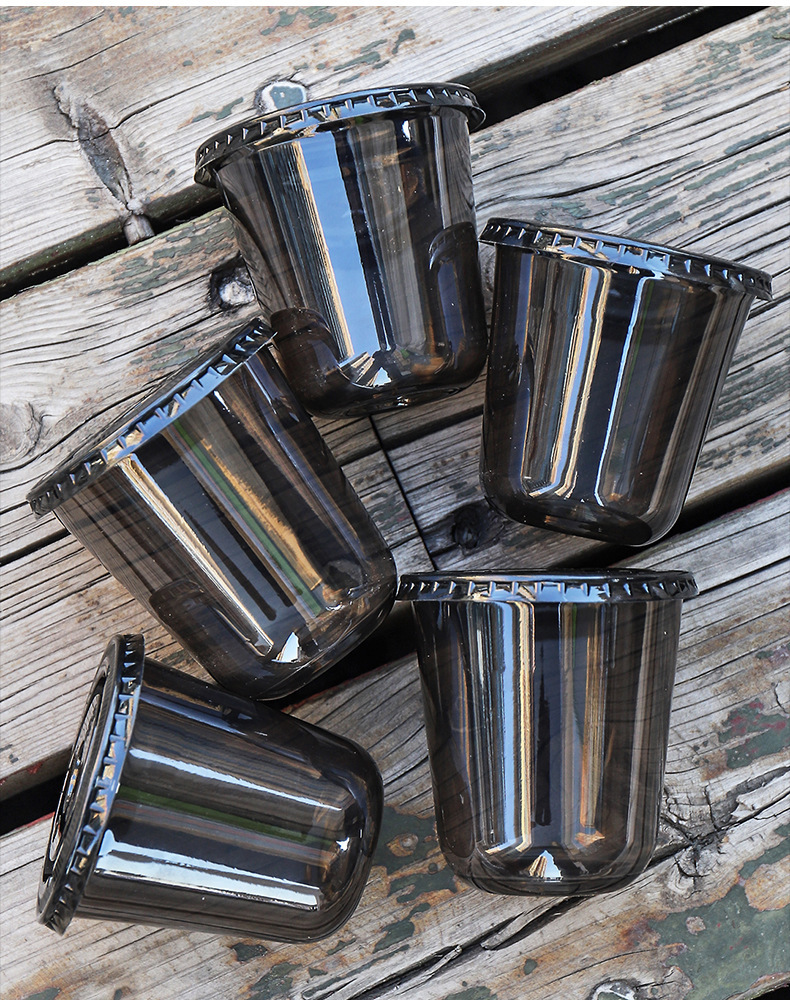
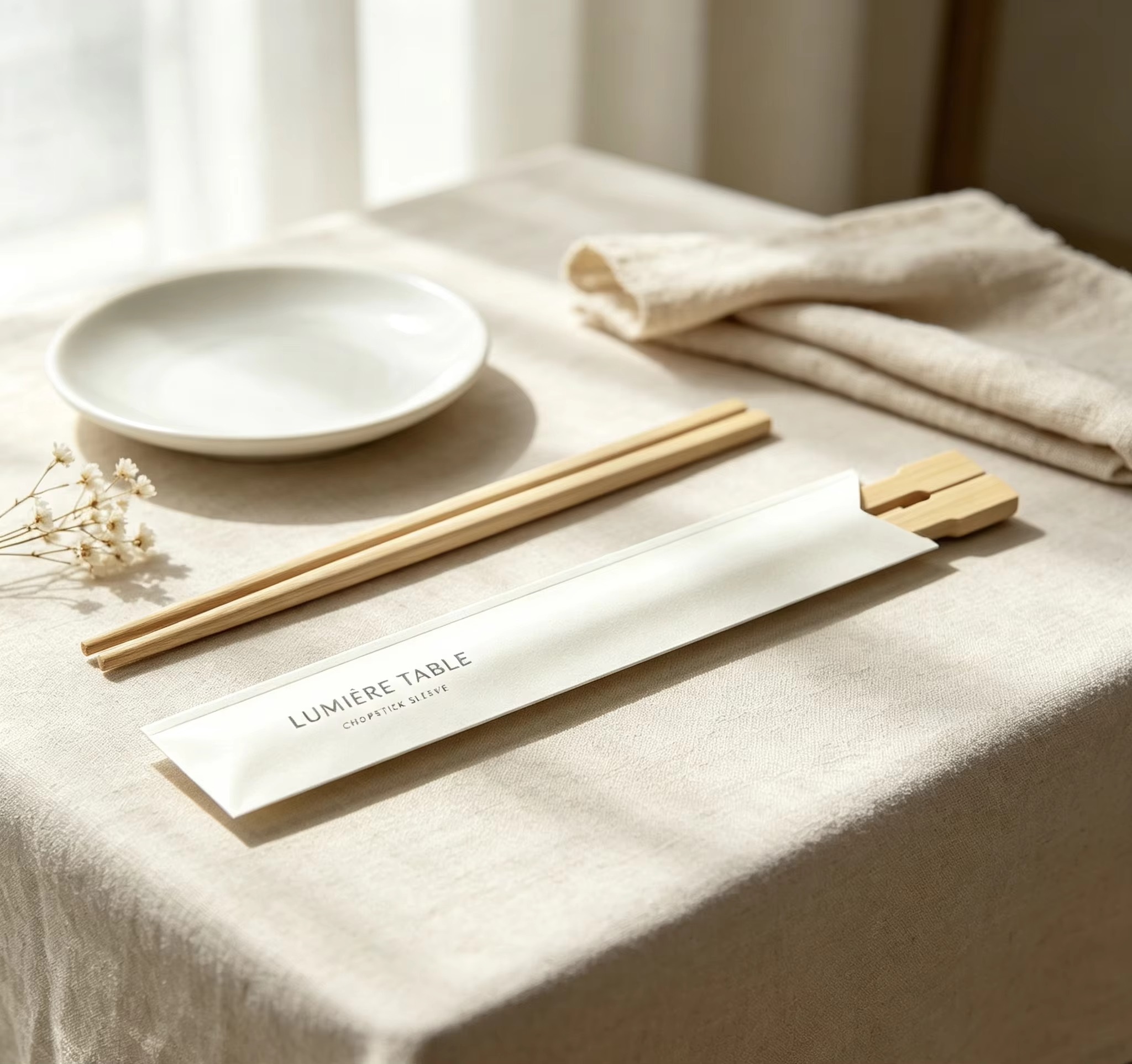
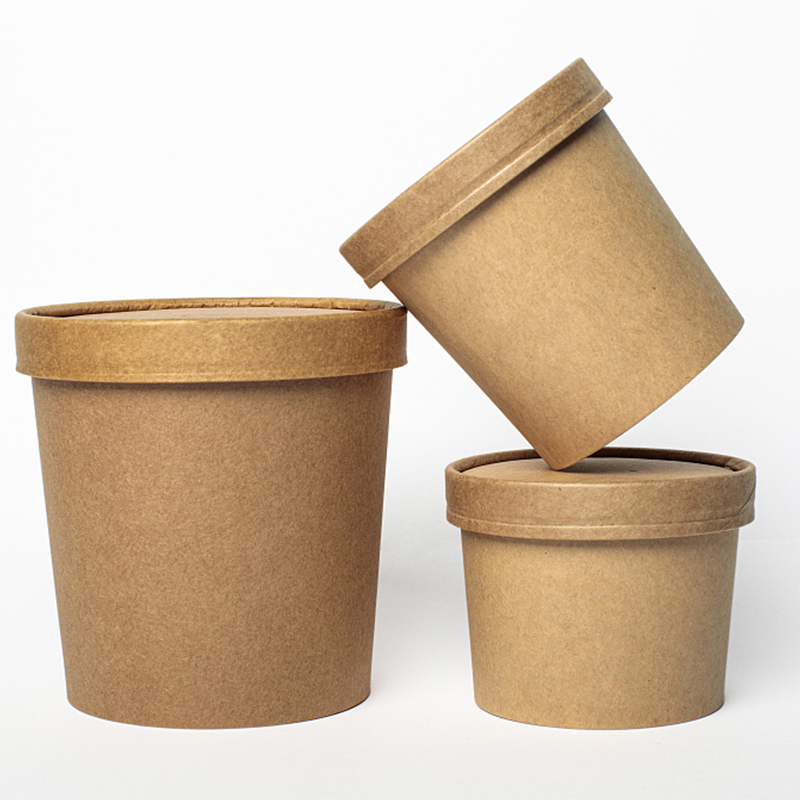
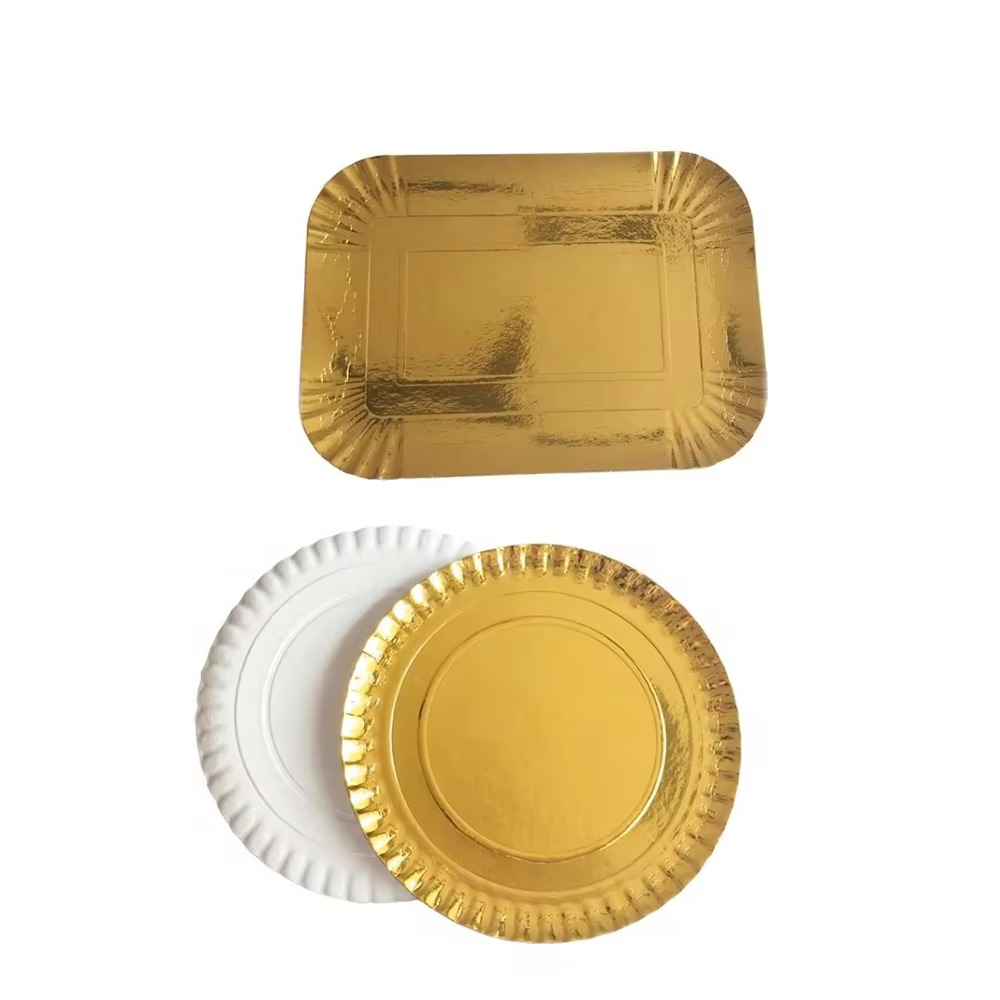
Featured Packaging Formats & Core Product Catalogue
Scalable, custom-engineered food packaging containers, barrier paper systems, and sustainable service disposables ready for immediate export procurement.



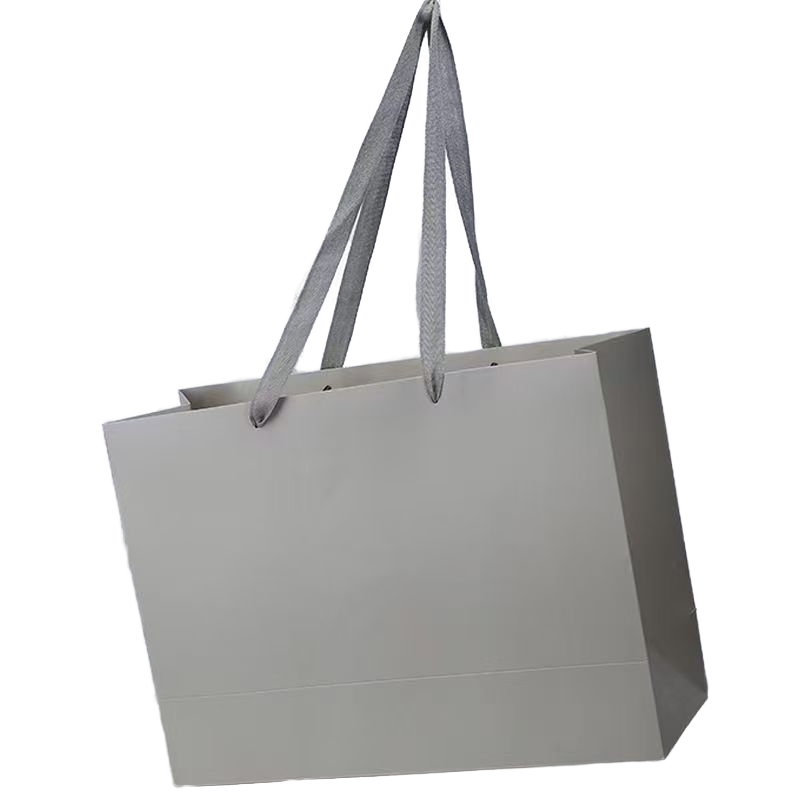
Factory Operations Benchmark Data
Why International Brand Owners & Distributors Rely on Pudse
Combining heavy-duty fiber thermoforming with German Roland offset printing under an integrated ISO 9001 quality framework.
In-House Advanced Pre-Press to Post-Press
Unlike standard wet-pulp molding factories that outsource decorative and finishing processes, we operate a dedicated German Roland 4-color offset press alongside a 6+1 color flexographic setup, automated hot-stamping lines, and high-speed die-cutters.
- Delta-E < 1.5 consistent brand color reproducibility across production lots.
- Matte/gloss lamination, deep mechanical embossing, and food-safe aqueous coatings.
- Eliminates multi-tier vendor markup and compresses prototyping lead times to 5–7 days.
Stringent Compliance & Food-Contact Testing
Molded fiber and paper containers destined for the EU, USA, or APAC markets must comply with rigorous chemical and structural safety thresholds. Our raw bagasse and kraft fiber stocks are screened for migration integrity.
- Fully certified for FDA 21 CFR 176.170 & Regulation EU No 10/2011.
- Industrial compostability testing pathways compatible with EN 13432 & ASTM D6400.
- Complete documentation packages for zero-PFAS (per- and polyfluoroalkyl substances) bans.
Strategic Export Port Logistics (Foshan Hub)
Located in Dali Town, Nanhai District, Foshan, our production footprint operates within direct transit arteries to both Guangzhou and Shenzhen international deep-water ports.
- High cube container loading optimization reduces cubic freight overhead by 12–18%.
- Flexible trading terms supported: FOB, CIF, CFR, DDP, and door-to-door consolidated LCL.
- Multi-currency transaction processing: USD, EUR, GBP, JPY, AUD, CAD, HKD, and CNY.
Future Procurement Trends in Molded Fiber Packaging (2025–2030)
Strategic insights for procurement directors, contract packaging executives, and brand owners navigating material transitions.
1. The Shift to Certified PFAS-Free Barrier Chemistry
Historically, molded sugarcane pulp packaging relied heavily on short-chain fluorochemicals to prevent grease migration and oil saturation from hot foodservice applications. Following strict state-level bans in the US (e.g., California AB 1200, New York ECL 37-0209) and ongoing ECHA REACH evaluations in Europe, procurement models have completely pivoted toward fluorocarbon-free surface treatments.
Modern production facilities utilize aqueous barrier coatings (bio-waxes, PLA laminations, and cross-linked cellulose derivatives) applied in-mold or post-mold. When sourcing molded bagasse products, corporate buyers must mandate total organic fluorine (TOF) assay validation showing concentrations < 100 ppm, preventing import seizure and consumer liability.
2. High-Precision "Type 4" Thermoformed Fiber Engineering
Traditional rough-molded industrial fiber (Type 2/3, standard egg cartons and simple end-caps) lacks the dimensional stability required for high-speed automated denesting and tight-tolerance lid snapping. The premium category is now dominated by Thermoformed Fiber (Type 4).
By drying containers directly inside matching polished metal molds under sustained pneumatic pressure and temperatures exceeding 180°C, our factory achieves wall thicknesses uniform within ±0.15mm, ultra-smooth surfaces, and perimeter flanges capable of hermetic heat sealing. This enables direct replacement of conventional plastic CPET/PP ready-meal trays.
3. Mono-Material Circularity & Fiber Source Diversification
While wood-pulp paper packaging remains susceptible to global timber fluctuations and anti-deforestation legislation (EUDR compliance), sugarcane bagasse represents an optimal non-wood agricultural byproduct. Derived after sugar cane extraction, bagasse fiber preserves industrial forestry resources while delivering naturally high tensile strength and fast composting cycles.
Procurement teams are streamlining SKUs into mono-material sets: bagasse trays paired with thermoformed bagasse lids or aqueous-coated seal-top fiber films, replacing mixed substrates that complicate municipal recycling sortation systems.
4. Total Cost of Ownership (TCO) vs. Plastic Parity
Historically, molded fiber carried an 18–35% cost premium over fossil plastics like polypropylene and polystyrene. As petroleum feedstock costs decouple and polymer taxes take effect (e.g., UK Plastic Packaging Tax at £217.85/tonne for packaging with <30% recycled content), molded fiber achieved commercial price parity in high-volume formats.
Enterprise procurement strategies now optimize nested stacking volumes, dry weights, and high-cavity tooling investments to drive unit costs down to parity with traditional food service plastics while eliminating exposure to carbon penalty tariffs.
Frequently Asked Questions on Molded Fiber & Paper Packaging
Direct technical answers addressing minimum order volumes, material stability, barrier coatings, and factory tooling lead times.
What are your minimum order quantities (MOQ) across custom molded vs. printed paper products?
Can molded sugarcane fiber containers safely endure hot oil, boiling liquids, and microwave cycles?
How does your factory verify and test for PFAS-Free compliance for regulated export markets?
What is the standard turnaround time for custom molded dieline prototyping and tooling fabrication?
What payment instruments, foreign currencies, and shipping arrangements do you support?
Deploy Factory-Direct Sustainable Packaging
Send us your required specifications, capacity requirements, or target dielines. Our engineering and export pricing specialists respond within 1 hour during standard operations.