Featured Commercial Packaging & Disposable Tableware
Factory-direct, certified food-grade packaging engineered for quick-service restaurants, dark kitchens, catering operators, and global consumer brands.
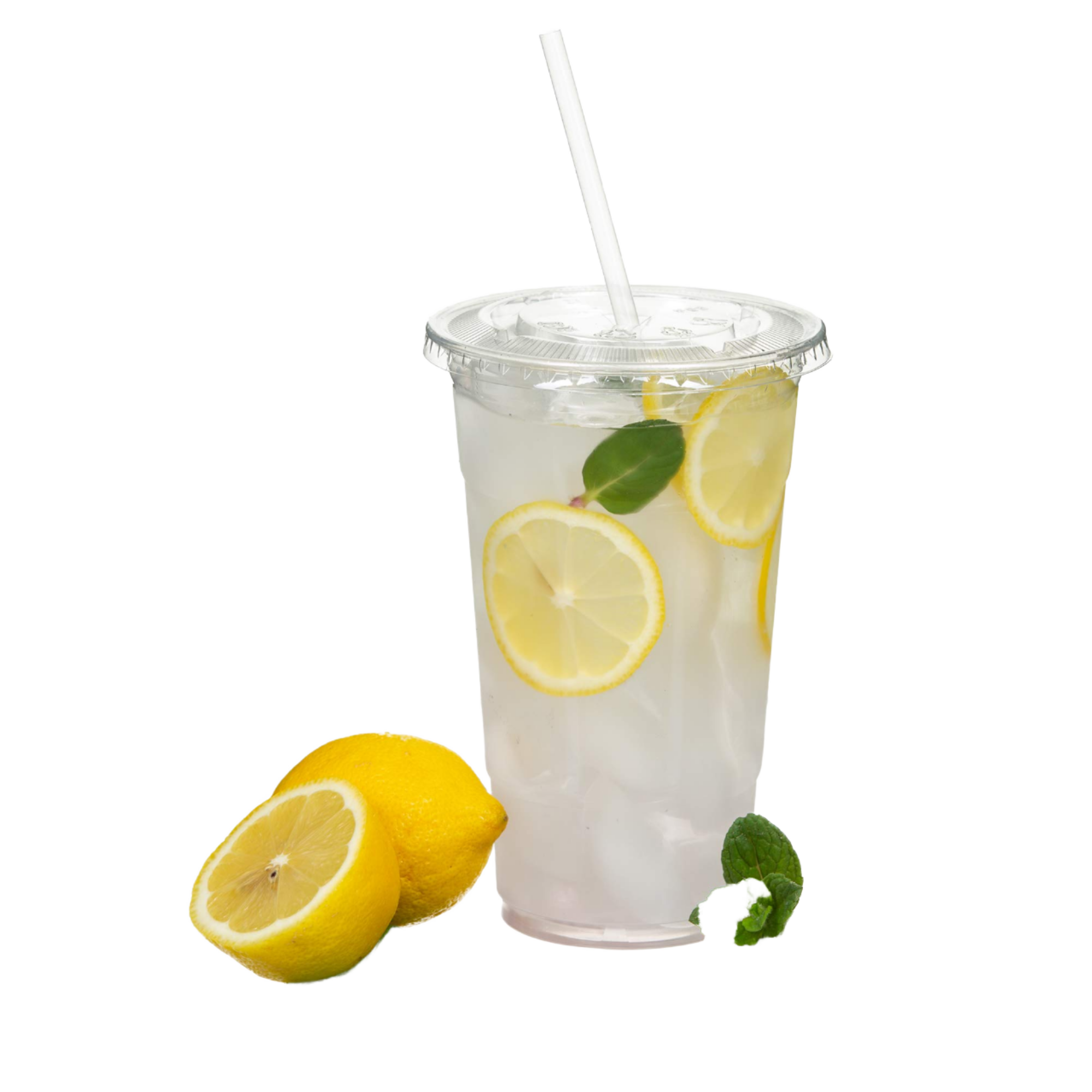
Custom Logo Disposable PET Cup 12oz-16oz Transparent Blister Lid
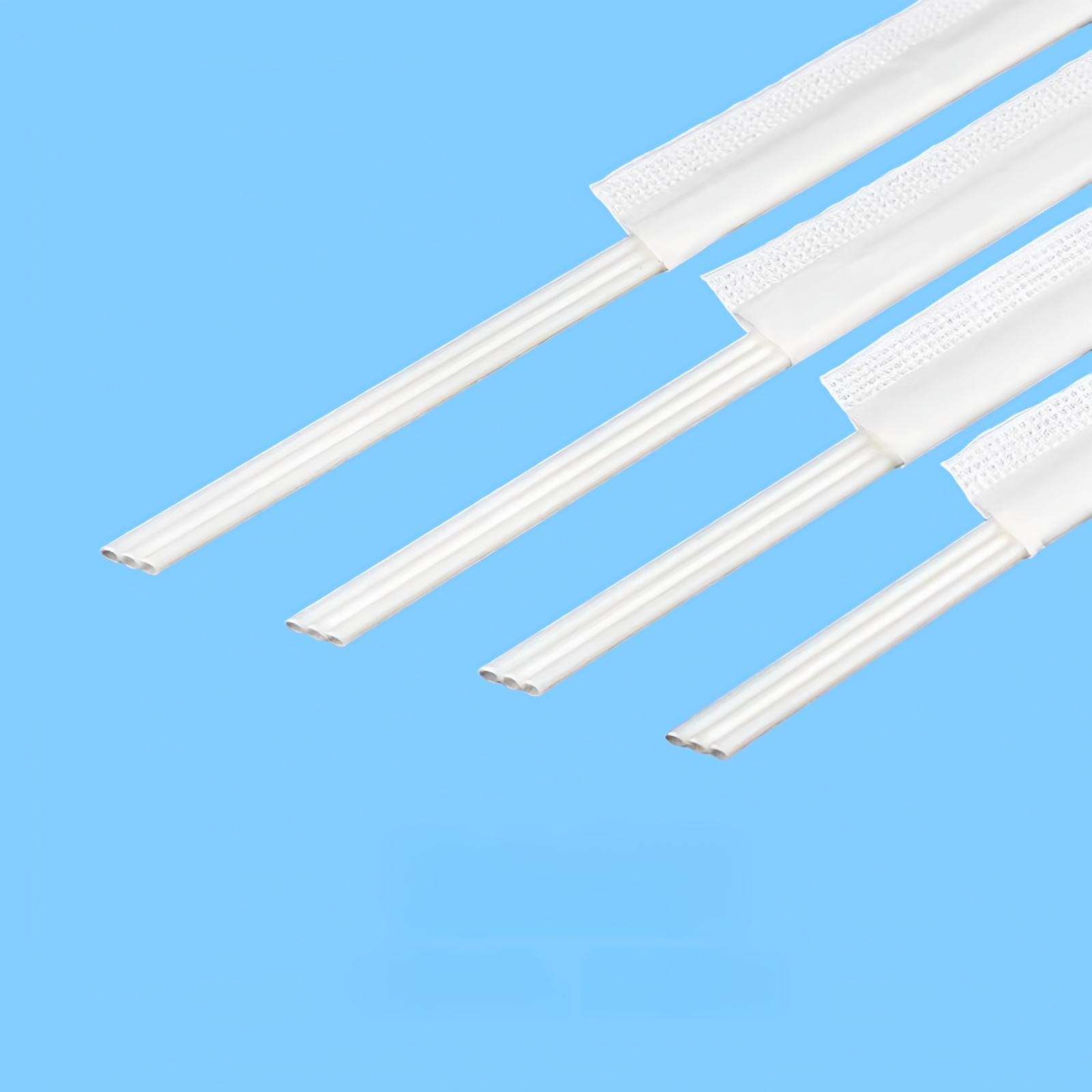
Compostable PLA Disposable Drinking Straws 200mm Biodegradable
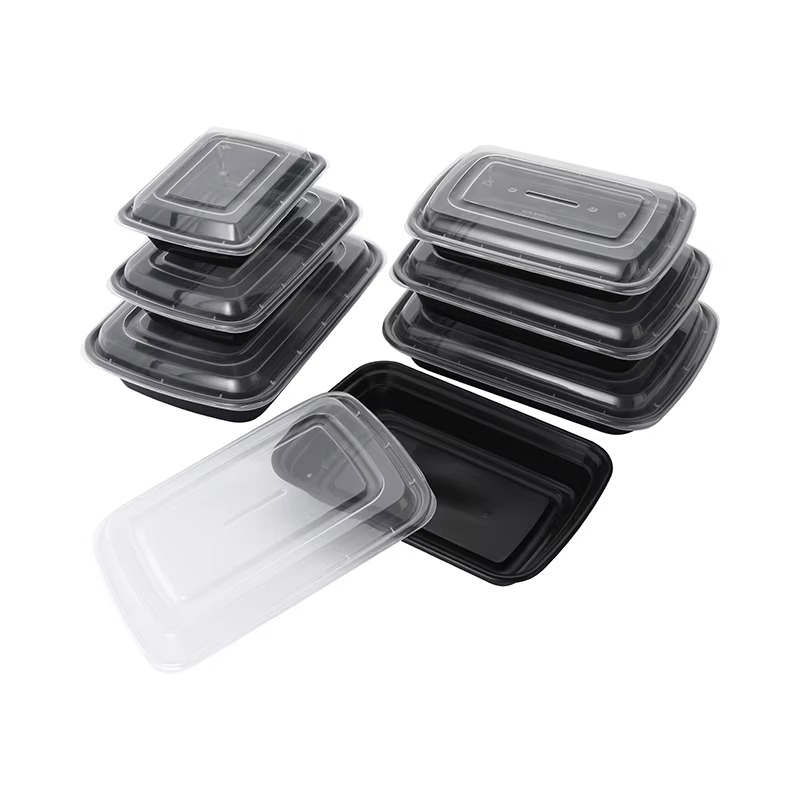
Disposable Rectangular Plastic Lunch Box Reusable Square Food Container
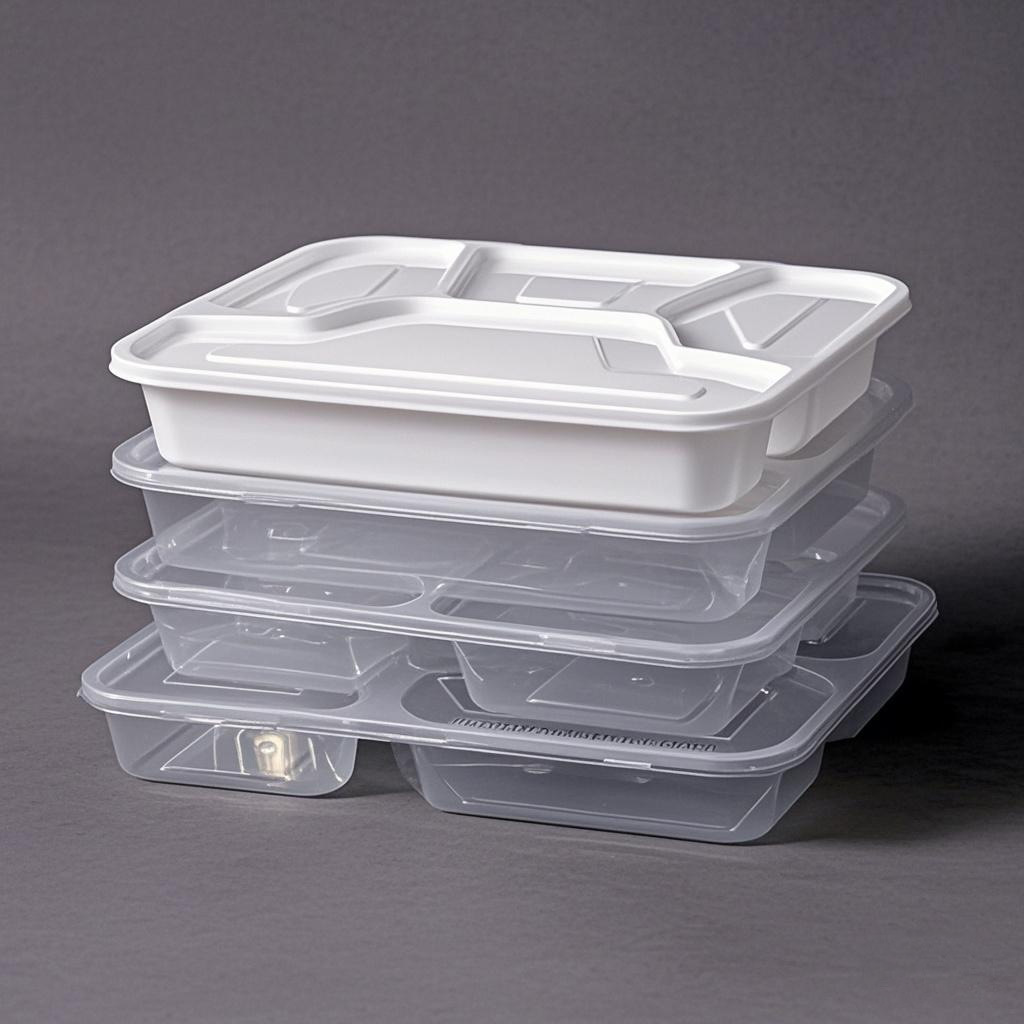
Hot Sale Plastic Bento Lunch Box Disposable Takeaway Container
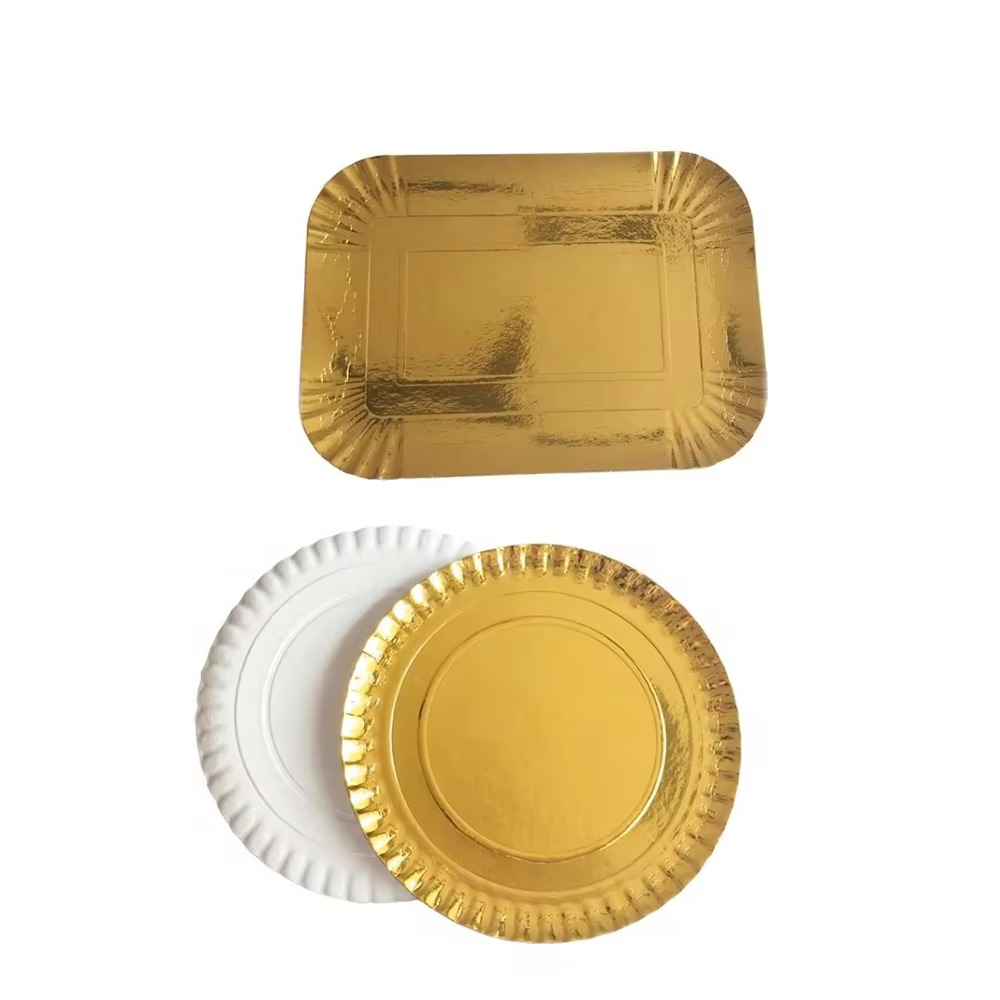
Wholesale Gold Round Thick Cardboard Cake Base Grease-Proof Board
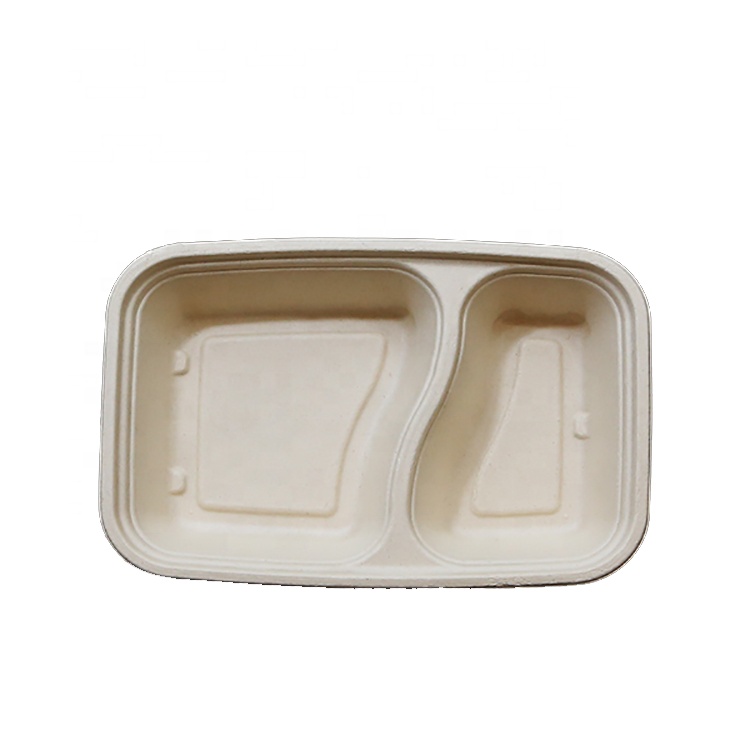
36oz Sugarcane Bagasse Food Box Two Compartment Pulp Container
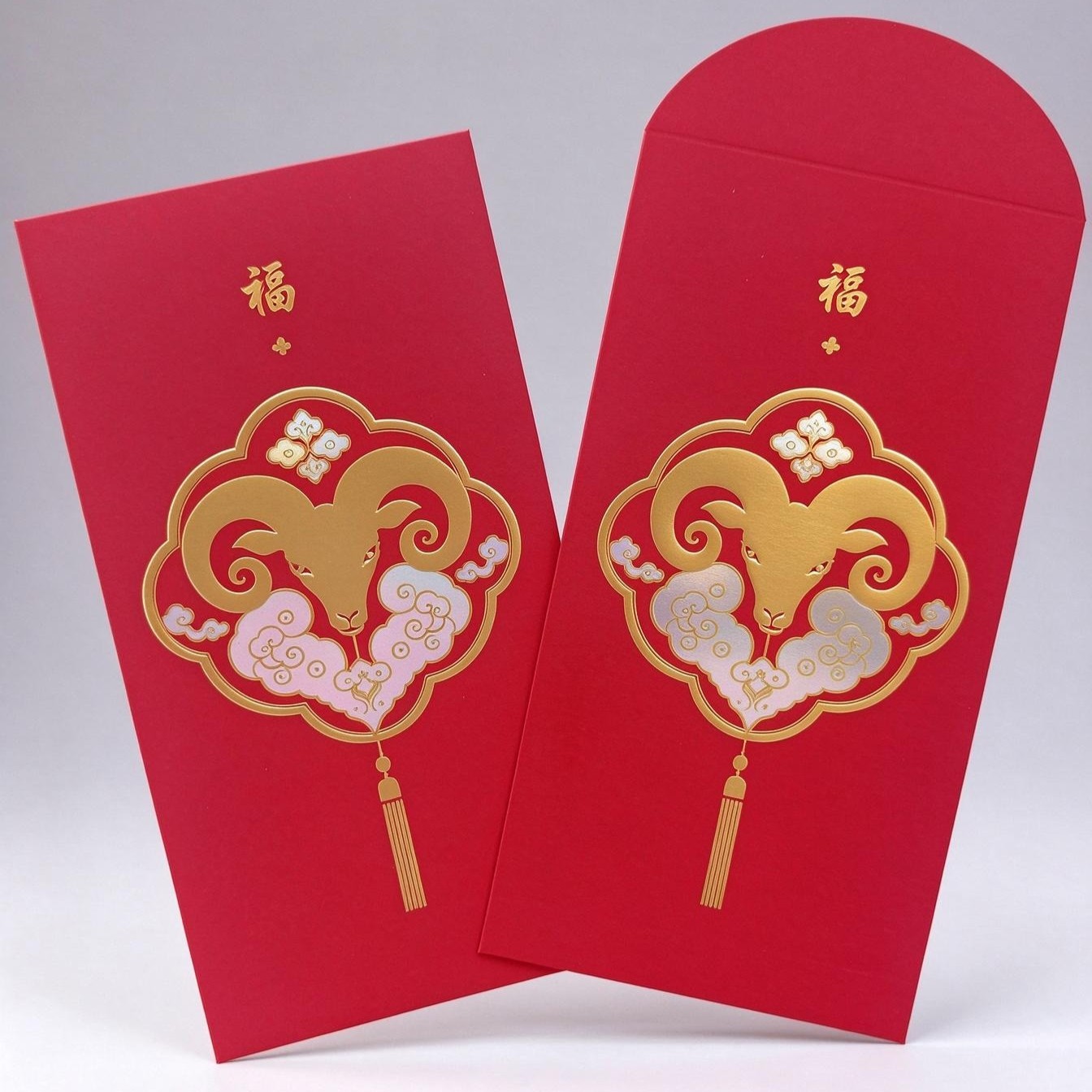
Wholesale Custom Luxury Paper Red Packets Hot Stamping Money Envelope
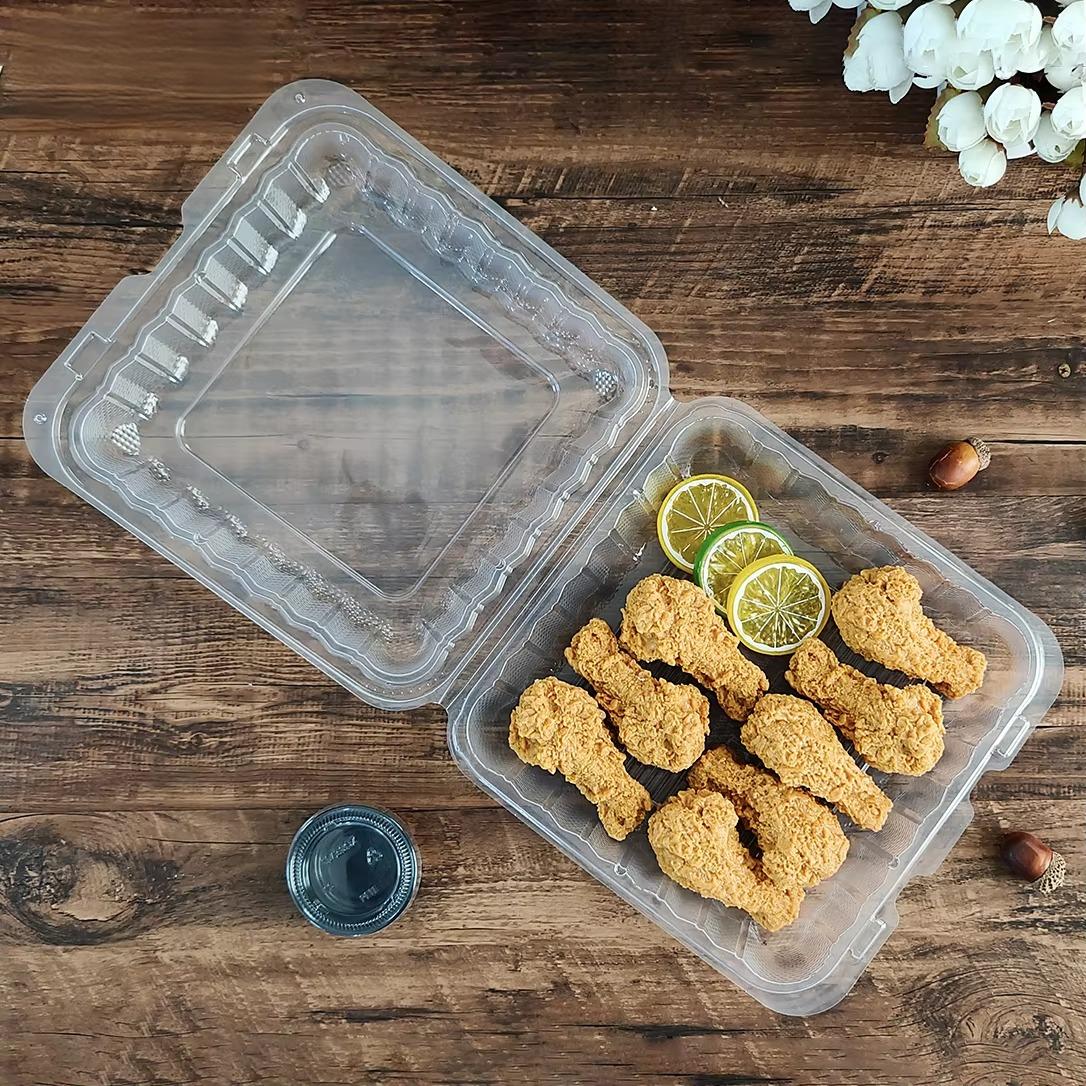
9 Inch 1 Compartment PP Plastic Bento Clamshell Meal Prep Container
Evaluating Top Paper Soup Bowls Suppliers: Structural Integrity & Food Safety
Navigating the commercial takeaway packaging supply chain requires balancing rigid physical performance, heat containment, grease barrier tech, and stringent global environmental compliance.
In the modern commercial food service landscape, the humble disposable paper soup bowl has evolved from a basic container into a sophisticated piece of packaging engineering. As global quick-service restaurant (QSR) chains, ghost kitchens, and institutional food distributors phase out single-use expanded polystyrene (EPS) foam, selecting a top trusted paper soup bowls supplier is a critical procurement decision. A failure in packaging integrity—such as wall softening, bottom seam leakage, lid popping during transit, or thermal degradation under hot liquid exposure—directly damages customer retention and brand equity.
Commercial buyers searching for reliable manufacturers are no longer merely comparing unit costs; they are conducting deep risk assessments across material sourcing, barrier technology, chemical migration safety (including PFAS compliance), and structural load capacity. This comprehensive whitepaper breaks down the technical nuances, market trends, material science, and manufacturing protocols essential for procurement professionals seeking high-performance disposable soup bowls and takeout containers.
Key Engineering Criteria for Heavy-Duty Paper Soup Bowls:
- Thermal Retention & Rim Rigidity: Maintaining mechanical stability under liquids up to 100°C (212°F) without rim deformation or wall buckling.
- Zero-Leakage Seam Sealing: Precision ultrasonic or thermal bottom-disc sealing to eliminate pinhole leaks caused by grease breakdown.
- Chemical Safety & Compliance: Mandatory adherence to FDA 21 CFR 176.170, EU 1935/2004, and local PFAS-free (per- and polyfluoroalkyl substances) mandates.
- Dimensional Precision for Automatic Lidding: Consistent top rim curling radii (anti-curl double rim) ensuring airtight snap-fit snap closures with PP, PET, or paper lids.
Technological Evolution: Kraft Fiber, Barrier Coatings & PFAS Alternatives
An in-depth comparative analysis of raw paperboard substrates and internal barrier technology governing liquid resistance.
The structural backbone of high-grade paper soup bowls is virgin unbleached kraft paperboard or bleached cupstock made from long-fiber wood pulp. Long-fiber pulp delivers superior tensile strength and burst resistance compared to short-fiber recycled alternatives, preventing structural collapse when steam pressure builds inside a closed bowl.
However, paperboard alone is porous. The internal barrier coating dictates the bowl's operational limits against hot water, animal fats, acidic broths, and commercial microwave reheating. Below is a structural matrix comparing industry-standard barrier technologies:
| Barrier Coating Type | Temp Resistance | Grease & Oil Barrier | Compostability & Recyclability | Target Regulatory Market |
|---|---|---|---|---|
| PE Coating (Polyethylene) | -20°C to 100°C | Excellent | Recyclable via specialized paper repulping facilities. Non-compostable. | Standard Global Export (USA, LatAm, SE Asia) |
| Double PE Lining | -20°C to 105°C | Superior (Hot & Cold) | Prevents condensation softening on outer wall. Recyclable in specialized streams. | Heavy Soups, Frozen Gelato, Stews |
| PLA (Polylactic Acid) | -10°C to 85°C | Good | 100% Industrially Compostable (EN 13432 / BPI certified). | EU SUP Directive Compliant Regions |
| Aqueous Water-Based Coating | -20°C to 100°C | High Performance | Directly repulpable in standard paper recycling. Zero plastic film layer. | Premium Eco Markets (EU, UK, Australia) |
| PFAS-Free Fluorine Barriers | Up to 100°C | Certified Safe | Complies with strict US state bans (California AB 1200, NY SB 4390). | North America & EU Direct-Contact Compliance |
Leading manufacturers like Guangdong Pudse Packaging Technology Co., Ltd. utilize advanced coating lines and inline die-cutting equipment to ensure that the interior barrier maintains zero micro-fissures during the high-speed paper cup molding process. By offering customized choices between PE, PLA, and repulpable Aqueous dispersion coatings, suppliers can tailor packaging specifications directly to the buyer's regional environmental regulations and menu requirements.
Future Sourcing Trends in Sustainable Paper Packaging (2025–2030)
Strategic foresight into regulatory shifts, circular economy mandates, and smart customization techniques shaping global procurement.
1. Mandatory PFAS Elimination
Global regulatory bodies are enforcing total bans on intentionally added PFAS chemicals in food contact materials. Future-proof paper soup bowl suppliers are transitioning exclusively to aqueous dispersion technology and plant-derived oil resistants that maintain grease protection without persistent fluorinated compounds.
2. Hybrid Material Ecosystems
The market is rapidly shifting toward hybrid packaging configurations. For example, high-clarity recyclable PP or anti-fog PET lids paired with unbleached kraft paper bowls enable visual merchandising for retail deli displays while maintaining thermal insulation for hot soups.
3. High-Definition Inline Branding
As food delivery becomes a dominant revenue stream, paper soup bowls double as key brand touchpoints. Multi-color offset presses, soy-based ink printing, and tactile embossing elevate plain kraft containers into premium branded packaging asset vectors.
Guangdong Pudse Packaging Technology: Technical Excellence & Manufacturing Scale
Empowering international distributors and QSR brands with high-precision manufacturing, rigorous quality control, and rapid order fulfillment.
Based in Dali Town, Nanhai District, Foshan, Guangdong—the premier printing and industrial packaging cluster in South China—Guangdong Pudse Packaging Technology Co., Ltd. (operating since 2009) stands out as an audited, verified manufacturer of disposable tableware, sugarcane bagasse products, paper soup bowls, meal prep boxes, and custom-printed packaging.
Core Technological & Factory Advantages:
- German Roland Offset Printing Technology: Operating an advanced Roland 4-color offset press alongside specialized 6+1 printing equipment. This guarantees ultra-crisp brand graphics, zero ink bleed, precise Pantone matching, and food-grade outer ink safety.
- Full-Cycle OEM/ODM Structural Engineering: In-house pre-press, structural dieline creation, sample prototyping, high-speed molding, die-cutting, and automated box gluing. We convert concept briefs into finished goods with short sampling turnaround times.
- Comprehensive Material Versatility: Direct line production spanning PE-coated kraft paper bowls, molded sugarcane bagasse containers, clear PET drinkware, PLA compostable straws, and microwavable PP bento boxes.
- Rigorous Quality Management: Adherence to ISO-aligned quality assurance workflows. Every production batch undergoes automated rim pressure tests, 95°C hot water leak endurance evaluations, and stack-load crush tests before container loading.
- Logistics Efficiency: Strategically situated near Guangzhou and Shenzhen export ports, facilitating streamlined FCL (Full Container Load) and LCL (Less than Container Load) shipping routes across North America, Europe, Asia, and worldwide markets.
Frequently Asked Questions for Paper Soup Bowl Buyers
Direct answers to technical, commercial, and regulatory questions encountered by B2B purchasing managers.
1. How do high-quality paper soup bowls prevent bottom leakage and side-wall collapse with hot liquids?
2. What is the key functional difference between PE, PLA, and Water-Based (Aqueous) coated paper bowls?
3. How does Guangdong Pudse ensure compliance with international PFAS-free regulations?
4. What lid options provide the best seal for soup delivery and takeaway service?
- Vented PP Lids (Polypropylene): Microwave-safe, flexible snap-fit, engineered with steam release pinholes. Best for boiling soups and hot stews.
- Paper Lids (Vented Double-Wall): Matching aesthetic, eco-friendly branding opportunity, excellent rigidity for stacking.
- Clear PET Lids: High clarity for cold/warm applications (chilled soups, salads, poke bowls), providing anti-fog visibility for retail merchandising.
5. What are the typical minimum order quantities (MOQs) and production lead times?
6. How is artwork color fidelity maintained on unbleached brown kraft paperboard?
7. Can disposable paper soup bowls be used in microwaves and freezers?
8. What flexible trade terms, currencies, and shipping options do you support?
Partner with a Verified Paper Packaging Manufacturer
Request custom samples, structural dielines, or factory-direct volume quotes. Our packaging engineering team responds within 1 hour.
Get a Quote