Featured Commercial Paperboard & Eco Takeout Packaging Solutions
High-performance structural designs manufactured under strict ISO 9001 quality protocols. From heavy-duty thermal-insulated kraft containers to certified home-compostable molded fiber clamshells, explore our commercial product lines optimized for automated filling and safe transit.
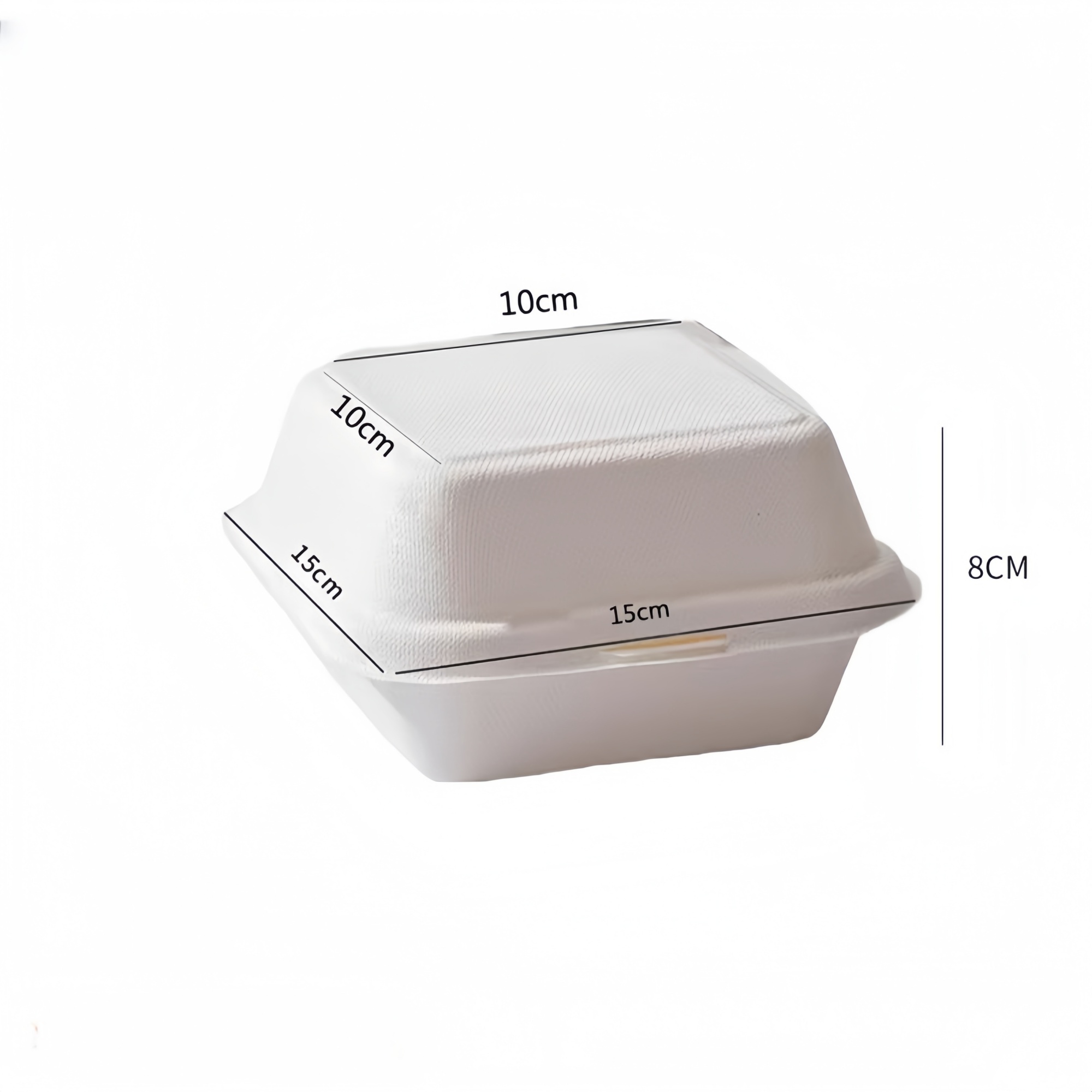
Biodegradable Bagasse Clamshell Lunch Box With Lid Recyclable BPA Free Takeout Container for Restaurant Picnic
- Unbleached sugarcane pulp fiber matrix
- Dual interlocking tab leak-proof closure
- Microwavable to 120°C & freezer stable

Custom Square Kraft Paperboard Food Box Disposable Takeaway Packaging for Noodles Bread Sandwiches Hamburgers Sushi
- Virgin food-contact kraft (280–350 GSM)
- Aqueous or PE interior grease shield
- Tear-away ventilation perforated corners
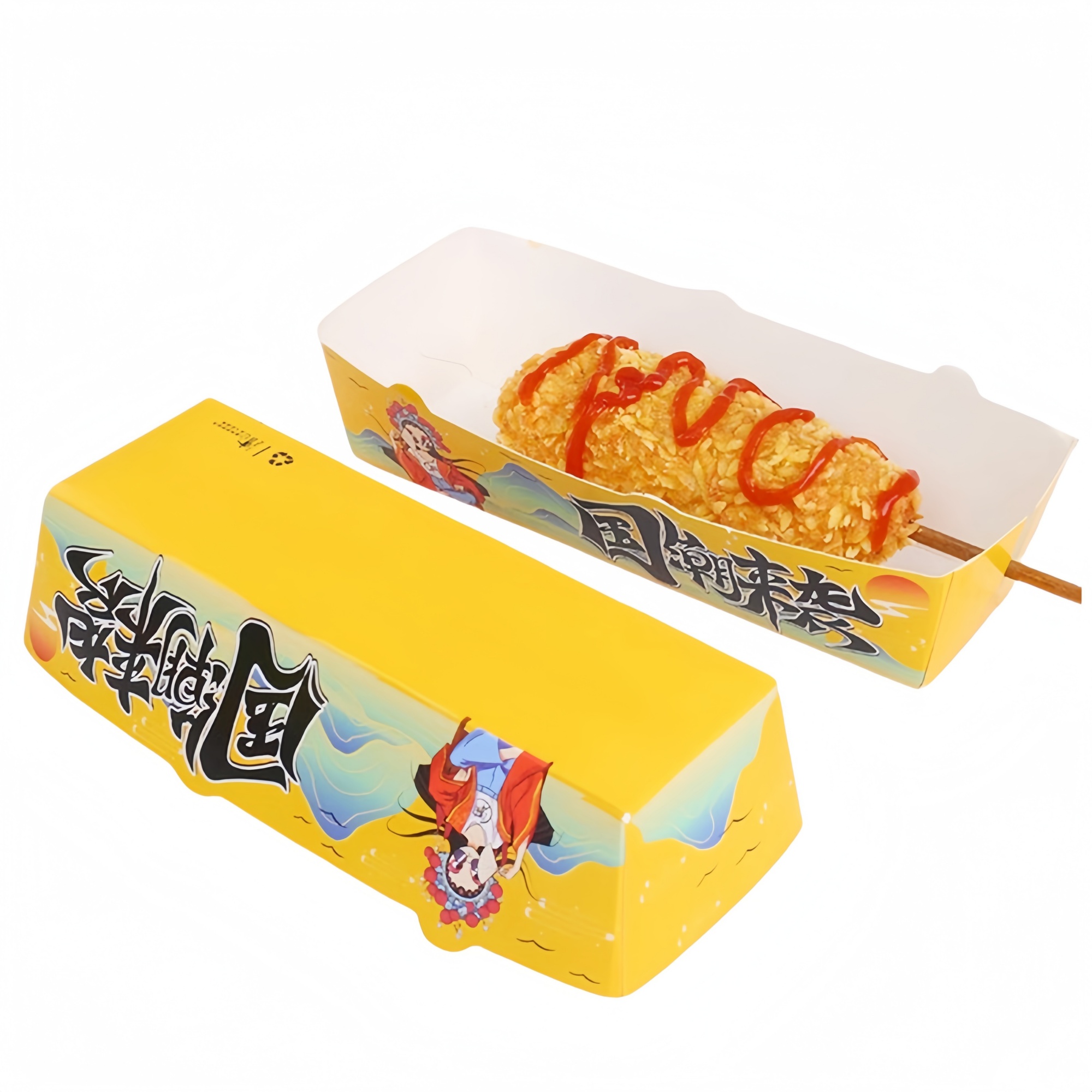
Custom Food Grade Art Paper Folders 2mm Recyclable Paperboard Packaging Matt Glossy Lamination UV Coating Gold Foil Embossing
- Heavyweight 2mm rigid caliper board
- Spot UV & precision gold foil hot stamping
- High-end bakery, retail, & tea boutique use
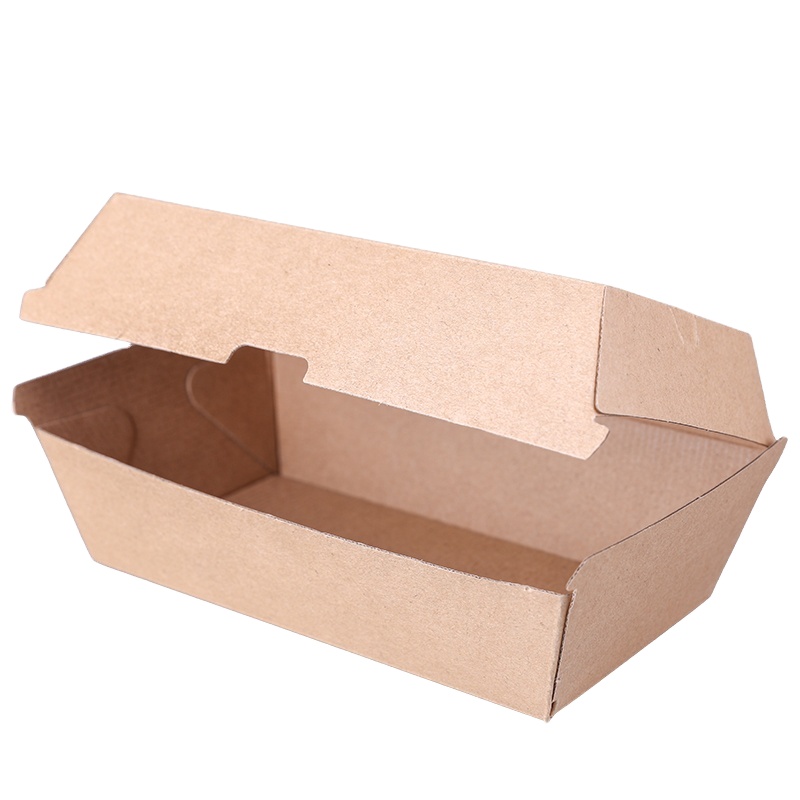
Recycled Biodegradable Corrugated Paper Box 2mm Folding Folder Packaging for Shoes and Clothing
- High crush resistance ECT 32 / 200# test
- 100% Post-consumer recycled fibers
- Flat-pack nesting saves 70% freight space
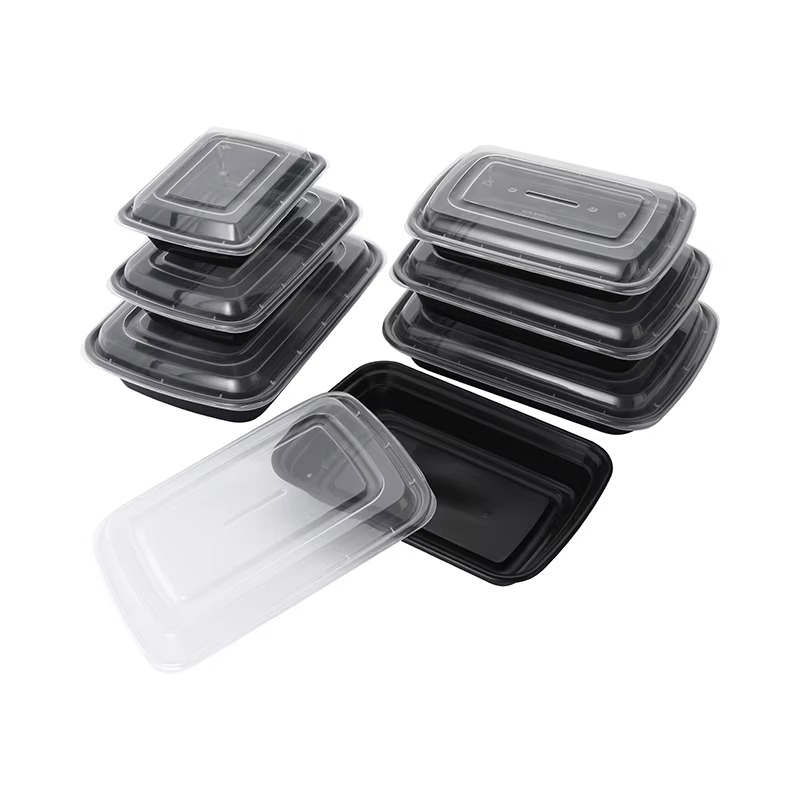
Disposable Rectangular Plastic Lunch Box Reusable Square Food Storage Containers for Office or School Use
- Injection-molded virgin Polypropylene
- Hermetic snap-lock anti-fog lid closure
- Commercial dishwasher & freezer rated
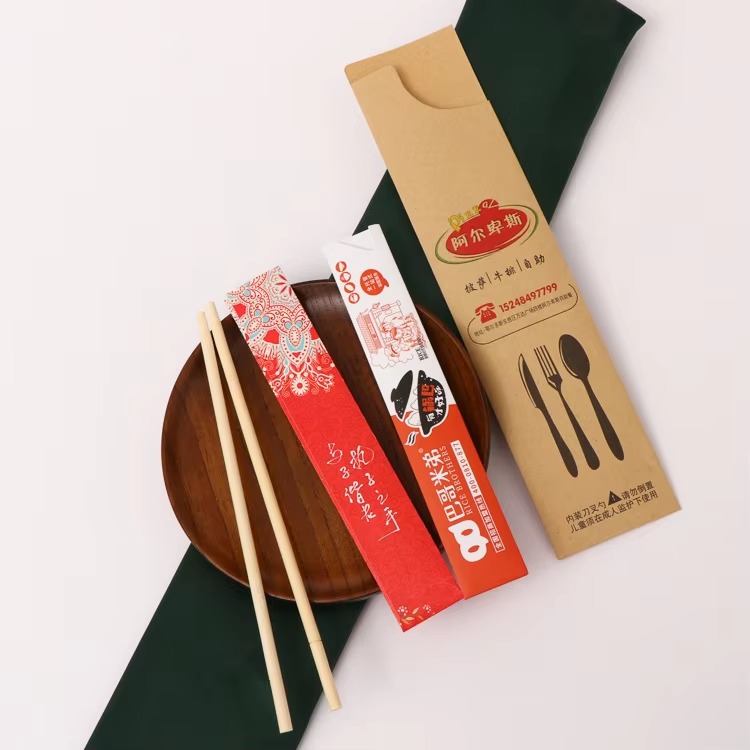
Eco-Friendly Disposable Chopstick Paper Covers Biodegradable Durable Tableware Packaging for Hotels Takeaway
- Wood-free high tensile natural kraft
- Soy-based non-toxic flexographic print
- Full hygienic cutlery enclosure seal
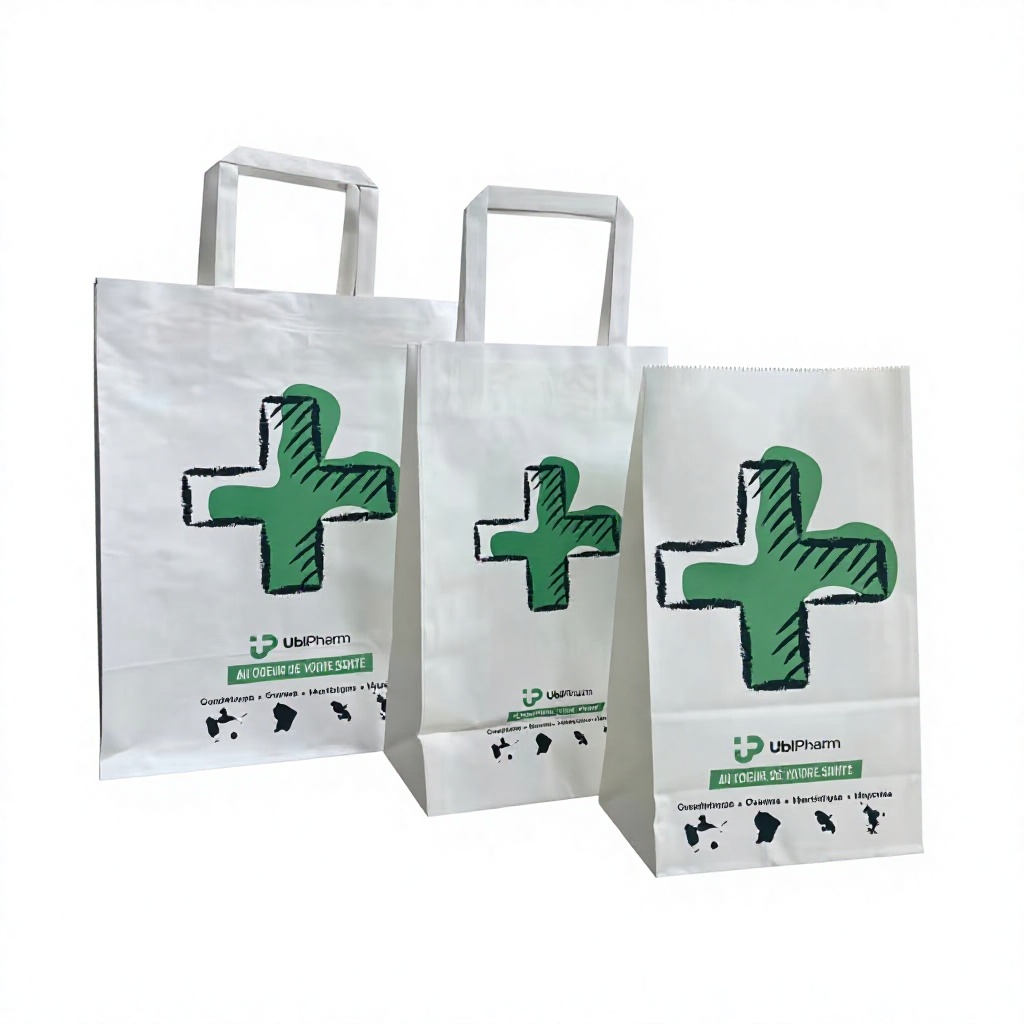
White Paper Shopping Bag Custom Printed Carrier Bag Flat Bottom Gift Packaging for Pharmacy Retail
- Reinforced twisted paper handle insert
- Square self-standing flat bottom gusset
- Holds up to 8kg dynamic payload weight
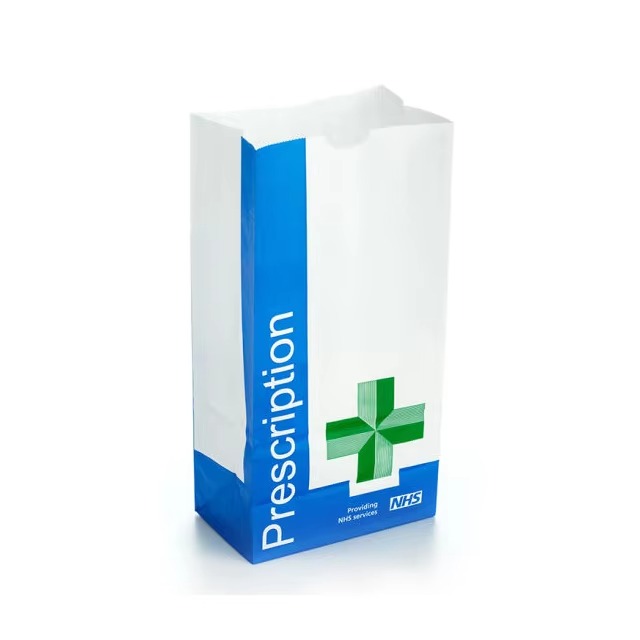
50gsm Custom Logo Printed Recyclable Waterproof Kraft Paper Bags Air Sickness Pharmacy Medical Use
- Leak-proof heat-sealed laminated bottom
- Liquid barrier internal polymer film
- Integrated tin-tie or peel-and-seal strip
Guangdong Pudse Packaging Technology: Engineering Infrastructure
Operating out of Dali Town, Nanhai District, Foshan, Guangdong Pudse Packaging Technology Co., Ltd. merges advanced polymer science, circular cellulose engineering, and integrated post-press finishing. Discover how our vertically integrated production matrix solves supply chain vulnerabilities for Fortune 500 restaurant groups, food distributors, and emerging quick-service brands.
Fully Integrated In-House Production
Unlike trading brokers who outsource key manufacturing phases, our Foshan factory maintains pre-press CTP digital plate-setting, German Roland 4-color offset printing, high-speed 6+1 printing machines, 4 high-tonnage molded fiber forming lines, and 6 precision auto die-cutting platen stations within a single secure campus. This closed-loop setup prevents color drift across repeat lots and eliminates multi-tier middleman surcharges.
PFAS-Free & Global Compliance Mastery
Navigating strict global regulatory shifts requires chemical precision. We engineer next-generation grease barrier coatings completely free of Per- and Polyfluoroalkyl Substances (PFAS, PFOS, PFOA), strictly complying with EU Regulation (EC) No 1935/2004, German LFGB, and US FDA 21 CFR 176.170. We formulate aqueous dispersion barriers and certified PLA coatings that degrade naturally without leaving persistent microplastics.
Rapid Prototyping & Agility Under 1h
Speed-to-market dictates retail success. Our engineering bullpen converts CAD dieline briefs into 3D structural simulations within 6 hours, while full physical digital-knife proof samples ship in 48 hours. Backed by our verified 100% Alibaba storefront responsiveness (≤1h response rate), overseas supply managers gain continuous visibility, expedited mold tooling, and scheduled shipment dispatches via Guangzhou and Shenzhen container ports.
Global Procurement Trends: What Paper Packaging Buyers Must Prepare For
The international foodservice landscape is shifting from fragmented single-use plastic bans to legally binding circular economy frameworks. Global buyers must align procurement portfolios with emerging material science, Extended Producer Responsibility (EPR) mandates, and automated end-of-line packaging efficiency.
Total Elimination of Fluorinated Chemistries
By late 2024 and through 2026, enforcement across the European Union (REACH), individual US states (Washington, California, New York), and Canada is aggressively confiscating food containers utilizing fluorotelomer coatings. Importers are proactively shifting to aqueous nano-dispersion coatings and physical fiber refinement that offer high grease resistance (TAPPI T559 Kit Test 8–11) without containing halogen compounds.
High-Speed Automated Carton Compatibility
Ghost kitchens and centralized commissary meal plants are turning to robotic de-nesting and automated folding lines. Packaging procured today must exhibit dimensional tolerances tighter than ±0.3mm, regulated moisture content (6.5–7.5%), and specialized anti-jam lip geometry to ensure continuous feeding through automated conveyor drop chutes without manual operator intervention.
EPR-Driven Monomaterial Standardization
Under European Packaging and Packaging Waste Regulation (PPWR) updates, multi-layer composites that fuse unsegregated polymers to paper fibers face heavy punitive environmental taxation. Enterprise brands are pivoting to repulpable monomaterial paperboards that qualify for standard curbside recycling streams (PTS Method EN 13430), allowing end consumers to dispose of boxes in standard paper recycling receptacles.
High-Efficiency Flat-Nesting Logistical Geometries
Ocean freight volatility is forcing supply chain officers to scrutinize container volume efficiency. Traditional rigid clamshell packaging has 65% dead airspace inside shipping cartons. Modern procurement prioritizes self-erecting auto-bottom boxes, folding micro-fluted cartons, and taper-optimized nesting formats that dramatically increase container payload capacity from 45,000 to over 115,000 units per 40HQ container.
Packaging Substrate Comparison: Physical Chemistry & Performance Limits
Selecting incorrect substrates leads to soggy sidewalls, structural collapse during food deliveries, and regulatory import holds. Examine empirical physical boundaries, thermal capabilities, and grease barrier data verified across our Foshan testing laboratories.
| Substrate Material | Grammage Range (GSM) | Cobb 60 (Water Absorption) | Grease Barrier Index (Kit #) | Thermal Boundary (°C) | End-of-Life Lifecycle Status |
|---|---|---|---|---|---|
| Virgin Unbleached Kraft + Aqueous Coating | 280 – 380 GSM | < 18 g/m² | Kit 9 – 12 (Waterborne Polymer) | -25°C to +130°C (Microwave Safe) | ✓ Repulpable / Curbside Paper Recyclable |
| PE-Laminated Food-Grade Paperboard | 260 – 350 GSM + 18g PE | < 5 g/m² | Kit 12 (Complete Oil Barrier) | -20°C to +105°C (Brief Reheat) | Specialized Recycling Line Required |
| Thermoformed Sugarcane Bagasse Pulp | 350 – 450 GSM Equivalent | < 25 g/m² (Dense Web) | Kit 6 – 9 (PFAS-Free Dispersion) | -20°C to +120°C (Microwave & Oven) | ✓ Industrial & Home Compostable (EN 13432) |
| E/F-Flute Corrugated Micro-Board | 120 Kraft / 110 Flute / 120 Kraft | < 30 g/m² (Outer Shell) | Kit 7 – 10 (Optional Liner Barrier) | -40°C to +100°C (Heavy Insulation) | ✓ 100% Recyclable Standard Corrugated Stream |
| Virgin Polypropylene (#5) Injection | Calibrated Wall 0.65–0.90mm | 0 g/m² (Impervious Barrier) | Kit 12 (Absolute Chemical Barrier) | -20°C to +125°C (Full Microwave Safe) | ✓ Blue-Bin Curbside Recyclable (Code 5) |
Total Cost of Ownership (TCO): Moving Beyond Unit Factory Price
Seasoned supply chain directors know unit FOB cost is only 40% to 55% of actual landing cost. Factoring freight cubic meter consumption, automated denesting cycle times, damaged carton failure rates, and environmental tariff structures provides genuine procurement ROI.
CBM Optimization & Nesting Ratios
A poorly engineered takeout box with steep sidewall draft angles consumes up to 35% more volumetric space inside an ocean carton. Our structural dieline engineers apply precision taper angles and nested internal detents, packing up to 450 units per carton where standard factories manage only 250. This decreases per-unit sea freight and drayage costs by $0.015 to $0.038 across Pacific routes.
Store Operations & Fast Erection Speed
For fast-casual restaurant chains handling 800 peak lunch orders daily, seconds matter. A conventional crash-lock box requiring multiple hand-folds costs 6 seconds per pack. Our patented 1-pull auto-erect boxes pop open in 0.8 seconds. Multiplied across a 50-store chain, this reduces 1,800 labor hours per year, saving thousands of dollars in line bottlenecks and kitchen overtime.
Transit Leak Protection & Brand Equity
Third-party delivery platforms (UberEats, DoorDash, Deliveroo) report that spilled liquids and collapsed soggy lids account for 72% of delivery refunds and negative restaurant reviews. Our sonic-sealed corner webs, vapor-release micro-flaps, and anti-leak folded bottoms protect product warmth while locking in gravies and hot oils across long delivery routes.
Industrial Testing & Inspection: Quality Assurance Standards
Guangdong Pudse Packaging Technology deploys five-stage quality inspection checkpoints to satisfy global import scrutiny. Shipments adhere to ISO 2859-1 (MIL-STD-105E) AQL Level II thresholds, ensuring that high-volume orders land defect-free at destination ports.
Cobb Absorption & Bursting
Every roll of paperboard undergoes Mullen burst testing and Cobb sizing testing. We verify paper moisture stays tightly within 6.5% to 7.5% to prevent warping, embrittlement in cold transit, or carton delamination under prolonged high-humidity warehouse storage.
X-Rite Spectrophotometer Color Matching
Brand integrity relies on uniform color reproduction. Using German Roland 4-color printing calibrated with X-Rite digital spectrophotometers, our press engineers maintain strict Delta-E ΔE < 1.5 tolerances, ensuring Pantone corporate colors match across initial and repeat production runs.
Continuous Thermal & Oil Exposure Testing
Production samples are subjected to 100°C palm oil and hot broth for 45 minutes under lab supervision. Boxes must display zero exterior bottom weeping, no corner delamination, and maintain over 85% structural sidewall compressive strength while fully loaded with hot food.
ISTA 1A Transit Compression & Drop Checks
Finished export cases undergo 10-point drop testing and vibration trials simulating ocean transport, cargo handling, and port container drayage. Pallet loads are stretch-wrapped with corner edge-boards to resist dynamic stresses across cross-continental ocean routes.
Paper Takeout Boxes Procurement: Frequently Asked Questions
Key technical, regulatory, and logistics questions answered by our engineering and export compliance specialists.
What is the standard production lead time and minimum order quantity (MOQ) for custom-printed boxes?
Our standard Minimum Order Quantity (MOQ) depends on the chosen production line. For custom-printed folding kraft paperboard boxes with offset litho printing, our standard run begins at 5,000 to 10,000 pieces per SKU. Stock plain kraft or PP containers can be supplied at starting volumes of 150 to 500 units. For thermoformed molded sugarcane bagasse containers requiring custom private embossing dies, initial runs start at 20,000 to 50,000 units due to industrial tooling setup. Lead times average 12 to 18 business days following digital PDF approval and deposit confirmation. Repeat reorders dispatch in 8 to 12 days.
How does your factory ensure compliance with PFAS-free and overall migration limits (OML)?
We source pulp slurries and baseline kraft stocks strictly from certified forestry mills holding verified chain-of-custody credentials (FSC-C123456 compliant). For oil-resistant lines, we replace old fluorotelomer agents with water-based acrylic/polyurethane co-polymer aqueous dispersions or micro-fibrillated cellulose barriers. Each production batch undergoes overall migration limits (OML) and specific migration limits (SML) testing using standard food simulants (Simulant A: 10% Ethanol, Simulant B: 3% Acetic Acid, and Simulant D2: Vegetable Oil) in accordance with EN 1186 and US FDA 21 CFR 176.170. Total organic fluorine (TOF) tests consistently return below detection limits (<50 ppm).
Can you engineer structural packaging dielines for high-speed automated packaging machines?
Yes. Our internal engineering department works in CAD ArtiosCAD and SolidWorks to refine corner radii, scores, and reverse crease lines specifically for automated de-nesting and auto-cartoning systems (such as Schubert, Bradman Lake, or Ishida machines). We customize grain direction so paperboard fibers run parallel to main crease lines, optimizing folding snap-back tension while avoiding corner tearing during high-speed mechanical packing cycles.
What surface finishing options are available, and do they hinder industrial compostability or repulpability?
We provide full-spectrum post-press decorative options: spot UV, blind embossing, debossing, hot foil stamping (gold, silver, holographic), matte aqueous coating, and gloss water-based varnishing. To retain circular recyclability, we advise enterprise clients to adopt our certified repulpable aqueous coatings and food-grade soy-based flexographic or offset inks. These finishes release cleanly from paper fibers during industrial hydro-pulping re-slurrying processes, achieving over 92% fiber recovery in standardized PTS fiber-yield recyclability trials.
What shipping terms, export documentation, and container loading support do you offer?
We support standard Incoterms 2020: EXW, FOB (Guangzhou, Shenzhen, Foshan), CFR, CIF, CIP, and full door-to-door DDP arrangements (handling ocean drayage, US Customs clearance, ISF filings, single-entry bonds, EU customs, and local destination liftgate deliveries). Export documentation includes Commercial Invoice, Packing List with accurate gross/net/CBM details, Bill of Lading, Certificate of Origin (Form E, Form A, or RCEP), and comprehensive laboratory compliance declarations. Our loading docks utilize slip-sheets, moisture-desiccant bars, and heavy-duty strapping to safeguard goods from container rain during transit.
Scale Your Takeout Packaging Supply with a Verified Factory Partner
Connect directly with Guangdong Pudse Packaging Technology's engineering and quoting desk. Share your box dimensions, targeted food temperatures, barrier preferences, and custom artwork to receive an itemized factory direct proposal and CAD dielines within 1 hour.