 Pulp Molded
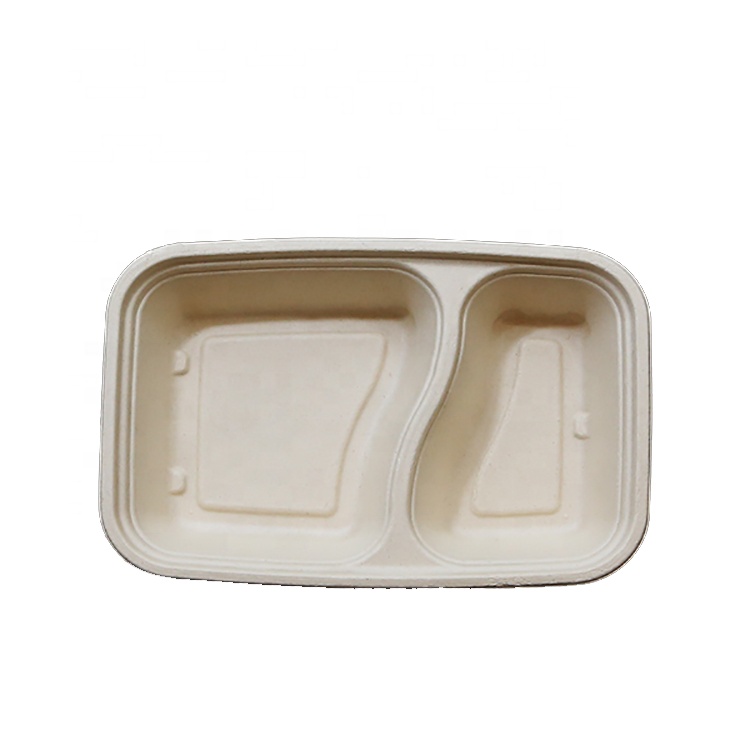
36oz Sugarcane Bagasse Food Box Two Compartment Disposable Pulp Lunch Container
Natural bagasse pulp, leak-resistant
Dual chamber anti-flavor mixing
Temperature rating: -20°C to 120°C
Engineered for cold-chain rigidity, hot food anti-leakage, and ultra-high-speed commercial packing lines. Produced under standardized ISO 9001 quality supervision.
Pulp Molded
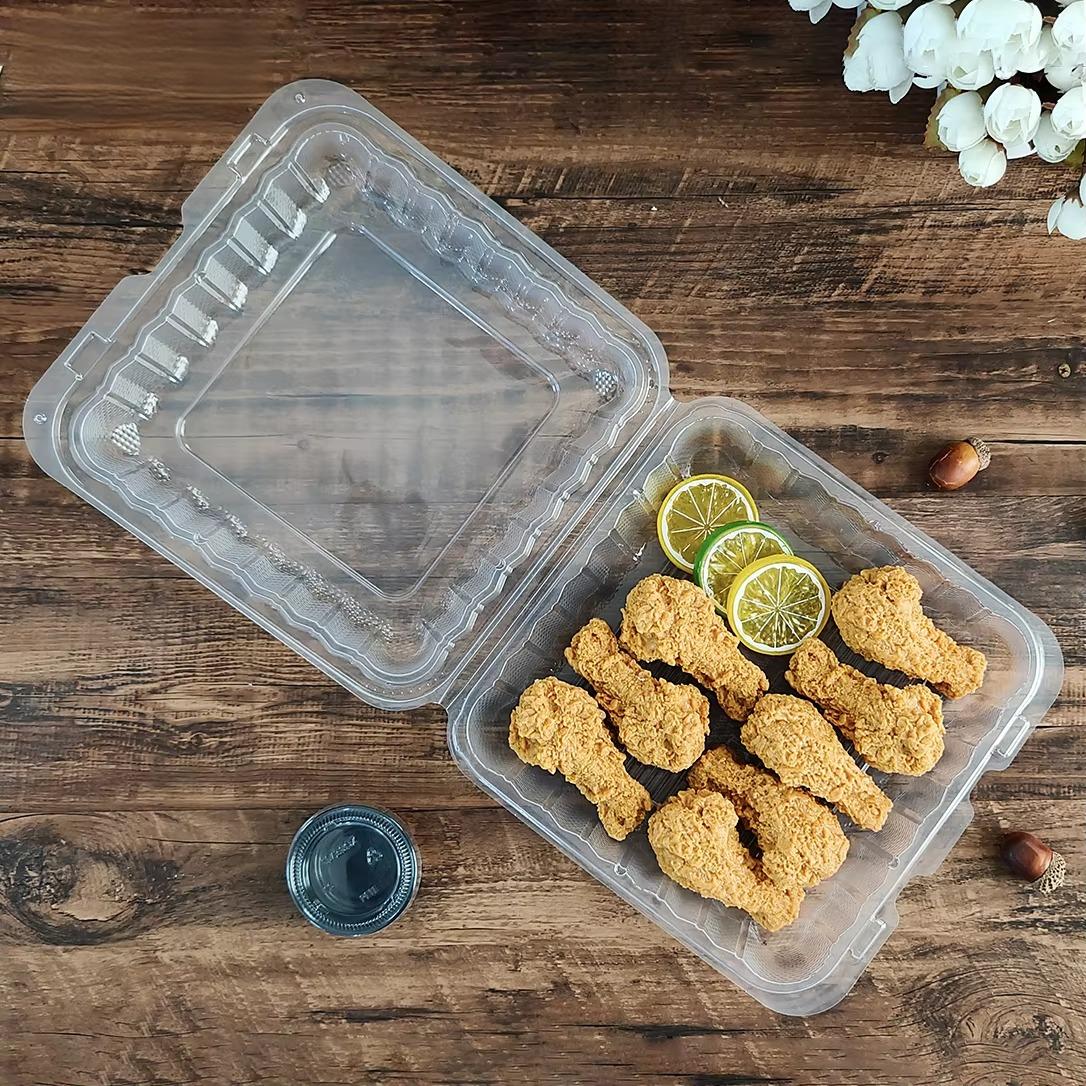 Heavy Catering
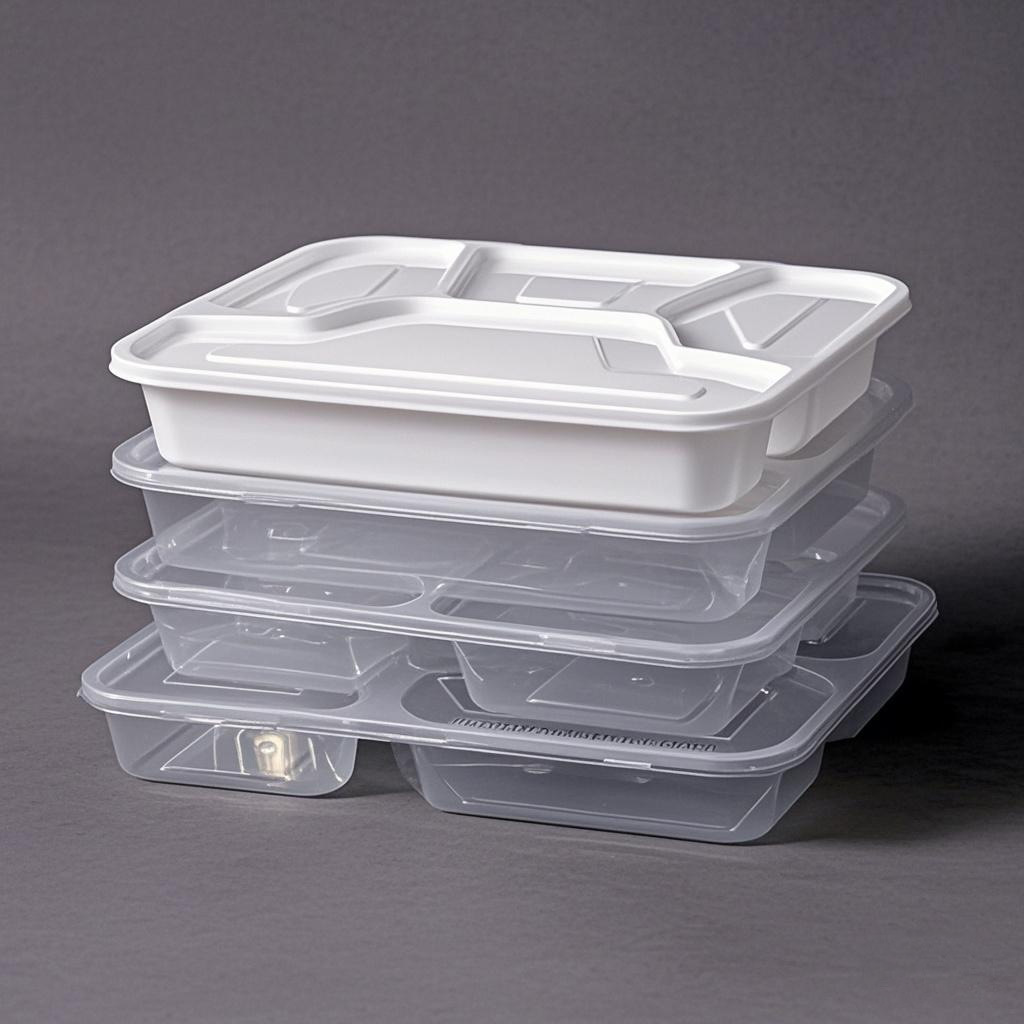 Multi-Grid
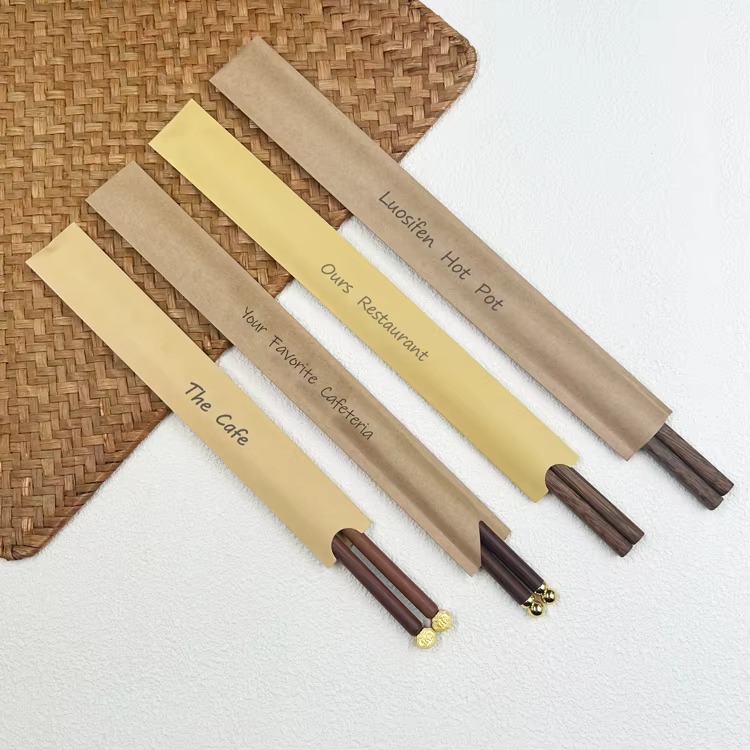 Custom Print
 Branding
 Barrier Paper
 Luxury Retail
 Specialty Craft
Navigating the commercial transition from single-use plastics to molded fiber requires quantitative analysis of tensile elasticity, hydrophobicity, lipophilicity, and heat transfer dynamics.
In modern high-speed automated packaging and commercial catering, a food tray is not merely a passive holder—it is an active barrier interface designed to protect food quality while preventing structural collapse. Sugarcane bagasse (a high-yield agro-industrial byproduct remaining after juice extraction) features a naturally dense lignocellulosic fiber matrix. Through advanced thermoforming pulp-molding processes operating under hydraulic pressures exceeding 15 MPa and mold temperatures surpassing 180°C, these short and long vegetable fibers undergo cross-linking, yielding high rigidity and a naturally smooth tactile surface.
Unlike expanded polystyrene (EPS) or unreinforced paperboard, molded sugarcane bagasse trays provide exceptional dimensional stability across extreme thermal bands (-20°C in commercial blast freezing up to 120°C in high-moisture steam ovens and microwave reheating). This eliminates the structural buckling, odor migration, and softening issues common in inferior disposable serving ware.
| Substrate Material | Oil Barrier Mechanism | Thermal Window | Industrial Compostability | Primary Commercial Use Cases |
|---|---|---|---|---|
| Molded Sugarcane Bagasse | Fluorochemical-free aqueous emulsion or PFAS-free sizing agents | -20°C to 120°C (Microwave Safe) | EN 13432 / ASTM D6400 (60–90 Days) | Hot restaurant delivery, bento lunch catering, fresh meat and poultry trays, airline catering |
| PE-Coated Kraft Paperboard | Extruded Polyethylene (PE) resin film (15–18 gsm) | Up to 100°C (Short Reheat Only) | Specialized Delamination Required | Noodle pails, high-liquid soups, takeout fried chicken, street food boat trays |
| Homopolymer Polypropylene (#5 PP) | Inherent non-polar hydrocarbon polymer structure | -20°C to 125°C (Fully Microwavable) | Class 5 Recyclable Stream | Long-shelf-life central kitchen meal-preps, freezer-to-microwave ready meals |
| Molded Recycled Newsprint/Corrugated | Basic internal paraffin wax or alkyl ketene dimer (AKD) | 0°C to 65°C (Non-Microwavable) | Rapid Biodegradation | Dry agricultural fruit trays, industrial protective inserts, secondary shipping cushioning |
Strategic supply chain managers are recalibrating inventory forecasting around four macroeconomic packaging shifts.
Regulatory bodies in North America and Western Europe have established absolute zero-tolerance thresholds for total organic fluorine (<100 ppm TOF). Future pulp tray procurement will favor manufacturing partners operating verified fluorine-free wet-end chemical injection lines that maintain 60°C oil hold-out for up to 4 hours without delamination.
As commercial cloud kitchens and fresh meal processors deploy robotic pick-and-place lines, standard dimensional tolerances are tightening. Modern buyers demand high-precision edge-trimming and calibrated draft angles (1.5° to 2.5°) to prevent vacuum lock during automatic destacking, reducing downtime in automated lid-sealing machines.
To balance visual food merchandising with plastic reduction mandates, procurement workflows increasingly combine molded sugarcane pulp bases with ultra-thin, highly recyclable rPET or biopolymer lids. This provides clear product visibility while reducing total fossil-plastic weight by 75% to 85% compared to traditional clamshells.
Understanding the fundamental engineering differences between molding systems allows B2B buyers to align product aesthetic demands with strict landed-cost targets.
The molded pulp manufacturing sector has evolved from rudimentary rough-sided industrial packaging into high-precision tableware molding. In legacy dry-press techniques, the slurry is vacuum-formed on wire mesh dies, removed at roughly 70% moisture, and transferred into convection drying tunnels. This creates an uneven, porous surface on one side, suitable for egg cartons and internal shock-absorbing electronics packaging, but lacking the hygiene ratings, liquid tightness, and flat flange surfaces required for foodservice.
Leading global exporters prioritize advanced wet-press thermoforming. The pulp fiber is deposited onto high-mesh precision bronze or stainless CNC-milled dies and dried directly inside the heated mold under high-tonnage mechanical toggles. Water vapor is evacuated instantaneously through micro-porous channels. This produces an exceptionally dense, rigid container with glass-smooth surfaces on both interior and exterior walls, micron-level flange thickness uniformity, and high burst strength suitable for automated top-heat-sealing films.
Eliminating rough fiber flash on tray perimeters is essential for high-speed lid placement. CNC robotic edge-trimming lines ensure zero burrs and clean cuts, preserving barrier integrity across high-humidity storage environments.
High-speed machine vision cameras scan every tray surface for microscopic pinholes, pulp lumps, or color inconsistencies. Defective items are automatically rejected before stacking and carton packing.
Sustainable wet-press molding utilizes intensive water clarification systems, recycling over 95% of industrial process water back into the slurry preparation tanks, lowering total carbon and ecological footprints.
Headquartered in Dali Town, Nanhai District, Foshan, Guangdong Pudse Packaging Technology Co., Ltd. operates as an end-to-end manufacturing partner integrating precision toolmaking, mass fiber thermoforming, and advanced in-house offset printing.
Equipped with a German Roland 4-color offset press and advanced 6+1 printing lines, enabling precision color-matched branding, foil stamping, and matte lamination across cartons, sleeves, and wraps.
Onsite CNC mold crafting accelerates the rapid prototyping cycle. Custom dielines, debossed brand crests, and compartment geometries move from 3D CAD design to physical sample validation in 7–10 working days.
Our dedicated international trade and engineering engineering support desk maintains an audited 100% response rate with quotation releases and dieline revisions completed within one business hour.
Proximity to Shenzhen and Guangzhou deep-water container ports provides agile ocean logistics, lower inland drayage costs, and direct consolidation for FCL and LCL shipments across North America, Europe, and Asia.
Clear engineering and logistical answers addressing minimum orders, regulatory compliance, barrier coatings, and factory audit capabilities.
Whether you require standard 1-, 2-, or multi-compartment sugarcane food trays, custom branded paperboard packaging, or rapid sample validation for institutional supply bids, our Foshan facility is ready to assist.