Featured Product Recommendations
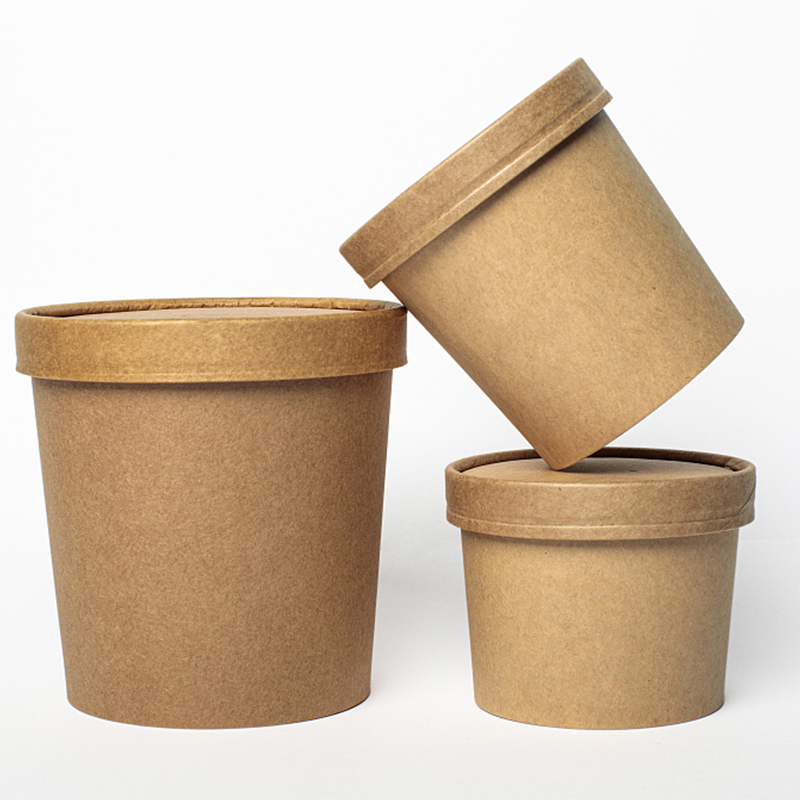
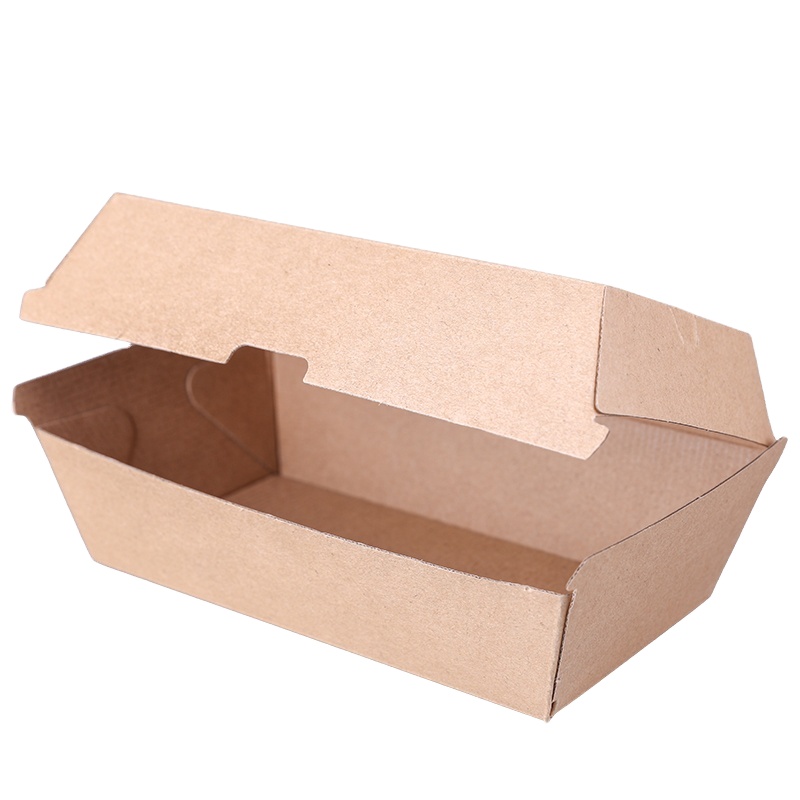
Explore our direct factory product lines: High-rigidity sugarcane bagasse tableware, food-grade PE kraft food pails, and leakproof eco packaging engineered for global export compliance.



1. Sugarcane Bagasse Pulp Packaging: Technical Industry Whitepaper
A comprehensive analysis of agricultural byproduct valorization, high-density fiber molding physics, and global compliance standards for enterprise procurement teams.
The global commercial catering and Quick Service Restaurant (QSR) industries are experiencing a seismic structural shift. Accelerated by strict regulatory frameworks—such as the European Union’s Single-Use Plastics Directive (EU 2019/904), North American state-level Expanded Polystyrene (EPS) bans, and stringent Extended Producer Responsibility (EPR) mandates—procurement executives can no longer rely on fossil-fuel polymer containers. Among natural biopolymer matrix alternatives, sugarcane bagasse fiber packaging has emerged as the single most viable high-performance replacement for traditional plastic, expanded polystyrene, and non-recyclable foil food trays.
Technical Information Gain Insight: Sugarcane bagasse is not merely an "eco-friendly alternative"—it is a structural fiber byproduct derived from the crushed stalks of Saccharum officinarum after sugar extraction. Composed of approximately 45–55% cellulose, 20–25% hemicellulose, and 18–24% lignin, bagasse offers an exceptionally high aspect ratio of natural micro-fibers, yielding tensile strength ratings superior to standard recycled kraft paper containers.
When subjected to automated thermoforming under high-pressure hydraulic presses (150–220 PSI) and elevated curing temperatures (160°C to 210°C), these natural cellulose fibers interlock physically without requiring synthetic binder resins. The resulting thermoformed pulp containers deliver structural integrity, superior stackability under top-load pressure, natural thermal insulation, and full industrial compostability within 60 to 90 days under standard EN 13432 and ASTM D6400 testing parameters.
2. Advanced Manufacturing Science & PFAS-Free Barrier Chemistry
Understanding the multi-stage wet-molding thermoforming process and how modern bagasse factories solve oil and water barrier requirements without harmful chemicals.
Producing food-grade sugarcane pulp clamshells, plates, and bowls involves a precision-controlled, multi-stage engineering workflow. As a premier manufacturer located in Nanhai District, Foshan, Guangdong Pudse Packaging Technology Co., Ltd. integrates automated pulping, hydraulic vacuum molding, thermal pressing, automated edge-trimming, and optical quality inspection into a unified, high-yield production line.
- Automated Mechanical Hydrapulping: Raw bagasse fiber sheets undergo high-shear mechanical agitation in water to break down fiber bundles into a uniform 0.5%–1.2% density aqueous pulp slurry.
- Vacuum Forming & Pre-De-watering: Customized porous brass molds submerge into the pulp suspension. Precision vacuum pumps pull moisture through the screen mesh, depositing a uniform wet fiber mat over the mold contour.
- High-Temperature Thermo-curing: The wet fiber preform is transferred to high-pressure hot molds operating at 180°C–210°C. Hydraulic pressure forces out residual moisture, instantly bonding the cellulosic fibers into a rigid, non-deformable structure.
- Precision Trim & Optical Quality Inspection: High-speed die-cutting machines remove excess perimeter flash, ensuring smooth, burr-free container edges essential for automated lidding lines in commercial food assembly kitchens.
A critical engineering challenge in plant fiber packaging is achieving grease and liquid resistance. Historically, pulp manufacturers utilized Per- and Polyfluoroalkyl Substances (PFAS) to create hydrophobic and oleophobic barriers. However, with modern regulatory prohibitions across North America and Western Europe, market leadership requires 100% Fluorine-Free / PFAS-Free Barrier Technologies. Our engineering team utilizes advanced Alkyl Ketene Dimer (AKD) bio-wax sizing additives and food-safe water-based dispersion coatings that pass standard Kit Tests (Kit 5 through Kit 8) for hot oil (up to 95°C) and water containment without compromising environmental degradation metrics.
3. Sustainable Packaging Material Benchmark & Selection Matrix
An objective, engineering-grade performance comparison for procurement officers deciding between Sugarcane Bagasse, Kraft Paper, Polypropylene (PP), and PLA Plastics.
| Performance / Spec Metric | Sugarcane Bagasse Pulp | PE-Coated Kraft Paper | Microwavable PP Plastic | PLA (Polylactic Acid) |
|---|---|---|---|---|
| Primary Raw Material | Agricultural Sugarcane Fiber | Virgin Wood Pulp + PE Film | Polypropylene Polymer (#5) | Fermented Plant Starch (Corn) |
| Thermal Range (Min / Max) | -20°C to +120°C | -10°C to +100°C | -20°C to +120°C | -10°C to +45°C |
| Microwave Reheating | Excellent (Short-to-Medium duration) | Moderate (Risk of wall softening) | Excellent (High heat tolerance) | Unsuitable (Deforms > 45°C) |
| Grease & Oil Resistance | High (PFAS-Free bio-additives) | Excellent (Barrier PE/Bio-film) | Impermeable | Good for cold foods |
| Industrial Compostability | 100% (EN 13432 certified) | Requires film separation | Non-compostable (Recyclable) | 100% Industrial facility |
| Ideal Application Focus | Hot takeaway meals, catering, burgers | Noodles, soups, fried street snacks | Meal prep delivery, heavy curry/soup | Cold beverages, fruit cups, salads |
4. Future Sourcing & Strategic Procurement Trends (2025–2030)
Navigating global regulatory shifts, supply chain volatility, and circular economy requirements in food packaging procurement.
As retail groups, hotel chains, food service aggregators, and airline catering buyers project their packaging requirements toward 2030, four major macroeconomic trends dominate procurement planning:
- Mandatory Extended Producer Responsibility (EPR) Compliance: European and North American regulators are shifting full end-of-life collection costs onto brand owners. Utilizing mono-material compostable fiber containers drastically reduces annual EPR tax liabilities compared to multi-layer plastic laminates.
- PFAS Ban Enforcement: State-level laws across the US (e.g., California AB 1200, New York, Washington) and upcoming ECHA restrictions in Europe make fluorine-free compliance mandatory. Importers must secure verified laboratory testing (such as Total Fluorine analysis < 50 ppm) prior to customs clearance.
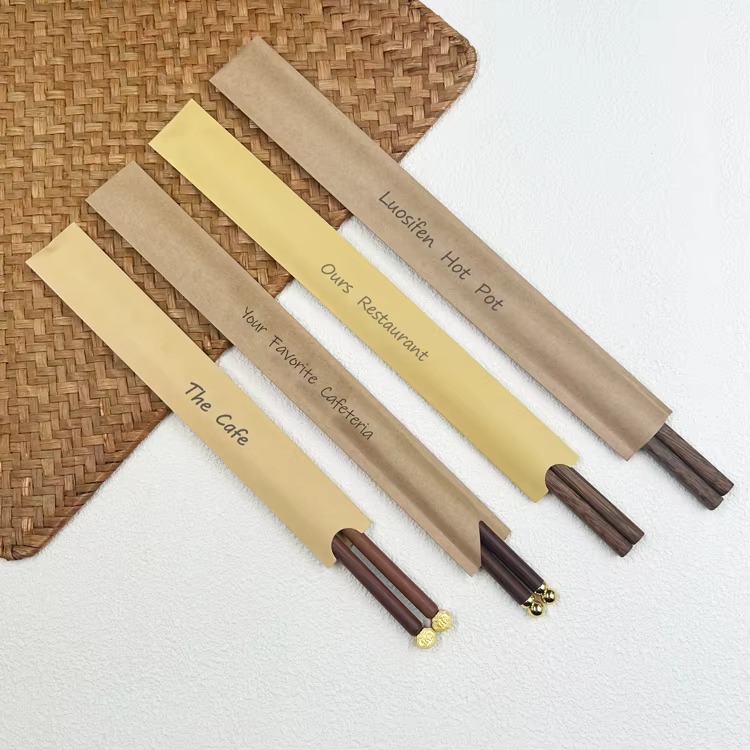
- Smart Customization & Sleeve Branding: With minimal design surfaces on molded pulp items, leading brands are pairing standardized sugarcane containers with vibrant, custom-printed paper sleeves (manufactured on German Roland offset presses) to balance brand visual identity with low-cost mass production.
- Total Cost of Ownership (TCO) & Price Parity: Driven by scale improvements in South China’s bagasse manufacturing hubs and fluctuating petrochemical raw resin prices, high-density sugarcane pulp containers have achieved cost parity with virgin rigid plastic meal boxes.
5. Enterprise Advantages: Guangdong Pudse Packaging Technology Co., Ltd.
Your verified OEM/ODM manufacturing partner in South China with integrated pre-press, offset printing, and high-volume molding capacity.
Founded in 2009, Guangdong Pudse Packaging Technology Co., Ltd. (operating globally as Pudse) has grown into a premier manufacturer of disposable tableware and degradable food packaging. Located in Dali Town, Nanhai District, Foshan City, Guangdong Province, our facility benefits from immediate proximity to major export ports in Guangzhou and Shenzhen, ensuring streamlined LCL and FCL shipping logistics worldwide.
Unlike trading intermediaries, Pudse controls the entire manufacturing chain in-house. Our facility operates advanced equipment, including a German Roland 4-color offset press, 6+1 color printing lines, 4 automated pulp molding machines, 6 high-precision die-cutting stations, and automatic hot-stamping/gluing equipment. This setup enables complete quality control from raw paperboard or pulp slurry to final carton packing.
- In-House Pre-Press & Structural Engineering: Rapid dieline prototyping and graphic adjustments within 24–48 hours to streamline custom branding.
- Flexible Minimum Order Quantities (MOQ): Stock items (such as PP deli boxes) start from low volumes (10–100 pcs), while custom-printed paper sleeves and molded bagasse SKUs accommodate scalable wholesale tiers.
- Rigorous Quality Management: Operates under ISO 9001 quality frameworks, incorporating incoming raw material testing, in-line moisture verification, load-bearing stack testing, and pre-shipment inspections.
- Comprehensive Export Support: Full documentation for global import clearing under FOB, CIF, DDP, and DDU Incoterms across North America, Europe, East Asia, and South Asia.
6. Procurement FAQ: Sugarcane Food Containers & Direct Factory Orders
Clear answers to critical technical, regulatory, and commercial purchasing questions asked by global packaging buyers.
Ready to Elevate Your Foodservice Packaging Line?
Get direct factory quotes, request free sample kits, or consult with our packaging engineers regarding PFAS-free bagasse containers and custom print solutions.
Average Factory Response Time: Under 1 Hour during business operation.